Best Soil for Maranta leuconeura (Prayer Plant): Mix
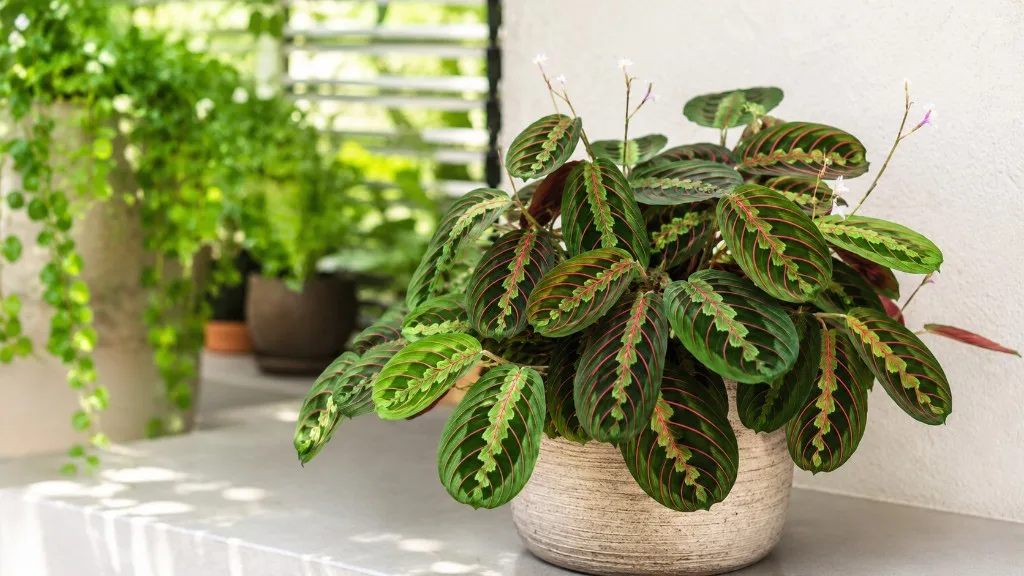
Best Soil for Maranta leuconeura (Prayer Plant): Mix, Drainage & Repotting
Best Soil for Maranta leuconeura (Prayer Plant): Mix, Drainage & Repotting
Maranta leuconeura - the classic prayer plant - does not want “rich garden soil” or fast-draining cactus mix. It wants what its Brazil forest-floor roots evolved for: a loose, humus-rich layer that holds light, even moisture after rain yet drains fast enough that fine roots never sit oxygen-starved for days. Get that balance wrong and the leaves tell you first - curling, crisping, stalled nightly folding - while the real problem sits in compacted peat or a pot that stays wet in low light. The best soil for Maranta leuconeura is a moisture-retentive, well-aerated peat-free blend in a shallow, drained container sized to the rhizome spread, not the leaf span.
Quick answer: Start with 60 % peat-free potting compost + 20 % perlite + 20 % coco coir by volume. The mix should feel springy, drain within a few seconds after watering, and stay lightly moist at roughly 2 cm depth between drinks. Use a pot with a drainage hole, keep rhizomes near the surface, and refresh the mix every two to three years or when it compacts or smells sour. For full repot steps, store-bought shortcuts, and rescue mixes after root rot on Maranta Leuconeura, read on - or jump to the Maranta Leuconeura overview for light, watering, and propagation context.
Why Prayer Plant Soil Is About Moisture and Oxygen
Prayer plant potting mix has four jobs at once: anchor shallow rhizomes, retain moderate moisture between waterings, drain excess water within seconds, and keep open air pockets so roots breathe. When any job fails, stress shows on foliage before roots recover. RHS lists Maranta leuconeura as needing moist but well-drained compost under glass - the same dual demand that makes generic bagged soil fail without amendment. Dense, unamended potting soil stays wet too long in plastic pots; pure cactus mix dries too fast and forces drought swings that curl leaves and slow nyctinasty.
Think of the target texture as a damp sponge with holes, not mud and not dust. After you water, excess should exit through the drainage hole within seconds. What remains should feel evenly damp through the upper root zone, not wet on the bottom and dry on top. Missouri Botanical Garden notes that prayer plants perform well in a soil-based potting mix with bright indoor light and consistently moist - but not waterlogged - soil during the growing season. That “consistently moist” phrase only works when the mix and pot allow oxygen back in between drinks.
Shallow Rhizomes and the Forest-Floor Root Zone
Maranta leuconeura is a rhizomatous, clump-forming perennial in the Marantaceae family. NC State Extension describes short, rhizomatous stems and a horizontally spreading habit - roots and rhizomes occupy the upper few inches of mix, not a deep taproot column. In habitat the plant grows on the humid forest floor beneath canopy, where leaf litter creates a loose, organic surface that drains after rain while staying humid from surrounding air.
That biology changes pot decisions indoors. Deep pots with unused wet soil below the rhizome zone are a common prayer plant killer: you water to moisten the root ball, but the lower third of an oversized container stays saturated for weeks in dim light. Match pot depth to rhizome spread, not leaf diameter. Wide, shallow bowls and hanging baskets often suit prayer plants better than tall cylinders. When repotting, keep rhizomes and crown junctions near the original depth - burying them deeper than the plant tolerated in nursery soil can stall growth and invite stem rot where petioles meet the rhizome.
Red-veined cultivars like ‘Erythroneura’ show fluoride and salt damage on thin margins earliest; soil that accumulates minerals from tap water and fertilizer amplifies tip burn even when watering rhythm looks correct. If tips brown while the top inch of mix feels appropriately moist, suspect water quality and salt buildup before blaming humidity alone - see the flush guidance below and the watering guide.
Best DIY Mix - 60/20/20 and What Each Ingredient Does
No single recipe fits every home, but this 60 % potting compost + 20 % perlite + 20 % coco coir blend is a dependable LeafyPixels starting point for most indoor M. leuconeura. Mix by volume with a scoop or cup, not by weight. Pre-moisten dry components slightly so the first watering saturates the root ball instead of running down the pot sides.
| Ingredient | Volume | Function for prayer plants |
|---|---|---|
| Peat-free potting compost | 60 % | Base structure, slow nutrients, moisture retention |
| Perlite | 20 % | Permanent air pockets; fights compaction |
| Coco coir | 20 % | Even moisture retention; rewets reliably |
Potting Compost, Perlite, and Coco Coir Roles
Peat-free potting compost (or a quality houseplant mix) provides the organic framework roots grow through. RHS cultivation advice recommends peat-free compost for glasshouse culture - aligned with environmental practice and still capable of holding the light moisture prayer plants expect. Avoid heavy, fine composts sold for outdoor containers; they compact in months.
Perlite is expanded volcanic glass. Its job is aeration - keeping pore spaces open so water drains and oxygen reaches fine Marantaceae roots. Without enough perlite (or bark), peat-heavy mixes turn into a brick after repeated watering cycles.
Coco coir holds moisture without the density of compost alone and rewets more easily than aged dry peat in shallow pots. It also starts nearer neutral pH than peat, which helps when you are managing fluoride-sensitive cultivars. Either peat or coir can anchor the base; this recipe uses coir as a partial substitute to reduce compaction risk.
Optional additions: A small handful of fine orchid bark per quart adds chunkier structure that mimics forest-floor debris and slows long-term breakdown. Worm castings at no more than 10 % of total volume supply gentle organic nutrition without the salt spike of heavy synthetic feed. Skip horticultural charcoal unless you are rebuilding after sour, anaerobic mix - it helps drainage and odor control in rescue blends.
Blend in a clean tub until perlite and coir are distributed evenly. The finished mix should feel springy, not sticky. Run the drainage timing test below before potting a prized plant.
Adjusting the Recipe for Dry vs. Humid Rooms
Your room environment should change the recipe, not just the watering calendar. In dry, heated homes where pots lose surface moisture in two to three days, shift toward 55 % compost, 20 % perlite, 25 % coir - slightly more water-holding capacity without eliminating drainage. Pair that with the watering guide moisture checks at 2 cm depth rather than adding heavy garden soil.
In humid rooms, poorly ventilated corners, or plastic pots that dry slowly, use 50 % compost, 30 % perlite, 20 % coir (or add 10 % fine bark). More aeration compensates for slower evaporation and reduces time roots spend in low-oxygen conditions. If the plant was recently recovered from overwatering on Maranta Leuconeura, go airier still - see the rescue mix below.
Self-watering pots and closed cachepots change the math again. Prayer plants can grow in them, but the mix must be extra chunky and you must verify the reservoir does not keep the entire root zone saturated. Many Marantaceae failures in self-watering setups trace to standard dense bagged soil, not the reservoir concept itself.
Store-Bought Mixes That Work for Prayer Plants
If you prefer not to blend from scratch, start with African violet potting mix, tropical houseplant mix, or peat-free houseplant compost from a reputable brand. African violet blends are traditionally formulated for moisture retention with good drainage in shallow pots - structurally similar to what rhizomatous prayer plants need, though you should still inspect texture. If the bag looks dark, fine, and dense with only a few perlite flecks, lighten it with 30–40 % extra perlite or fine bark before use.
Regular all-purpose potting soil alone is usually too dense for M. leuconeura in indoor containers. You can salvage it by mixing 1 part potting soil, 1 part perlite, 1 part coco coir and running the drainage test. Cactus or succulent mix alone drains too fast for consistent prayer plant moisture unless you blend it back with coir at roughly 1 part cactus mix to 2 parts coir, then add perlite until the texture opens up.
Garden soil should never go into an indoor prayer plant pot - it compacts, carries pathogens, and behaves unpredictably in containers. For a deeper comparison of wrong-soil versus wrong-water symptoms, see the brown tips and root rot problem guides after you rule out mix texture.
Drainage Speed, Drainage Holes, and the Timing Test
A drainage hole is non-negotiable for long-term indoor prayer plant care. Even the best airy mix cannot compensate if water pools at the bottom of a sealed decorative pot. RHS houseplant drainage guidance applies equally to Marantaceae relatives: if roots stand in water, they rot. Use a nursery pot that drains freely inside a cachepot, and empty the saucer within thirty minutes of every watering.
Rocks or gravel at the bottom do not create a “drainage layer” - they shorten the soil column and can raise the water table in the root zone. If drainage is poor, fix the mix and hole, not the pebble myth.
The Three-to-Eight-Second Drainage Test
After blending fresh mix, pack it lightly into a small cup with a hole and saturate it. Pour water onto the surface until it runs through. Well-structured prayer plant mix should let the first flush drain through in roughly 3 to 8 seconds without water pooling on top for more than a few seconds. If water sits on the surface longer than ten seconds after a full watering, add more perlite or bark and retest.
In the active pot, after a full soak-and-drain cycle, the surface should darken evenly - not channel down the sides while the center stays dry. Chronic side-channeling means hydrophobic, compacted, or root-bound mix and often precedes drought stress on shallow rhizomes even when you water frequently.
pH, Minerals, Fluoride, and When to Flush the Mix
RHS lists acceptable pH as acid, alkaline, or neutral for M. leuconeura - broader than many bloggers claim. In practice, most quality peat-free and coir-based mixes fall in a slightly acidic to neutral range around pH 5.5–7.0, which works well indoors. Exact pH testing is optional unless the plant repeatedly declines despite correct light and watering.
What matters more day to day is mineral and fluoride sensitivity. NC State Extension notes that leaves burn with high fluorides and over-fertilization. University of Illinois Extension places prayer plants in regular potting mix kept moist but also warns that crowns rot when water stands on stems - mineral crust and chronic wet crowns compound the same stress.
If you see white crust on the soil surface, brown tips on new growth while humidity is adequate, or slowed folding despite moist mix, flush the pot: run room-temperature filtered or rainwater through until it drains freely from the bottom, repeating two or three times. Empty the saucer between passes. If crust returns within weeks, refresh the mix at the next repot and switch to lower-fluoride water - details in the watering guide.
Pot Size, Depth, and Material for Rhizomatous Plants
Choose a pot only one size larger than the root ball unless you are dividing a vigorous clump. Oversized pots hold excess wet mix around rhizomes that are not yet exploring that volume - especially dangerous in winter when NC State recommends allowing soil to dry out more between waterings. Undersized pots dry in a day or two and create drought swings that curl leaves.
Shallow beats deep for spreading prayer plants. A 6-inch-wide, 4-inch-deep bowl often suits a mature clump better than a 6-inch-tall cylinder with three inches of unused soil below the rhizome line. Terracotta breathes and forgives slight overwatering in bright light; glazed ceramic and plastic retain moisture longer - pair them with airier mix in humid rooms.
Keep the crown and rhizome junction at or slightly above the same level they sat in the previous pot. Do not bury living stems to stabilize a tall plant; stake or downsize the pot instead.
When to Refresh or Repot Your Prayer Plant
Refresh or repot M. leuconeura when:
- Roots circle the drainage holes or lift the plant in the pot
- Mix compacts, smells sour, or channels water down the sides
- The pot dries in under three days because the root ball filled the container
- You are recovering from root rot or chronic overwatering
- White mineral crust returns after repeated flushing
Spring and early summer are the safest windows - active growth resumes quickly. Avoid repotting a severely stressed plant unless bad soil is clearly the problem; stabilize light and moisture first. For timing nuance and division options, see the dedicated repotting guide. Even without upsizing, refreshing mix every two to three years prevents peat breakdown and hydrophobic layers in shallow pots.
Step-by-Step Repotting Workflow
- Water lightly one day ahead if the root ball is brick-dry; dry peat shatters, wet mud smears - slightly moist is easiest to work.
- Choose the new pot one size up with a drainage hole, or the same size if only refreshing mix.
- Blend fresh 60/20/20 (or your environment-adjusted variant) and pre-moisten.
- Unpot gently, teasing circling roots without tearing healthy white tissue.
- Inspect rhizomes - trim mushy brown roots with clean scissors; dust cuts if you wish, but avoid heavy fungicide on small houseplant jobs.
- Place the plant so rhizomes sit at the correct depth; add mix around the sides, not piled on the crown.
- Firm lightly - do not compress - and water until a little drains out.
- Keep humidity up and avoid direct sun for one to two weeks while fine roots re-establish. Resume normal light and watering checks rather than fertilizer stacking.
Rescue Mix After Root Rot or Chronic Overwatering
After root rot, rebuild with an extra-aerated rescue blend: 40 % coco coir, 40 % perlite, 20 % fine bark, with no heavy compost until new white roots appear. Pot one size down if you removed significant root mass. Water sparingly at first - moisten the mix without saturating the entire volume repeatedly. Hold fertilizer until new growth looks firm. If mold appears on the surface, see mold on soil guidance; often the fix is more airflow and less surface wetness, not another repot immediately.
Soil Mistakes to Avoid
- Using dense, unamended bagged soil in plastic pots with no drainage strategy
- Overpotting after a single yellow leaf - oversized wet soil kills faster than tight roots
- Burying rhizomes deeper than they grew in nursery culture
- Rocks at the bottom instead of fixing mix and holes
- Repotting on day one after purchase - quarantine and learn drying speed first unless mix is clearly failing
- Changing soil, water, pot, and light the same week - you will not know which variable helped or hurt
- Ignoring sour smell - anaerobic mix means roots are already oxygen-starved
- Self-watering reservoirs with standard dense soil and low winter light
Practical Checks - Drainage, Smell, and Squeeze Tests
One-minute drainage check: After a full watering, water should exit the hole within seconds and the surface should darken evenly. Standing water in a cachepot or on the surface for hours means the system needs correction.
Root-zone smell test: Fresh mix smells earthy. Sour, swampy, or stagnant odor around M. leuconeura means anaerobic conditions - inspect roots before leaves show full decline.
Squeeze test on fresh blend: Grab a handful of mixed, damp soil and squeeze. It should hold shape briefly then crumble when you open your hand. A tight mud ball that does not break apart needs more perlite or bark.
New-growth checkpoint: Healthy soil supports clean unfurling leaves and continued nightly folding when evenings are dark. If movement slows while mix stays wet, suspect oxygen loss at rhizomes before increasing water.
How Soil Connects to Watering, Light, and Humidity
Soil is not isolated from the rest of care. Low light slows water uptake - the same mix that works in a bright east window stays wet too long on a north shelf. High humidity slows evaporation; use airier mix or smaller pots. Fast drying in winter heating may mean too much perlite or a root-bound pot, not necessarily thirst - check depth moisture before soaking.
Prayer plants fold leaves nightly when the pulvini are healthy; chronic stress from waterlogged mix can reduce movement before tips brown. Tie soil decisions to what you see at the crown and the newest leaf, not only old edge damage. When in doubt, compare watering, light, and overview guidance before a third repot in one month.
Conclusion
The right Maranta leuconeura soil is a moist but well-drained, peat-free blend in a shallow, drained pot sized to rhizomes - not leaf spread. Start with 60 % compost, 20 % perlite, 20 % coir, adjust for dry or humid rooms, run the drainage timing test, and refresh mix when it compacts or smells sour. Repot in spring with rhizomes at the correct depth, flush minerals when red-veined cultivars show tip burn, and link soil fixes to watering and light before chasing fertilizer. Get the root zone consistently breathable and lightly moist, and the prayer plant’s daily leaf fold becomes your best confirmation that the mix is working.
When to use this page vs other Maranta Leuconeura guides
- Maranta Leuconeura overview - Start here for whole-plant context before deep-diving this topic.
- Maranta Leuconeura problems hub - Jump to symptom-specific fix guides when this care topic does not resolve the issue.
- Wrong Soil Mix on Maranta Leuconeura - Escalate here when soil adjustments are not enough.
- Root Rot on Maranta Leuconeura - Escalate here when soil adjustments are not enough.