Not Enough Light on Ixora: Causes, Checks & Fixes
Quick answer
Insufficient light on Ixora shows up as long bare stems, few or no flower clusters, and a lean toward the brightest wall. First step: move the pot to a spot that receives at least four to six hours of direct sun daily-or the brightest unobstructed window you have-and add a grow light if natural light still fails a hand-shadow test at the canopy.
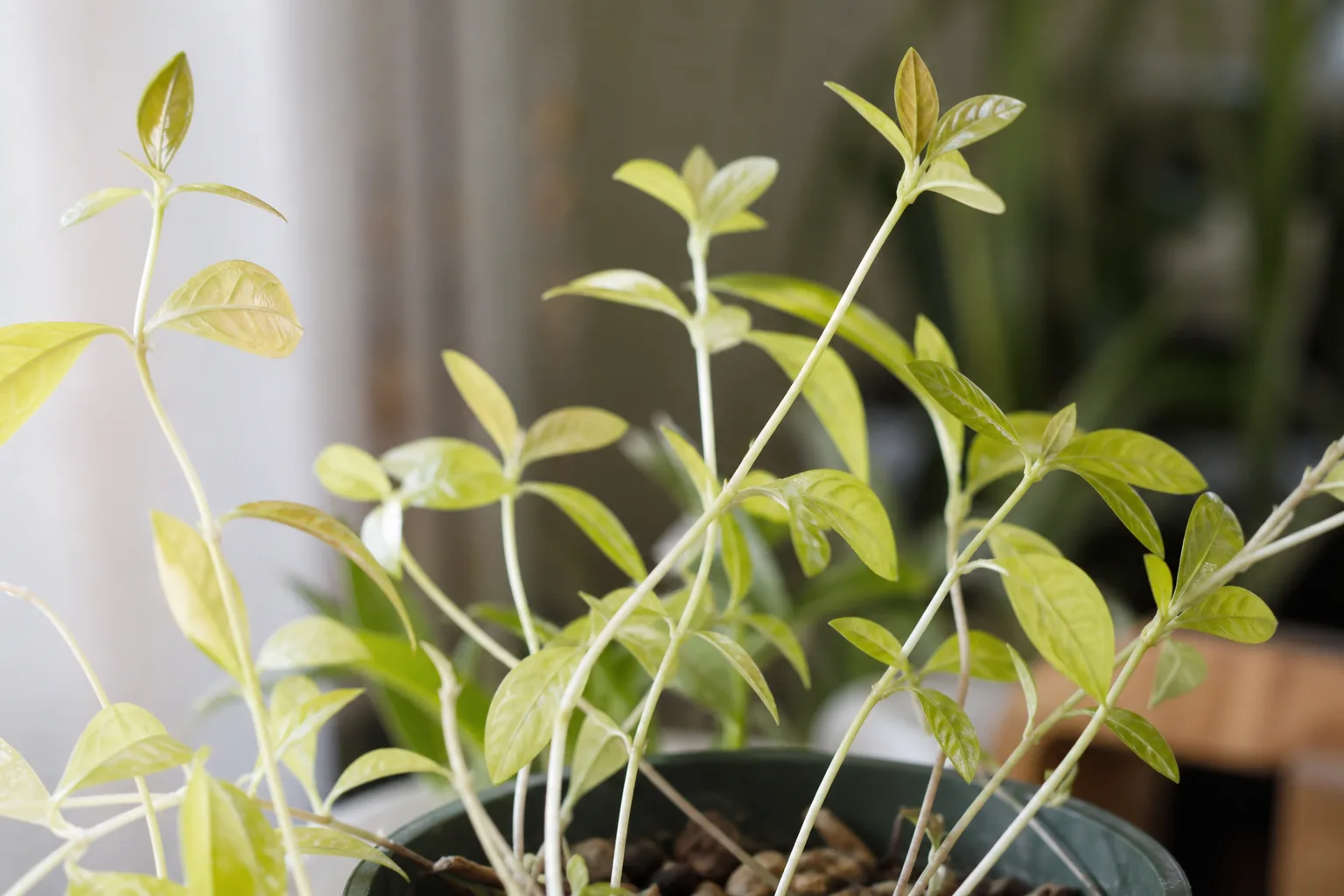
Not Enough Light on Ixora: Causes, Checks & Fixes
This guide covers not enough light on Ixora. See also the general Not Enough Light guide, watering, and light pages for this plant.
Not Enough Light on Ixora: Causes, Checks & Fixes
Quick answer
Ixora coccinea - flame of the woods, jungle flame - is a tropical flowering shrub built for Ixora light guide and long bright days, not dim living-room corners. When daily brightness at the pot falls too low, the plant may keep glossy leaves for months while flower clusters disappear, new stems stretch with wide gaps between leaves, and the whole pot leans permanently toward the window.
First step: move the shrub to the brightest location that still protects leaves from harsh hot glass - ideally a spot with four to six hours of direct sun daily, or within one to three feet of an unobstructed east or filtered south or west window. If a hand-shadow test at the canopy shows almost no shadow on a bright day, add a full-spectrum grow light twelve to eighteen inches above the plant before you change fertilizer, repot, or prune heavily.
What insufficient light looks like on Ixora
Low-light stress on Ixora shows up in blooms and structure before leaf color. Read the newest growth and the flower display first.
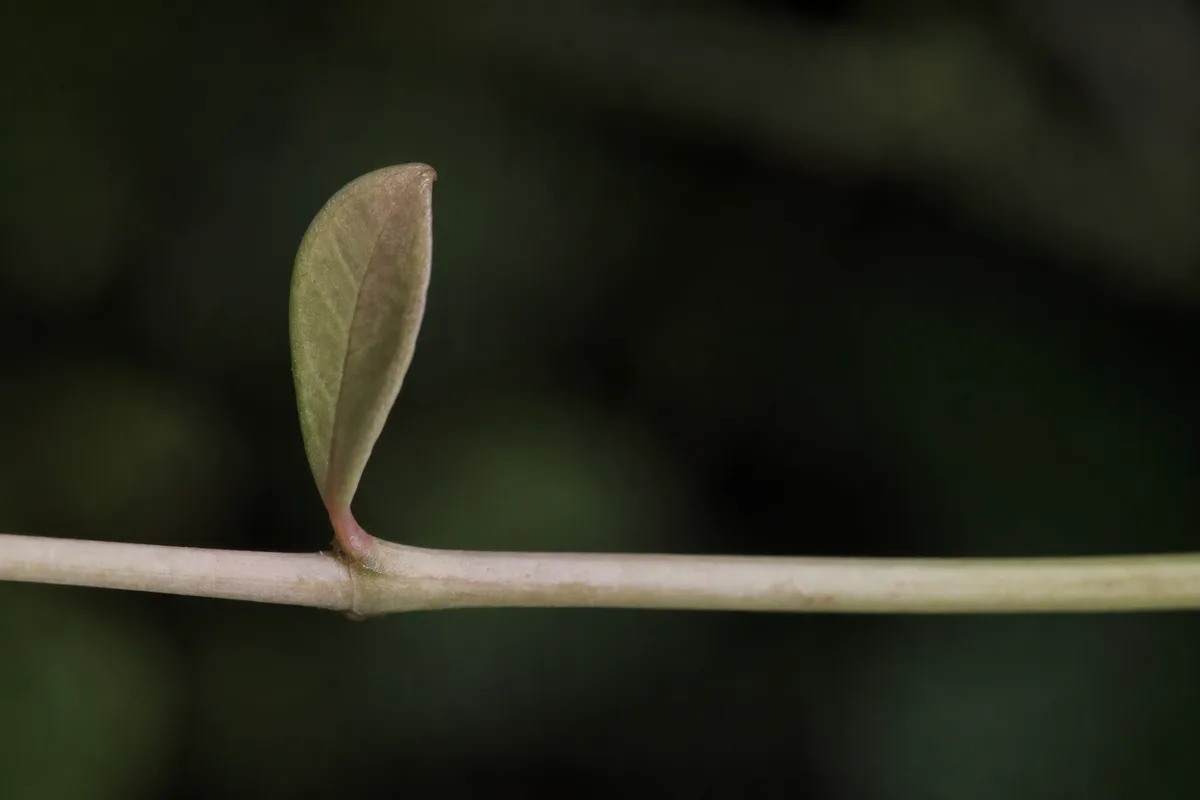
Not Enough Light symptoms on Ixora - compare with healthy tissue on the same plant.
The clearest signal is missing or sparse flower clusters. Ixora is grown for dense cymes of tubular red, orange, pink, or yellow blooms. In adequate light, clusters can last six to eight weeks and repeat through warm months. In chronic shade, foliage may stay dark green while buds fail to form or open only once or twice a year - the plant survives but stops performing the job you bought it for. UF/IFAS notes that full sun is necessary for maximum flower production on this sun-loving shrub.
Leggy, open growth follows. New stem sections grow longer between leaf pairs than older compact growth at the base. Leaves may look normal in size at first but sit farther apart, giving a thin, lanky silhouette instead of the bushy hedge shape Ixora is known for outdoors. The entire shrub tilts toward the brightest wall and lower branches can go bare as the plant reaches for photons.
Slow or stalled growth is common indoors. A well-lit Ixora pushes fresh tips regularly during spring through autumn in warm rooms. In a north-facing bedroom or a shelf more than six feet from glass, the apical bud may sit quiet for months while old leaves look fine.
Chronic under-lighting also changes water use. A dim Ixora transpires less, so the same Ixora watering guide that worked in a bright conservatory leaves soil wet for a week or more. Owners often suspect overwatering on Ixora when low light slowed uptake and set up root-stress risk - especially dangerous in a species that wants evenly moist but never waterlogged acidic mix.
Pale or dull foliage can appear on some varieties, and purplish spots on older leaves may indicate potassium or phosphorus deficiency that worsens when the plant cannot photosynthesize strongly - but do not confuse that with iron chlorosis from alkaline soil, which shows yellowing between green veins while light levels stay unchanged.
Why Ixora struggles in dim rooms
Ixora evolved in humid tropical lowlands of southern India and Sri Lanka, where it grows as a sun-loving evergreen shrub in open, bright conditions. Missouri Botanical Garden notes that it is best grown in full sun, with best flowering in full sun, and tolerates only some light shade at the heat of the day - not deep interior shade.
UF/IFAS describes ixora as a year-round flowering plant that flowers continuously under ideal conditions, adding that full sun is necessary for maximum flower production while large-leaved types can handle partial shade. That partial-shade tolerance is not the same as houseplant “low light.” It means dappled afternoon relief in Florida heat - not a hallway with no sky view.
Each glossy leaf and flower cluster costs energy to build. Ixora keeps its compact, heavily branched habit only when incoming light supports short internodes and repeated bloom cycles. When daily light integrals fall too low - common in rooms far from windows, heavily curtained glass, or winter months with short photoperiods - the plant enters survival mode. It stretches toward photons, blooms sparingly or not at all, and may shed lower foliage it cannot afford to feed.
Distance matters as much as compass direction. Light intensity drops sharply as you move away from glass. A pot placed for décor in a room center may receive reflected brightness sufficient for leaf survival but not for the continuous flowering most growers expect. University of Maryland Extension notes that insufficient light makes indoor plants spindly or “leggy” as they stretch, with fading leaf color, diminished flowering, and poor growth compared to the same species in brighter conditions.
Ixora also ties light to watering rhythm. In stronger appropriate light, the plant uses moisture predictably and dries the mix on a steady cycle. In weak light, the same schedule keeps roots in soggy acidic peat longer - a bad combination for a shrub that hates waterlogging.
Finally, seasonal daylight reduction fools owners who summered the plant on a bright patio. When ixora moves indoors for winter or stays in the same window as days shorten, intensity can fall below bloom thresholds even though the pot never moved. Leaves look unchanged while flower production stops - exactly the pattern Ixora overview is known for.
How to confirm the cause
Work through these checks before committing to a new placement:
- Hand-shadow test at canopy height - On a bright day, hold your hand at the top of the shrub. A soft, readable shadow means usable light. Faint or absent shadow means too dim for active growth and flowering on this species.
- Flower history - Did clusters stop after a move to a dimmer room or after winter indoors? Green leaves with no blooms for three or more months during warm active growth strongly implicates light.
- Newest internode length - Compare the gap between the last two leaf pairs on a growing tip to sections from six months ago. Longer gaps with directional lean confirm stretch from insufficient light.
- Soil dry-down rate - Stick a finger into the top three centimeters. If mix stays wet more than seven to ten days while growth stalls, low light may be slowing water use. Pair that finding with light correction, not only fewer drinks.
- Leaf yellowing pattern - Uniform yellowing between green veins on older leaves with hard tap water or alkaline mix points to iron chlorosis from high pH, not light alone. Stretch plus no blooms plus firm green leaves points to light.
- Window distance and sky view - Measure roughly how many feet the pot sits from glass and whether buildings, trees, or sheers block sky view. Open horizon predicts usable brightness better than “south window” alone.
- Brown or bleached patches - Crisp tan patches on leaves pressed against hot afternoon glass suggest too much direct sun, not too little. Soft yellowing lower leaves with wet soil and dim placement suggest combined light and watering stress.
Check stem firmness at the base. Soft wood with sour-smelling wet soil suggests root decline, not light alone. Firm stems, appropriately moist acidic mix, and a lean toward the window keep insufficient light at the top of the list.
First fix for Ixora
Move the pot to the brightest location that delivers at least four to six hours of direct sun daily - or add a grow light there - and then stop moving it.
Pick a final spot within one to three feet of an unobstructed east window, or three to five feet back from south or west glass with a sheer curtain to block hot direct afternoon rays on leaves trained in shade. A conservatory, sunroom, or unshaded south-facing bay window often suits ixora better than typical foliage-houseplant placements. If no window passes the hand-shadow test at canopy height, install a full-spectrum LED twelve to eighteen inches above the top of the plant on a twelve- to fourteen-hour timer.
Make this one placement change, then wait. Tropical shrubs can drop a few leaves after relocation even when the new site is better. Moving twice in two weeks compounds stress and delays the bloom response you are trying to restore. Water to the new dry-down rate after the move - brighter spots dry faster; do not keep the old dim-corner schedule on autopilot.
Do not jump from a dim interior to unfiltered south sill in one step if the plant has lived in deep shade for months. Acclimate over seven to fourteen days by increasing hours at the brighter location gradually while watching for bleached or crisp patches on leaves.
Step-by-step recovery
Once the shrub is in corrected light, support recovery in this order:
- Hold placement stable for at least fourteen days - No Ixora repotting guide, no heavy pruning, no acid fertilizer on the same week as the move.
- Adjust watering to match new light - Check the top three centimeters twice weekly until you learn the rhythm. Keep soil evenly moist but never waterlogged; let the surface dry slightly between drinks in brighter spots.
- Maintain humidity if air is dry - Ixora prefers humid tropical air. A pebble tray or grouping with other plants helps, but humidity cannot replace missing photons.
- Rotate the pot a quarter turn every two weeks - Even growth prevents a permanent lean; rotation redistributes light but does not create it.
- Prune leggy stems only after new buds appear - Trim long bare shoots back to a healthy node once the next leaf set looks normal in spacing. Hard pruning removes potential flower wood; ixora blooms on newer growth, so time cuts for after the first recovery flush if possible.
- Add supplemental light through winter if needed - Short days at mid and high latitudes often drop window intensity below bloom thresholds even for plants that summered well on a patio.
Skip fertilizer until new growth looks normal in spacing and color for two weeks. Acid-loving feed cannot replace missing light on a declining shrub, and feeding a stressed root system in wet dim soil adds salt stress.
Recovery timeline
Expect minor leaf drop in the first one to two weeks after a placement correction, especially if the plant moved from a very dim spot. That is often the plant shedding leaves formed for the old light level, not proof the new site failed.
New bud break and flower initiation are the metrics that matter. Many ixoras show the first compact new leaves within three to six weeks after light improves during spring or summer active growth. Flower clusters may follow four to eight weeks later - ixora does not bloom overnight even when light is finally adequate. Late fall or winter corrections may stall until longer days and warmer room temperatures return.
Old stretched internodes do not shorten. Bare lower stems may stay bare unless dormant buds activate after light correction and light pruning. A severely leggy container plant may take several months to look balanced again, even when care is correct.
Worsening signs: continuing mass leaf drop after twenty-one days of stable bright placement, soft stems, or soil that stays sour and wet - audit for root problems, aphids, or scale rather than moving again.
Lookalike symptoms
- Iron chlorosis from alkaline soil or hard water - Yellowing between green veins on older leaves while the plant does not lean or stretch. Response: test or correct soil pH to 5.0–6.0 with ericaceous mix and rainwater; light alone will not fix chlorosis.
- Overwatering in a dim corner - Yellowing, leaf drop, and flower bud loss with wet soil and possible sour smell. Response: correct light and let the mix dry appropriately before the next soak; roots need oxygen and photons together.
- Cold draft or temperature shock - Leaf drop after exposure below about 15°C or near an air-conditioning vent, sometimes without stretch. Response: warm, stable placement; ixora dislikes cold even more than moderate shade.
- Sunburn - Bleached or papery tan patches on leaves touching hot afternoon glass. Response: pull back from direct rays or add sheer curtain; do not confuse with low-light stretch.
- No flowers from over-pruning or heavy shearing - UF/IFAS notes that pruning reduces ixora flowering because buds form on newer wood. Response: ease shearing, improve light, and wait for new growth cycles.
What not to do
Do not fertilize heavily to force blooms in dim placement - excess nitrogen can push leaves at the expense of flowers while salts build up in moist acidic mix. Avoid unfiltered afternoon sun as a panic fix after months in deep shade; hot glass scorches leaves not acclimated to direct rays.
Do not water less as the only response when soil stays wet in a dark room; fix light so the shrub uses moisture again. Resist moving the pot weekly hunting for a perfect spot - each move resets adjustment. Do not repot on day one unless roots are clearly failing; repotting plus relocation stacks stress on a slow-growing tropical shrub.
Do not assume green leaves mean the plant is happy. Ixora is notorious for keeping foliage in mediocre light while flowers tell the truth about whether placement is working.
How to prevent insufficient light next time
Choose placement before décor. Ixora belongs where four to six hours of direct sun or equivalent grow-light hours are realistic most days - bright conservatories, sunrooms, and unobstructed south or east windows in warm rooms. It is a poor fit for north bedrooms, interior hallways, and “looks nice here” corners without supplemental lighting.
Clean windows seasonally, trim outdoor obstructions when possible, and re-evaluate in late autumn before winter angle drops intensity. When you bring patio plants indoors, place them in the brightest overwintering spot available - Missouri Botanical Garden recommends overwintering container ixora indoors in bright sunny locations where not hardy outdoors.
Pair stable light with evenly moist acidic soil and rainwater or filtered water to protect pH. When you must move - renovation, new furniture - plan one deliberate relocation and then leave the plant alone for a full month while you watch for new buds.
Conclusion
Insufficient light on Ixora coccinea is a slow flowering crisis disguised as a healthy green shrub. The plant stretches toward windows, blooms sparingly or not at all, and often gets overwatered by accident because dim plants drink slowly. The fix is not more acid fertilizer or frequent relocation - it is enough direct sun or equivalent supplemental light, measured at the pot, kept stable long enough for new buds to prove the spot works. Test with a hand shadow, upgrade placement or add a grow light as a single deliberate change, adjust water to match, and read recovery on the next compact growth flush and flower cluster. Get light right, and flame of the woods returns to the dense, colorful blooms it was bred to deliver.
When to use this page vs other Ixora guides
- Ixora watering guide - Use for routine moisture checks before assuming not enough light is the main issue.
- Ixora problems hub - Browse all 18 common issues on this species.
- Leggy Growth on Ixora - Different entry point when symptoms overlap with not enough light.
- Slow Growth on Ixora - Different entry point when symptoms overlap with not enough light.
- Yellow Leaves on Ixora - Different entry point when symptoms overlap with not enough light.