Ixora Repotting Guide: When, How, and Mistakes to Avoid
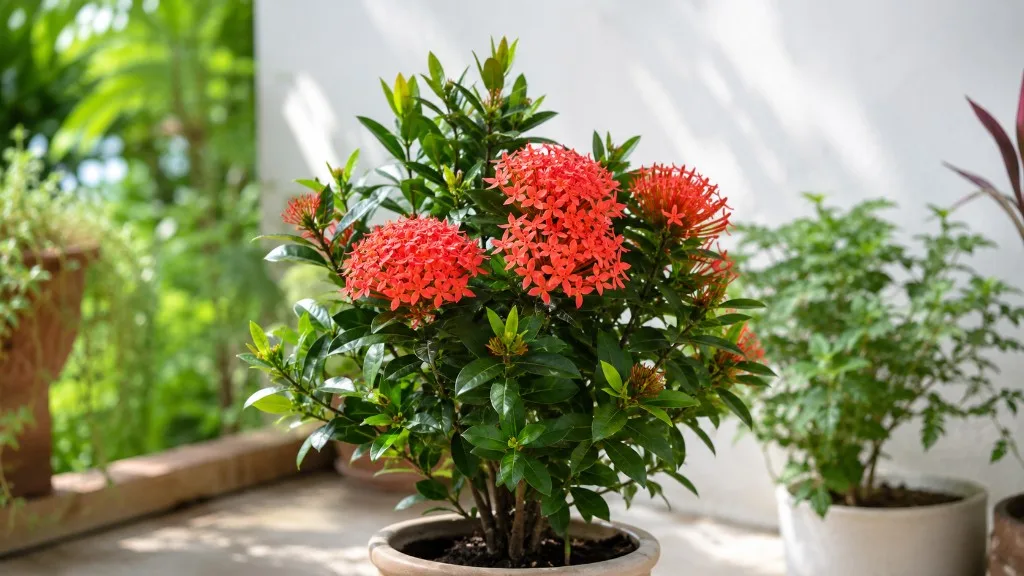
Ixora Repotting Guide: When, How, and Mistakes to Avoid
Ixora Repotting Guide: When, How, and Mistakes to Avoid
Ixora repotting sits at an awkward intersection. The plant dislikes staying root-bound for long, yet it also reacts badly when its root zone is handled roughly or moved into the wrong soil. Ixora coccinea and related species are acid-loving tropical shrubs from Southern India and Sri Lanka. They need moist, well-drained, ericaceous mix with a pH roughly between 5.0 and 6.5, bright light, and warm stable temperatures to bloom reliably indoors or on a patio. Get the repot wrong - oversized pot, alkaline soil, winter timing, or bare-rooting - and you may trade a crowded root ball for weeks of wilted leaves, dropped buds, or iron chlorosis (yellow new leaves with green veins). This guide walks through when repotting is actually warranted, how to execute it with minimal shock, and which mistakes cost the most recovery time.
Why Ixora Resists Root Disturbance
Ixora belongs to Rubiaceae, the coffee family, and behaves like many tropical flowering shrubs: it wants room to grow, but it reads any sudden change in root environment as a threat. Fine root hairs - the structures that absorb water and nutrients - break easily when old soil is stripped away or circling roots are aggressively cut. The plant then struggles to drink even in moist mix, which looks like underwatering on Ixora but is really transplant shock. UF/IFAS Extension notes that Ixora is sensitive to soil pH and nutrient availability; alkaline conditions lock up iron and manganese, producing chlorotic foliage that repotting alone cannot fix if the new mix is wrong. (UF/IFAS Extension)
That sensitivity does not mean you should avoid repotting. It means you should repot deliberately - when the root system or degraded soil demands it, during active growth, into an appropriately sized container with fresh acidic mix - rather than on autopilot every spring. A healthy Ixora in a pot that still drains well and supports new growth may need only a top-dress of fresh substrate rather than a full move. Treat repotting as a targeted repair, not a calendar ritual, and you will lose fewer flower clusters to stress.
The plant’s native climate also explains why timing matters. Ixora grows year-round in the tropics but slows noticeably when indoor light drops and temperatures fall below about 18°C (65°F). Root regeneration depends on warmth and photosynthesis. Repotting into cold, dim conditions gives the plant no energy to rebuild what was damaged during the move. Respect that rhythm and repotting becomes a brief pause in growth rather than a months-long setback.
Signs Your Ixora Needs Repotting
When should you repot Ixora? Repot when two or more of these signs appear together: roots circling the bottom of the pot or escaping drainage holes, water running straight through without soaking in, growth stalling despite good light and feeding, or the soil surface staying crusty and white with salt buildup. A single symptom can mislead - fast drainage might mean the mix has collapsed to dust, not that the pot is too small - so look at the whole root zone before you decide.
The most reliable check is a gentle lift test. Water the plant lightly the day before, tilt the pot, and slide the root ball out partway. Healthy roots are white or tan and firm. A solid mat of roots visible on the bottom and sides, with little visible soil, confirms the plant is root-bound. If roots look black, mushy, or smell sour, you are dealing with rot or anaerobic soil; repotting is urgent, but the priority is trimming damaged tissue and improving drainage, not simply upsizing.
Leaf symptoms can support the diagnosis but should not drive it alone. Slow new growth, smaller leaves than earlier flushes, and buds dropping before opening sometimes trace back to a cramped root system that cannot access water evenly. Iron chlorosis - yellowing between green veins on young leaves - often signals alkaline soil or hard water rather than pot size, though old, exhausted mix can contribute over time. If chlorosis appeared before any repot plan, test your water and substrate pH before assuming a larger pot will solve the problem.
Best Time of Year to Repot Ixora
Seasonal timing separates a smooth repot from a stressful one. Ixora rebuilds roots fastest when day length is long, temperatures sit in its comfort zone of roughly 20–35°C (68–95°F), and the plant is already pushing new shoots or flower buds. Outside the tropics, that window usually maps to spring through early summer indoors or on a sheltered patio. Avoid repotting during the coldest, dimmest weeks unless the plant faces an emergency such as root rot on Ixora or severe binding that is actively harming the plant today.
Spring and Early Summer Window
Spring and early summer are the ideal repotting window for Ixora because the plant is entering or already in active growth. Warm soil speeds root callusing, new white root tips appear within days in favorable conditions, and the foliage can photosynthesize strongly enough to fuel recovery. Gardener’s Path recommends repotting container Ixora when the vessel is only two to four inches wider and deeper than the existing root mass, using acidic, moisture-retentive, well-draining mix - guidance that assumes you are working during the growing season, not in dormancy. (Gardener’s Path)
If you repot in late spring, keep the plant out of harsh midday sun for the first week even though Ixora normally loves bright light. Root damage temporarily reduces the plant’s ability to move water into leaves; direct sun on a compromised root system accelerates wilting. Ixora light guide or gentle morning sun is enough while the root ball settles. Resume the plant’s normal light position once new growth looks firm and turgid.
When Emergency Winter Repotting Makes Sense
Can you repot Ixora in winter? Avoid it when you can. Winter repotting adds stress because lower light and cooler room temperatures slow root repair to a crawl. The exception is urgency: active root rot, a pot cracked and leaking, or roots so bound that water cannot penetrate at all. In those cases, repot into fresh acidic mix and a correctly sized pot, trim only clearly dead roots, and place the plant in the warmest bright spot you can offer - not beside a cold window or under a blasting heat vent.
After an emergency winter repot, expect a longer recovery - often four to eight weeks before confident new growth - and do not interpret slow progress as a call for more fertilizer or larger pots. Stability matters more than stimulation. Hold feeding for at least a month and keep soil evenly moist but never soggy while roots re-establish.
How Often Ixora Needs a New Pot
How often should Ixora be repotted? Most container Ixora plants need a full repot every one to two years, but only when signs of binding or soil breakdown appear - not automatically every March. Fast-growing dwarf cultivars in small pots may hit the limit closer to twelve months; a mature specimen in a large container with healthy drainage may go two to three years with annual top-dressing instead of a full transplant. The Spruce notes that Ixora generally does not like being root-bound, which pushes you toward timely upgrades, yet also emphasizes well-draining, peat-based acidic mix that must be refreshed when structure collapses. (The Spruce)
Frequency also depends on your water source. Hard, alkaline tap water gradually raises pH in peat-based mixes, especially in small pots with limited soil volume. If you see creeping chlorosis or crusty white deposits on the soil surface every few months, plan a repot or full top-layer replacement even if roots are not yet circling. Collected rainwater or filtered water slows that drift and extends the life of a good repot.
Treat “every two years” as a maximum interval to inspect, not a rule to repot regardless. Lift the plant, smell the soil, check drainage speed after watering, and look at new leaf size. If everything is healthy, leave it alone. Ixora punished for unnecessary repotting often drops flowers for weeks - a real cost on a plant grown primarily for its clustered blooms.
Choosing Pot Size and Material
Pot choice is where many repot jobs fail before the first scoop of soil. Ixora needs drainage holes non-negotiable. Without them, even perfect mix stays waterlogged at the bottom, and root rot follows within a single wet season. Decorative cachepots are fine only if the nursery pot lifts out completely and no runoff collects at the base.
The One-Size-Up Rule Explained
What size pot for Ixora? Move up only one pot size - roughly 2–5 cm (1–2 inches) wider in diameter than the current container. For a plant in a 20 cm pot, a 24–25 cm pot is enough. Jumping to a 30 cm pot “so it can grow bigger” leaves a ring of wet, unused soil around a small root ball. Roots cannot drink that volume, oxygen drops, and fungi move in. One size up gives room for one to two seasons of growth without creating a swamp.
Depth matters as much as width for shrubs that develop woody bases. Choose a pot deep enough that the root ball sits comfortably without cramming roots against the bottom, but avoid excessively tall narrow pots that stay wet in the lower third. The crown - where stems meet soil - should remain at the same level as before; burying it encourages stem rot, and setting the plant too high exposes roots to drying air.
Terracotta breathes and dries evenly, which helps experienced growers avoid overwatering on Ixora, but it also pulls moisture quickly in hot, sunny rooms. Plastic retains water longer - useful if you struggle to keep Ixora evenly moist, risky if you tend to water on schedule without checking. Unglazed clay can also raise pH slightly over time through mineral exchange; if your Ixora already trends toward chlorosis, plastic or glazed ceramic with drainage may be safer. Match material to your watering habits, not aesthetics alone.
Soil Mix Requirements for Acid-Loving Ixora
What soil should you use when repotting Ixora? Use a fresh, well-draining, acidic mix with pH between 5.0 and 6.5. Regular multipurpose potting soil is often near neutral or slightly alkaline - fine for many houseplants, wrong for Ixora. The plant needs ericaceous conditions similar to azaleas and camellias: high organic matter, good aeration, and stable acidity so iron and manganese stay available.
A reliable home blend combines 40% quality potting base, 30% peat moss or cocopeat, 20% compost or leaf mold, and 10% perlite or coarse sand. Commercial ericaceous compost or “acid-loving plant” bagged mix is a solid starting point; amend with extra perlite or pine bark if the bag feels heavy. Gardener’s Path and multiple nursery sources emphasize pine bark, peat, and sphagnum components for container Ixora because they maintain acidity while holding moisture without compacting. (Gardener’s Path)
Never reuse old soil from the previous pot. Degraded mix loses pore space, may harbor pathogens, and often carries a pH drift toward alkalinity from months of hard-water irrigation. If you compost at home, skip unfinished compost that is still heating; Ixora roots are fine and easily burned. Moisten new mix lightly before planting so it settles around roots without leaving dry pockets, but do not saturate it to mud.
Keep limestone, concrete, and fresh mortar away from the repot workspace. Even indirect contact - a pot sitting on a limestone patio with splash-back - can raise pH over time. UF/IFAS Extension specifically warns that concrete and rock mulches neutralize soil near Ixora plantings and trigger chlorosis in landscape settings; the same chemistry applies to pots irrigated with water that runs over alkaline surfaces. (UF/IFAS Extension)
Tools and Pre-Repot Checklist
Gather everything before you disturb the plant. You will need a new pot with drainage, enough fresh mix to fill the pot one-third deep plus backfill space, clean scissors or pruners, a hand trowel, chopsticks or a pencil for settling soil, and a watering can with a narrow spout. Optional but useful: a tarp or old sheet for messy work, labels if you track repot dates, and gloves if you prefer not to handle peat dust.
Run through this checklist the day before repotting: water the plant lightly so the root ball holds together but is not soggy; sterilize tools with rubbing alcohol if you recently trimmed diseased material elsewhere; pre-moisten new mix; confirm the new pot is only one size up; and choose a recovery spot with bright indirect light, stable warmth, and no cold drafts. Plan to skip fertilizer for at least four weeks after repotting - roots with broken hairs cannot handle salts, and feeding too soon is one of the fastest ways to burn tender regrowth.
If the plant is flowering heavily, decide whether you can wait two weeks until the current flush fades. Repotting during peak bloom often sacrifices open flowers and buds near opening. Emergency rot repots override that preference, but elective upgrades should respect bloom timing when possible.
Step-by-Step Repotting Process
Follow these steps in order. Rushing or skipping root inspection is what turns a twenty-minute job into a month of recovery.
- Water lightly 24 hours ahead so roots are hydrated and the ball stays intact.
- Slide the plant from its pot, supporting the base with your hand. If stuck, tap the pot rim or run a knife around the edge - never yank by the stems.
- Inspect roots. Trim only black, mushy, or clearly dead sections with clean scissors. Tease circling roots on the bottom and outer edges gently outward with fingers.
- Add one-third of fresh mix to the new pot. Mound slightly and set the root ball on top.
- Backfill around the sides, settling mix with a chopstick to remove air gaps without compacting.
- Position the crown at the same depth as before - not deeper, not raised on a dry pedestal.
- Water thoroughly until excess drains from the bottom, then discard saucer water within thirty minutes.
- Place in recovery light for 7–14 days before returning to full sun exposure.
Removing the Plant and Inspecting Roots
When the root ball emerges, look for color and smell before you touch much. Healthy Ixora roots smell earthy and feel firm. Sour odor means anaerobic conditions - often from overwatering in old compacted mix - and requires removal of all soft tissue back to clean white or tan roots. Keep as much of the old soil attached to healthy roots as practical; Better Homes & Gardens transplant guidance applies here: unless rot or severe binding forces your hand, stripping the ball bare removes the fine hairs that do most of the absorbing work. (Better Homes & Gardens)
For moderately bound plants, score the bottom quarter-inch of the root mat with vertical cuts or tease loops apart with fingers. Aggressive shaving of a healthy root system rarely speeds establishment and often delays it. The goal is to redirect growth outward into fresh mix, not to miniaturize the root mass to fit a much larger pot.
Placing Ixora at the Correct Depth
Set Ixora so the soil line matches its previous level. Burying the crown traps moisture against woody stems and invites rot in a species already sensitive to wet feet. Planting too shallow exposes upper roots to air and causes them to dry within days. If the plant was slightly too deep in its old pot - common when soil subsides - raise it only a centimeter at most during repotting; dramatic depth changes stress shrubs more than houseplant veterans expect.
After backfilling, firm the mix lightly with your fingertips around the root ball, not with heavy palm pressure. Heavy compaction collapses air pockets you need for drainage. Water once to settle, add mix if a sinkhole appears, and stop. Do not stomp or press the surface flat.
Aftercare for the First Four to Six Weeks
Is transplant shock normal after repotting Ixora? Yes - mild wilting, a brief pause in growth, or a few dropped leaves for one to two weeks is common. Full root re-establishment typically takes four to six weeks in warm, bright conditions. New growth in the correct size and color is the clearest recovery signal; older damaged leaves will not green up again if chlorosis or scorch already marked them.
Watering after repot requires a lighter touch than usual. Keep mix evenly moist - neither bone dry nor constantly saturated - while new root tips form. Check with a finger near the pot edge before each watering. The plant may use less water than before because the root system is temporarily smaller; watering on your old schedule is a common post-repot mistake. Empty saucers promptly and never let the pot sit in runoff.
Hold all fertilizer for at least four weeks, longer if growth looks weak. When you resume, use a slow-release or liquid formula labeled for acid-loving plants, at half strength for the first application. UF/IFAS recommends granular acid-plant fertilizers for established landscape Ixora in spring and fall; container plants need gentler, less frequent feeding but the same pH logic applies. (UF/IFAS Extension)
Humidity helps but does not replace careful watering. Ixora prefers 60–80% relative humidity when possible. A humidifier nearby or grouping with other plants reduces leaf edge crisping while roots rebuild. Avoid misting as a humidity strategy - wet foliage in bright light can spot or fungal-mark leaves without meaningfully raising room humidity.
When leaves yellow after repotting, separate shock from chlorosis. Shock typically affects older leaves first, with overall slight wilt and no strong vein greenness pattern; the plant often perks up after a week if moisture and warmth are correct. Chlorosis shows on new growth as yellow tissue between dark green veins, pointing to iron deficiency from high pH - wrong mix, hard water, or lime leaching - not just transplant stress. If chlorosis appears within two weeks of repotting, confirm your new mix was truly ericaceous, flush once with rainwater or distilled water, and monitor new leaves. Persistent chlorosis may require chelated iron foliar spray per label directions - a stopgap, not a substitute for fixing soil pH. Sustained wilting beyond three weeks, spreading black stems, or a worsening sour smell means rot or continued overwatering; unpot, trim affected roots, downsize if needed, and replant in fresh mix rather than increasing water to “help” a wilted plant.
Top-Dressing vs Full Repot
Not every spring needs a full repot. Top-dressing - scraping away the top 2–5 cm of old mix and replacing it with fresh ericaceous compost - refreshes acidity and organic matter with minimal root disturbance. Mature Ixora in large pots that still drain well and show steady new growth are ideal candidates. Top-dress in spring, water lightly to settle, and skip fertilizer for two weeks.
Choose a full repot when roots circle heavily, the pot has tipped from being root-heavy, drainage has slowed despite correct watering technique, or salt crust covers the surface and flushing no longer helps. Full repot also makes sense when upgrading one pot size for a young plant that has outgrown its container but still has a manageable root ball. If you top-dress three years running without lifting the plant, inspect the bottom anyway - binding can hide below a healthy-looking surface.
Common Repotting Mistakes
The errors below cause most post-repot failures on Ixora. They are predictable and avoidable once you know what the plant punishes hardest.
Jumping two or more pot sizes at once is the leading mistake. The excess soil volume stays wet, roots stall, and leaves yellow while the plant looks thirsty - classic oversize-pot syndrome. Bare-rooting - washing all old soil away - strips fine roots and extends shock by weeks unless you are treating rot and must inspect every centimeter. Using neutral or alkaline potting mix triggers or worsens chlorosis within one to two months, especially if your tap water is hard. Fertilizing immediately burns regrowing roots. Repotting mid-winter in a cold room can stall recovery until spring regardless of how perfect your technique was.
Oversized Pots and Root Rot Risk
An oversized pot is not generous; it is dangerous for Ixora. The plant cannot colonize wet outer soil fast enough, so that zone becomes a low-oxygen reservoir. Fungal pathogens that cause root rot thrive there even when you water “correctly” by volume. Symptoms appear weeks later: sudden wilt, soft lower stems, sour soil smell. Recovery requires another repot into a smaller appropriate pot, trimmed rotten roots, and fresh mix - essentially starting over.
If you already repotted too large, do not wait hoping the plant adapts. Downsize carefully: remove the root ball, shake away loose outer wet mix without bare-rooting the core, trim any mushy roots, and replant in a correctly sized pot with fresh acidic mix. Treat it like an emergency winter repot regarding aftercare - warm, bright, no fertilizer, careful moisture.
Repotting During Bloom Cycles
Ixora can bloom repeatedly in warm, bright conditions, which means there is rarely a perfect moment with zero buds. Still, timing matters for display quality. Repotting just as buds swell often causes bud drop before flowers open - the plant redirects energy to root repair instead of bloom completion. If your primary goal is flowers for an event or season, wait until the current flush finishes and prune lightly if needed before repotting.
If roots are severely bound and the plant is drying out daily despite watering, repot anyway and accept lost buds. Chronic drought stress from a cramped root ball damages Ixora more than one missed bloom cycle. After repot, new buds usually return within four to eight weeks in strong light and proper soil, assuming aftercare is stable.
Conclusion: Repot Less, Observe More
Ixora repotting rewards patience and precision more than enthusiasm. Repot when roots or soil genuinely limit health - not because the calendar says so - and do it in spring or early summer with one-size-larger pot, fresh acidic mix, and a gentle hand on the root ball. Skip fertilizer for the first month, keep moisture steady but not soggy, and read new leaf color as your report card. Most plants recover from a well-timed repot within a few weeks and return to the clustered blooms that make Ixora coccinea worth the extra soil attention.
Repotting resets how watering, light, and feeding interact: fresh mix dries on a new schedule, harsh direct sun should wait until roots recover, and acid-formulated fertilizer stays off until new growth proves the root system works again. Align rainwater or filtered water with ericaceous mix so you are not fighting alkalinity from day one. When in doubt, inspect roots first, top-dress if binding is mild, and save full repotting for the moment the plant clearly outgrows its container. Less disturbance, better timing, and the right mix beat a bigger pot every time.
When to use this page vs other Ixora guides
- Ixora overview - Start here for whole-plant context before deep-diving this topic.
- Ixora problems hub - Jump to symptom-specific fix guides when this care topic does not resolve the issue.
- Root Rot on Ixora - Escalate here when repotting adjustments are not enough.
Related Ixora guides
- Ixora overview
- Ixora watering
- Ixora light
- Ixora soil
- Ixora propagation
- Ixora fertilizer
- Root Rot on Ixora
- Ixora problems
Related tool
Try the Pot Size Calculator with ixora pre-selected to estimate needs for your setup.