Wilting on Hoya: Causes, Checks & Fixes
Quick answer
Wilting on Hoya usually means lost leaf turgor from drought (light pot, dry top half, soft wrinkled waxy leaves) or failed root uptake on wet cool soil (limp vine, soft stems, yellow lower leaves). First step: lift the pot and probe the top half of the mix-do not water until you know which direction the problem runs.
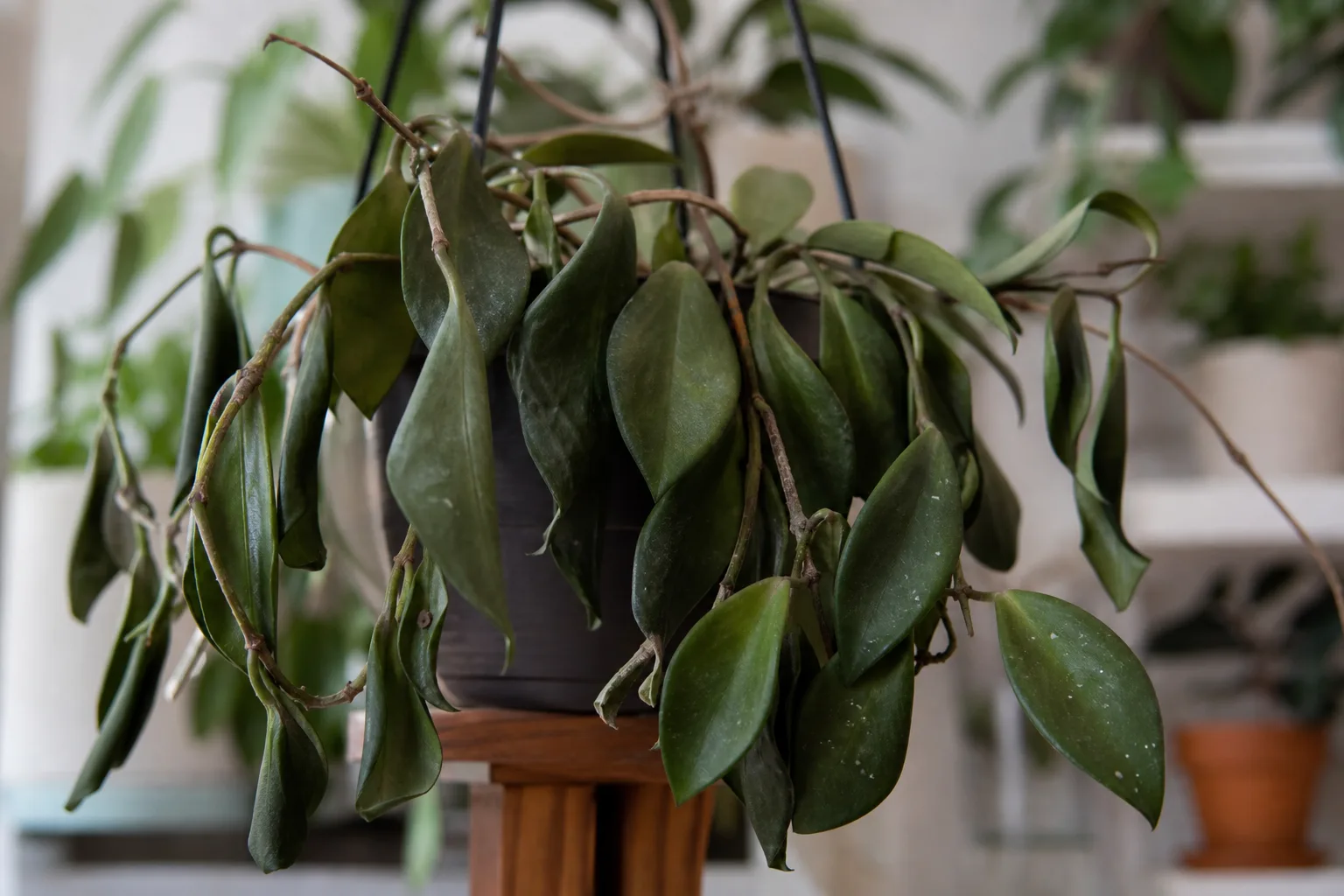
Wilting on Hoya: Causes, Checks & Fixes
This guide covers wilting on Hoya. See also the general Wilting guide, watering, and light pages for this plant.
Wilting on Hoya: Causes, Checks & Fixes
Quick answer
Wilting on Hoya (Hoya spp., wax plant) means the vine lost turgor-internal water pressure-in its thick waxy leaves and stems. On this semi-succulent epiphyte, that collapse almost always traces to one of two opposite problems: the root zone stayed too dry too long, or roots failed on wet soil and can no longer supply water.
First step: lift the pot and probe the top half of the mix before you touch the watering can. A light pot with dry top half and soft, wrinkled leaves means thirst wilt-confirm firm roots, then soak once. A heavy, cool, wet pot with limp foliage and soft stems means root failure-stop watering and inspect roots instead. Watering the wrong branch is the fastest way to kill a stressed Hoya.
What wilting looks like on Hoya
Hoya stores water in fleshy, leathery leaves, so wilt often appears as soft or wrinkled waxy foliage before obvious hanging collapse. Healthy Hoya leaves feel firm when gently squeezed; wilted tissue feels thin, pliable, or puckered.
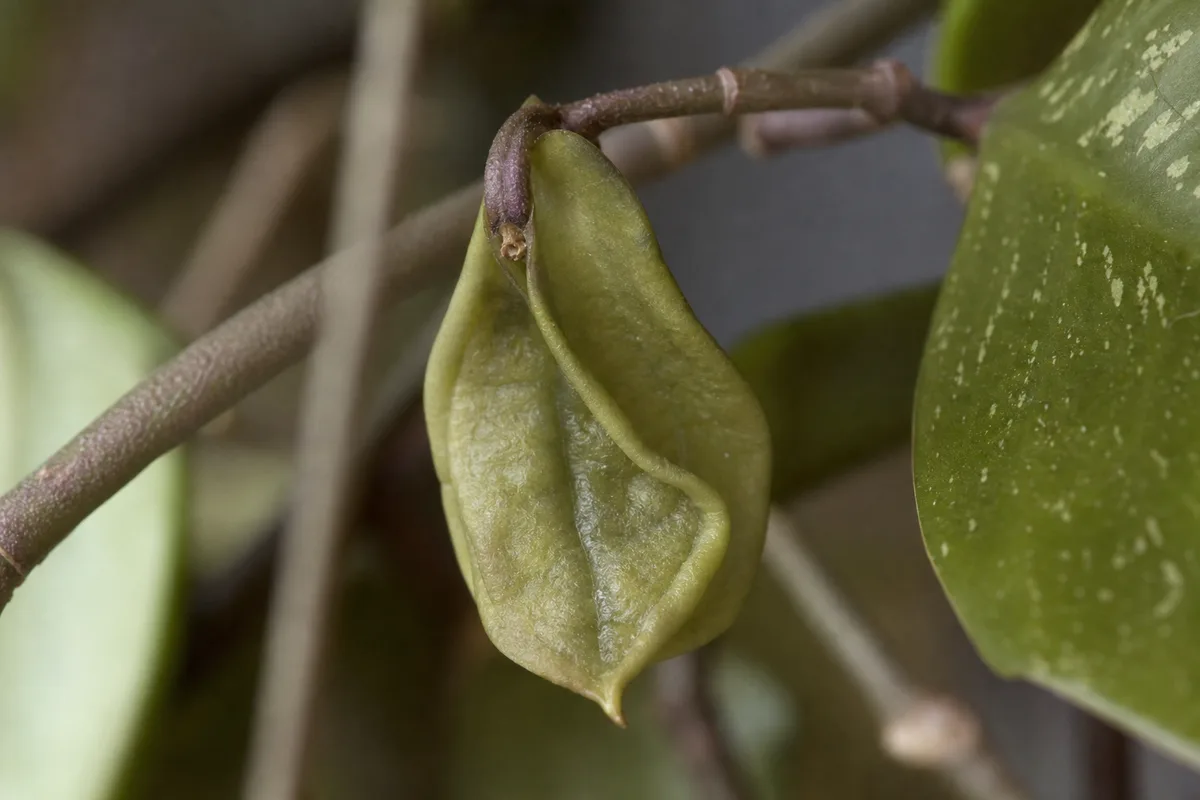
Wilting symptoms on Hoya - compare with healthy tissue on the same plant.
Soft, wrinkled leaves on a light dry pot (thirst wilt)
- Leaves lose gloss and develop fine wrinkles or a rubbery feel
- Pot feels noticeably light when lifted
- Mix is dusty dry through the top half; soil may pull from the pot edge
- Vine may perk within hours to two days after a thorough soak if roots are intact
- Common after fear-of-overwatering drought, vacation neglect, or hydrophobic peat that repelled water
Limp vine on cool wet chunky mix (root-failure wilt)
- Leaves stay limp despite wet soil-the wet-soil wilt paradox
- Yellow lower leaves, soft stems at the soil line, or edema spots may appear
- Pot feels heavy; surface stays dark and cool for many days
- Mix may smell sour if rot has started
- Wrinkled or soft leaves with wet soil can signal damaged roots from overwatering, not thirst
Water races straight through on first pour (hydrophobic peat)
- Quick pour wets the surface but core stays bone dry
- Leaves soften over days while you believe you watered recently
- Common in old peat-heavy mix after a long dry spell
- Bottom-soaking until the surface moistens is the fix-not daily sips
Limp or translucent tissue after cold exposure
- Leaves look wilted on a winter window sill or beside a blasting AC vent
- Tissue may turn translucent or limp without dry soil
- Hoyas do not tolerate temperatures below 55°F (13°C) for long
- Watering alone does not fix cold stress-warmth and stable care do
Root-bound pot drying in 48 hours (summer fast dry-down)
- Established vine in active summer growth wilts despite “weekly” watering
- Hoyas flower better slightly pot-bound, but dense roots drink the whole container fast in heat
- Light pot returns within two days of the last soak-normal seasonal rhythm, not neglect
Thin-leaf species wilting faster
- Hoya linearis and other thin-leaved types show stress sooner than thick-leaf H. carnosa
- Same diagnostic split applies: dry light pot versus wet heavy pot
Wilting vs. drooping vs. wrinkling - when to use this page
These terms overlap in casual search, but they point to different diagnostic paths on Hoya:
| Symptom language | What it usually means on Hoya | Best page |
|---|---|---|
| Wilting | Lost turgor-soft, thin, or limp tissue; vine cannot hold itself up | This page - full dry-vs-wet diagnostic |
| Wrinkled / soft leaves | Early drought signal on semi-succulent leaves before full collapse | Underwatering - dry-side depth and soak recovery |
| Drooping / hanging down | Vine trails downward; may be normal gravity on long stems or low light stretch | Drooping leaves - support and light overlap |
| Limp on wet soil | Uptake failure despite moisture | Overwatering and root rot |
Use this wilting guide when you need the first fork: is the pot light and dry, or heavy and wet? That single check prevents the most common Hoya mistake-watering a plant that is already drowning.
Why Hoya wilts
Hoya is an epiphytic vine whose roots expect air between soaks in a chunky, fast-draining mix. Its waxy leaves buffer short dry spells, which is why wilt can look sudden even after gradual soil drying.
Thirst wilt happens when transpiration outpaces uptake-bright light, small terracotta pots, heating vents, and summer growth all increase water loss. Many owners under-correct after one rotted plant, waiting until leaves shrivel. By then fine roots may have died back.
Wet-soil wilt happens when saturated mix suffocates roots. Too wet or too dry soil can both stress Hoya; damaged roots cannot transport water, so leaves collapse even though you watered yesterday. Dim winter rooms slow evaporation and make calendar watering especially dangerous.
Hydrophobic old peat mimics chronic underwatering while the surface briefly darkens after a rushed pour.
Cold below ~55°F (13°C) slows metabolism and damages tissue-limp leaves that watering will not fix.
Root-bound summer pots dry faster than your winter mental model; wilting on a light pot after 48 hours is often seasonal, not abandonment.
Pest sap-feeding on new growth-aphids or mealybugs in leaf axils-can weaken young tips over time. Sticky residue or white cottony patches mean inspect aphids and mealybugs, not only moisture.
Lookalike symptoms to rule out
Simple underwatering - Dry top half, light pot, soft wrinkled leaves. Fix with one soak; details in underwatering.
Overwatering and root rot - Wet mix, heavy pot, yellow lower leaves, soft stems. Damaged roots cannot supply water fast enough, mimicking drought wilt. Never add water without checking.
Low humidity - Can crisp leaf edges in dry winter air, but leaves usually stay firm, not thin and wrinkled. Moist soil with crispy tips points here or salt buildup-not classic wilt.
Recent repot shock - Temporary limpness for five to seven days even with adequate moisture. Wait unless the pot is clearly light and dry.
Not enough light - Long bare vines and stretch toward windows; chronic dim placement also keeps soil wet longer. See not enough light if structure, not turgor, is the main issue.
Yellow leaves on wet soil - Overlap with overwatering; see yellow leaves when fading lower foliage dominates.
How to confirm the cause
Work through this checklist in order-stop when one branch clearly fits:
- Pot weight - Lift the pot. Very light strongly suggests drought; heavy and cool suggests wet-soil problems.
- Top-half moisture - Push a finger or skewer into the upper half of the mix. Dusty and loose confirms dry; clinging, cool soil confirms wet.
- Leaf feel - Pinch a mature leaf. Soft or wrinkled on dry soil confirms thirst wilt; soft on wet soil points to root failure.
- Stem base - Firm green stems fit drought or cold; soft dark tissue at the soil line escalates to rot checks.
- Smell and drainage - Sour odor, standing saucer water, or a cachepot holding runoff confirms overwatering risk.
- Watering history - Sips only, hydrophobic runoff, or three-plus weeks without a soak in summer each suggest different branches.
- Temperature and placement - Cold window sill or AC blast within the last week? Cold wilt before thirst.
- Pest scan - Check new growth and leaf axils for aphids, mealybugs, or sticky residue.
If soil is wet and leaves are limp, do not water. Slide the plant out and inspect roots-pale firm roots differ from brown mush.
First fix for Hoya
One clear action based on your confirmation-not a stack of treatments.
If top half of mix is dry and pot is light
- Confirm roots are pale and firm if you have any doubt.
- Bottom-soak 30–45 minutes in a sink, or top-water slowly until runoff drains freely.
- Use room-temperature water-cold water can shock Hoya.
- Empty the saucer within 30 minutes.
- Wait for the top half to dry again before the next drink.
Full soak workflow: underwatering on Hoya.
If mix is wet and cool and stems soften
- Stop watering immediately.
- Move to brighter indirect light if the plant sits in shade-slow evaporation worsens wet soil.
- Empty cachepots and saucers; verify drainage holes are open.
- If decline continues after the top inch dries, unpot and inspect for rot. Trim mushy roots, repot into fresh airy mix only if damage is confirmed.
Escalation path: overwatering and root rot.
If water runs straight through (hydrophobic peat)
- Bottom-soak until the entire surface moistens-may take 45–60 minutes.
- Poke shallow aeration holes in the dry crust if needed.
- Do not substitute daily sips; they never rewet the core.
- Plan to refresh compacted mix in spring if hydrophobic cycles repeat.
If plant sits in a cold draft or on a cold sill
- Move to a stable spot above 55°F (13°C).
- Let soil dry appropriately-do not compensate with extra water on cold wet roots.
- Wait three to five days before judging recovery; translucent cold-damaged leaves may not fully re-turgid.
If aphids or mealybugs coat new growth
- Isolate the vine and wipe visible pests with 70% alcohol on a swab.
- If pests persist, use repeated indoor-safe insecticidal soap applications and keep the plant isolated until checks stay clean for multiple waterings (University of Maryland Extension).
- Correct moisture only after pest pressure drops-stressed vines handle one problem at a time.
See aphids on Hoya and mealybugs on Hoya.
Recovery timeline
Thirst wilt on dry soil - Recently wrinkled leaves often plump within 24–48 hours after a proper soak. Judge success by firmer leaves and turgid new tips.
Wet-soil root stress - Leaves may stay limp until roots recover oxygen-several days to two weeks once watering stops and mix dries correctly. New growth should look glossy; spreading stem blackening means rot escalation.
Hydrophobic recovery - One good bottom-soak fixes turgor within 48 hours if roots were healthy; replace old mix if the cycle repeats monthly.
Cold stress - Recovery takes days to weeks after warmth returns; damaged translucent tissue may scar permanently.
Root-bound summer drying - Wilting resolves within hours of a soak; adjust your summer interval rather than waiting for more wrinkles.
Signs recovery is working: moderate pot weight for several days after watering, firm waxy leaves, new stems glossy, no spreading base softening.
Signs the problem is worsening: limp leaves on wet soil 72 hours after you stopped watering, sour smell, crown softening, or no improvement after a confirmed soak on previously dry soil.
What not to do
- Do not water a wilting Hoya when mix is already wet and cool - that accelerates root rot on epiphytic roots.
- Do not mist leaves instead of soaking dry soil - surface humidity does not rehydrate roots.
- Do not fertilize a wilted vine - fix moisture, temperature, or roots first.
- Do not stack repot, prune, and pesticide on the same day - one care change at a time so you can read the plant’s response.
- Do not treat hydrophobic peat with daily sips - soak until the mix actually rewets.
- Do not assume wilting always means drought - check deep moisture before acting; wet-soil wilt is common on Hoya.
- Do not move a plant with developing flower buds to chase light during recovery-bud blast is a real risk; stabilize watering first.
How to prevent wilting on Hoya
Build prevention around how your specific pot dries, not a calendar:
- Water when the top half of the mix is dry for thick-leaf species-allow the soil to dry out between watering, roughly every 7–14 days in active growth and every 3–4 weeks in winter rest, adjusted for your window and container.
- Lift the pot every check. Light means water soon; heavy means wait.
- Use a chunky epiphytic mix with drainage holes so you can soak confidently when dry.
- Empty saucers within 30 minutes; never let a cachepot hold standing water.
- Keep stable temperatures between 65 and 80°F (18 and 27°C) and avoid sub-55°F (13°C) window sills in winter.
- Refresh hydrophobic or compacted mix before chronic dry-core cycles weaken roots.
- Accept faster summer dry-down in slightly root-bound pots-shorten intervals in heat rather than waiting for shrivel.
- Match bright indirect light to water use; see the Hoya overview and watering guide for baseline rhythm.
Hoya forgives a missed drink more than a soggy week. Steady full soak, then real drying prevents both thirst collapse and wet-soil uptake failure.
When to worry
Simple thirst wilt on a confirmed dry, light pot is fixable the same day. Escalate if:
- Leaves stay limp 72 hours after a confirmed full soak on previously dry soil
- Stems soften or darken at the soil line while mix stays wet
- More than half the roots are brown and mushy when you unpot
- Wilting spreads rapidly up the vine with foul odor-likely advanced root rot
- Cold-damaged tissue turns black and mushy-not just limp
If fine roots are mostly gone but firm stems and some white roots remain, trim dead material, repot into fresh airy mix, and water sparingly until new growth shows. Complete collapse after months of wet soil may be irreversible-take healthy cuttings early if base stems soften.
Related Hoya problems
- Underwatering - dry-side wrinkled leaves and soak recovery depth
- Overwatering - limp foliage on persistently wet mix
- Root rot - mushy roots and sour smell escalation
- Drooping leaves - gravity, support, and stretch overlap
- Yellow leaves - lower-leaf fade on wet soil
- Aphids - sap-feeding wilt on new growth
- Mealybugs - cottony sap feeders that weaken tips and spread quickly
- Hoya overview - epiphytic care baseline, light, and watering rhythm