Fittonia Watering Guide: Moist Soil, Not Soggy
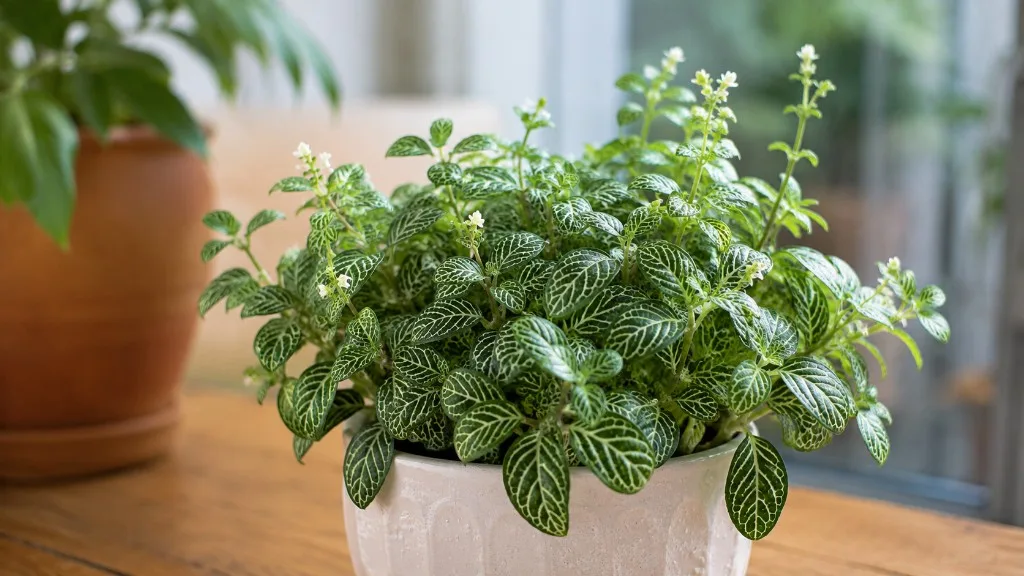
Fittonia Watering Guide: Moist Soil, Not Soggy
Fittonia Watering Guide: Moist Soil, Not Soggy
Fittonia watering sits on a narrow ledge. Fittonia albivenis - the nerve plant or mosaic plant - evolved on the shaded, humid forest floor of Peru and Colombia, where the soil stays damp but never stagnant. Indoors, that translates to a simple rule that is surprisingly hard to execute: keep the root zone consistently moist, not soggy - the RHS advises keeping compost moist with regular watering, while Missouri Botanical Garden warns that yellowing leaves may indicate overwatering on Fittonia. Miss by a day and the whole plant collapses in a theatrical wilt that looks fatal. Give it a little too much kindness in a pot with poor drainage and the roots suffocate quietly until yellow leaves and mushy stems tell you the damage is already done. This guide walks through the checks, methods, and recovery logic that turn Fittonia watering from a guessing game into a repeatable routine.
Why Fittonia Watering Confuses Even Careful Growers
Most houseplants tolerate a missed watering with a slight droop. Fittonia does not tolerate it with dignity. Its thin stems and small leaves lose turgor pressure fast, so a dry pot can look like a plant emergency within hours. That dramatic response trains growers to water at the first sign of limp foliage - which works until it does not, because the same collapse can appear when roots are already damaged from overwatering and cannot take up moisture even though the soil is wet.
The second source of confusion is advice that sounds contradictory until you read it in context. “Keep soil consistently moist” and “do not overwater” appear side by side in nearly every nerve plant guide, and both are correct. Moist means the mix holds even hydration with air still reaching the roots. Soggy means water has filled the pore spaces, oxygen is pushed out, and pathogens like Pythium species and other root-rot fungi find the conditions they prefer. Fittonia wants the first state and will punish both extremes.
A third trap is treating humidity and watering as the same task. High ambient humidity slows how fast the pot dries, which changes how often you need to water, but misting leaves or running a humidifier does not replace moisture at the root zone. A Fittonia in a steamy bathroom can still wilt if the soil ball has dried, and a plant in dry air may need water more often even if you mist daily. Watering well means reading the soil, the pot weight, and the room humidity together - not reacting to leaf drama alone.
What Consistently Moist Means (and What Soggy Looks Like)
For Fittonia, consistently moist does not mean wet surface soil seven days a week. It means the root zone never swings from bone-dry to flooded. Think of a sponge you have wrung out thoroughly but that still feels cool and slightly yielding in your hand - damp throughout, not dripping. That is the texture you are aiming for at root depth after each watering cycle completes its dry-down.
Soggy soil feels different in ways your fingers can learn quickly. The top may look dark and stay slick. A skewer pushed to the bottom comes out coated with mud-like mix instead of merely cool and faintly moist. The pot stays heavy for days without losing weight. In a cachepot or saucer, water sits long after you watered. Fittonia roots in that environment begin to brown and soften; fine feeder roots die first, which ironically makes the plant look thirsty because the remaining damaged roots cannot transport water efficiently.
The acceptable dry-down window is small. Most growers get the best results watering when the top 1/2 inch of mix has just begun to lose its wet sheen - not when the entire pot has dried. Waiting until the plant faints works as a backup signal, but repeated drought cycles stress roots and make the plant more brittle over time. Checking before the collapse is the gentler and more reliable approach.
The Well-Wrung Sponge Test
If moisture meters and skewers feel like overkill, use the sponge analogy as a tactile reference. After you water and the pot drains, poke your finger sideways into the mix at mid-pot depth once the surface has settled - not the same day you watered, but before the next watering is due. The mix should feel like a sponge that holds water without releasing it when squeezed. If it feels fluffy and dusty, you waited too long. If water squeezes out or the mix smears, you are in soggy territory.
Over a few weeks, pairing this mid-depth feel with the top 1/2 inch check calibrates your hand to this specific container. A 3-inch nursery pot in Fittonia light guide dries faster than a wide shallow bowl in a dim corner. The sponge test is not a universal calendar; it is a way to describe the target moisture band that keeps Fittonia’s fine roots active without drowning them.
How Often to Water Fittonia
There is no honest single answer to “every X days” that works in every home. As a starting range during active growth - spring through early fall - many Fittonia pots in typical indoor conditions need water roughly every 4 to 7 days. Terrariums, bathrooms, and rooms running humidifiers above 60% relative humidity often stretch toward the longer end of that range. Dry heated rooms, small pots in warm windows, and air-conditioned spaces that strip humidity can pull the schedule toward every 3 to 4 days.
Treat any number as a reminder to check, not a command to pour. Two identical Fittonia plants on the same shelf can dry at different speeds if one sits closer to a vent or in a porous terracotta pot while the other is in sealed plastic. The only reliable schedule is: check the top 1/2 inch and pot weight, then water or wait.
Winter slows the cycle. Growth eases, transpiration drops, and the same pot may need water every 7 to 14 days in a cool room. The mistake to avoid in winter is letting the plant go fully dry for long stretches because “it is dormant.” Fittonia does not want drought dormancy the way a succulent does. It wants a slower version of the same moist-not-soggy rhythm.
Active Growth vs Cool-Season Slowdown
From spring into summer, new leaves and runners signal that roots are actively pulling water. That is when underwatering on Fittonia shows up fastest as the famous Fittonia faint. Increase check frequency rather than increasing volume per watering - a thorough drink followed by proper drainage beats small daily splashes that never reach the lower root zone.
In fall and winter, back off frequency but not attention. A Fittonia near a heating register may still dry quickly despite slow growth, while one in a cool terrarium may stay moist near the surface while the center dries unevenly. Seasonal adjustment means observing how fast this pot dries now, not copying summer habits or assuming winter always means less water.
The Best Soil Moisture Checks Before You Pour
Calendar habits fail because they ignore what is happening inside the pot. Three checks, used together, prevent most Fittonia watering mistakes before they start.
The finger test at the top 1/2 inch remains the fastest daily tool. Insert your finger to the first knuckle. If the surface is still cool and clings slightly, wait. If it feels dry and lighter in color, it is time to water or schedule a bottom soak within the next few hours - not tomorrow, if the plant is already soft.
A wooden skewer or chopstick gives a deeper read without disturbing roots much. Slide it to the pot bottom, leave it ten seconds, pull it out, and feel the stick. Cool with faint moisture at depth means the root zone is still in the safe band. Bone dry at depth means you are overdue even if the surface looks acceptable. Persistently wet at depth after days without watering points to compacted or poorly drained mix - a setup problem, not a timing problem.
Pot weight is the check experienced growers trust most. Lift the pot right after a full watering and drainage cycle; note the heft. Lift it before each check. A noticeably light pot almost always means dry soil throughout. A heavy pot days after watering suggests slow drainage, an oversized container, or a cachepot holding runoff. Weight does not lie the way leaf posture sometimes does.
Finger, Skewer, and Pot Weight
Use the finger test daily or every other day during active growth. Use the skewer weekly or any time the plant looks off despite your usual rhythm. Use pot weight when you are learning a new container or after Fittonia repotting guide into fresh mix that dries differently than the old soil. A moisture meter can help beginners, but clean the probe between readings and verify against your finger until you trust the numbers. Meters misread in chunky mixes with bark and perlite.
The decision rule is straightforward: if the top 1/2 inch is dry and the pot feels light or the skewer pulls dry at mid-depth, water thoroughly. If the top is dry but the pot is still heavy and the skewer shows moisture below, do not water - investigate drainage instead. If the top is moist and the plant is wilted, suspect root damage or low humidity before adding more water.
Top Watering Fittonia: Technique That Protects Roots
Top watering is the default method and works well when done with drainage discipline. Remove decorative cachepots before watering. Use room-temperature water - cold tap water can shock fine tropical roots and contributes to leaf spotting on some cultivars. Apply water slowly at the soil surface, moving around the pot until excess runs freely from the drainage holes. That flush ensures the entire root ball receives moisture, not just the top inch.
Stop when water runs clear through the bottom, then let the pot sit in a sink or tub for ten to twenty minutes so any perched water finishes draining. Empty the saucer completely afterward. Fittonia roots want moist mix, not a reservoir of standing water beneath the pot. Leaving a saucer full “so the plant can drink later” is one of the fastest routes to root rot on Fittonia, especially in low light where evaporation is slow.
Avoid routinely drenching the foliage if you can. Wet leaves in high humidity setups - terrariums especially - invite fungal spotting and mold on delicate tissue. If leaves do get splashed, gentle air circulation helps them dry. A shower-style flush occasionally to clean dust from patterned leaves is fine; just let the plant drain fully before returning it to a closed container.
After top watering, expect the surface to darken immediately and the pot to feel heavy. The dry-down clock starts then. Your next check happens when the top 1/2 inch begins to lighten and lose that cool damp feel, not when the plant faints.
Bottom Watering Fittonia: Step-by-Step
Bottom watering uses capillary action: the dry mix wicks water upward through the drainage holes until the root zone is evenly moist. Many Fittonia growers alternate bottom watering with an occasional top flush to prevent salt buildup and to rinse the surface where fungus gnats lay eggs.
To bottom water, choose a shallow tray, basin, or sink that holds water below the pot rim. Remove cachepots. Set the nursery pot in the tray and add room-temperature water to about one-third the pot height - enough that the bottom holes are submerged but the soil surface is not flooded from above. Leave the pot in place for 15 to 20 minutes in small pots, up to 45 to 60 minutes for larger containers or very dry mix.
When the surface darkens and feels moist to a finger touch, lift the pot out, let it drain in the sink for ten minutes, and empty any saucer. Never return a dripping pot to a sealed decorative outer pot. Bottom watering succeeds when drainage is excellent; it fails when holes are blocked or the mix is so compacted that wicking cannot reach the center.
When Bottom Watering Is the Better Choice
Bottom watering shines in terrariums and tight displays where reaching the soil surface is awkward or where top splashing would soak neighboring plants. It also helps growers who tend to pour too fast and erode the shallow root zone - wicking delivers water steadily from below. It is a strong option after the mix has dried slightly unevenly, because sustained wicking can rehydrate a hydrophobic dry pocket better than a quick top splash.
Bottom watering is not a workaround for missing drainage holes. Without holes, water still accumulates at the bottom with no escape, and root rot risk rises. It is also not a daily method for most homes. Alternating bottom and top watering - for example, bottom water two cycles, then one top flush-through - keeps moisture even while leaching excess salts from fertilizer use.
Fittonia’s Dramatic Wilt and Quick Recovery
Few plants perform wilt as convincingly as Fittonia. Stems that were upright an hour ago lie flat against the pot rim; leaves look limp and fragile enough to crumble. New growers often assume the plant is dead. In most cases where the soil has simply dried, it is not - it is dehydrated, and hydration returns fast once the roots can drink again.
When dry soil is the cause, water thoroughly using top or bottom method, drain completely, and place the plant back in its usual spot. Recovery often begins within 15 to 30 minutes, with full perk-up commonly within one to two hours - the RHS notes Fittonia wilts dramatically when dry but recovers after watering. The speed surprises people the first time and leads them to believe Fittonia needs constant flooding. It does not - it needs consistent moisture before collapse, not rescue watering as a lifestyle.
If the plant wilts repeatedly every two or three days despite faithful watering, the problem is usually environmental - low humidity, excessive heat, a pot too small, or roots filling the container - rather than moral failure on your part. Address the drying speed instead of increasing water volume.
Dry Soil Collapse vs Wilting With Wet Soil
The diagnostic fork that saves Fittonia lives here. Dry-wilt: soil is light, top mix is dry, skewer pulls dry, plant collapses. Water, drain, wait 30 minutes. Moist-soil wilt: mix is wet at depth, pot is heavy, plant still limp after watering, lower leaves yellow, stems soft at the soil line. Do not add water. That pattern suggests root rot, fungus gnat larval damage, or severe root loss from past overwatering.
For moist-soil wilt, unpot carefully, inspect roots, trim mushy brown tissue with clean scissors, let the root ball air for an hour, and repot into fresh airy mix in a pot with drainage. Hold off watering two to three days unless the remaining roots were mostly dry. Recovery is slower and not guaranteed if most of the root system has rotted. Catching the distinction early prevents watering a drowning plant - the mistake that finishes what soggy soil started.
Humidity and Watering: The Connection Most Guides Skip
Fittonia prefers high humidity for its best foliage, and the Missouri Botanical Garden notes its native rainforest-floor habitat and recommends humidifiers or pebble trays when air is dry. Humidity does not replace watering, but it changes how fast water leaves the plant through transpiration. In dry air below 40%, leaf edges crisp and the pot dries faster even if you water on the same schedule - so the plant needs more frequent checks, not necessarily more water per session.
In high humidity - closed terrariums, steamy bathrooms, rooms with humidifiers - transpiration slows and the soil stays wet longer after each drink. That is where overwatering sneaks in on growers who water on a summer calendar while the plant sits in winter-like humidity. The fix is to extend the interval between waterings while keeping the moist-not-soggy target at root depth, not to stop checking entirely.
Misting is a humidity supplement, not a root watering method. Brief misting raises local humidity for minutes to an hour depending on airflow. It will not rehydrate a dry root ball and can encourage leaf problems if water sits on foliage overnight. Pair misting or pebble trays with proper soil watering for a plant that both looks and feels hydrated.
Terrariums, Bathrooms, and Supplemental Humidity
Terrariums create a feedback loop: slower dry-down, less frequent watering, higher risk of stagnant soil if drainage is poor. Use a thin layer of gravel or leca beneath the soil if your terrarium design allows, and never seal a completely saturated pot inside glass. Open the container briefly after watering to let excess moisture equilibrate if condensation runs down the walls constantly.
Bathrooms with bright indirect light can be ideal Fittonia rooms because humidity from showers spikes regularly. Still check soil - a plant on a windowsill away from shower steam may be in dry air while the room feels humid overall.
Pebble trays and humidifiers reduce how often you need to rescue a fainting plant but do not eliminate soil checks. A humidifier set to 60% near the plant is one of the most effective tools for growers in heated or air-conditioned homes where winter air is brutally dry.
Preventing Root Rot Before It Starts
Root rot is the serious failure mode behind most Fittonia losses that are not simple drought. Pathogens thrive in oxygen-poor, continuously wet mix. Prevention is structural and habitual: give roots air, water thoroughly but not repeatedly into already wet soil, and never let the pot sit in a puddle.
Start with a pot that has drainage holes - non-negotiable for long-term success, because Missouri Botanical Garden links rots to overwatered conditions. A decorative pot without holes is a vase, not a home for Fittonia. If you use a cachepot, lift the nursery pot out to water, drain, then slide it back. Check that the cachepot bottom is dry; wipe standing water every time.
Use a well-draining, moisture-retentive mix - peat or coco coir with perlite and fine bark - rather than heavy garden soil or pure peat that compacts. Compaction removes air pockets; without air, roots die and rot follows even if you water “correctly” by volume.
Water only when checks say the top 1/2 inch has begun to dry and the pot is not still heavy from the last session. After watering, empty saucers. If you bottom water, still drain before returning the pot to its spot. When in doubt, wait half a day and re-check rather than adding water to a plant that might already be wet at depth.
Drainage, Pot Choice, and Standing Water
Pot material changes dry speed. Unglazed terracotta pulls moisture through its walls and can help prevent soggy centers in skilled hands, but it also dries fast in hot rooms - Fittonia may faint more often unless you check daily. Plastic nursery pots retain moisture longer and suit beginners who tend to underwater. Glazed ceramic with one drainage hole behaves similarly to plastic if the hole is clear.
Standing water in outer pots is the silent killer. After every watering event, lift, look, empty. If you notice sour smell, white mold on the soil surface, or fungus gnats hovering constantly, pull the plant, inspect roots immediately, and adjust before repotting becomes emergency surgery.
Overwatering and Underwatering: Symptom Guide
Underwatering shows up as sudden whole-plant collapse, crispy brown leaf edges, and dry mix throughout the pot. Recovery after a full drink is rapid if roots are healthy. Repeated underwatering weakens fine roots and can make the plant faint on shorter intervals over time.
Overwatering is slower and sneakier. Yellowing of leaves while the plant may still wilt often signals chronic wetness rather than thirst. Stems soften at the soil line. The mix stays wet without drying on your normal schedule. White mold or algae may appear on the surface. Fungus gnats increase because larvae feed in constantly moist organic mix. When you unpot, roots are brown, mushy, and smell unpleasant instead of firm and white or tan.
A useful tiebreaker: limp plus dry soil means drink; limp plus wet soil means stop watering and inspect roots. Yellow leaves alone can mean either extreme or natural aging of lower foliage - pair color change with soil moisture and stem firmness before deciding.
Leaf tip browning often tracks low humidity or fertilizer salt buildup as much as watering volume. If soil checks are perfect and the plant still crisps at edges, raise humidity and consider an occasional top flush to leach salts rather than increasing water frequency.
Seasonal Adjustments and Common Mistakes
Spring and summer reward attentive checking with steady growth. Fall and winter demand restraint on frequency but not neglect - a Fittonia allowed to go fully dry in a cold room loses leaves it may not replace until warmth returns. Move plants away from heating vents that desiccate foliage in hours, and away from cold window glass that chills the root zone while the sun briefly warms the leaves.
Common mistakes worth naming plainly because they recur in every Fittonia forum thread: watering on a fixed weekly calendar without touching the soil; leaving saucer water sitting; using a pot with no holes because it looks better; misting instead of watering when the plant faints; watering a wilted plant without checking whether soil is already wet; using cold water straight from the tap; and repotting into a much larger pot that stays wet for weeks after each watering.
After repotting, expect the fresh mix to dry unevenly until roots explore the new space. Check more often for the first three weeks, not less. After rescuing a rot-damaged plant, reduce watering frequency until new root growth supports normal uptake - patience matters more than enthusiasm.
Conclusion
Fittonia watering comes down to a rhythm anyone can learn: keep the root zone consistently moist like a well-wrung sponge, never soggy; check the top 1/2 inch and pot weight instead of obeying a calendar; water thoroughly from the top or bottom, then drain completely; and read wilt correctly - dry soil collapse recovers in minutes, while wilt with wet soil demands root inspection, not another pour. Humidity shapes how fast the pot dries, so a steamy terrarium and a dry heated room need different intervals even for the same plant size. Prevent root rot with drainage holes, empty saucers, and airy mix, and Fittonia rewards you with the vivid patterned foliage that made you pick it up in the first place. Master the check-first habit and this dramatic little plant stops being stressful and starts being satisfying.
When to use this page vs other Fittonia guides
- Fittonia overview - Start here for whole-plant context before deep-diving this topic.
- Fittonia problems hub - Jump to symptom-specific fix guides when this care topic does not resolve the issue.
- Overwatering on Fittonia - Escalate here when watering adjustments are not enough.
- Underwatering on Fittonia - Escalate here when watering adjustments are not enough.
- Root Rot on Fittonia - Escalate here when watering adjustments are not enough.
Related Fittonia guides
- Fittonia overview
- Fittonia light
- Fittonia soil
- Fittonia propagation
- Fittonia fertilizer
- Fittonia repotting
- Overwatering on Fittonia
- Underwatering on Fittonia
- Root Rot on Fittonia
- Wilting on Fittonia
- Drooping Leaves on Fittonia
- Mold on Soil on Fittonia
Related tool
Try the Plant Watering Calculator with fittonia pre-selected to estimate needs for your setup.