Best Soil for Fittonia: Peat-Perlite Mix Guide
Best Soil for Fittonia: Peat-Perlite Mix Guide
Best Soil for Fittonia: Peat-Perlite Mix Guide
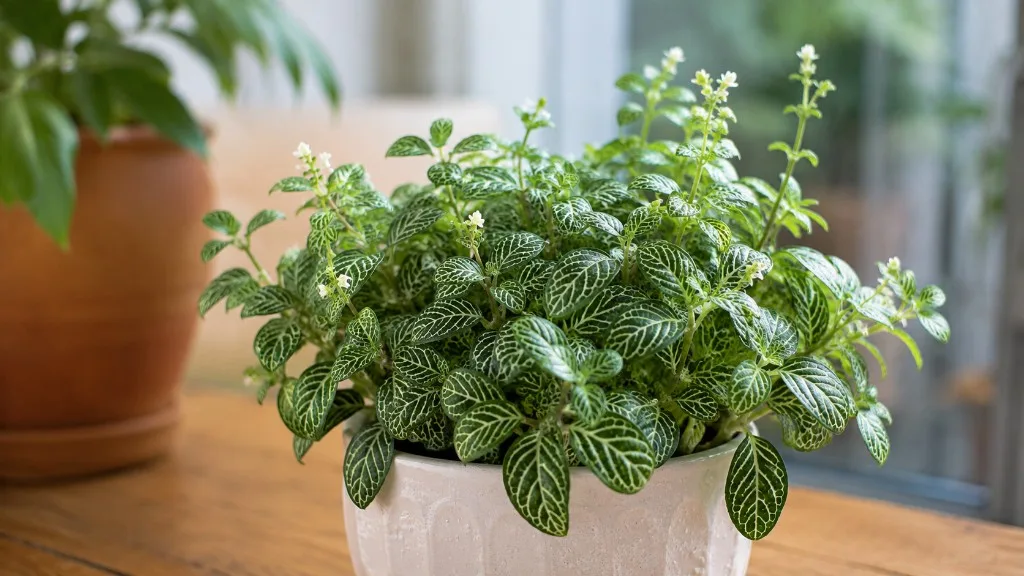
Fittonia soil sits at an awkward midpoint most houseplant guides gloss over. Fittonia albivenis - the nerve plant or mosaic plant - wants the root zone consistently damp, not bone-dry for days and not sitting in stagnant water for a week. Its native habitat is the humid rainforest floor of Peru and Colombia, where leaf litter and fine organic debris hold moisture in a loose, airy layer that never compacts into clay. Indoors, the closest analogue is a moisture-retentive but well-draining peat-perlite mix (or a coco coir equivalent) in a pot with drainage holes - or a lighter, chunkier blend in a terrarium where ambient humidity does half the watering work for you.
Missouri Botanical Garden recommends growing Fittonia indoors in a peaty or soil-based potting mixture, sited in Fittonia light guide with high humidity (Missouri Botanical Garden - Fittonia albivenis). The Royal Horticultural Society adds the modern detail: use moisture-retentive, peat-free houseplant compost when Fittonia repotting guide, in a container only slightly larger than the rootball (RHS - How to grow fittonia). Both sources agree on the balance - hold moisture, drain freely, avoid dense substrate - even if the exact recipe varies.
The practical target for most open pots is 2 parts peat moss or coco coir, 1 part quality indoor potting mix, and 1 part perlite, adjusted until the blend feels light and fluffy in your hand. Target pH 6.0–6.5. Water when the top inch of mix dries, not when the whole plant has already collapsed into its famous dramatic wilt. Pair that mix with 60–90% humidity where you can, and never repot into heavy, compacted garden soil or unamended bagged mix that turns into a wet brick after six months.
This guide covers why Fittonia soil structure matters, exact DIY ratios, how terrarium setups change the recipe, commercial alternatives, repot timing, substrate layers for enclosed gardens, and the soil mistakes that cause more damage than using an imperfect blend ever would.
Why Fittonia Roots Need Consistently Damp - Not Soggy - Soil
Fittonia is a low, creeping ground cover in the wild - stems root at nodes, leaves stay small, and the whole plant spreads as a mat roughly 3–6 inches tall rather than building a deep taproot. Those fine, shallow roots explore the top few inches of substrate where humidity stays high and oxygen still moves through loose organic matter. They did not evolve for the bottom of a saturated pot where water displaces air for days after each watering.
That biology explains the nerve plant’s most famous behavior: dramatic wilt within hours of drying out, followed by remarkably fast recovery once you water again. Growers often misread that wilt as a watering-frequency problem when it is actually a substrate water-holding problem. Mix that dries unevenly - wet at the bottom, dust at the top - lets the fine root mat desiccate even if you watered “on schedule.” Mix that stays soggy at the bottom starves roots of oxygen and produces yellow leaves, mushy stems, and sour-smelling soil that Missouri Botanical Garden associates with overwatering on Fittonia in Fittonia overview.
The goal is not “wet soil.” The goal is evenly moist, open structure - what experienced growers describe as consistently damp rather than constantly wet. Peat or coco coir supplies the retention; perlite supplies the air pockets that keep the blend from collapsing. Skip either side of that partnership and Fittonia becomes either a diva that faints twice a week or a slow-motion rot case that only shows damage after the mix has already failed.
Humidity matters here too, but it does not replace good soil. High air moisture reduces how fast the surface dries, which gives roots more time between drinks - which is why Fittonia is a classic terrarium plant and why bathrooms and kitchens often outperform dry living rooms with identical mix. Even in a steamy room, though, heavy compacted soil still holds too much water at the root zone and still breaks down into anaerobic mud. Fix the substrate first; add humidity second.
What Makes a Good Fittonia Soil Mix
A good soil for Fittonia balances three forces that pull in different directions: moisture retention (the plant does not desiccate between waterings), drainage (excess water exits the pot), and aeration (roots access oxygen between drinks). Pure retention - dense peat with no amendments - feels perfect the day you repot and becomes a compacted sponge within a year. Pure drainage - unamended cactus mix in a dry, bright room - dries so fast that you chase wilt every two days unless humidity is very high.
The mix should feel light and fluffy when moist, not like wet clay or dry sand. When you squeeze a handful, it should clump lightly then crumble - a useful field test growers call the squeeze test. You should see white perlite flecks distributed evenly through darker organic matter. When you water thoroughly in an open pot, excess should exit the drainage holes within minutes, not pool on the surface for an hour while the bottom stays mysteriously dry on the first watering after repotting.
Fittonia is a slow to moderate grower indoors, which can hide soil problems for months. A plant in slightly heavy mix under low light may look merely “quiet” until a cold draft, an extra watering, or a repot into an oversized pot triggers sudden collapse. Good fittonia soil mix design is therefore not only a recipe but a system you monitor - checking top-inch dryness, sniffing the root zone for sour smells, and refreshing structure before peat breaks down into fine, waterlogged particles.
Moisture Retention, Drainage, and Aeration Together
Moisture retention keeps the fine root mat hydrated between waterings. Sphagnum peat and coco coir hold water in their fiber structure and release it gradually as the pot approaches dryness. Fittonia uses that buffer constantly; it does not tolerate the feast-or-famine cycle that succulents prefer.
Drainage is how fast water moves through the pot after a thorough watering. In open containers, Fittonia still needs a drainage hole - non-negotiable for long-term health. Drainage depends on particle size, perlite content, pot depth, and how compacted the mix has become - not on a layer of gravel at the bottom, which does not improve physics in a meaningful way and can shorten the effective root zone.
Aeration is the air space between particles. When water fills every pore for extended periods, root tips die back and fungal issues gain an edge. Perlite creates stable macropores that resist collapse better than fine peat alone. A small amount of orchid bark or coarse horticultural sand can add texture that mimics forest-floor debris, but perlite is the primary aeration tool in most home recipes.
| Property | What Fittonia needs | What goes wrong when missing |
|---|---|---|
| Moisture retention | Even dampness in the top 2–3 inches between waterings | Dramatic wilt, brown crispy leaf margins, stunted new growth |
| Drainage | Excess water exits within minutes of a full soak | Yellow leaves, mushy stems, sour soil smell, root rot on Fittonia |
| Aeration | Visible perlite pockets; mix crumbles when squeezed | Slow decline under “correct” watering; chronic bottom wetness |
| Structure stability | Mix stays open 12–18 months before breaking down | Surface dries fast while bottom stays wet; unpredictable wilt cycles |
The Best DIY Fittonia Soil Recipe
The best fittonia soil mix for most open pots starts from three components you can buy at any garden center: peat moss or coco coir for retention, perlite for drainage and aeration, and quality indoor potting mix for baseline nutrients and texture. Avoid garden soil, topsoil, or “outdoor planting mix” - they are too dense, may carry pathogens, and compact under indoor watering patterns.
A reliable starting recipe that works in typical home humidity:
- 2 parts sphagnum peat moss or coco coir (pre-moisten coir before mixing)
- 1 part indoor potting mix or peat-free houseplant compost
- 1 part perlite
Mix thoroughly in a tub until perlite is distributed evenly - not clustered on top after repotting. The finished blend should look speckled, feel spongy, and pass the squeeze test: clumps lightly, then falls apart. If it holds a tight ball like modeling clay, add perlite. If it will not hold together at all and water runs through instantly, add a little more peat or coir.
For growers who prefer volume measurements over parts, a single 6-inch pot repot might use roughly 1 cup coir, ½ cup potting mix, and ½ cup perlite, scaled up for larger batches. Consistency matters more than precision to the gram; Fittonia forgives small ratio shifts more than it forgives heavy, compacted commercial mix straight from the bag.
Optional additions in small amounts - not requirements:
- 1–2 tablespoons worm castings per quart of mix for gentle nutrition at repotting
- A handful of orchid bark per quart for extra texture in very humid rooms where the mix stays wet too long
- Horticultural charcoal - more useful in closed terrariums than open pots, where it helps limit odor and bacterial buildup in stagnant pockets (see terrarium section below)
Do not add slow-release fertilizer granules at full dose into a small Fittonia pot unless you understand salt buildup risk. A light worm-casting amendment or liquid feeding during active growth is safer for a plant this small.
Peat, Perlite, and Base Ratios That Work
Ratios are starting points; your home environment gets the final vote. Use these as decision anchors:
- Standard open pot (40–60% room humidity): 2:1:1 coir or peat : potting mix : perlite
- Dry home or bright window (mix dries fast): 2:1:½ - slightly less perlite, or add a thin top mulch of sphagnum moss on the surface to slow evaporation
- Humid bathroom or terrarium-adjacent shelf: 2:1:1½ - extra perlite or bark if the pot stays wet more than five days after watering
- Closed terrarium planting: 1:1 coir : perlite with no dense potting soil, sometimes with a sprinkle of charcoal mixed in
Peat moss acidifies slightly and holds moisture efficiently; coco coir is the sustainable swap RHS emphasizes, with similar retention but a neutral pH and faster initial drying if not pre-moistened. Either works. What does not work is unamended peat alone - it compacts, sheds water when dry, and becomes hydrophobic after a drought cycle, exactly the pattern that triggers Fittonia’s collapse-wilt cycle.
Perlite percentage is the main dial. 15–25% perlite by volume is the sweet spot for most nerve plant pots. Below that, structure collapses too fast. Above that in a dry room, you may water daily just to keep the top inch from turning to dust.
Adjusting Your Mix for Pots vs Terrariums
The same species in a 6-inch pot on a desk and a closed glass terrarium experiences radically different drying physics. Terrarium humidity often runs 70–90%, which slows evaporation from both leaves and soil surface. Open pots in air-conditioned rooms may sit at 30–40% humidity, pulling moisture out of mix twice as fast. The recipe is not one-size-fits-all; the retention-to-drainage ratio shifts with the container system.
In open pots, prioritize a mix that holds moisture in the top half while still draining from the bottom. That is the 2:1:1 peat-perlite base with a drainage hole, watered when the top inch dries. Fittonia in hanging baskets follows the same logic - trailing stems do not change root needs, though baskets often dry faster from air circulation around the pot walls.
In terrariums, prioritize lighter, chunkier substrate with less dense potting soil. Closed systems recycle moisture; a heavy peat-rich blend stays wet too long at the base and invites gray mold, gnats, and stem rot even when the plant looks lush on top. Many experienced terrarium builders use equal parts coco coir and perlite, optionally with charcoal, planted directly on a drainage layer rather than in a separate plastic pot with holes - because the “pot” is the entire enclosed floor.
Open Terrariums vs Closed Containers
Closed terrariums recycle moisture through condensation - use more perlite, less bagged soil, and water only lightly at planting. Constant fog and shiny wet soil weeks later mean the mix is too heavy or the jar too sealed. Open terrariums use the standard 2:1:1 recipe with normal top-inch checks. Tall narrow vessels need a drainage layer and shallow soil because moisture sinks and condenses at the bottom. Bright indirect light only - direct sun on glass cooks roots. Missouri Botanical Garden notes dwarf forms are suitable for terrariums because the humidified atmosphere matches their native preference (Missouri Botanical Garden - Fittonia albivenis).
Key Ingredients and What Each One Does
Each component solves a specific problem. Sphagnum peat moss anchors moisture and buffers toward pH 6.0–6.5, but compresses over time and turns hydrophobic if allowed to go bone dry - refresh before breakdown. Coco coir is the peat-free swap RHS recommends; pre-moisten it before blending or dry coir repels water on the first soak.
Perlite is the anti-compaction tool - expanded volcanic glass that keeps air channels open without holding nutrients. Without it, bagged potting mix fails Fittonia within a year. Use indoor potting mix or peat-free houseplant compost as a minority fraction for baseline organic matter, never as the whole pot. Orchid bark adds forest-floor texture in humid rooms; skip it where mix already dries too fast. Vermiculite holds moisture like peat but compacts faster than perlite - useful in dry homes in small amounts, risky in closed terrariums. Worm castings (a tablespoon per small pot) and horticultural charcoal (5–10% in sealed terrariums only) are optional extras, not substitutes for perlite or drainage layers.
Soil pH and Mineral Sensitivity for Fittonia
Fittonia prefers slightly acidic to neutral soil, roughly pH 6.0–6.5 - most peat-based and coir-based mixes land there without adjustment. Hard water can leave white crust and contribute to brown tips over time; flush with rainwater or refresh mix rather than stacking fertilizer. Do not add lime or sulfur to a 4-inch pot without testing - fresh mix at repotting and occasional flushing handle drift safely. Yellow leaves usually signal overwatering and poor drainage first (Missouri Botanical Garden - Fittonia albivenis), not pH trouble - diagnose structure before chasing chemistry.
Pots, Drainage Holes, and How They Change Drying
Every open-container Fittonia needs a drainage hole - without one, water pools at the bottom and roots lose oxygen even with “light” watering. Choose a pot only slightly larger than the rootball; RHS warns against overpotting, which surrounds small roots with wet, unused mix (RHS - How to grow fittonia). A wide shallow pot often dries more evenly than a tall narrow one. Terracotta dries mix faster; plastic and glazed ceramic retain moisture longer - match pot type to your room’s humidity. Cachepots work only if you remove the inner pot to water, let it drain fully, and never leave it sitting in runoff. Gravel at the bottom does not protect roots from wet mix above - put perlite in the blend instead.
Signs Your Fittonia Soil Is Failing
Soil problems show up through patterns, not single leaves. Dramatic wilt that recovers within an hour of watering means the mix dried too fast or unevenly - too much perlite, low humidity, or hydrophobic peat that repelled water. Yellow leaves with mushy stems and a sour smell indicate chronic wetness from heavy mix, no drainage hole, or watering before the top inch dried - Missouri Botanical Garden lists yellowing as a possible overwatering signal (Missouri Botanical Garden - Fittonia albivenis).
Brown crispy edges with firm stems usually pair low humidity with surface-dry mix. Channeling - water running down pot sides without wetting roots - comes from compacted or shrunken mix; flush, poke the crust, or repot. Slow pale growth, persistent fungus gnats, and a pot that stays heavy a week after watering all point to structure failure. Run the one-minute drainage check after every full soak: water should exit the bottom within minutes, or the mix needs more perlite, a smaller pot, or a full refresh.
When to Repot or Refresh the Mix
Fittonia is slow-growing and can stay in the same pot several years if the mix stays structurally sound - RHS notes they can remain in original containers for extended periods when healthy (RHS - How to grow fittonia). Repot when there is a root-zone reason, not because a leaf drooped once.
Repot when:
- Roots circle densely at the surface or emerge from drainage holes
- Mix compacts, smells sour, or channels water down the sides
- Plant wilts faster than it used to despite the same care
- You see salt crust or algae mat on the soil surface
- Pests or mold persist in the root zone after other fixes
Avoid repotting a badly wilted or recently collapsed plant until it has rehydrated and firmed up for a few days - repotting stressed Fittonia often breaks fine roots and extends recovery. Exception: if mix is obviously rotting or smells swampy, repot immediately into fresh, slightly drier mix and trim mushy roots with clean scissors.
Best timing is spring and early summer when growth picks up. Winter repotting works in warm, bright indoor setups but proceed gently - less root disturbance, no fertilizer for several weeks.
How to Tell the Mix Has Broken Down
Peat and coir decompose under repeated watering, losing the air pockets perlite once preserved as fine organic matter fills gaps. Signs of breakdown:
- Mix surface crusts or shrinks away from pot edges
- Top dries in one day while bottom stays wet for a week
- White perlite floats to the top while dark sludge accumulates at the bottom
- Squeeze test fails - wet handful forms a tight, shiny ball that does not crumble
- Repotting same recipe “does not work anymore” in a pot you have used 18+ months
Refresh timing for typical indoor Fittonia: every 12–24 months in small pots, every 2–3 years if growth is slow and drainage checks still pass. Terrarium plantings may need less frequent full refresh but benefit from top-dressing with fresh coir-perlite if algae or compaction appear.
Step-by-Step: Repotting into Fresh Mix
Repot Fittonia gently - stems snap and roots are fine. Water lightly the day before if mix is dust-dry; let soggy mix dry slightly first. Choose a pot one size up at most, often the same pot with fresh mix. Blend 2:1:1 coir or peat, potting mix, and perlite with pre-moistened coir. Tip the pot and support the rootball with your hand - never pull by stems. Tease outer roots, trim black or mushy tissue with clean scissors, and shake off loose old mix without stripping every fiber. Set the plant at the same depth as before, fill around it without packing firmly, water lightly to settle, and discard saucer runoff. Hold fertilizer 4–6 weeks and keep high humidity with bright indirect light. Minor wilt for a day is normal; a clear bag tent for 3–5 days helps recovery if humidity is low.
Terrarium Substrate Layers and Setup Notes
Terrarium plantings reward layered construction. From bottom to top: a 1–2 inch drainage layer of LECA, gravel, or coarse sand; an optional mesh or sphagnum barrier to keep fine mix from sifting down; a thin charcoal sprinkle in closed jars for odor control; then 2–3 inches of growing substrate - typically 1:1 coco coir and perlite, lighter in very humid sealed containers. Avoid heavy bagged potting soil as the main fraction.
Plant Fittonia at the same depth as before, firm lightly without compressing, and mist plus light soak until a few drops reach the drainage layer - not until water pools on the surface. Closed terrariums often need no further watering for weeks; watch condensation and soil color instead. Open the lid briefly if fog never clears. Pair Fittonia with ferns, peperomias, and other humidity lovers, not succulents that rot in the same damp substrate.
Commercial Mixes vs DIY for Nerve Plants
Commercial options work when you amend them. Standard indoor potting mix from the bag is too dense alone - cut it 50/50 with perlite or use 2 parts mix to 1 part perlite and run the squeeze test. Peat-free houseplant compost plus 25% perlite matches RHS guidance for repotting. African violet or terrarium blends need extra perlite in open pots and 50/50 perlite cutting in closed jars, or skip them for plain coir-perlite.
Orchid bark mixes drain too fast as the sole substrate unless humidity is very high - use as an amendment only. Cactus mix is wrong for open-pot Fittonia in dry rooms; a small fraction can open an overly wet terrarium blend. Tropical or fern mixes from reputable brands often work with label-checking and a post-repot drainage test. DIY wins when you control perlite percentage; commercial wins for speed - but never use unmodified bagged soil.
Common Fittonia Soil Mistakes
The worst errors repeat across every wilted nerve plant on social media. Garden soil and outdoor topsoil compact and carry pests - use greenhouse-grade structure only. Unamended bagged mix fails silently as peat collapses; always add perlite. Heavy mix “because Fittonia likes moisture” creates rot - retention needs drainage as a partner. Oversized pots surround small roots with wet, unused volume. Pots without drainage holes cause yellow leaves and sour mix faster than any other single mistake.
Gravel layers do not fix saturation in the root zone - perlite in the mix does. Repotting stressed plants into wet, cold mix extends shock; use room-temperature, slightly moist blend in spring. Sealed terrariums filled with pure potting soil invite mold within weeks. Bone-dry peat turns hydrophobic and repels water. Succulent-style “dry completely” advice destroys fine roots - check the top inch instead. Decorative top rocks hide problems until stems collapse.
Soil, Watering, and Humidity Working Together
Fittonia soil performs as part of a trio: water when the top inch dries, maintain 60–90% humidity, and provide bright indirect light. High humidity slows drying - you may need more perlite or less frequent watering. Dry air pulls moisture from mix faster - add retention, a pebble tray, or a terrarium rather than watering into soggy bottom soil twice as often. Misting leaves helps briefly but does not fix compacted substrate. When troubleshooting, change one variable at a time: drainage hole and top-inch check first, then mix texture, humidity, and light.
Conclusion
Fittonia soil succeeds when it stays evenly damp, light, and airy - the peat-perlite (or coir-perlite) partnership that mimics a humid rainforest floor without turning your pot into a swamp. Build from 2 parts peat or coco coir, 1 part indoor potting mix, and 1 part perlite for open containers; go lighter and chunkier in closed terrariums, with drainage layers and optional charcoal where humidity recycles water back into the substrate.
Avoid heavy compacted soil, garden dirt, unamended bagged mix, and oversized pots without drainage holes. Watch for dramatic wilt (too dry or hydrophobic mix) versus yellow mushy stems (too wet and anaerobic). Refresh the blend when the squeeze test fails or the top inch dries in a day while the bottom stays wet. Repot gently in spring, size pots to the rootball, and let soil structure, Fittonia watering guide, and humidity work as one system.
Get the mix right and Fittonia stops performing its collapse routine every Tuesday. It keeps the veined leaves upright, grows slowly but steadily, and becomes the low-maintenance humidity lover it was always marketed as - provided the roots live in damp, open ground, not wet concrete.
When to use this page vs other Fittonia guides
- Fittonia overview - Start here for whole-plant context before deep-diving this topic.
- Fittonia problems hub - Jump to symptom-specific fix guides when this care topic does not resolve the issue.
- Root Rot on Fittonia - Escalate here when soil adjustments are not enough.
- Mold on Soil on Fittonia - Escalate here when soil adjustments are not enough.
Related Fittonia guides
- Fittonia overview
- Fittonia watering
- Fittonia light
- Fittonia propagation
- Fittonia fertilizer
- Fittonia repotting
- Root Rot on Fittonia
- Mold on Soil on Fittonia
- Fittonia problems
Related tool
Try the Soil Mix Calculator with fittonia pre-selected to estimate needs for your setup.