Dahlia Watering Guide: Schedule, Soil Checks & Rot
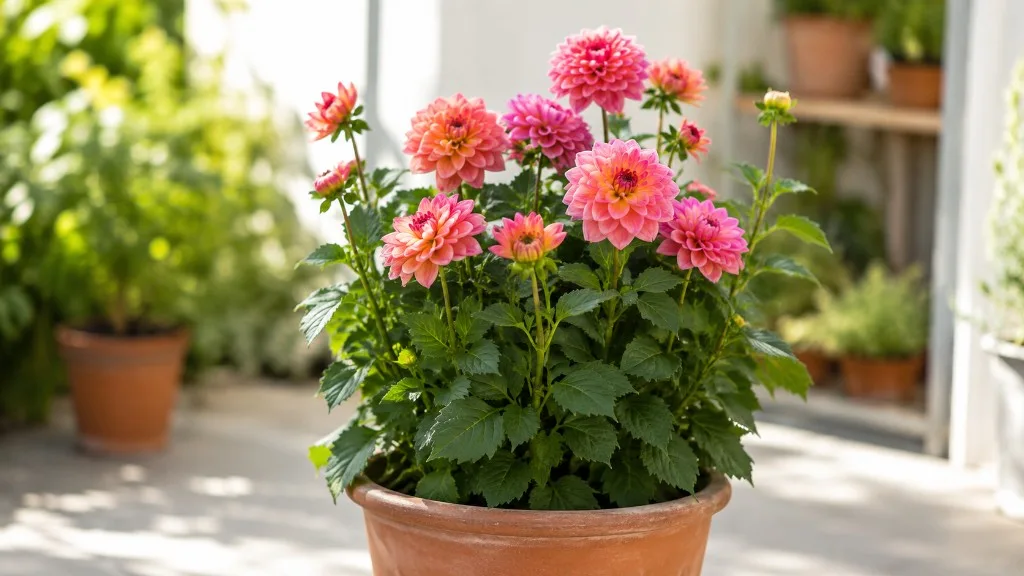
Dahlia Watering Guide: Schedule, Soil Checks & Rot Prevention
Dahlia Watering Guide: Schedule, Soil Checks & Rot Prevention
Dahlia watering looks simple on paper - keep the soil moist, give the plant a drink when it wilts - and then reality arrives. You plant a tuber, water it faithfully, and nothing sprouts except a sour smell from the soil. Or you run a soaker hose twice a week, watch the foliage stay green, and wonder why the blooms are small and sparse. Or the leaves droop every afternoon, and you cannot tell whether you should add water or back off because the top inch already feels damp.
Dahlias are thirsty plants once they are established, but they are unforgiving about timing at the start of the season and unforgiving about drainage at every stage. The tuber stores energy and sends up stems that can reach well over a metre on large varieties, which means the root system needs deep, consistent moisture during active growth - not a daily sprinkle that wets only the surface. At the same time, a tuber sitting in cold, saturated soil before it has roots to pull water will rot faster than you can replant.
This guide walks through the full watering arc: protecting tubers before sprouts appear, building a deep-watering routine for established plants, adjusting for garden beds versus containers, and reading the signs that separate drought stress from overwatering on Dahlia. If you follow one principle, make it this: check the root zone, water deeply at the base, and never let the tuber stage and the bloom stage share the same schedule.
Why Water Timing Matters More Than a Fixed Calendar for Dahlias
A calendar tells you what day it is. It does not tell you whether your clay bed held yesterday’s rain for three days or whether your black plastic pot lost half its moisture by noon. Dahlias respond to root-zone moisture, air temperature, soil texture, wind exposure, and growth phase - variables that change week to week even in the same garden.
That is why experienced growers talk about “consistent moisture” rather than “every Tuesday and Friday.” Consistent moisture means the soil around the tuber and feeder roots stays evenly damp through the active season without swinging between bone dry and waterlogged. Oregon State University Extension puts it plainly in its dahlia bulletin: ideally, keep soil consistently moist - never soggy and never dried out completely. Your soil type and climate determine how often you must irrigate to hit that target, not a printed schedule on a seed packet.
The stakes are higher than with many ornamentals because the storage organ is the same structure that roots from. Rot at planting does not just slow growth; it can destroy the tuber before you see a single leaf. Later in the season, drought stress reduces flower size and bud retention, while chronic overwatering rots roots and produces the confusing sight of a wilted plant in wet soil. Timing and depth matter as much as volume.
How Dahlia Roots and Tubers Actually Use Water
A dahlia tuber is not a bulb in the technical sense, but it functions similarly: it holds starches that fuel early sprouting before the plant has enough leaf area to photosynthesize heavily. At planting, the tuber needs a little moisture to initiate growth - enough that the surrounding soil is slightly damp - but it cannot yet move water actively through a full root system. Once shoots emerge and stems reach 20–30 cm, feeder roots expand outward and downward, seeking moisture well below the surface.
Mature dahlia roots can extend 20–30 cm or more into loose, amended soil. Shallow irrigation wets the top few centimetres, which dries out in hot weather while the deeper root zone stays thirsty. The American Dahlia Society notes that when plants look droopy, stress - often from lack of water at depth - is a common cause, and that water should sink slowly and deeply so air can still reach roots in loose soil. Surface-green plants with weak blooms are often a shallow-watering problem even when the gardener feels diligent.
In containers, the entire root mass lives in a limited volume that dries faster than open ground. In garden beds, rainfall may wet the surface without penetrating to tuber depth, especially under mulch or crusted clay. Deep watering - wetting the soil 20–25 cm down - is the mechanism that connects your hose or soaker to the part of the plant that actually decides whether you get parade-grade blooms or merely upright foliage.
Before Sprouts Emerge: Protecting Dahlia Tubers From Rot
The most expensive watering mistake in dahlia care happens before the plant exists above ground. Enthusiasts treat a newly planted tuber like a established seedling: water on planting day, water again two days later, water when the forecast looks dry. In many cases, that kindness causes tuber rot.
Tubers are vulnerable when soil is cold and wet - a combination common in early spring plantings or during prolonged rainy stretches after you set them in the ground. Oregon State University Extension advises waiting to water after outdoor planting until shoots emerge, because residual soil moisture is usually enough to start growth. If the soil is dry at planting, water thoroughly once, then hold off until green appears. For established plants, do not water if soil is damp 2.5 cm below the surface; that guidance applies differently pre-sprout: the goal is damp, not saturated, and often no additional irrigation at all until leaves show.
OSU Extension is even more specific: after planting, do not water until the first two leaves are present, because tubers are especially susceptible to rot before that point. If soil was dry at planting, a light spritz may be warranted; otherwise, patience beats enthusiasm.
Cold/wet rot is not the only pre-sprout risk. Tubers planted in pots indoors for a head start need moist - not wet - medium and warm temperatures. Soggy potting mix in a cool room is a reliable way to lose stock before transplant. Outdoors, if the forecast calls for a long wet period, delaying planting until soil warms and drains is smarter than planting on schedule and hoping for the best.
When to Water Newly Planted Tubers (and When to Hold Off)
Use this decision flow at planting time:
Water once at planting if the soil or potting mix is dry and no soaking rain is expected. Water deeply that one time so moisture surrounds the tuber, then stop.
Do not water again until you see sprouts or, conservatively, the first pair of true leaves - especially in ground that already carries spring moisture.
Check weekly in hot, dry climates where soil dries quickly before emergence; some growers in arid regions apply light irrigation about once a week until shoots appear, but only when the planting zone is genuinely dry at tuber depth.
Never leave tubers in standing water - no saucers filled under pots, no low spots in the garden where rain pools, no sealed decorative outer pots trapping runoff.
If you are unsure, err toward dryness before emergence rather than toward saturation. A slightly delayed sprout from slow moisture uptake is recoverable. A rotted tuber is not.
How Much Water Established Dahlias Need During Active Growth
Once dahlias are established - typically when plants reach roughly 30 cm tall with a developing root system - they shift into high moisture demand that lasts through bloom. Multiple sources converge on a useful baseline: about 2.5 cm (1 inch) of water per week from rain plus irrigation combined, increasing during hot, dry, or windy periods when evapotranspiration spikes. The RHS dahlia growing guide recommends keeping soil moist during active growth without letting it waterlog.
That inch is a depth measurement, not “one watering can per plant.” It means enough water to wet the root zone throughout the bed or container. In practice, a slow soak that runs 30–60 minutes with a soaker hose on a modest plot, or a deep hand-watering session that penetrates 20–25 cm, aligns with what commercial growers recommend once plants are up. Swan Island Dahlias, one of the largest dahlia nurseries in North America, advises deep watering three to four times per week for 60+ minutes by sprinkler or soaker in ground, noting that most rain showers do not penetrate deeply enough to count as a full drink.
Consistent moisture during growth does not mean the soil should never dry on the surface. It means you avoid long drought cycles that force the plant to abort buds and crisp leaf edges, and you avoid constant saturation that excludes oxygen from roots. The check that works across contexts: if the top 2.5–5 cm is dry and the plant is in active growth, it is time to water deeply; if soil is damp at that depth, wait.
The One-Inch-Per-Week Baseline and What “Deep Watering” Means
One inch per week is a starting budget. Track rainfall with a simple gauge or an open container in the bed. If a thunderstorm drops 1.5 cm on Tuesday, subtract that from your irrigation plan for the week. If the next seven days are sunny and windy with zero rain, you may need double the baseline or more for large in-ground plants.
Deep watering means moisture reaches the tuber and main root zone - typically 20–25 cm down in loose, amended soil - rather than merely darkening the mulch. Gardener’s Path and Longfield Gardens both emphasize slow, soil-level soaking over quick overhead passes. Light sprinkles encourage roots to stay shallow, which makes plants more drought-sensitive and more dependent on daily attention.
For gardeners without drip infrastructure, a hose at the base moved plant to plant, or a watering can poured slowly in a circle at the stem, works if you apply enough volume to moisten depth. The test: after watering, wait 30 minutes and probe 10–15 cm down with a trowel or skewer. If it is dry at that depth, your pass was too light.
Deep Soaks vs Light Sprinkles: Why Shallow Watering Fails
Light, frequent sprinkles create three problems. First, they train roots upward into the hottest, fastest-drying layer of soil. Second, they leave the tuber zone chronically dry while the surface looks cared for. Third, wet foliage from overhead sprinkles - especially on open blooms - invites bloom spot, broken stems from waterlogged flowers, and foliar disease. OSU Extension recommends watering near roots and avoiding overhead sprinkling when blooms are open; on very hot days when soil temperature exceeds 35°C (95°F), targeted watering can cool soil and reduce root stress.
Fewer, deeper sessions beat seven shallow passes. If your schedule allows only hand watering, prioritize volume per session over frequency. If you can install soaker hose or drip tape, you gain even moisture and keep leaves dry - particularly valuable during peak bloom.
How Often to Water Dahlia Through the Growing Season
Frequency is the output of depth checks, weather, soil, and plant size - not the input. Still, seasonal phases give sensible starting ranges you can calibrate within a week of living with the plant.
Spring Establishment: Building Roots Before Bloom Pressure
After sprouts appear and stems are growing but plants are under ~30 cm, water moderately as the root system expands. Soil should stay evenly moist; many gardens need irrigation every three to five days in mild spring weather if rain is insufficient. Increase frequency as leaf mass increases and temperatures rise.
This is the phase to build the deep-watering habit. Short droughts now produce smaller root systems that cannot support heavy August bloom. Mulch applied after soil warms - 5–7 cm of shredded bark or straw, kept a few centimetres from the stem - reduces surface evaporation and makes moisture more stable.
Summer Peak Bloom: When Demand Spikes
Active blooming dahlias in Dahlia light guide are the highest-demand period. The Old Farmer’s Almanac suggests two to three deep waterings per week in ground during hot, dry weather, and more in arid climates. Containers often need daily irrigation in peak summer, sometimes twice daily for large plants in small pots on hot patios - water until it runs freely from drainage holes, then discard saucers so roots never sit in runoff.
Check containers every morning in July and August. Check in-ground plants every two to three days unless clay holds moisture longer. Wind dries pots and raised beds faster than calm, humid weather even at the same temperature.
If buds form but fail to open, watering is a prime suspect alongside nutrition and pest pressure. Waterlogged roots from poor drainage prevent bud expansion; drought prevents it from the other direction. Longfield Gardens notes that underwatering on Dahlia plants may produce smaller or distorted blooms because petals cannot fully expand without adequate turgor pressure from consistent deep moisture.
Late Season Wind-Down and When to Stop Watering
As days shorten and flowering slows, reduce irrigation gradually. After the first frost kills foliage, or when plants die back naturally, stop watering entirely. Tubers destined for lifting and winter storage need to dry and cure - continued moisture at this stage promotes rot in storage.
For dahlias left in ground in mild climates, very occasional deep irrigation during dry winters may be appropriate in specific regions, but that is a storage and climate decision, not part of the summer watering routine. Clear the confusion: the aggressive moisture phase ends when the plant stops actively growing above ground.
Watering Dahlia in Garden Beds
In-ground dahlias benefit from soil volume and natural drainage paths that containers lack, but beds introduce their own puzzles - uneven rain penetration, compaction, and clay that holds water too long or cracks when dry.
Water at the base of each plant or use soaker hose woven through rows. Move mulch aside briefly if you need to verify soil moisture at depth; restore mulch after watering to preserve even temperature and reduce evaporation. Grouping dahlias by similar height and water need simplifies irrigation layout and avoids drowning shorter varieties while trying to satisfy tall ones.
If your bed collects runoff from roofs or slopes, correct grading before planting. Dahlias tolerate rich soil but not persistent puddles. Raised mounds or berms in heavy clay improve survival more than any weekly schedule printed on a calendar.
Adjusting for Sandy, Loamy, and Clay Soil
Sandy soil drains fast and may need irrigation every two to three days in peak heat despite deep watering, because holding capacity is low. Organic matter amendments increase retention; mulch is essential.
Loamy, well-amended garden soil is the ideal middle ground - often satisfied by two to three deep soaks weekly plus rain, with finger checks confirming.
Clay soil holds water and compacts easily. Amend with compost to improve structure; avoid watering until the top 5 cm dries, because saturation persists invisibly below. Overwatering clay is a common rot pathway because the surface can look merely “dark” while the tuber zone is anaerobic. If water pools on the surface for more than a few minutes, reduce volume and improve drainage before the next session.
Watering Dahlia in Containers and Raised Planters
Containers are the right choice for patios, small spaces, and gardeners who want tighter control over moisture - but they demand more attention, not less. Potting mix dries faster than native soil, heats up on sunny decks, and constrains root spread. The Almanac recommends 30×30 cm containers as a minimum for medium to dwarf types; larger varieties need larger volumes to buffer moisture swings.
Use a well-draining, moisture-retentive mix - commercial potting soil with compost, not garden dirt alone. Drainage holes are non-negotiable. Co-polymer moisture crystals can extend time between checks if used sparingly per product directions; they do not replace drainage or daily monitoring in heat.
Water until excess runs out the bottom, then remove saucers or empty them within 30 minutes. A dahlia in a decorative cachepot without drainage is a tuber rot experiment. During heat waves, verify moisture twice daily; outer pot edges can be dry while the centre remains damp, or the entire root ball can desiccate in one sunny afternoon.
Elevated raised planters behave like oversized containers: excellent drainage, faster drying, often daily summer watering. Treat them with container frequency logic even if they sit in the garden.
Pot Size, Mix, Drainage, and Daily Moisture Checks
Smaller pots dry faster - a 20 cm pot may need water every morning in August; a 45 cm tub might skip a day after a deep soak. When Dahlia repotting guide or upsizing, expect the new mix to dry unevenly until roots fill the volume; adjust checks accordingly.
Pot weight is a reliable secondary signal once you learn your setup: lift the container when freshly watered and again when due. Light weight plus dry top 2.5 cm means water now. Heavy weight plus yellowing lower leaves means pause and inspect drainage.
For vacation absences, move pots to partial shade, mulch the surface, and use a trusted soaker on a timer rather than assuming rain will suffice. A neighbor’s quick daily glance beats an automated shallow mist that teases roots without reaching depth.
Signs of Overwatering, Tuber Rot, and “Wet Feet”
Dahlias do not like wet feet - OSU Extension uses that phrase deliberately for the pre-emergence stage, but it applies anytime roots sit in anaerobic soil. Overwatering damage often develops underground before obvious foliar symptoms appear, which is why rot feels sudden when you finally dig.
Watch for these overwatering and tuber rot signals:
- Lower leaves turning yellow with a soft, limp texture rather than dry crispness
- Mushy or discolored base of the stem where it meets the soil
- Sour or unpleasant smell from soil when you probe near the tuber
- Stunted growth despite apparent moisture and feeding
- Wilting during cool morning hours on Dahlia while soil is visibly wet or heavy - classic paradoxical wilt from root rot on Dahlia preventing water uptake
- Tuber tissue brown, mushy, or hollow when dug - often preceded by failed emergence or collapse after weeks of seemingly “good” care
If you suspect overwatering, stop irrigating immediately. Allow soil to dry toward the dry side of moist - not desert dry in peak bloom, but definitely not saturated. Inspect drainage paths, remove mulch temporarily from soggy stems, and avoid feeding until recovery is clear. Severely rotted tubers cannot be saved; prevention at planting and moderation after emergence are the practical cures.
Pre-sprout rot shows no leaves at all - you may see a sunken spot on soil or smell failure before sprouts. Post-emergence rot may collapse one stem in a multi-stem clump while others look fine until the damage spreads.
Signs of Drought Stress and Underwatering
Underwatering is usually easier to reverse than rot if you catch it before fine roots die, but repeated drought cycles still reduce bloom quality and weaken tubers going into dormancy.
Common drought stress signs:
- Afternoon wilting that may or may not recover overnight - see diagnostic below
- Crispy brown leaf edges and lower leaf yellowing with a dry, papery feel
- Smaller or partially opened blooms; buds that abort before opening
- Dry, pulling-away soil in containers; light pot weight
- Slow new growth and smaller leaf size compared to well-watered neighbors
Recovery: water deeply at the base, slowly enough that moisture infiltrates rather than running off compacted soil. For severely dry containers, water once lightly to rewet the surface, then soak thoroughly ten minutes later if runoff was an issue. Do not compensate with constant sogginess - swing the pendulum to deep and consistent, not flooded.
Midday Heat Wilt vs True Morning Thirst
This distinction saves you from drowning a healthy plant. Dahlias in full sun often droop at midday even when the root zone has adequate moisture - a temporary turgor loss under heat load, similar to many large-leaved plants. Longfield Gardens advises waiting until evening or the next morning before reacting: if the plant perks up overnight, it likely had enough water; if stems remain limp in cool morning air, deep irrigation is warranted.
Pair the wilt timing with a soil probe. Morning wilt plus dry soil 5 cm down equals water. Morning wilt plus wet soil equals investigate rot, drainage, or stem injury - not more water. Afternoon wilt alone plus moist depth equals shade or patience, not panic.
Hot-day soil cooling from OSU and ADS - irrigating when soil temperature exceeds 35°C - is a specialized case for root protection during extreme heat, distinct from routine scheduling. Use targeted base watering rather than flooding open flowers.
Conclusion
Dahlia watering rewards a stage-based mind-set over a rigid calendar. Before sprouts emerge, protect tubers with damp-not-wet soil and minimal irrigation - rot at planting is the fastest way to lose the season. During active growth and bloom, supply deep, consistent moisture that reaches 20–25 cm, aiming for roughly 2.5 cm of water weekly from rain and irrigation combined, scaled up for heat, wind, and container culture. In garden beds, match frequency to soil texture and verify depth, not surface color. In containers, expect daily checks and daily watering in peak summer, with flawless drainage and no standing saucer water.
Learn to read morning wilt versus midday heat droop, probe soil before you react, and water at the base to keep foliage and open blooms dry. When yellow leaves appear, ask whether they are soft in wet soil or crisp in dry soil before you change anything. Dahlias are not delicate once established, but they are precise about the line between moist and soggy - and getting that line right is what turns a tuber in spring into the cut-flower display you planned for autumn.
When to use this page vs other Dahlia guides
- Dahlia overview - Start here for whole-plant context before deep-diving this topic.
- Dahlia problems hub - Jump to symptom-specific fix guides when this care topic does not resolve the issue.
- Overwatering on Dahlia - Escalate here when watering adjustments are not enough.
- Underwatering on Dahlia - Escalate here when watering adjustments are not enough.
- Root Rot on Dahlia - Escalate here when watering adjustments are not enough.