Slow Growth on Blue Star Fern: Causes, Checks & Fixes
Quick answer
Blue Star Fern grows at a moderate pace-new fronds from creeping rhizomes every few weeks in bright months is normal, not failure. First step: inspect exposed golden rhizomes at the soil surface for firmness, then confirm the pot gets medium-to-bright indirect light before you fertilize or repot.
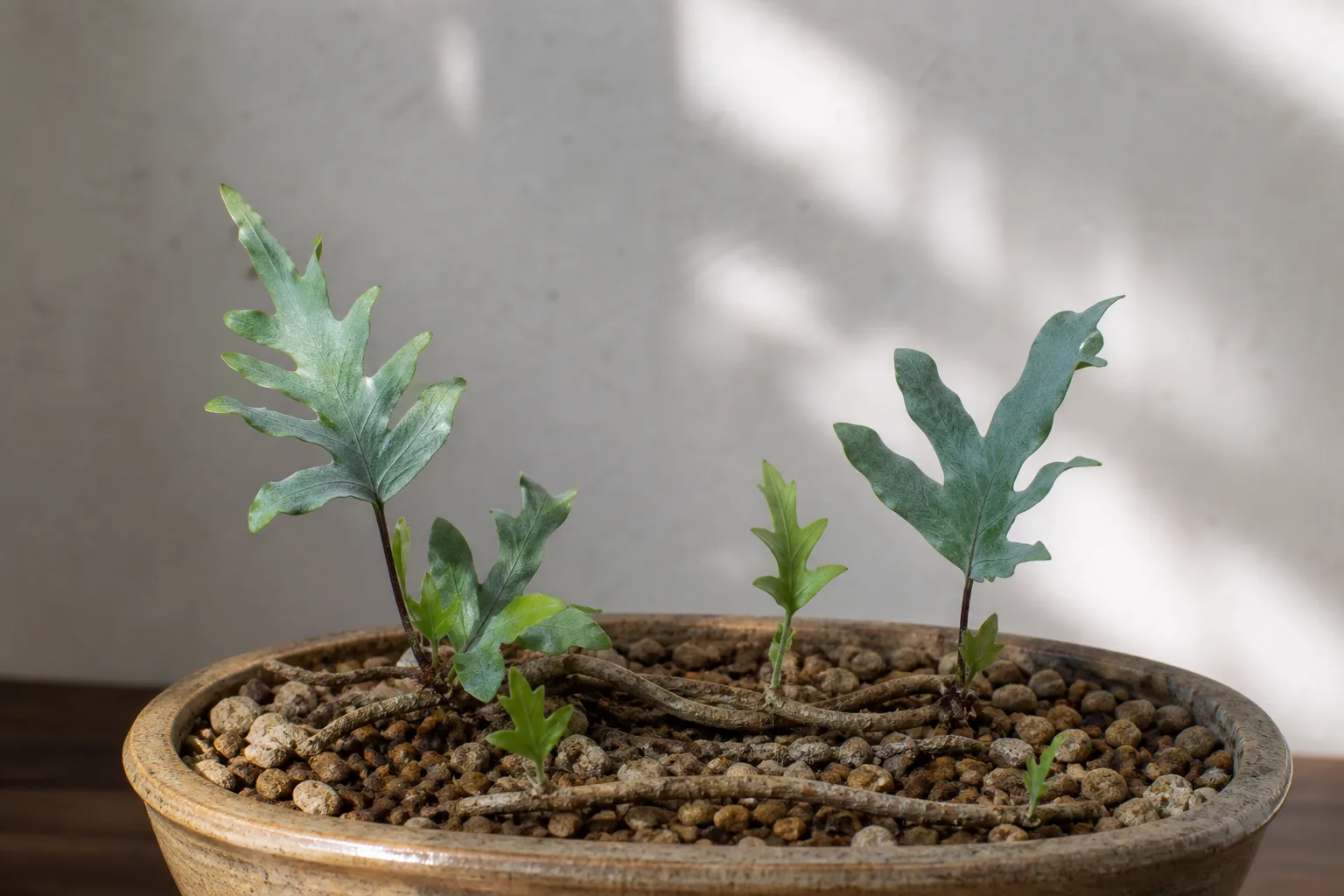
Slow Growth on Blue Star Fern: Causes, Checks & Fixes
This guide covers slow growth on Blue Star Fern. See also the general Slow Growth guide, watering, and light pages for this plant.
Slow Growth on Blue Star Fern: Causes, Checks & Fixes
Quick answer
Slow growth on Blue Star Fern (Phlebodium aureum) is often misread normal behavior, not a crisis. This species is a moderate grower: in medium-to-bright indirect light through spring and summer, a healthy plant typically pushes one new frond every two to four weeks from creeping golden rhizomes-not the rapid flush of a Boston fern. Winter short days and cooler rooms can pause new fronds for months without meaning the plant is dying.
Slow growth becomes a real problem when no new fronds appear across an entire warm bright season, new fronds arrive smaller or paler than older ones, blue-green color fades to dull green, or golden rhizomes at the soil surface feel soft, dark, or mushy. Those signs point to buried rhizomes, chronic low light, wet soil in a dim corner, or root stress-not patience.
First step: inspect exposed golden rhizomes at the soil surface, then confirm the fronds receive medium-to-bright indirect light. Press rhizomes gently-firm and fuzzy is healthy; squishy or sour-smelling tissue needs immediate attention. Only after rhizomes are sound and light is adequate should you adjust watering rhythm or consider half-strength fertilizer. For baseline care, see our Blue Star Fern overview and light guide.
What normal slow growth looks like on Blue Star Fern
Before you treat a growth stall, separate expected moderate pace from abnormal pause.
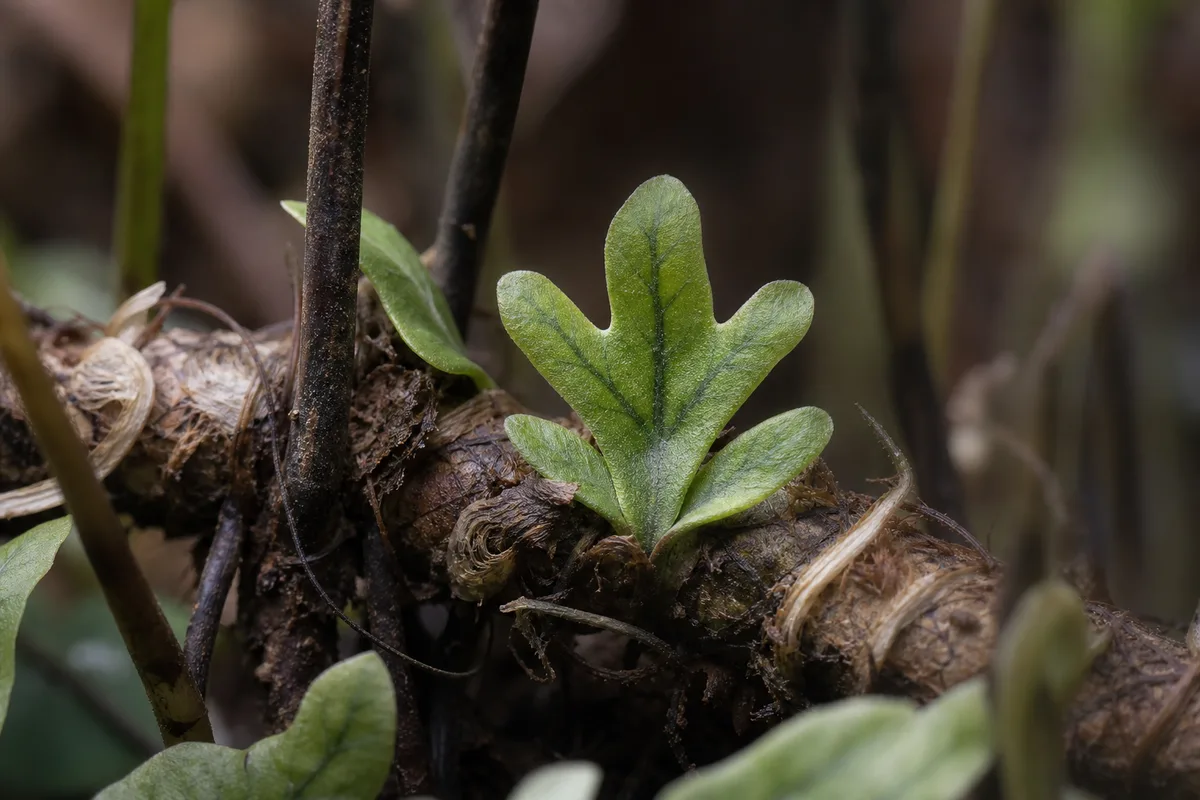
Slow Growth symptoms on Blue Star Fern - compare with healthy tissue on the same plant.
Expected moderate pace indoors
Phlebodium aureum grows from creeping rhizomes-fuzzy, golden-brown stems that travel across the soil surface and sprout new fronds along their length. Unlike rosette houseplants with a single crown, this fern adds foliage along the rhizome line, which can make progress feel subtle even when the plant is healthy.
In a bright east window or filtered south exposure through late spring to early autumn, many indoor plants produce a new frond every two to four weeks. Individual fronds may take one to three weeks to unfurl fully. The overall habit spreads horizontally more than it shoots upward, so height change is easy to miss. Mature specimens commonly reach 30–90 cm tall and wide over years-not months.
That pace is deliberately steady. Owners comparing Blue Star Fern to fast-growing pothos or trailing philodendrons often label healthy behavior as “stuck.”
Seasonal winter slowdown
Growth slows or pauses when daylight shortens and room temperatures dip-typically late autumn through early spring. A plant that produced fronds every few weeks in July may show zero new fronds from November to February while existing foliage stays firm and blue-green. That winter pause is normal if rhizomes remain firm and you are not overwatering a pot that dries slowly in dim light.
Reduce watering checks in winter-mix stays wet longer when the plant metabolizes slowly. See our watering guide for seasonal dry-down rhythm.
Signs your fern is healthy despite slow pace
A Blue Star Fern that is slow but healthy usually shows:
- Firm golden rhizomes visible at or above the soil surface, not buried under wet mix
- Stable blue-green to gray-green color on mature fronds-not washed-out medium green
- Occasional new fronds during warm bright months, even if weeks apart
- Creeping rhizome growth along the pot edge or over the rim-horizontal spread is active growth
- Pot weight that cycles between lighter after dry-down and heavier after a thorough drink-roots are working
If those boxes check and you are in winter, wait. The first unfurling frond after the spring light increase is your confirmation signal.
When slow growth is actually a problem
Treat growth as abnormally stalled-not just moderate-when several of these appear together through spring and summer in a spot that should be bright:
| Signal | What it suggests |
|---|---|
| No new fronds for 3+ months in warm months with adequate light | Rhizome rot, severe root stress, pests, or hidden low light |
| New fronds smaller or paler than fronds produced six months ago | Chronic under-lighting or nutrient stress after prolonged dim placement |
| Blue-green color fades to flat green without new fronds | Low light beyond tolerance-often precedes full stall |
| Soft, dark, or mushy rhizomes at soil surface | Buried rhizome rot or chronic overwatering in shade |
| Wet mix for 10+ days with zero new growth in a dim corner | Low light slowed uptake; soggy roots stall rhizome activity |
| Whole plant limp on wet soil | Root failure-see root rot |
| Long petioles with wide gaps but fronds still arriving | Not slow growth-see leggy growth (etiolation) |
One old frond dying at the base while new center growth stays green is senescence, not stall. Widespread yellowing with wet soil is stress, not patience.
Why Blue Star Fern grows slowly
Understanding why this species moves at a moderate pace helps you fix the right variable once.
Naturally moderate Phlebodium biology
Blue Star Fern belongs to the polypody family and grows as an epiphyte in tropical American forests-on tree trunks, palm bases, and decaying wood-not in rich ground soil. That heritage favors steady, resource-efficient growth over rapid vertical shoots. Recovery from stress also takes weeks, not days, because new fronds must develop from rhizome tissue and unfurl slowly.
Do not expect maidenhair or Boston fern flush rates. Moderate output with firm rhizomes is success.
Rhizome health drives frond output
Every new frond emerges from a healthy creeping rhizome. If rhizomes were buried during repotting, packed under wet top-dressing, or kept constantly soaked by a heavy water stream, the tissue rots before it can sprout fronds. The plant may keep old foliage for weeks while zero new growth appears-classic buried-rhizome stall.
Healthy rhizomes stay on or just above the mix surface, fuzzy and firm. That exposure matches how the plant grows on bark in nature.
Low light beyond tolerance
Blue Star Fern tolerates lower light longer than many tropicals, but it does not thrive there. In dim placements, photosynthesis drops, the glaucous blue-green coating fades, and the plant conserves energy by reducing frond production. Mix also stays wet longer in shade, which compounds the stall.
This overlaps with not enough light and leggy growth-but slow growth means few or no new fronds, not stretched petioles reaching toward a window.
Buried rhizome rot and overwatering in shade
The dangerous combination is dim light plus calendar watering. The plant uses little water, mix stays saturated, fine roots suffocate, and surface rhizomes-especially buried ones-turn mushy. Frond count stops increasing even though older leaves have not yellowed yet.
Sour smell from drain holes, fungus gnats, and a heavy pot that never lightens confirm this branch.
Root-bound in the wrong pot shape
Phlebodium spreads horizontally. A tall narrow cylinder forces rhizomes into a tight coil with limited surface for new fronds. An oversized pot holds excess moisture the slow roots cannot use-another stall trigger after repotting.
Wide, shallow pots with drainage suit the creeping habit better. See repotting guidance before upsizing during a stall investigation.
Seasonal pause vs. year-round stall
Normal: no new fronds November–February, firm rhizomes, stable color. Abnormal: no new fronds May–August in a bright room, or shrinking new growth when peers of the same species would be active.
Slow growth vs. leggy growth vs. dormancy
| Pattern | Key clue | First action |
|---|---|---|
| Slow growth | Months with little or no new fronds; may look compact, not stretched | Rhizome firmness + light level |
| Leggy growth | New fronds still arrive on long petioles with wide gaps; lean toward window | Brighter indirect light-leggy growth guide |
| Not enough light | Pale color, wet soil, yellow lower fronds in dim spot | Placement + dry-down-not enough light |
| Winter pause | Zero fronds in cold short days; firm rhizomes; no spread of yellow | Reduce water; wait for spring |
| Root rot | Mushy rhizomes, sour smell, wilt on wet mix | Stop water; inspect roots-root rot |
If fronds are stretching but still appearing, fix light-not repot. If nothing unfurls for a season, inspect rhizomes and roots.
How to confirm the cause
Work through these checks in order. Change one variable at a time so you can read the plant’s response.
- Season and light history - Is it November–February, or has the plant sat in the same bright east window through summer? Winter pause needs patience; summer stall needs diagnosis.
- Rhizome surface inspection - Gently brush soil from golden rhizomes at the top of the mix. Firm and fuzzy supports a light or seasonal explanation. Soft, black, or mushy demands rot protocol-do not fertilize.
- Burial check - Rhizomes should sit on or above the surface. If repotting buried them, exposure is the fix before anything else.
- Light at the frond - Stand at the pot. Can you see sky through the nearest window, or only a dim wall? More than 1.5–2 m (5–6 ft) from glass is often too dim for active frond production-light intensity drops rapidly with distance. Use the hand-shadow test at midday: faint shadow means bright indirect; almost no shadow means too dark.
- Frond color - Healthy blue-green or gray-green is adequate light for the current pace. Washed-out medium green with no new fronds points to chronic under-lighting.
- Soil moisture and pot weight - Press finger into top 3–4 cm (1–1.5 in) near the pot edge. Mix wet for 10+ days in a dim room suggests overwatering stall. Bone-dry shrunken mix with crisp edges suggests drought stress-see underwatering.
- New vs. old frond size - Compare the newest frond to one from six months ago. Shrinking size confirms stress, not normal moderate pace.
- Pest scan - Check frond undersides and rhizome crevices for scale, mealybugs, or spider mite stippling. Chronic pest drain can stall growth without obvious wilt.
- Pot fit - Slide the plant partly from the pot if rhizomes are firm but growth stalled months in summer. Circling tight roots in a tall narrow pot may need a wide shallow upgrade-not a deeper one.
Confirmed normal slow growth: firm exposed rhizomes, stable color, occasional fronds in warm months, winter pause only. Confirmed abnormal stall: mushy rhizomes, summer zero growth in bright light, or pale shrinking new fronds on wet soil.
First fix for Blue Star Fern
Expose and assess rhizomes, then correct light if they are firm.
- Clear soil from rhizome tops - Brush away wet top-dressing until golden rhizomes are visible. Do not yank healthy tissue.
- Press each rhizome gently - Firm: proceed to light check. Mushy: stop watering, inspect roots, and follow root rot steps before any fertilizer or repot.
- Evaluate window placement - Move the pot to the brightest indirect location that never receives hot afternoon sun on the fronds-east sill, filtered west, or several feet inside a south window with a sheer curtain. If the only bright spot is far from windows, add a full-spectrum LED 20–30 cm (8–12 in) above the fronds for 12–14 hours daily.
- Wait two weeks - Do not repot, fertilize, or increase watering on the same day. Judge the next unfurling frond, not old foliage.
If rhizomes were buried, reposition them on the mix surface and anchor lightly with bark chips-never pack wet soil over them. If the pot was oversized and stays wet for weeks, hold water until the top 3–4 cm dries; adjust rhythm per our watering guide.
Only after a new frond begins in improved conditions should you resume half-strength fertilizer monthly during active growth-see fertilizer guide.
Recovery timeline
Blue Star Fern recovers from growth stalls on a weeks-to-months scale, not overnight.
- After correcting light - First visible crozier (rolled new frond) often appears in 2–4 weeks; full unfurl may take another 1–2 weeks.
- After exposing buried rhizomes - Allow 3–6 weeks before expecting new growth; rotted sections will not sprout again.
- After root rot trim - 6–12 weeks for meaningful new frond output if enough healthy rhizome remains.
- Winter pause - No timeline to force; wait for lengthening days and rising room temperatures in late winter or spring.
Judge success by new firm fronds with good blue-green color and creeping rhizome extension-not by old fronds greening up. Damaged or pale mature fronds may never regain full glaucous tone; new growth proves recovery.
What not to do
- Do not fertilize a stalled fern in a dim corner-salt stress without new growth is common.
- Do not repot on day one unless rhizomes are mushy or mix is sour. Unnecessary repotting adds shock on top of stall.
- Do not bury rhizomes “to tidy the pot” during investigation-this worsens rot.
- Do not increase watering because growth is slow; check whether mix is already wet in low light.
- Do not expect Boston-fern flush rates-moderate Phlebodium pace is correct behavior.
- Do not stack repotting, heavy pruning, pesticide, and fertilizer the same week-make one care correction and read the response.
How to prevent abnormal slow growth next time
- Keep rhizomes on the surface at every repot-wide shallow pot, airy bark-heavy mix.
- Place for medium-to-bright indirect light at the frond, not across the room-light guide.
- Water when the top 3–4 cm dries, not on a fixed calendar-especially in winter and dim corners.
- Reduce water in winter when frond output pauses; wet dormant mix is the most common preventable stall.
- Inspect rhizomes monthly during active growth for firmness and creep.
- Feed lightly only in active months after new growth resumes-half strength, moist soil.
Related Blue Star Fern guides
- Blue Star Fern overview - species hub, rhizome biology, normal moderate pace
- Light requirements - window placement and color-fade warnings
- Watering - dry-down rhythm in dim vs. bright spots
- Not enough light - pale foliage and wet-soil trap
- Leggy growth - stretch vs. true stall
- Root rot - mushy rhizomes and sour mix
- Yellow leaves - stress yellowing vs. normal aging
- Overwatering - chronic wet mix in shade