Distorted Leaves on Blue Star Fern: Thrips & Unfurl Checks
Quick answer
Distorted leaves on Blue Star Fern are puckered, twisted, or stuck lobed fronds—usually on the newest growth emerging from creeping golden rhizomes—from thrips scarring, aphids on soft pinnae, spider mites in dry heat, or dry air during unfurl. First step: isolate the pot and magnify the softest unfurling frond at an active rhizome tip for silver streaks, black frass specks, or insects before you change watering or repot.
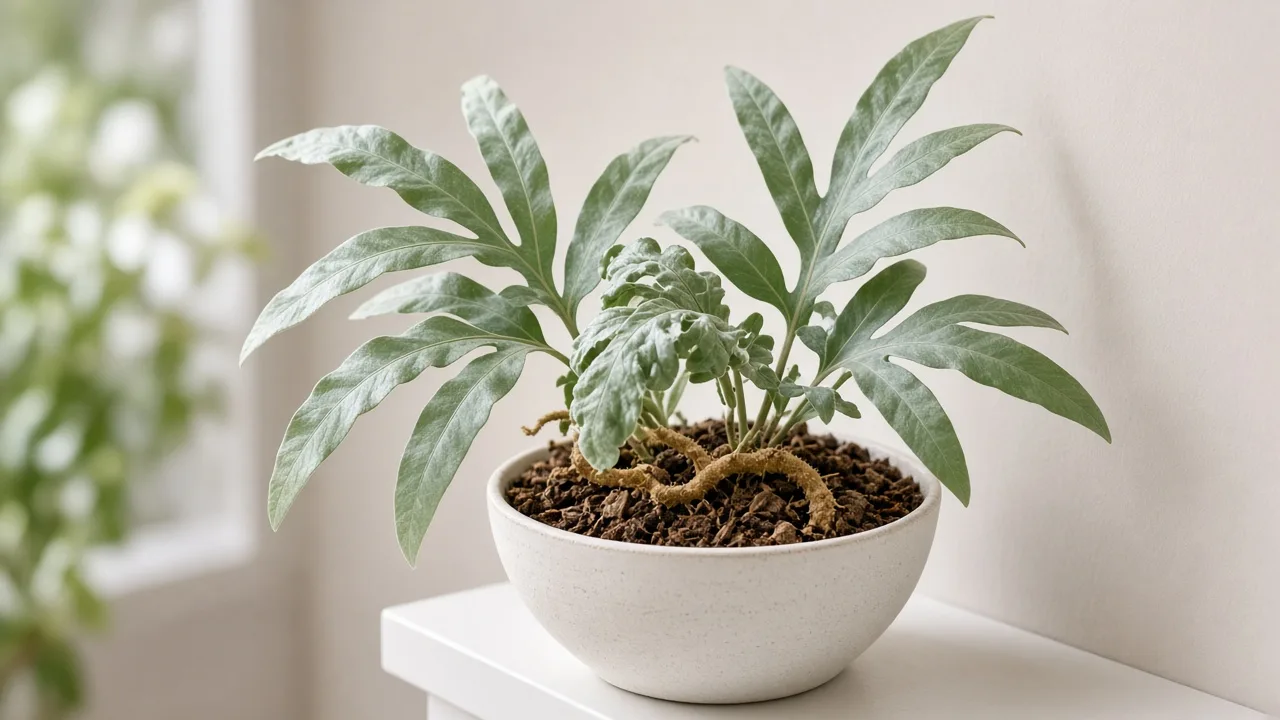
Distorted Leaves on Blue Star Fern: Causes, Checks & Fixes
This guide covers distorted leaves on Blue Star Fern. See also the general Distorted Leaves guide, watering, and light pages for this plant.
Distorted Leaves on Blue Star Fern: Causes, Checks & Fixes
Quick answer
Distorted leaves on Blue Star Fern (Phlebodium aureum) mean deeply lobed, blue-green fronds that open puckered, twisted, rippled in the wrong places, or stuck partway unfurled instead of lying with their usual finger-like lobes and naturally undulate margins. On this rhizomatous epiphyte, damage almost always starts on the newest frond emerging from an active golden rhizome tip—the soft stage before pinnae harden. For how misshapen foliage develops in general, see our distorted leaves guide. On blue star fern, thrips scarring on unfurling lobes, aphids on tender pinnae, spider mites in dry winter rooms, and dry air snagging a frond during expansion are the usual indoor causes—not random “fern stress.”
First step: isolate the pot and magnify the softest unfurling frond at an active rhizome tip for silver streaks, black frass specks, aphids, or mites before you repot, fertilize, or overhaul watering.
When to use this page vs other Blue Star Fern guides
| What you see | Read next |
|---|---|
| Silvery scars + black specks on new lobes | Thrips |
| Lengthwise cup on open fronds, light pot | Curling leaves or underwatering |
| Crispy edges, moist soil, dry winter air | Low humidity |
| Fine stippling + webbing at frond bases | Spider mites |
| White cotton in rhizome forks | Mealybugs |
| Tan disks on frond bases | Scale insects |
| Wandering trails inside lobes | Leaf miners |
| Limp fronds on heavy wet bark | Overwatering or wilting |
Use this page when fronds look misshapen while unfurling or just after opening from a rhizome tip. Use sibling guides when the symptom is crisp margins only, whole-plant wilt, or a confirmed pest species needing a full treatment ladder.
What distorted leaves look like on Blue Star Fern
Healthy blue star fern fronds are large, deeply lobed, blue-green to gray-green blades with a soft suede texture, emerging from creeping rhizomes densely covered in golden scales. Distortion is a step beyond normal waviness: a frond opens unevenly, stays crumpled, or locks into a twist that does not relax as the blade hardens.
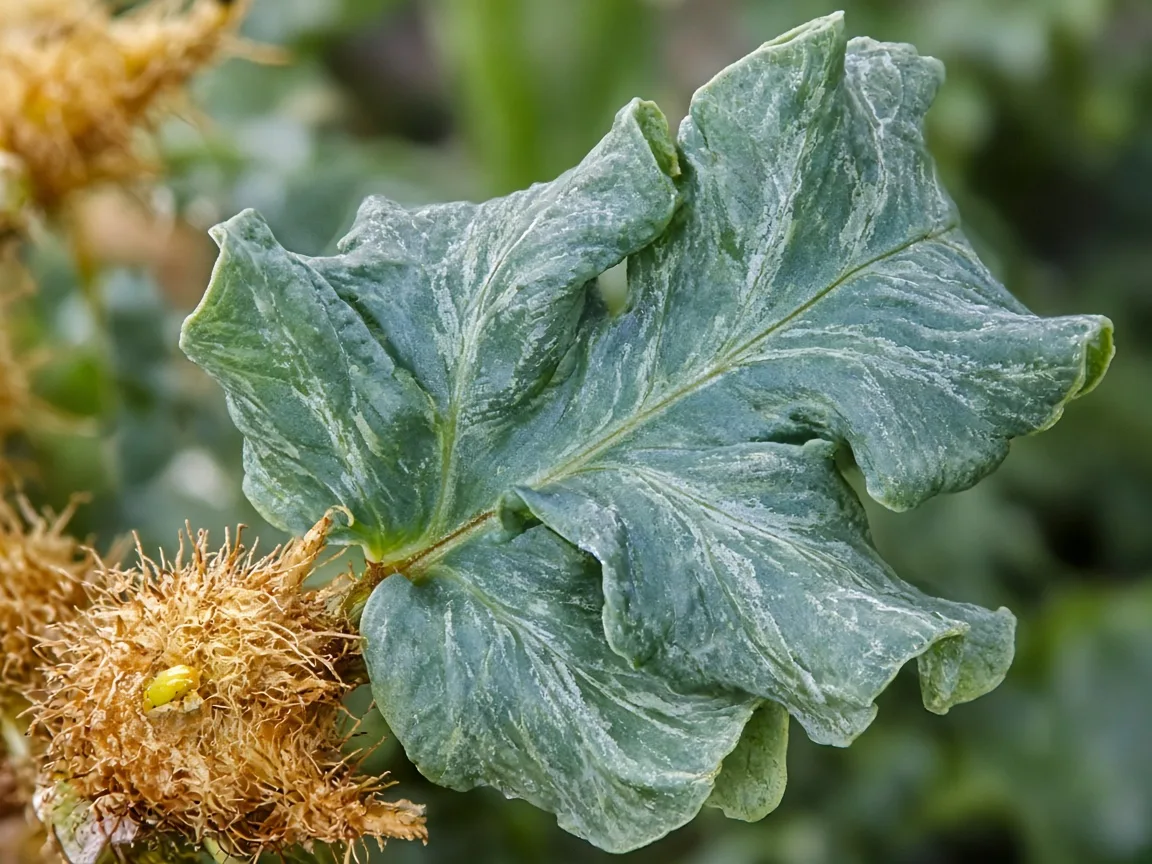
Distorted growth on blue star fern—inspect the softest unfurling lobe at the rhizome tip before assuming normal cultivar waviness.
Thrips scarring on rhizome-tip unfurl (common indoors):
- Newest lobed frond shows silvery or bronze streaks, crinkles, or a stuck partial unfurl as pinnae expand
- Thrips feeding on developing shoot tips causes distorted growth and leaves tiny black excrement spots on the frond surface
- Western flower thrips and related species are common on glasshouse and houseplants; damage is worst on soft tissue while older fully opened fronds may look fine until the next flush
Aphid puckering on tender pinnae:
- Aphids are common sap-sucking pests on houseplants that cluster on soft new growth
- Rippled or asymmetric lobes on the newest frond only, sometimes with sticky honeydew at frond bases where lobes overlap
Spider mite ripple in dry heat:
- Fine pale stippling with slight rippling on tender new lobes in warm, dry indoor air—overlap with spider mites
- NC State Extension lists spider mites among insects to monitor on Phlebodium aureum
Dry-air stuck unfurl:
- A frond stalls mid-unfurl with crinkled, papery lobes while the top few centimeters of bark still feel lightly moist
- Often follows winter heating, AC drafts, or a new spot above a heat vent—overlaps low humidity but here the issue is shape failure during expansion, not only brown tips
Mechanical snag on overlapping lobes:
- One lobe catches a neighbor frond, pot rim, or hanging-basket wire during expansion and hardens crooked
- No silver streaks or frass—often after repotting or moving a basket that showcases surface rhizomes
Cultivar waviness vs true distortion:
- Cultivar ‘Davana’ is sold for compact, glaucous blue fronds with wavy leaf margins—that is genetics, not a problem
- Worry when only the newest frond at one rhizome tip is misshapen while older blades match the plant’s normal wave
Not distortion: Curling is a common symptom of low humidity and underwatering on open fronds—route to curling leaves when blades cup lengthwise without puckered unfurl tissue.
The rhizome-tip pinna unfurl window (Blue Star Fern only)
Unlike rosette ferns that uncurl from a central nest, blue star fern pushes new lobed fronds from creeping golden rhizomes at the pot surface or basket lip. Each frond passes through a soft pinna window where thrips, aphids, or a dry-air snag can permanently scar tissue before the blue-green blade hardens. Owners who scan only mature lower fronds miss silver thrips streaks on the tightest unfurling lobe—the species-specific diagnostic zone is the rhizome tip, not the oldest frond.
Why Blue Star Fern fronds distort
Sap feeders target soft rhizome-tip tissue. NC State Extension recommends monitoring thrips and spider mites on this species. Overlapping lobes and fuzzy rhizome forks give insects shelter while damage shows first on the newest blade—similar to practical notes on spider mites and thrips on blue star fern indoors.
Thrips rasp expanding lobes. Feeding at shoot tips distorts growth that ripples as pinnae open. Indoor Phlebodium in warm rooms can carry thrips year-round, not only in summer.
Dry air stiffens unfurling pinnae. This fern needs medium to high humidity and good air circulation for clean expansion. A dry winter room leaves a spear stuck against a neighbor lobe, opening with a permanent crimp even when watering rhythm was correct.
Mites concentrate on new flush. Spider mites thrive in warm, dry environments where heating drops humidity below what this tropical epiphyte prefers.
Chronic wet mix stalls odd growth. Soggy bark rarely twists fronds directly, but weak rhizomes push small, crinkled fronds that mimic distortion—pair with overwatering when the pot stays heavy and rhizomes feel soft.
Golden rhizome fork and frond-base pest belt
Blue star fern’s golden-scaled rhizomes crawl on the mix surface—excellent for display in hanging baskets but a pest belt where frond bases meet rhizome forks. Run this scan before treating the whole plant:
- Lift outer fronds gently and look into each rhizome fork for cottony mealybug wax or tan scale disks.
- Shake the softest new frond over white paper—thrips are easier to spot when dislodged.
- Check overlapping lobes at the frond base for silver mottling and black frass specks per UC IPM thrips guidance.
- Confirm rhizome firmness—firm golden tissue with distortion limited to one tip points to pests or unfurl stress; mushy rhizomes with multiple failed fronds point to root rot.
Do not confuse healthy golden rhizome scales with pest wax—scales are evenly fuzzy on the rhizome surface; mealybugs form discrete cottony clumps in crevices.
How to confirm the cause
Work from pattern to proof:
| Pattern | Likely cause | Confirm with |
|---|---|---|
| Silver streaks + black specks on newest lobe only | Thrips | Magnifier, tap test, thrips page |
| Sticky honeydew on soft pinnae | Aphids | Underside clusters on rhizome-tip frond, aphids page |
| Stippling + silk at frond bases | Spider mites | Tap test, spider mites page |
| One crimped frond, moist bark, dry room | Stuck unfurl | Hygrometer, low humidity |
| Wavy margins on all fronds, stable care | Cultivar habit | Compare to NC State ‘Davana’ notes |
| Small crinkled fronds + wet heavy pot | Root stress | Rhizome firmness, soil drainage check |
Separate confirmed pests (moving insects, frass, honeydew) from suspected environmental stress (dry air, mechanical snag) before stacking treatments.
The first fix to try
Isolate the pot and magnify the softest unfurling frond at the active rhizome tip.
Move the plant away from neighbors the same day you notice twist or puckering on new growth. Use a magnifier or phone macro lens on the innermost expanding lobe, not mature lower fronds. If you see thrips, aphids, or stippling with webbing, note which pest before any rinse—then follow the matching sibling guide for repeat treatment.
If the frond is clean but crinkled and stuck with no insects, skip pesticide entirely. Raise humidity around the plant (pebble tray, humidifier, or grouped pots), keep bark evenly moist per the watering guide, and avoid pulling the frond open by hand.
Only after pest ID or a clean unfurl snag should you adjust light or repot—medium indirect light and shallow wide pots suit this rhizome spreader.
Step-by-step recovery
For confirmed thrips or aphids:
- Isolate; rinse frond undersides with lukewarm water while keeping surface rhizomes from sitting in pooled water.
- Follow thrips or aphids treatment on a weekly repeat schedule until two clean weeks pass.
- Trim only fronds that are mostly destroyed or still harbor insects after treatment—partially green lobes still feed the rhizome.
For dry-air stuck unfurl:
- Move the pot off heat vents; target 40–60% RH during active growth.
- Maintain even moisture in airy bark per soil guidance—do not flood the rhizome crown.
- Wait for the next rhizome-tip frond; do not force the stuck blade.
For mite-linked ripple:
- Rinse undersides rhizome-safe, as on the spider mites page.
- Increase humidity and airflow together—ferns want moisture and circulation per NC State cultural notes.
Hold fertilizer until new fronds unfurl clean for two weeks—feeding stressed Phlebodium rarely fixes distortion and can soften tender growth pests prefer.
Recovery timeline
Judge progress by new fronds from rhizome tips, not old warped lobes.
- Pest cases: First clean unfurl may take two to four weeks after isolation and repeat treatment; full cosmetic replacement of damaged blades can take several months at this fern’s moderate growth rate.
- Dry-air snag: Next frond after humidity correction often opens flat within one to two watering cycles.
- Root-stress crinkle: Recovery waits on firm rhizomes and corrected drainage—see overwatering if the pot stayed soggy.
Improvement signs: New lobes open symmetrically, silver streaks stop spreading, rhizomes stay firm, no fresh honeydew.
Worsening signs: Multiple rhizome tips fail in a row, frass spreads to every new lobe, rhizomes soften, or distortion appears on neighboring pots—escalate pest treatment or discard a heavily infested basket to protect the collection.
Mistakes to avoid
- Treating distortion as underwatering and soaking heavy bark when the pot is already wet—weak rhizomes push odd fronds instead of flat lobes.
- Misting instead of fixing humidity during unfurl—frond surfaces dampen briefly while pinnae still stiffen in dry air.
- Oil or soap on the whole plant without spot-testing one frond—fern blades burn easily; keep sprays on lobes, not a soak of golden rhizomes.
- Repotting on day one when insects are the cause—disturbing rhizomes spreads pests and delays the real fix.
- Pruning every twisted frond immediately—remove only hopeless or infested tissue; keep green lobes until replacements open.
How to prevent distorted fronds next time
- Quarantine new ferns two weeks; inspect rhizome tips weekly in winter heat.
- Keep 40–60% humidity and stable light during growth flushes.
- Water when the top 3–4 cm of bark dries, with rhizomes on the mix surface—not buried in soggy peat.
- Hang or shelf the plant where fronds do not scrape basket wires during unfurl.
- Run the problems hub checklist when multiple symptoms appear—distortion plus yellowing may be separate issues.
Related Blue Star Fern guides
- Blue Star Fern overview — species hub and placement
- Blue Star Fern problems — all common issues on Phlebodium
- Watering — bark dry-down without burying rhizomes
- Light — medium indirect light for even lobes
- Soil — airy bark mix in a shallow wide pot
- Thrips — silver scars and repeat sprays
- Low humidity — winter unfurl support
Conclusion
Distorted leaves on Blue Star Fern are usually shape failure on the newest rhizome-tip frond, not a mystery about normal golden rhizome fuzz or cultivar waviness. Confirm thrips silver scars, aphids, mites, or dry-air stuck unfurl at the soft lobe stage; act first by isolating and magnifying that tip before repotting or feeding. Prevent recurrence with humidity during unfurl, rhizome-surface culture, and weekly pest checks where lobes overlap. Judge success by clean new blue-green fronds from creeping rhizomes—not by old twisted tissue flattening again.