Small Flowers on Portulaca: Causes, Checks & Fixes
Quick answer
Small flowers on Portulaca usually mean blooms open but stay dime-sized when they should be saucer-wide-not total flower failure. First step: measure fully open petals on a clear sunny afternoon; if singles match your cultivar label, fix culture. If shade-stressed, move the pot to full sun immediately.
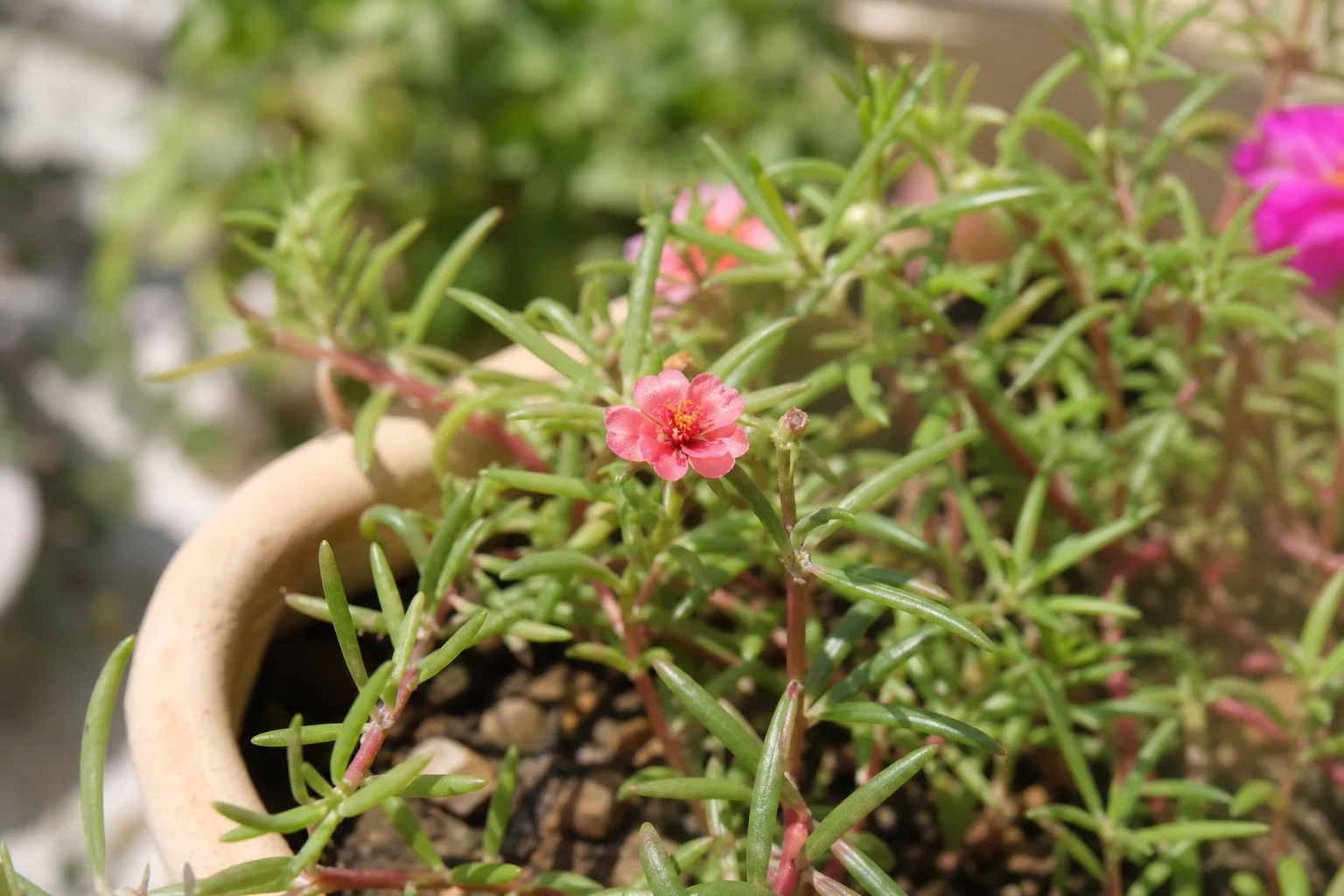
Small Flowers on Portulaca: Causes, Checks & Fixes
This guide covers small flowers on Portulaca. See also the general Small Flowers guide, watering, and light pages for this plant.
Small Flowers on Portulaca: Causes, Checks & Fixes
Quick answer
Small flowers on Portulaca (Portulaca grandiflora, Moss Rose) means blooms open but stay noticeably smaller than you expect for the cultivar-not zero flowers and not the normal nightly or cloudy-day closure that makes petals look tight and dime-sized until sun returns.
Moss Rose flower size spans a wide genetic range. Depending on the variety, flowers can be 1–3 inches across-single species-type blooms run toward the lower end, while Rio, Mojave, and Happy Hour hybrids push toward the upper end. A true small-flowers problem appears when labeled large-flower plants open fully in direct sun yet stay well below that range.
First step: measure fully open bloom diameter on a clear sunny afternoon. If petals unfurl wide in mid-morning sun but measure only about 1 inch on a Rio or Mojave tag, culture-not genetics-is the working diagnosis. If you bought a single-flower seed mix and blooms match that scale, you may be seeing normal cultivar size, not a care failure.
Once culture is implicated, move the pot to uninterrupted full direct sun and let soggy soil dry completely before the next drink. Partial shade is the most common shrink trigger on terrace pots; wet roots and excess nitrogen are the next two culprits on container Moss Rose.
What small flowers look like on Portulaca
Small-flowers on Moss Rose is about bloom diameter when fully open, not missing buds or one-day fade.
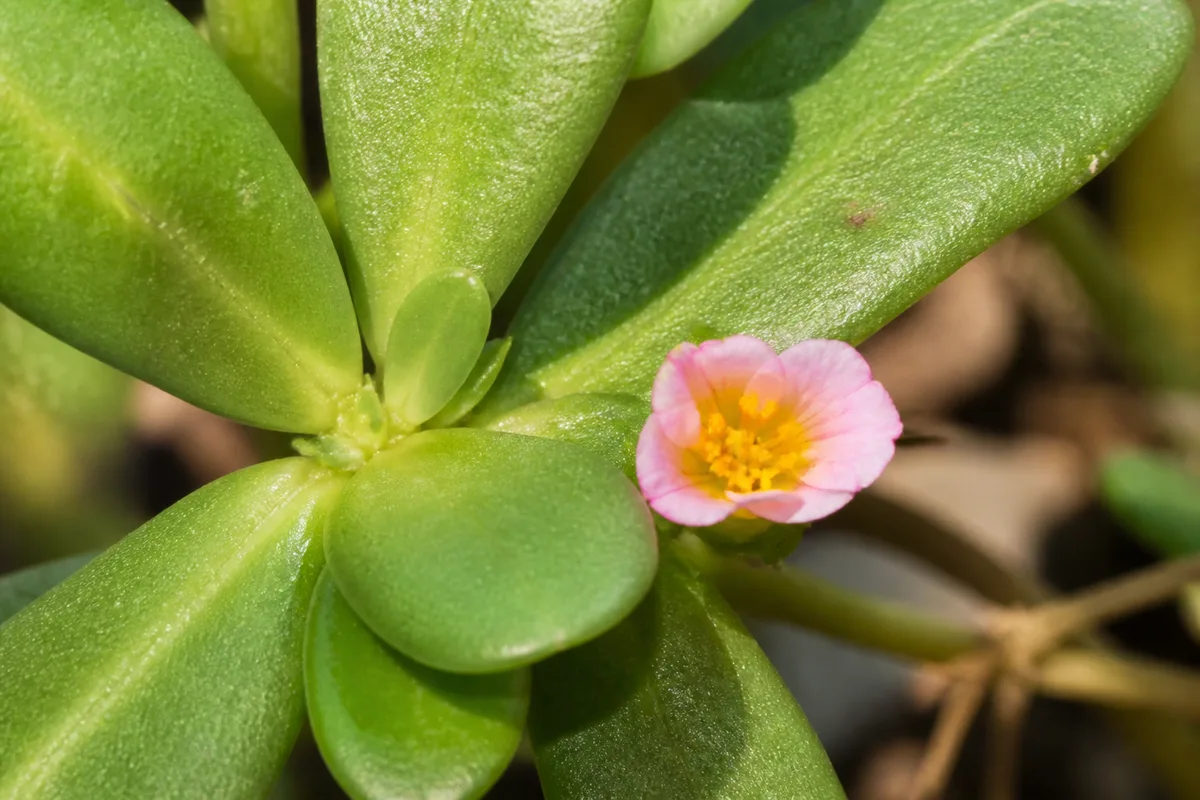
Small Flowers symptoms on Portulaca - compare with healthy tissue on the same plant.
Typical small-flower signs:
- Fully open saucers measure well below cultivar expectations on clear sunny afternoons-pin-sized heads on Rio, Mojave, or Happy Hour labels
- Neighboring sun-exposed Moss Rose in the same bed shows visibly larger blooms on the same day
- Pale, thin petals on otherwise healthy trailing stems-not washed-out closure from cloud cover alone
- Steady bud production but every flush stays compact through peak midsummer heat
- Lush green trails with tiny blooms after regular nitrogen fertilizer
What is normal-not small flowers:
- Tight, half-closed buds on cloudy monsoon mornings that expand when direct sun returns-photonastic behavior, not small genetics
- Single-flower species or Duet-type cultivars opening near 1 inch while doubles on the same terrace reach 2 inches-that is cultivar design
- First few blooms of the season sometimes modest before heat and sun peak
- Night and late-afternoon closure-petals curl inward without shrinking overall plant health
Double-flowered cultivars need more energy per bloom; they show small, sparse petals before single-flower types when light or roots are marginal.
Why Portulaca produces small flowers
Moss Rose is a heat-loving succulent annual built for lean, sunny ground. Flower size reflects genetics plus energy available at bud swell. When light, roots, or feed are wrong, the plant still blooms-but with less petal tissue per head.
Insufficient direct sun. Portulaca needs full sun-6 or more hours of direct sunlight daily for best flowering. In partial shade, blooms open smaller, paler, or not at all-and may close early even on mild afternoons. Balcony pots behind railings, north walls, and under-tree edges produce dime-sized open blooms while open-ground neighbors show saucer-wide color.
Wrong cultivar expectations. Standard Moss Rose singles naturally sit at the lower end of the 1–3 inch flower size range. Rio and Mojave series offer large, brightly colored flowers; Happy Hour and Yubi Summer Joy push toward 2–3 inches. Comparing bargain seed-mix singles to catalog photos of doubles sets up a false small-flowers alarm.
Excess nitrogen fertilizer. Portulaca thrives in lean, sandy, gravelly or rocky soil. Heavy nitrogen pushes soft leafy growth at the expense of flower size. Container gardeners who feed weekly often see lush mats with pinhead blooms through peak summer-even when sun hours look adequate.
overwatering on Portulaca and poor drainage. Soggy soil stresses shallow roots. Stressed roots deliver less energy to expanding petals; blooms open but stay compact while stems may still look plump. Poorly drained soils may lead to crown rot, shrinking bloom size before stems fully collapse. Monsoon waterlogging on saucered terrace pots is a common small-bloom pattern.
Prolonged drought during bud swell. Moss Rose tolerates extreme drought, but letting soil dry out completely for prolonged periods reduces flower production and can limit petal expansion on buds that do open. Boom-bust watering-bone dry for weeks, then flood-produces uneven size along the same trailing stem.
Cool or cloudy weather at peak open. Species-type flowers are only fully open in bright sunlight; on overcast days they stay partially closed and look smaller than their sunny-day diameter. Sundial and Sundance hybrids open wider in cooler, cloudier weather-but still need strong sun for maximum size.
Aphid pressure on bud tips. Aphids may occasionally be a problem on Moss Rose. Heavy feeding on tender buds can distort or stunt individual blooms without stopping the whole plant.
How to confirm the cause
Work through these checks in order-the answer usually appears before extra fertilizer or Portulaca repotting guide:
- Rule out partial closure - On a clear sunny afternoon, do petals unfurl fully? Measure diameter at widest point. Cloudy-day tight buds are not a size diagnosis.
- Check cultivar label - Match bloom size to seed packet or nursery tag. Singles near 1 inch on a Duet or species mix is normal; sub-1-inch on Rio or Mojave is not.
- Direct sun hours on the pot - Track unobstructed sun from mid-morning through afternoon. Less than six hours strongly implicates placement.
- Compare neighbors - If direct-sown Moss Rose in open sun shows larger blooms than a shaded container on the same day, culture-not disease-is likely.
- Soil moisture at stem base - Wet and heavy for several days with firm green stems suggests overwatering suppressing petal size. Bone-dry with wilted open blooms points to drought stress.
- Fertilizer history - Weekly nitrogen or rich compost in a small pot often explains lush trails with tiny open blooms.
- Scout bud tips - Sticky residue, curled distorted petals, or visible aphids on new buds implicate pest stunting.
If the pot gets less than six hours of direct sun on a labeled large-flower hybrid, or soil stayed wet through a warm week, culture-not genetics alone-is the working diagnosis.
First fix for Portulaca
Move the pot to full direct sun and let soil dry completely before watering again.
Relocate to the sunniest terrace rail, roof edge, or open bed where Moss Rose receives six or more hours of direct sunlight. Wait for a clear afternoon, let blooms fully open, then measure-do not judge size on one cloudy monsoon morning.
For wet soil: skip all watering until the mix is bone-dry at 3 cm depth. Confirm drainage holes flow freely. Empty saucers. Do not fertilize a stressed root system.
For dry soil after a wilt spell: water deeply at soil level in early morning until moisture exits drainage holes-then return to dry-down rhythm.
After sun and moisture stabilize:
- Stop nitrogen feed until new buds open at improved size
- Hold off on repotting or heavy pruning until bloom diameter improves
- Replace mismatched cultivars next season if you need 2–3 inch show blooms-choose Rio, Mojave, Happy Hour, or Yubi Summer Joy rather than forcing species singles larger
Do not apply phosphorus fertilizer as a first response without fixing sun and roots. Bloom fertilizers cannot expand petals on shade-stressed or waterlogged plants.
Step-by-step recovery
Once the first sun-and-moisture fix is done, follow this sequence:
- Maintain dry-down watering for two weeks - Water only when soil is completely dry at depth. In full summer sun, that may mean every four to five days; in cool weather, once a week or less.
- Avoid moving the pot until new buds swell-Moss Rose aborts bloom development when placement shifts.
- Scout stem tips every three to four days - Watch for bud swell and measure the next open flush at mid-morning. That is your recovery signal.
- Pinch leggy sections lightly only after new growth firms up-pinching or deadheading promotes greater flowering on sparse mid-season plants, but do not strip budded tips during active stress.
- Treat aphids on bud tips with a strong water rinse if insects are visible-confirm pests before spraying.
- Resume very diluted balanced feed only after new blooms reach improved diameter-half-strength once is enough for lean container mix.
- Direct-sow large-flower cultivars in warm open sun next season if the current mat is a species mix that will never match catalog photos.
Recovery timeline
New buds typically open one size class larger within one to two weeks once sun and moisture stabilize. Measure the morning flush after the first full sunny week-not individual blooms already open before the move.
Already-open petals do not expand after the fact; recovery shows on the next bud cycle. A mat kept all season in deep shade on a large-flower label may never reach catalog size-judge by fresh mid-morning diameter, not old stretched stems.
Severe crown rot with soft stems may require cutting back to firm tissue; some plants cannot be saved if rot reaches the crown. Monsoon cloud cover may temporarily make blooms look smaller even after recovery-that is environmental, not ongoing failure.
Lookalike symptoms
Not enough light overlaps heavily with small flowers-partial shade produces both fewer buds and smaller open diameter. Fixing placement is the same first step.
No flowers means buds never form or never open in bright sun-total failure, not reduced petal width.
Faded flowers describes normal one-day senescence or cloudy-day dulling-not consistently undersized saucers on sunny afternoons.
Bud drop means buds formed then fell off before opening-look for clean green buds on soil, not small open heads.
Slow growth in cool weather pairs stalled size with modest blooms-warm up placement and timing before assuming disease.
Mistakes to avoid
Do not judge flower size on cloudy mornings-Moss Rose looks smaller when partially closed.
Do not feed heavily with nitrogen hoping to “push” bigger blooms-lush leaves replace petal tissue.
Do not overwater shaded pots because the soil “feels dry on top”-shade slows drying and invites root stress.
Do not expect species single-flower mixes to match Rio or Mojave catalog photos-that is cultivar mismatch, not fixable culture alone.
Do not apply bloom booster before confirming full sun and dry-down watering-roots and light drive petal size first.
Portulaca care cross-check
Small flowers ties full sun, lean soil, dry-down watering, and realistic cultivar choice together on Moss Rose. Best flowering occurs with about six hours of full sun and consistently moist-but not waterlogged-root zones in well-drained mix. Shade plus wet soil is the fastest path to lush, dime-sized blooms through midsummer.
Closed tight buds on cloudy days are normal. Fully open pin-sized saucers on labeled large-flower hybrids through sunny weeks is not.
When to worry
Act quickly when every bloom stays sub-inch on a Rio or Mojave plant through multiple clear sunny afternoons despite full sun-scout for aphids and confirm you are not over-fertilizing. Soft yellow stems on wet soil with shrinking blooms suggests crown rot-unpot and inspect roots.
Low urgency when a species single-flower mix opens near 1 inch in good sun-that may be normal genetics. Also low urgency when the first spring flush is modest before heat peaks.
Conclusion
Portulaca small flowers means confirm true undersized open blooms versus cloudy-day closure or single-flower genetics, then fix sun first and water second. Move to full direct light, dry soggy roots, stop nitrogen feed, and match cultivar expectations to your goal. Expect visibly larger morning blooms within one to two weeks on healthy trailing stems once stress stops-and choose large-flower hybrids next season if saucer-wide color is the target.
When to use this page vs other Portulaca guides
- Portulaca watering guide - Use for routine moisture checks before assuming small flowers is the main issue.
- Portulaca problems hub - Browse all 50 common issues on this species.