Curling Leaves on Portulaca: Causes, Checks & Fixes
Quick answer
Curling leaves on Portulaca usually trace to wet roots, extreme drought, too little sun, or pests on new tips-not low humidity. First step: Weigh the pot and probe soil moisture before watering or withholding water.
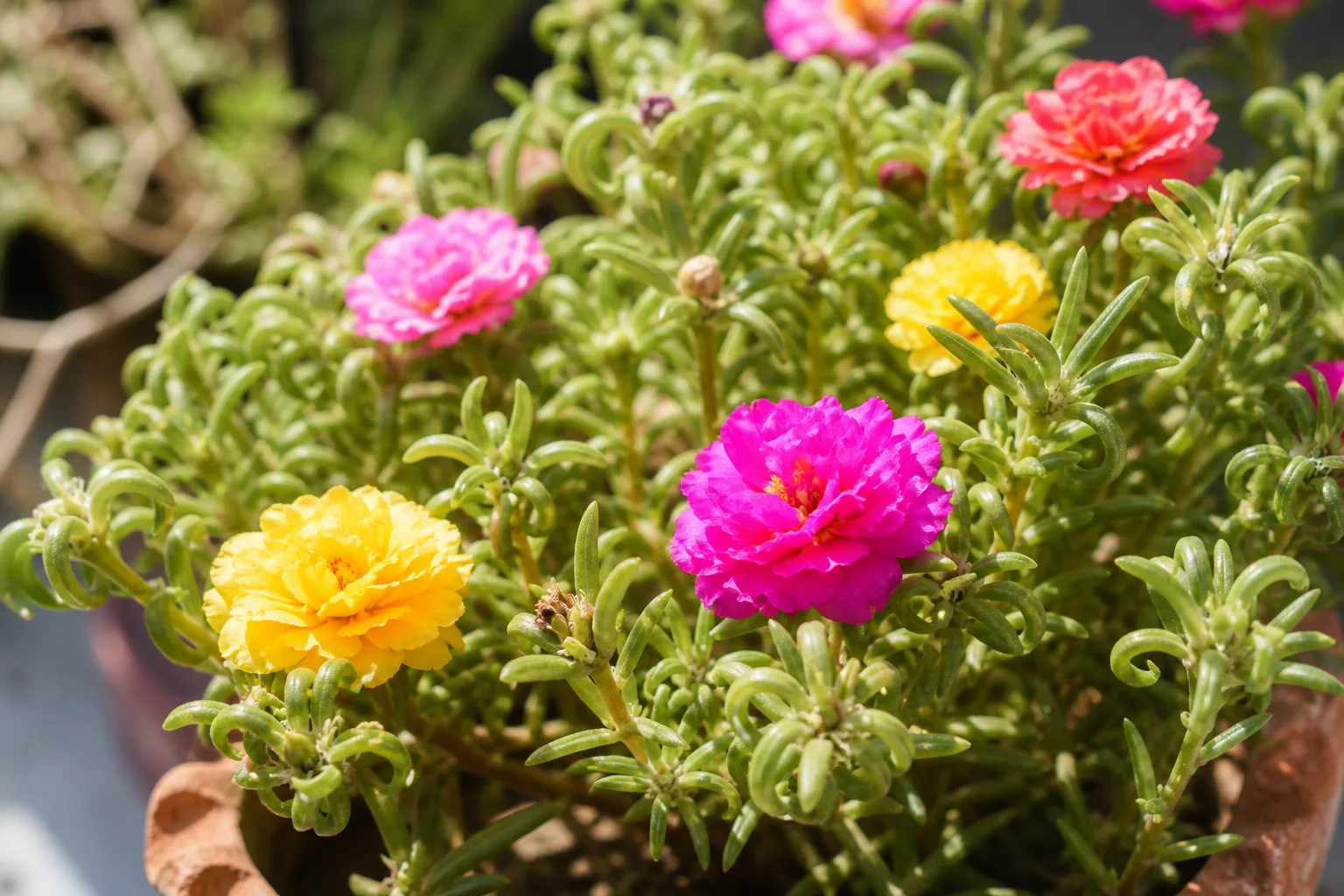
Curling Leaves on Portulaca: Causes, Checks & Fixes
This guide covers curling leaves on Portulaca. See also the general Curling Leaves guide, watering, and light pages for this plant.
Curling Leaves on Portulaca: Causes, Checks & Fixes
Quick answer
Curling leaves on Portulaca (Portulaca grandiflora, Moss Rose) usually trace to wet roots, extreme drought, too little sun, or pests on new tips-not low humidity. First step: Weigh the pot and probe soil moisture before watering or withholding water.
Moss Rose stores water in fleshy leaves and stems, so curl is a stress signal-not a humidity plea. The same symptom can mean opposite fixes, which is why soil moisture comes first.
Why Portulaca leaves curl
overwatering on Portulaca is the leading cause on Moss Rose. Saturated mix suffocates roots in poorly drained soils; damaged roots cannot supply leaves even while soil stays wet, and tissue curls as the plant loses turgor. Extreme drought in shallow hanging baskets during heat makes succulent leaves roll inward to cut water loss. Too little sun produces weak, cupped growth because Portulaca needs full sun to thrive. Aphids and spider mites distort expanding tips-watch for aphids and spider mite outbreaks in hot, dry conditions when curl on new growth pairs with stippling or honeydew.
What curling leaves look like on Portulaca
Fleshy leaf clusters roll inward or cup upward along trailing stems. Rot-related curl pairs with yellow soft stems and sour-smelling wet mix. Drought curl shows very light pots, dry soil throughout, and firm stem bases. Shade stress adds leggy spacing between leaf pairs. Pest curl concentrates on newest tips with stippling, webbing, or sticky honeydew. Old curled leaves may stay misshapen even after the cause is fixed.
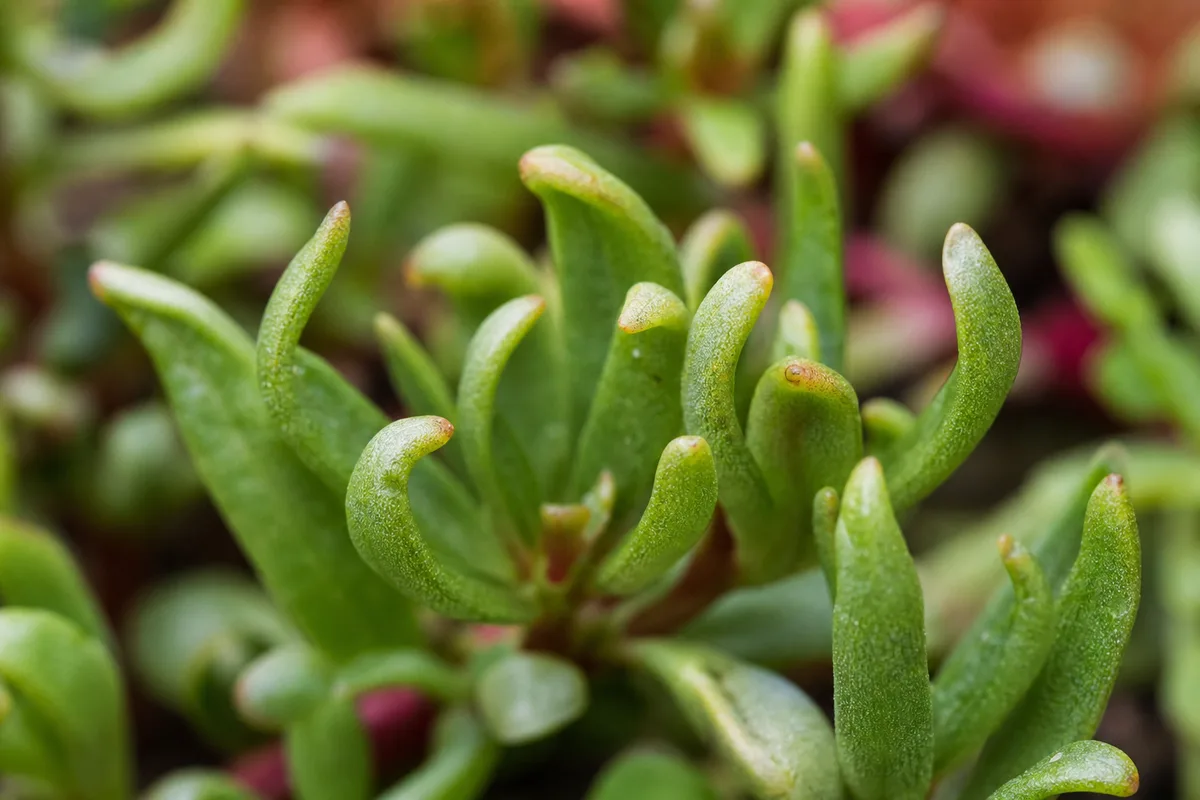
Curling Leaves symptoms on Portulaca - compare with healthy tissue on the same plant.
How to confirm the cause
Weigh the pot and probe soil at depth. Wet + soft base → overwatering rot. Dry + firm → drought. Curl only on new tips with pest signs → aphids or mites. Leggy pale growth in partial shade → light stress. Midday-only curl on bone-dry light pots → increase Portulaca watering guide, not humidity.
First fix for Portulaca
If soil is wet and stems soften: stop watering, move to full sun, and repot into dry sandy mix if rot smell is present-trim mushy roots. If soil is bone-dry and stems are firm: water deeply once, then resume dry-down rhythm. If pests are confirmed: rinse tips and treat with labeled insecticidal soap on cool mornings. If the plant sits in shade: move to a spot with at least six hours of direct sun. Apply one fix at a time based on what moisture and stems tell you.
Recovery timeline
Drought curl often relaxes within hours after proper watering in warm sun. Rot recovery takes one to three weeks if enough healthy roots remain. Pest-distorted tips need two to six weeks of clean new growth before you know treatment worked. Already-curled old leaves rarely flatten fully-track new leaves instead.
What not to do
Do not mist for humidity; Moss Rose prefers dry air and heat. Do not water every curl-overwatering worsens rot when soil is already wet. Do not fertilize stressed Moss Rose hoping leaves uncurl. Do not treat with oil or soap in blazing midday sun without testing a small section first.
How to prevent curling leaves on Portulaca
Use well-drained sandy soil in full sun. Water only when completely dry. Monitor small hanging baskets during hot, dry weather. Quarantine new plants before mixing baskets. Inspect stem tips weekly during spring flush and summer heat.
Practical checks
Urgency check
Urgent when curl occurs on wet soil with soft yellow stems, or when new tips stay twisted with active pest colonies.
Best inspection order
Pot weight, soil moisture depth, stem firmness, sun exposure, newest tips for pests.
Portulaca care cross-check
Curling Moss Rose in wet shade needs light and drainage first-not more water or humidity boosts.
When to use this page vs other Portulaca guides
- Portulaca watering guide - Use for routine moisture checks before assuming curling leaves is the main issue.
- Portulaca problems hub - Browse all 50 common issues on this species.
- Low Humidity on Portulaca - Different entry point when symptoms overlap with curling leaves.
- Thrips on Portulaca - Different entry point when symptoms overlap with curling leaves.
- Underwatering on Portulaca - Different entry point when symptoms overlap with curling leaves.