Best Soil for Peperomia Hope: Mix, Drainage & Repotting
Best Soil for Peperomia Hope: Mix, Drainage & Repotting
Best Soil for Peperomia Hope: Mix, Drainage & Repotting
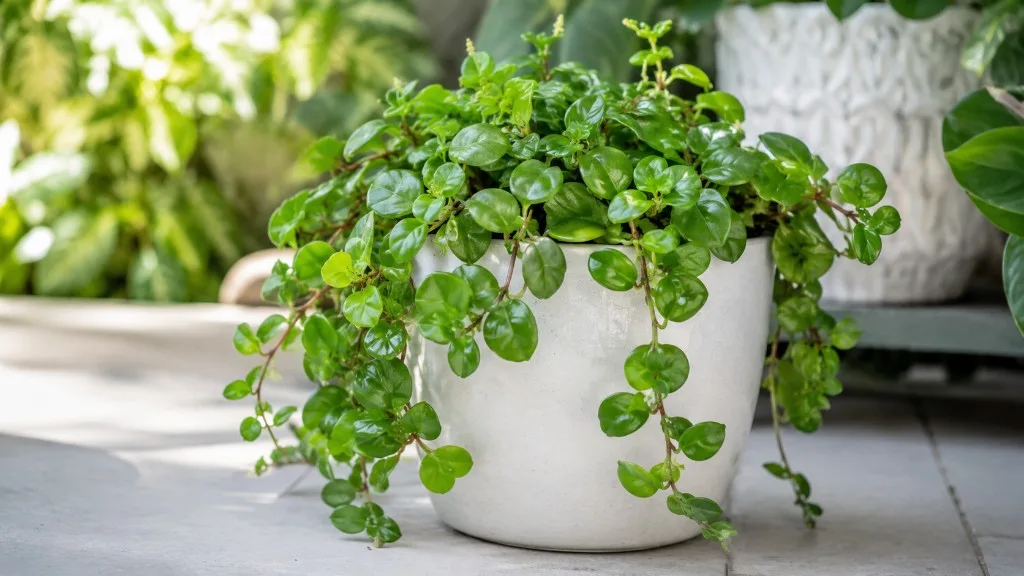
Peperomia Hope arrives in garden centers looking perfect in a decorative hanging basket - round leaf clusters on trailing stems, soft and forgiving at first glance. Two months later the crown softens, lower whorls yellow, and the mix under a solid liner still feels cold and damp while the surface looks merely “a little dry.” That failure pattern is almost always soil structure and basket geometry, not a mysterious watering curse. Peperomia tetraphylla ‘Hope’ is a trailing epiphyte with shallow, oxygen-hungry roots and semi-succulent leaves that store water; it cannot sit in a deep wet column of dense peat just because the vines have lengthened.
This page owns Hope-specific soil intent - mix recipes, hanging-basket drainage systems, shallow-pot pairing, and soggy-mix diagnosis. For general peperomia soil physics shared across the genus, see the peperomia soil guide. For holistic Hope care, start with the Peperomia Hope overview. For watering rhythm after you change mix, use the Peperomia Hope watering guide.
Quick Mix Reference
Use these starting points - adjust perlite upward in humid homes, plastic baskets, or cachepot setups:
| Recipe | Parts by volume | Best for |
|---|---|---|
| Core blend | 50% indoor potting compost + 50% horticultural perlite | Most table pots and beginners |
| Three-part upgrade | 1 part potting soil + 1 part perlite + 1 part orchid bark | Humid homes, hanging baskets, slow dry-down |
| Propagation mix | 60% perlite + 40% coco coir (or 50/50 perlite and coir) | Stem cuttings until roots firm |
| Basket note | Same blends as above - prioritize shallow depth and exit drainage, not a different formula |
Every recipe needs a drainage hole (or perforated liner) and a pot only slightly wider than the root ball. Mix by volume, not weight - perlite is far lighter than compost.
Why Hope Fails in Hanging Baskets Before Watering Is Blamed
Retail Hope is often sold in deep decorative baskets with solid or poorly drained liners. Vines cascade two feet while the root ball stays the size of a tea cup. Owners water when the top inch looks dry - correct by surface standards - but a deep wet reservoir below shallow roots stays anaerobic for weeks. Stems meet the mix at a junction that never dries; crown rot starts there while trailing tips still look fine.
Case vignette (home observation): A Hope in a 8-inch moss-lined basket with a solid plastic liner was watered weekly on a calendar. Top inch dried in four days; pot weight stayed heavy. After six weeks, stems softened at the crown and two lower whorls yellowed. Repotted into a shallow 5-inch perforated liner with fresh 50/50 perlite mix, same window. Dry-down dropped from “never fully light” to roughly five to seven days in spring; firm leaf clusters returned along the upper stems within one growth flush. The fix was less soil depth and real drainage, not less water volume per soak.
That pattern is why this guide emphasizes basket depth vs vine length - not just perlite percentages. If your Hope lives in a table pot, the same physics apply in oversized nursery pots; see pot too large when the container dwarfs the roots.
Hope’s Shallow Epiphytic Roots and Semi-Succulent Leaves
Peperomia Hope develops a compact, horizontal root system in the upper few inches of mix. In a typical 4–6 inch pot, most active roots never explore a deep column of soil - which is why a tall pot filled with standard potting mix is structurally wrong even when trailers look like they need “more room.” The plant tolerates being slightly root-bound and often grows for years until mix breakdown forces a refresh.
Thick, round leaves store water, so roots do not need - and cannot tolerate - mix that behaves like a sponge for a week after each watering. When roots suffocate in wet soil, leaves may wrinkle while the pot still feels heavy - a signature mismatch covered in the overwatering guide. Soil structure decides whether your watering schedule is readable or a guessing game.
Epiphytic Roots and What They Expect from Mix
In Central and South American forests, Peperomia tetraphylla grows as a tropical epiphyte, anchoring into thin debris on branches rather than deep forest-floor soil. The Missouri Botanical Garden recommends growing Hope in bright indirect light with well-draining potting soil amended with orchid bark, coconut coir, or additional perlite - language that matches epiphytic cultivation: contact with moisture, not immersion in it.
Container culture mimics the essentials: large pore spaces, low compaction, quick drainage. Perlite is expanded volcanic glass - lightweight, pH-neutral, and structurally permanent. It keeps channels open as peat fines collapse. Orchid bark adds macro-pores at a coarser scale. NC State Extension notes peperomias as tropical epiphytes with soil pH from acid to neutral - context for why dense, water-retentive peat alone fails indoors.
Best Soil Mix Recipes for Peperomia Hope
The best soil for Peperomia Hope balances retention (you are not watering daily) with drainage (roots never sit in stagnant moisture). Use volume scoops in a bucket; moisten slightly before potting so peat or coir does not repel the first soak.
The Core 50/50 Perlite Blend
Start with 50% quality indoor potting compost and 50% horticultural perlite. Choose houseplant or container compost - not garden soil, topsoil, or moisture-control blends loaded with wetting agents unless you push perlite toward 60%. Perlite should be coarse-grade granules, not powder. The finished blend passes a squeeze test: a moist handful holds together briefly, then falls apart when you open your hand.
Missouri IPM guidance supports perlite-heavy peperomia culture for indoor specimens - the same family of advice Clemson Extension and RHS echo for the genus.
Three-Part Bark Upgrade and Propagation Mix
For humid homes, plastic hanging baskets, or growers who travel weekly, use one part potting soil, one part perlite, and one part orchid bark (¼–½ inch grade). Bark slows compaction and improves even dry-down in baskets.
For propagation cuttings, lean airier: 60% perlite / 40% coco coir or equal perlite and coir. Cuttings need moisture at the node without wet compost while they callus. Once new growth firms and resists a gentle tug, move to the standard 50/50 blend - details in the propagation guide. Optional amendments: worm castings at one teaspoon per quart (gentle biology, not structure); avoid vermiculite as a primary amendment - it holds more water and compresses under wet mix weight.
How Much Perlite by Home Conditions
Aim for at least 40–50% perlite by volume in finished mix for standard indoor cultivation. 50% is the beginner sweet spot - forgiving of occasional overwatering. Push toward 60% when the plant lives in a plastic hanging basket, home humidity stays above 60%, you water on a calendar, or unused depth below the root ball exceeds one inch. Pull toward 40% only when a small terracotta pot on a bright, dry shelf wilts between normal waterings - and fix pot size before chasing moisture in dense soil.
Dry-down heuristics (home-climate estimates, not rules): In 50% perlite mix on a bright indirect shelf, many Hope plants in 4–6 inch pots feel light again in roughly four to eight days during active growth - longer in winter, shorter in hot dry rooms. Your interval depends on light, pot material, and basket setup; track weight for two cycles instead of copying a blog schedule.
| Container | Typical perlite band | Dry-down tendency |
|---|---|---|
| Terracotta table pot, bright shelf | 40–50% | Fastest; sidewall evaporation helps |
| Plastic table pot, average humidity | 50% | Moderate; check core, not just surface |
| Plastic hanging basket with liner | 50–60% | Slower bottom dry-down; empty runoff |
| Moss-lined decorative basket | 55–60% + shallow depth | Slowest; inspect crown junction weekly |
| Cachepot (inner nursery pot) | 50–60% | Risk of pooled runoff; lift and dump |
Hanging Baskets vs Table Pots
The mix formula stays the same; the container system changes. Baskets introduce uneven drying, liner traps, and the temptation to upsize for trailing length. Use the same 50/50 or three-part blend, but prioritize water exit over appearance - a nursery pot with holes inside a decorative hanger, or a liner with punched drainage.
Match basket depth to root depth, not vine length. A shallow 4–5 inch basket with a full trailer is correct; an 8 inch deep basket with two inches of roots is not. Excess soil below the root zone stays wet longest - where Hope crowns fail first. When stems reach the floor, prune for fullness, propagate cuttings, or accept the current pot rather than repotting into a cavernous hanger.
Terracotta and unglazed ceramic pull moisture through walls - good partners for perlite-heavy mix. Plastic baskets dry more slowly on the bottom; combine with higher perlite and strict saucer emptying.
Liners, Cachepots, and Moss Baskets
A cachepot works only if the inner pot lifts out and no runoff accumulates. After watering, remove the inner pot, dump the outer container completely, and wait until dripping stops before setting the plant back. Half an inch of standing water wicks into the mix and keeps the bottom saturated.
Moss-lined wire baskets hold moisture against stems at the soil line. Keep moss thin, verify bottom drainage, and check the crown junction weekly - rot starts there before lower leaves yellow. For chronic surface mold in tight liners, see mold on soil.
Pot Size, Depth, and Drainage Holes
Drainage holes are non-negotiable indoors. Clemson Extension recommends well-drained houseplant mix in containers that drain freely - without an exit, even perfect perlite eventually saturates from the bottom up.
Choose a pot one size up at repot - roughly an inch wider - unless roots circle heavily and the plant dries in a day. Shallow pots beat deep pots; an azalea pot or wide bowl often suits Hope better than a tall nursery column. Plant mass should occupy about two-thirds of pot width, leaving modest room without a deep moat of empty wet soil.
Keep the crown at the same depth at repot. Burying trailing stems to stabilize the plant invites stem rot. Firm mix lightly, water once to settle, drain fully before returning to shelf or hanger.
pH, Salt Buildup, and When to Refresh Mix
Hope performs well around pH 6.0–7.0 - slightly acidic to neutral. NC State Extension lists peperomia soil pH as acid to neutral (below 6.0 to 8.0). Hobbyists rarely need a meter unless tap water is very alkaline or fertilizer salts crust the rim.
Salt buildup shows as white rim crust, stiff leaves with brown tips despite careful watering, or stunted new growth. Flush slowly with room-temperature water until several pot volumes exit the hole, draining fully between passes. If crust returns within weeks, same-size repot with fresh 50/50 mix beats stacking fertilizer.
Refresh when mix compacts, smells sour, dries oddly (instant surface dry, wet core), or no longer drains within minutes after a soak. Peat breaks down in twelve to twenty-four months indoors; perlite extends structure but does not stop organic decay.
One-Minute Drainage Checks
Three quick tests after watering tell you whether the system works:
Surface-to-core finger test: Insert a finger or dry chopstick two inches down in a small pot - much of the active root zone. Top dry + core wet for days means dense mix, excessive depth, or a trapping cachepot.
Drainage speed test: Water thoroughly; water should exit the hole within seconds and finish draining in a few minutes for a 4–6 inch pot. Surface pooling beyond one minute suggests compaction or insufficient perlite.
Weight test: Lift before and after watering. A healthy rhythm produces a predictable light-to-heavy cycle. A pot that stays heavy for a week while leaves soften often signals wet feet, not thirst.
Empty saucers or cachepots within thirty minutes. If water remains a day later, fix structure before adjusting light or feed.
Signs Your Hope Soil Is Wrong
- Soft, wrinkled leaves on a heavy pot - wet roots; leaves cannot transpire normally in soggy mix.
- Yellowing lower whorls with firm stem tips - often overwatering in dense mix; rule out natural aging on the lowest leaves only.
- Mushy stems at the soil line - crown or stem rot from wet mix on buried tissue.
- Persistent fungus gnats - larvae in moist organic soil; airy mix that dries properly reduces habitat.
- Water runs down the gap between mix and pot - peat shrinkage; roots may circle in a dry core while water bypasses them.
- Sour or swampy smell - anaerobic conditions; repot immediately, trim black roots, rebuild with fresh 50/50 blend per root rot triage if stems soften.
Several signs together point to soil first - but light and temperature matter; do not change three variables at once.
When to Repot and Refresh Soil
Repot when roots circle heavily, exit drainage holes, or the plant dries out faster than you can water sustainably. The Missouri Botanical Garden notes that peperomias do not need annual repotting and can remain in the same pot for several years when mix still drains well. Also repot when mix breakdown or salt crust makes flushing ineffective, or after root-rot recovery when soil is contaminated.
Skip repotting a visibly stressed plant unless mix is clearly the cause - sour smell, black roots, or a basket that never dries. Stabilize in fresh mix at the same size rather than jumping two pot sizes “to help it grow.” Best timing is early spring through summer; winter repots work with stable warmth and bright indirect light. Full step-by-step workflow lives in the Peperomia Hope repotting guide.
Water lightly the day before, tease circling roots gently, trim only mushy tissue, pot into pre-moistened 50/50 mix at the same depth, and wait a week before fertilizing.
DIY Mix vs Bagged Options
DIY mixing wins on control - adjust perlite for your home, avoid mystery wetting agents, refresh same-size pots easily. Buy horticultural perlite and orchid bark graded for potting, not construction aggregate or landscape mulch.
Commercial cactus or succulent mix can serve as a base if you still add perlite. Many drain well but lean too dry for established Hope in small pots that desiccate in two days - blend toward 50/50 with potting compost rather than watering more often.
Orchid mix alone is too coarse for long-term Hope unless you water frequently; use bark as an amendment, not the whole substrate. Moisture-control potting soil with gel crystals extends wetness where epiphytic roots struggle - cut heavily with perlite or skip it.
Common Peperomia Hope Soil Mistakes
Gravel at the bottom does not improve drainage - it raises the perched water table into the root zone. Fix with perlite in the mix and a hole in the pot.
Oversized hanging baskets for long vines add a deep wet column roots never reach. Trim, propagate, or keep the current shallow pot.
Decorative baskets without drainage look fine briefly, then crown rot appears. Maintain an inner holed pot or drill carefully.
Garden soil or outdoor dirt compacts and introduces pests. Use container compost plus perlite.
Burying fallen stems for a fuller look traps moisture on tissue that did not evolve to sit underground.
Assuming wrinkled leaves always mean dry soil - damaged roots in wet mix cannot uptake water. Check weight and smell before adding more water.
How Soil Connects to Watering and Light
Soil does not work in isolation. Peperomia Hope watering should follow mix dryness: the Royal Horticultural Society recommends letting compost partially dry between waterings rather than watering on a fixed calendar. A 50% perlite mix dries faster than dense peat - shorter intervals are normal if leaves stay firm.
Light drives drying speed. Hope in bright indirect light uses water faster than one in medium light; perlite percentage and pot material should follow placement. Fertilizer on soggy, compacted mix increases salt stress without reaching functional roots - feed lightly in active growth only after drainage checks pass, per the fertilizer guide.
When troubleshooting yellow leaves or sparse trailers, compare soil structure, pot depth, and basket drainage before changing three variables at once.
Conclusion
Peperomia Hope rewards growers who match basket depth to shallow roots, not vine length - an airy 50/50 perlite blend in a perforated, shallow container beats any decorative liner that hides wet soil. Push perlite toward 60% in plastic hangers and humid homes; refresh mix when drainage slows or salt returns after flushing; and let dry-down weight, not calendar guilt, tell you when to water again alongside the watering guide.
When to use this page vs other Peperomia Hope guides
- Peperomia Hope overview - Start here for whole-plant context before deep-diving this topic.
- Peperomia Hope problems hub - Jump to symptom-specific fix guides when this care topic does not resolve the issue.
- Root Rot on Peperomia Hope - Escalate here when soil adjustments are not enough.