Peperomia Hope Fertilizer: When, How, and Mistakes to Avoid
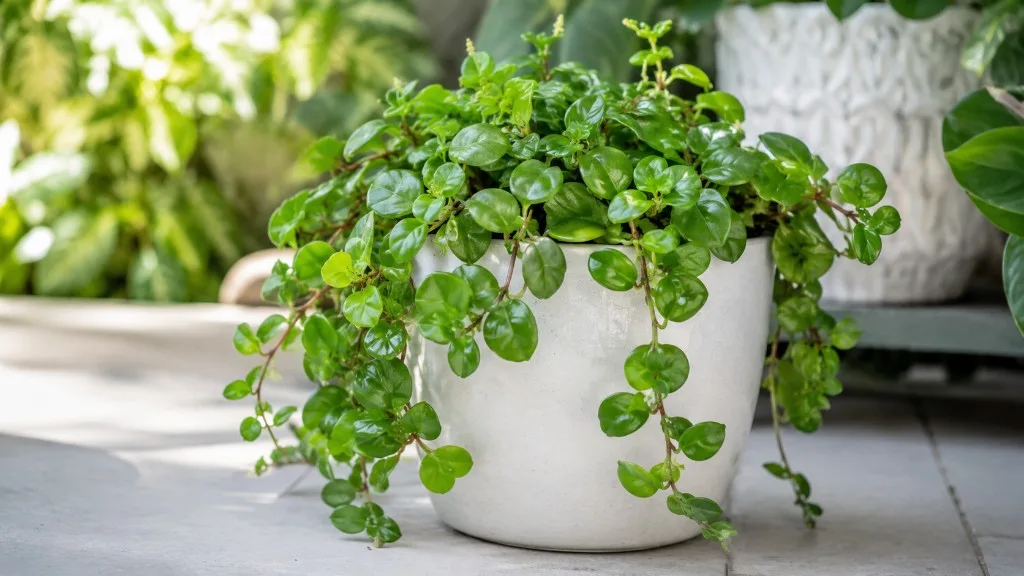
Peperomia Hope Fertilizer: When, How, and Mistakes to Avoid
Peperomia Hope Fertilizer: When, How, and Mistakes to Avoid
Peperomia Hope fertilizer is one of those topics where the internet overshoots and the plant pays the price. Peperomia tetraphylla ‘Hope’ - the trailing hybrid most people simply call Peperomia Hope - is a light feeder with fine roots adapted to epiphytic conditions in nature. Its thick, round leaves store some water and tolerate brief drought, which is a clue: Peperomia Hope overview does not need heavy nutrition to look good. What it does need is steady, diluted feeding during active growth and a complete pause when metabolism slows.
The practical routine that works in most homes is straightforward: use a balanced water-soluble fertilizer at quarter to half the label strength, apply it once a month from spring through summer while the plant is pushing new leaves, and stop entirely from late fall through winter. Water onto moist soil, never onto dry roots. Skip feeding for at least four weeks after Peperomia Hope repotting guide, during heat stress, or when you see salt crust on the soil surface.
This guide covers when to feed, how much to dilute, which formulas work best, how to tell deficiency from burn, and the mistakes that cause more damage than skipping a month ever would.
If symptoms persist, see the Ants on Plant on Peperomia Hope guide.
Why Fertilizer Matters for Peperomia Hope
Peperomia Hope is not a hungry tropical foliage plant in the way a fast-growing coleus or pothos can be. It grows slowly and trailing, typically reaching roughly 8 inches wide and 12 inches tall in a container over time, with compact clusters of succulent-like leaves along thin stems. That moderate pace still pulls nitrogen, phosphorus, potassium, and trace elements out of the potting mix every time you water. Leaching carries nutrients down and out of the drainage holes. Root growth and microbial activity consume others. Over months in a small pot, even a light feeder can exhaust what was in fresh mix at repotting.
Fertilizer replaces what the plant uses - but only up to the point its roots can absorb without salt damage. The Missouri Botanical Garden recommends small amounts of diluted fertilizer monthly during spring through early fall, with reduced watering and no fertilization from fall through winter. That guidance matches how the plant behaves indoors: enough food supports fuller trailing stems and deeper green leaves; too much creates brown tips, crusty soil, and stunted roots.
Think of feeding as maintenance for a healthy, actively growing plant - not a rescue tool for a Hope that is yellowing because it sits in too little light, stays wet too long, or was recently moved to a cold window. Fix light and water first, then add nutrients on a conservative schedule. Quarter- to half-strength liquid feeding and occasional salt flushing match how Peperomia Hope handles nutrition in small containers far better than full label rates or slow-release pellets stacked on top of liquid feeds.
When to Fertilize Peperomia Hope: Active Growth vs Rest
Timing follows the plant’s metabolism more than the calendar on your wall. Feed when Peperomia Hope is actively producing new leaves and extending stems, and stop when growth slows sharply. Indoors, that rhythm usually tracks warm months and longer days, though heated rooms and supplemental light can extend the window at the margins.
A Hope that keeps its leaves through winter often looks “alive” enough to trick growers into feeding on a summer schedule through December. In practice, lower light and shorter days reduce new shoot production even when old foliage stays upright. Unused nutrients then accumulate as soluble salts while roots absorb water more slowly - a common path to brown tips and weak spring growth on a plant that never truly needed winter food.
Spring and Summer Feeding Window
Start feeding when you see fresh growth at stem tips - new leaf clusters unfurling, trailing stems lengthening, and roots visibly active if you gently slip the plant from its pot. In most temperate indoor setups, that means mid-spring through late summer, roughly April through August depending on your climate, window exposure, and room temperature.
During this active window, a quarter- to half-strength balanced liquid feed once a month works for most container plants. A Hope in Peperomia Hope light guide that dries its pot on a steady rhythm can sit at half strength monthly. One in moderate light or a history of tip burn often does better at quarter strength monthly, or half strength every six to eight weeks. Both are reasonable if leaves stay firm and deeply green, internodes stay compact, and the soil surface stays free of heavy salt crust.
| Month (temperate indoor climate) | Growth phase | Feeding guidance |
|---|---|---|
| March–April | Waking up, new shoots | Start quarter- to half-strength liquid if active growth visible |
| May–August | Peak foliage production | Monthly at chosen dilution; bright light tolerates half strength |
| September | Slowing slightly | Reduce to every 6–8 weeks or taper off |
| October | Wind-down | Final light feed if still growing, then pause |
| November–February | Low growth typical | No fertilizer for standard indoor setups |
The table is a framework, not a law. A Hope on a bright shelf in July may use nutrients slightly faster than one in a north-facing window. Watch the plant: if it is building new leaf clusters steadily, the timing is right. If it is static, solve light and water before adding food.
Fall Taper and Winter Pause
Taper feeding in early to mid-fall as day length drops and room temperatures cool. One practical approach: give a final quarter- or half-strength feed in early fall if you still see new growth, then stop entirely from late fall through winter. Most indoor Peperomia Hope plants do fine with no fertilizer from November through February, especially in cooler rooms or north-facing windows.
Winter rest is not full dormancy like a deciduous tree, but metabolic demand drops sharply on a slow-growing trailing plant. University of Maryland Extension notes that excessive fertilizer use is a primary cause of high soluble salts in indoor plants, with symptoms including brown leaf tips and marginal necrosis.
Exception: if you grow under strong supplemental grow lights and the plant keeps producing new shoots all winter, you can feed lightly - still at quarter strength - but extend the interval to every six to eight weeks and watch closely for salt crust. Even then, skipping winter feeds is safer than forcing growth with nutrients the roots cannot process.
Best Fertilizer Type for Peperomia Hope
The best Peperomia Hope fertilizer for most homes is a complete, water-soluble, balanced houseplant formula with moderate nitrogen and equal or near-equal phosphorus and potassium. You want nitrogen for green tissue, phosphorus for root function at modest levels, and potassium for overall vigor. Micronutrients on the label - iron, magnesium, manganese - matter because pale new growth on otherwise well-watered plants sometimes traces to trace-element gaps rather than macronutrient hunger.
Avoid shopping by the word “Hope” on the bottle unless you already trust the brand’s dosing guidance. A standard balanced indoor formula used conservatively outperforms most specialty products applied at label strength on this light feeder.
Balanced Liquid Formulas and NPK Ratios
A 10-10-10 or 20-20-20 water-soluble fertilizer diluted to quarter or half strength is the default recommendation across horticultural sources for Peperomia Hope. Equal ratios keep feeding simple when your main goal is steady foliage on trailing stems, not flowers or fruit. Peperomia Hope may produce small green or brown flower spikes, but feeding is about leaf and stem health - not bloom promotion.
Some growers prefer a slightly nitrogen-leaning ratio such as 3-1-2 or 5-2-3 because nitrogen supports leaf development without pushing excessive phosphorus. That slight nitrogen emphasis is reasonable for a foliage-focused trailing plant. What is not reasonable is a high-phosphorus “bloom booster” - formulations heavy in the middle number, like 9-58-8 or 7-22-8. Excess phosphorus on a plant you grow for leaves adds salt load without clear benefit and can push weak, stretched growth when combined with too much overall feeding.
Liquid formulas win for control. You mix, dilute, and apply a known dose to moist soil. That matters in small pots where precision prevents localized hot spots of concentrated salts. For a typical container Hope in a 4- to 6-inch pot, mix fertilizer at quarter to half the label’s recommended strength for houseplants, then apply until a little water drains from the bottom. Discard saucer water so roots are not sitting in concentrated runoff.
If you are deciding between two bottles on the shelf: pick balanced, water-soluble, with micronutrients listed. Skip anything marketed primarily for roses, tomatoes, or “more blooms.”
Organic, Slow-Release, and What to Skip
Organic liquid options - fish emulsion, compost tea, or seaweed extract - work at half strength or weaker if you already use them. Clemson Extension recommends a low-strength liquid fertilizer only when peperomia is actively growing in spring and summer.
Slow-release granules mixed into potting soil at repotting release unpredictably in small containers and stack with liquid feeds - skip additional liquid for two to three months if slow-release is already in the mix. Foliar feeding offers negligible benefit on Peperomia Hope’s thick leaves and risks spotting; skip it for routine care. Fertilizer-pesticide combo products add unnecessary chemical load for a plant that rarely needs pesticidal feeding.
Pet note: The ASPCA lists plants in the Peperomia genus as non-toxic to cats and dogs. That makes Hope a reassuring choice for pet households - but concentrated fertilizer solution and crusty soil are not safe for pets to ingest. Keep plants, runoff, and stored bottles out of reach.
How Much Fertilizer to Use on Peperomia Hope
If you remember one rule, make it never full label strength in a container - unless you have experience leaching salts regularly and the plant shows no history of tip burn.
Houseplant fertilizer labels assume a range of species and pot sizes. Peperomia Hope sits firmly in the light feeder category - less hungry than heavy-feeding tomatoes, more sensitive to salts than many pothos in the same pot size. Cutting the label rate to one-half is the standard default for monthly feeding during active growth. Quarter strength is the safer default for monthly feeding on a plant in moderate light, a small pot, or any history of brown tips after feeding.
Example: if the bottle says 1 teaspoon per gallon for houseplants, use ½ teaspoon per gallon for half strength or ¼ teaspoon per gallon for quarter strength. If it says 1 tablespoon per gallon for outdoor annuals, do not use that rate indoors - cut to 1½ teaspoons per gallon at half strength at most. Measure with a spoon or syringe. “Eyeballing” concentrates errors because different products use different scoops.
For a final fall feed, quarter strength is enough. Go weaker still if you see salt crust, post-feed tip burn, or an oversized pot that stays wet for days. Pale new foliage on an otherwise well-watered Hope usually means light or water stress, not hunger - resist doubling the dose.
How Often to Fertilize Peperomia Hope
Frequency should follow growth rate, container size, and salt management - not guilt about whether you are “doing enough” for a plant that is designed to grow slowly.
For most container Peperomia Hope indoors:
- Once a month with quarter- to half-strength balanced liquid from mid-spring through late summer
- Every 6 to 8 weeks at half strength if the plant is in moderate light, rich mix, or you prefer a leaner approach
- Once in early fall at quarter strength if growth is still visible, then stop
- No fertilizer from late fall through winter for typical room-grown plants
- Optional light feed every 6 to 8 weeks only if the plant keeps actively growing under bright light or grow lights in winter
For a recently repotted Hope in fresh mix with compost or slow-release:
- Wait 4 to 6 weeks before the first liquid feed unless the label on slow-release explicitly overlaps
- Start at quarter strength for the first two applications
Sources disagree slightly on peak-season frequency - some recommend every three to four weeks in summer, others every six to eight weeks maximum. That disagreement reflects real differences in light, pot size, and mix. Monthly at quarter to half strength is the middle path that keeps a light feeder fed without stacking salts. When in doubt, feed less.
Step-by-Step: How to Feed Peperomia Hope Safely
Feeding Peperomia Hope is simple once the sequence becomes habit. The order matters more than the brand.
First, check the calendar and the plant. If it is late fall or winter and growth has slowed, stop - you are done. If it is spring or summer and you see new leaves, proceed.
Second, water with plain water if the mix is dry or approaching dry. Never pour fertilizer onto dry roots on a Peperomia - the concentrated salts hit fine root hairs before moisture can dilute them, and burn follows quickly.
Third, mix fertilizer at quarter or half strength in your watering can. Stir well. Use room-temperature water if possible; cold shock plus fertilizer stress is unnecessary.
Fourth, apply evenly over the soil surface, not the leaves. Pour slowly until a small amount drains from the bottom. Empty the saucer within 30 minutes.
Fifth, mark the date on a calendar or plant journal. Monthly feeds are easy to forget or accidentally double.
Sixth, once every four to six weeks during the feeding season, replace one plain watering with a leaching flush - run plain water through the pot until it flows freely for several minutes, then let the pot drain completely. That washes accumulated salts without adding more.
Pre-Feed Checks and the Moist-Soil Rule
Before every feed, run a short checklist. Soil moisture: Is the mix moist from a recent plain watering, or at least not bone dry? If dry, water first and feed the next day. Season: Is the plant in active growth? If not, skip. Stress signals: Are leaves dropping, stems soft, or roots smelling sour? Skip until you diagnose water or root issues. Salt crust: Is there white residue on the soil surface? Flush with plain water and pause feeding for four to six weeks. Recent repot: Has it been less than four weeks since repotting? Wait.
The moist-soil rule is non-negotiable for Peperomia Hope. Its epiphytic heritage means roots expect air and moisture together - not alternating drought and chemical shock. Watering the day before feeding, or feeding immediately after a thorough plain watering when the mix was already due for a drink, keeps the root zone buffered.
Signs Your Peperomia Hope Needs More Nutrition
Under-fertilizing is less common than over-fertilizing on Peperomia Hope, but it happens - especially in the same small pot for two or more years without repotting or feeding, or in very bright light that pushes growth faster than the mix can supply.
Watch for pale new leaves that stay light green even after you rule out too much direct sun. Slow new growth in spring and summer when light and water are clearly adequate can mean depleted mix. Smaller than usual new leaves on a plant that previously pushed full-size clusters may indicate nitrogen limitation. Uniform yellowing of older leaves while new growth stays pale sometimes points to mobile nutrient deficiency - but overwatering produces similar patterns, so check moisture first.
If you suspect hunger, repotting into fresh well-draining mix often fixes the problem faster than doubling fertilizer. If you prefer feeding, move from no schedule to quarter strength monthly for one season and reassess. Do not jump to full strength.
Signs of Over-Fertilizing and Salt Buildup
Over-fertilizing is the dominant fertilizer mistake on Peperomia Hope. Symptoms usually appear days to two weeks after a heavy feed or after months of slightly-too-strong monthly doses without leaching.
Brown, crispy leaf tips and margins on otherwise firm leaves are the classic sign. White or yellowish crust on the soil surface indicates soluble salt accumulation. Sudden leaf drop or wilting despite moist soil can mean root burn - osmotic stress prevents roots from taking up water even when the mix is wet. Stunted new growth after feeding that previously seemed fine often means salt levels crossed a threshold. Blackened or mushy root tips when you inspect after flushing point to chemical burn rather than rot alone - though both can coexist if overwatering followed over-feeding.
University of Maryland Extension describes fertilizer toxicity in indoor plants as linked to excessive fertilizer application, with visible salt deposits on soil and pot surfaces and injury progressing from leaf tip burn inward.
If multiple signs appear, stop feeding immediately and flush - do not “balance” with more water-soluble feed.
How to Flush Peperomia Hope After Over-Feeding
Flushing leaches soluble salts from the root zone. It is the first recovery step after over-fertilizing and a useful preventive habit during the feeding season.
Move the pot to a sink or tub. Run plain room-temperature water through the soil slowly until water flows from the drainage holes. Wait a few minutes, then repeat two to three more times, each time letting the pot drain fully. For a small Hope in a 4-inch pot, that might mean three to four full pot volumes of water total over 15 to 20 minutes.
After flushing, place the plant back in bright indirect light - not direct sun while roots recover. Do not fertilize for four to six weeks minimum. Do not repot immediately unless roots are clearly rotting from a separate water issue; repotting plus fertilizer stress compounds shock.
Trim fully brown leaf tips only for appearance; they will not green up. New growth is the recovery signal. When firm leaf clusters appear at stem tips without tip burn, you can resume at quarter strength on a longer interval - every six to eight weeks - before returning to monthly half strength if the plant tolerates it.
Seasonal and Situational Adjustments
Seasonal rhythm is the backbone of Peperomia Hope feeding, but a few situations override the default monthly schedule.
In late summer, growth may slow before fall officially arrives. Stretch the interval to every six weeks or reduce to quarter strength. In early spring, wait until new growth is visible before the first feed of the year - nutrients applied to a plant that has not woken up accumulate unused.
During heat waves above 85°F (29°C), pause feeding even in summer if the plant shows stress - heat plus salt is harder on roots than heat alone. During cold snaps below 55°F (13°C), metabolism drops; skip feed until temperatures stabilize.
If you propagate cuttings, rooted babies in fresh mix rarely need fertilizer for the first six to eight weeks. When they push new leaves, start at quarter strength monthly.
After Repotting, Stress, and Container Size
After repotting, fresh mix usually contains enough nutrients for four to six weeks. Adding liquid fertilizer immediately stacks with whatever was in the blend and stresses cut or disturbed roots. Wait until you see active new growth, then start at quarter strength.
Stressed plants - recent move, pest treatment, leaf drop from overwatering recovery - should not be fertilized until growth stabilizes. Fertilizer is not medicine; it is fuel for work the plant is already doing.
Container size changes the salt math. A Hope in a 2-inch propagation pot needs weaker doses and less total volume than one in a 6-inch hanging basket. Larger pots dilute salts better but also stay wet longer - adjust watering before you adjust feeding. When you upsize at repotting, maintain the same dilution rate, not the same teaspoon count per gallon applied to a much larger soil volume - unless you intentionally feed the whole root zone and get drainage.
Fertilizer and Other Peperomia Hope Care
Fertilizer only works when light, water, and soil are already in range. Peperomia Hope in bright indirect light uses nutrients efficiently and grows steadily enough to justify monthly half-strength feeds. The same plant in a dim corner with soggy mix will accumulate salts faster than it builds tissue - tune feeding down or skip entirely until light improves.
Peperomia Hope watering guide ties directly to feeding safety. Hope prefers the top inch or two of mix to dry before the next drink; semi-succulent leaves store some moisture. Overwatering between feeds keeps roots in low-oxygen conditions where salt damage hits harder. Well-draining mix - peat-free potting soil blended with perlite and orchid bark is a common approach - drains excess fertilizer with each leaching flush. Heavy, compacted mix traps salts.
Temperature between roughly 65°F and 80°F (18°C and 27°C) supports the growth that justifies feeding. Cold roots absorb nutrients poorly; hot stressed roots likewise.
If you use hard tap water high in minerals, you are already adding salts with every watering. That is another reason to stay at quarter strength and flush regularly - the plant receives a background mineral load before you open the fertilizer bottle.
Common Peperomia Hope Fertilizer Mistakes
Feeding at full label strength because “houseplants need food” is the fastest way to brown tips on a light feeder. Half strength is the ceiling for most homes; quarter strength is often the better floor.
Feeding on a calendar without checking growth wastes nutrients in winter and starves nothing in summer when the plant was never going to use a heavy dose anyway. Growth signals beat dates.
Feeding dry soil after forgetting to water burns fine roots before the mix evenly distributes the solution. Water first - always.
Using slow-release granules plus monthly liquid in a small pot doubles the nutrient load without you noticing until crust appears.
Chasing pale leaves with fertilizer when the real problem is low light produces leggy, weak stems and salt buildup together. Move the plant or add a grow light before you move the NPK bottle.
Ignoring salt crust until leaves die back turns a flush-and-pause fix into a months-long recovery. Crust is an early warning, not a cosmetic issue.
Feeding immediately after repotting when fresh mix already contains nutrients stresses roots that need time to reestablish. Patience for four to six weeks costs nothing.
Doubling up after missing a month - two feeds in one week - hurts more than one skipped month helps. Resume the normal schedule at the next appropriate date.
Conclusion
Peperomia Hope rewards a light touch. This trailing, semi-succulent hybrid is a light feeder that looks its best with balanced liquid fertilizer diluted to quarter or half strength, applied once a month during spring and summer, and paused completely through fall and winter when growth slows. Water onto moist soil, flush salts periodically with plain water, and treat brown tips and white crust as signs to feed less - not more.
Start with quarter strength monthly if you are unsure, or half strength monthly in bright active growth. Adjust only when new leaves stay firm and green without tip burn. Fix light and watering before you chase nutrients. When those foundations are solid, a simple seasonal feeding rhythm keeps Peperomia Hope trailing full and green without the salt damage that heavy-handed feeding so often causes on this sensitive-rooted plant.
When to use this page vs other Peperomia Hope guides
- Peperomia Hope overview - Start here for whole-plant context before deep-diving this topic.
- Peperomia Hope problems hub - Jump to symptom-specific fix guides when this care topic does not resolve the issue.
Related Peperomia Hope guides
- Peperomia Hope overview
- Peperomia Hope watering
- Peperomia Hope light
- Peperomia Hope soil
- Peperomia Hope propagation
- Peperomia Hope repotting
- Peperomia Hope problems
Related tool
Try the Fertilizer Dilution Calculator with peperomia-hope pre-selected to estimate needs for your setup.