Hoya Kerrii Pruning Guide: When, Where, and What to Cut
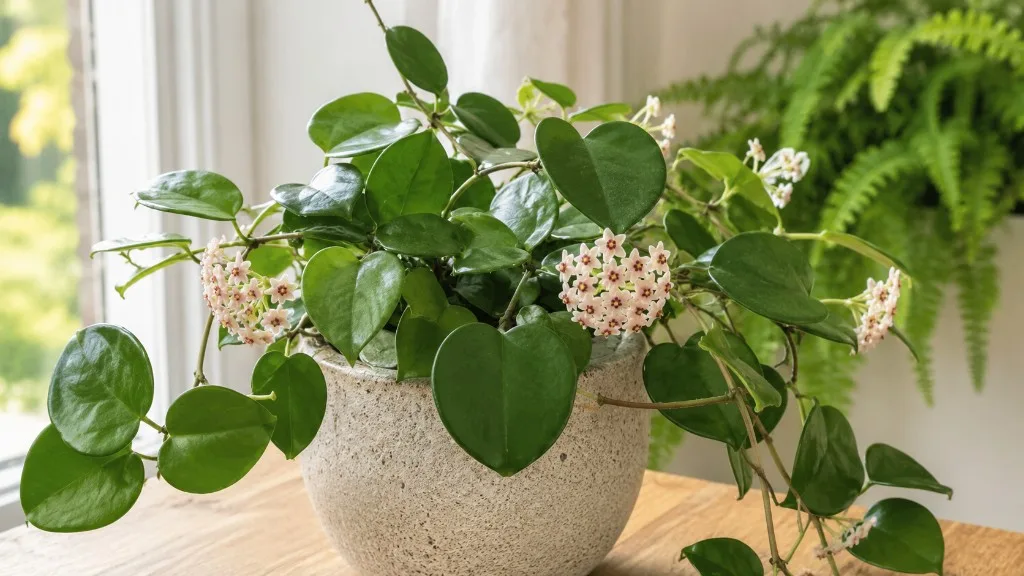
Hoya Kerrii Pruning Guide: When, Where, and What to Cut
Hoya Kerrii Pruning Guide: When, Where, and What to Cut
Hoya Kerrii pruning starts with one rule: remove only dead, diseased, or clearly damaged stems before you consider anything cosmetic. Sweetheart Hoya is a slow epiphytic vine whose thick heart-shaped leaves store water and whose woody peduncles reuse the same bloom sites year after year. Most owners need very little cutting. The wrong snip - especially on a post-bloom stub or a bare runner - can cost you leaves or flowers for seasons.
Quick Answer - Start With Dead Stems Only
Before shaping, scan the plant for stems that are dry, blackened, mushy, or pest-ridden. Cut those out immediately with sterilized snips, slicing just above healthy tissue or at the base where the stem meets the main vine. That is your first and often only action.
If the plant looks green, firm, and fits its space, you do not need a pruning schedule. Many mature Hoyas go years without cosmetic cuts. Reserve light shaping for late spring through early summer, when NC State Extension notes the species is actively growing, and never remove more than about one-third of living foliage in one session.
Know What You Are Growing: Single Leaf vs Vine
Pruning advice only applies once you know which Hoya kerrii you own. Gift shops often sell a rooted heart-shaped leaf in a tiny pot. Mature nursery plants arrive with stems, multiple leaf pairs, and eventually long twining vines.
Single-Leaf Gift Plants Need No Pruning
A typical single-leaf Sweetheart Hoya has nothing useful to prune. Iowa State Extension explains that these rooted leaves usually lack a stem node, so they may stay green for years but never develop into a vining plant. There is no vine to shorten, no peduncle to protect, and cutting the only leaf ends the display.
Yellowing or softening on a single leaf signals a care problem - usually overwatering on Hoya Kerrii or insufficient light - not a cue to trim. If you want a plant that responds to pruning and can eventually bloom, start with a stem cutting that includes at least one node and ideally two or more leaves.
Vining Specimens Respond to Node Cuts
A true vining Hoya kerrii carries nodes along the stem - slightly swollen points where leaf pairs attach, aerial roots may emerge, or peduncles branch off. New shoots activate from node tissue after a clean cut, not from random bare internodes. Under good indoor light, vines can eventually reach several meters, but growth stays slow compared with pothos or tradescantia.
Expect two to four weeks for visible new shoots when you prune during active growth. Outside that window, buds may stay dormant for months - normal for Hoya Kerrii overview.
What to Inspect Before You Cut
Walk the vine once with shears still in the drawer. Check each stem for green plumpness versus hollow brittleness. Scratch a questionable section lightly - living tissue shows green beneath the surface. Look for mealybugs in leaf axils; NC State Extension lists them among common pests on this species.
Mark or mentally note every peduncle - the short woody lateral stems that hold bloom spurs. On kerrii they jut from the vine at roughly a right angle and look knobbier than green succulent tissue. Also identify bare runners: leafless tendrils that alarm owners but often precede new foliage on healthy plants.
Ask whether leggy internodes reflect weak light rather than a structural problem. Stretched growth frequently clears up after a gradual move to brighter indirect light. Pruning without fixing light repeats the same pattern from the next node.
When to Prune Hoya Kerrii
Timing separates fast recovery from a long bare wait on this slow grower.
Spring and Early Summer for Shaping
Late spring through early summer is the main window for cosmetic work - shortening one leggy leader, removing a crossing stem, or lightly tidying unruly tips. Day length and warmth align with the plant’s active phase, so wounds close faster and buds near cut points wake sooner.
Plan one session, then wait. If the vine still needs reshaping after two or three weeks of response, a second light pass is safer than one aggressive afternoon. Spread major work across two or three weeks rather than stripping foliage all at once.
Emergency Removal Anytime
Dead, diseased, or pest-infested stems come out whenever you find them - rot-blackened sections, vines mined by mealybugs, or tissue with visible cankers. These are triage cuts, not calendar-dependent shaping.
Individual yellow or mushy leaves can be snipped at the petiole base if they detach cleanly; do not pull and tear succulent tissue. If you are tempted to trim living green growth in midwinter because the plant “looks messy,” wait until spring instead.
Where to Cut and How Much to Remove
Cut placement matters as much as timing on Hoya kerrii.
Cut Just Above a Node
Position the blade 5–10 mm above a healthy node on the portion you are keeping. Use one clean slice with sharp bypass shears on woody sections or micro snips on thin green growth. Dull blades crush succulent stems and slow healing.
Never cut mid-internode on the remaining vine - a bare stub without a node cannot produce new shoots. The growth you want emerges from the node region just below your cut.
Stay Under the One-Third Rule
Limit live-tissue removal to about one-third of foliage per session. Each heart-shaped leaf is a substantial photosynthetic and water-storage unit; stripping too much forces the vine to draw on stem and root reserves for an extended recovery. Dead material does not count toward the limit.
Selective trimming of one or two leggy leaders may produce slightly bushier growth over a full season, but kerrii will not fill out dramatically after a single cut the way faster houseplants do.
What Not to Cut
The most expensive pruning errors on Sweetheart Hoya involve structures that look untidy but serve a long-term purpose.
Peduncles and Bloom Spurs
Leave peduncles intact after flowering. NParks Singapore advises do not remove old floral stalks, as new buds will form from it. The Royal Horticultural Society similarly recommends leaving flower stalks in place because more blooms often sprout from previous clusters.
Hoyas rebloom from the same peduncle and spur across multiple seasons. Cut that woody stub after flowers fade and the plant must build entirely new bloom infrastructure - a process that can take a long time on slow kerrii, even when care is otherwise good.
Remove a peduncle only if it is clearly dead: black, mushy, rotted at the base, or detached with no firm attachment to healthy vine tissue.
Bare Runners Waiting to Leaf Out
Long, leafless tendrils panic owners who assume the vine is failing. On a healthy Hoya kerrii, bare twining stems often precede new leaves or flowers - NC State Extension explicitly warns not to cut them back for that reason.
When in doubt, leave the runner attached, improve light modestly, and wait one full growing season. Trim only if the tendril is desiccated throughout, brittle with no plump green at the tip, or part of a stem you are already removing for disease.
Tools, Sap, and Making the Cut
Sterilize blades with rubbing alcohol or hydrogen peroxide before you start and between plants. Hoyas bleed milky latex sap when wounded - normal for Apocynaceae. Avoid skin and eye contact; wash after handling. Open air drying heals kerrii cuts well indoors; wound sealant is unnecessary.
Hold the vine gently without twisting thick succulent tissue. Make the cut in one motion, inspect the face for a clean moist surface rather than crushed fibers, and dab dripping sap with a paper towel without rubbing. Reassess from a distance before a second cosmetic cut - most kerrii need fewer snips than you first expect.
Bag and discard diseased trimmings. Healthy node-bearing cuttings can propagate separately, but that is optional and does not change the parent plant’s recovery timeline.
After Pruning: Recovery and Maintenance
Post-cut care should reduce stress, not pile on inputs. Keep Hoya Kerrii light guide steady - no sudden move into harsh direct sun or a dark corner. Maintain your normal Hoya Kerrii watering guide: let the top half of the mix dry, then water thoroughly and drain the saucer.
Hold fertilizer for two to three weeks after any substantial live-tissue cut. Resume at half-strength balanced liquid only when new growth appears during active months. Expect two to four weeks for first visible shoots from spring or summer pruning and six to eight weeks before the plant looks settled. Out-of-season cuts may show little response until the next warm cycle.
Long-term maintenance means protecting peduncles during routine checks, fixing legginess with better light before shears, and accepting slow character rather than forcing bushiness.
Common Pruning Mistakes
Removing peduncles after bloom remains the most widespread error - those stubs look like deadheading targets but are reusable bloom sites. Train vines so peduncles sit against a trellis if aesthetics bother you.
Hard winter cosmetic pruning leaves wounds open in low light with dormant buds. The plant stays bare for months without compensating growth.
Pruning a single-leaf pot accomplishes nothing except ending a living decoration.
Cutting too much at once on a slow species strips the leaf area it needs to rebuild - stay under one-third and stage major reshaping across weeks.
Trimming bare runners prematurely removes the structure from which future leaves and flowers emerge.
Conclusion
Hoya Kerrii pruning succeeds with restraint. Start by removing only dead or diseased stems, identify whether you have a single-leaf novelty or a vining plant, and save cosmetic cuts for late spring and early summer. Cut just above nodes, protect peduncles as permanent bloom infrastructure, and leave bare runners alone until you are certain they are dead. Fix legginess with brighter light before reaching for shears. With that approach, Sweetheart Hoya keeps its stored energy, heals cleanly, and stays ready to flower from the same spurs when conditions align.
When to use this page vs other Hoya Kerrii guides
- Hoya Kerrii overview - Start here for whole-plant context before deep-diving this topic.
- Hoya Kerrii problems hub - Jump to symptom-specific fix guides when this care topic does not resolve the issue.
- Leggy Growth on Hoya Kerrii - Escalate here when pruning adjustments are not enough.
- Slow Growth on Hoya Kerrii - Escalate here when pruning adjustments are not enough.
- Brown Tips on Hoya Kerrii - Escalate here when pruning adjustments are not enough.