Prune Hoya Carnosa Without Losing Future Blooms
Prune Hoya Carnosa Without Losing Future Blooms
Prune Hoya Carnosa Without Losing Future Blooms
Quick Answer - Scan for Peduncles Before Any Cut
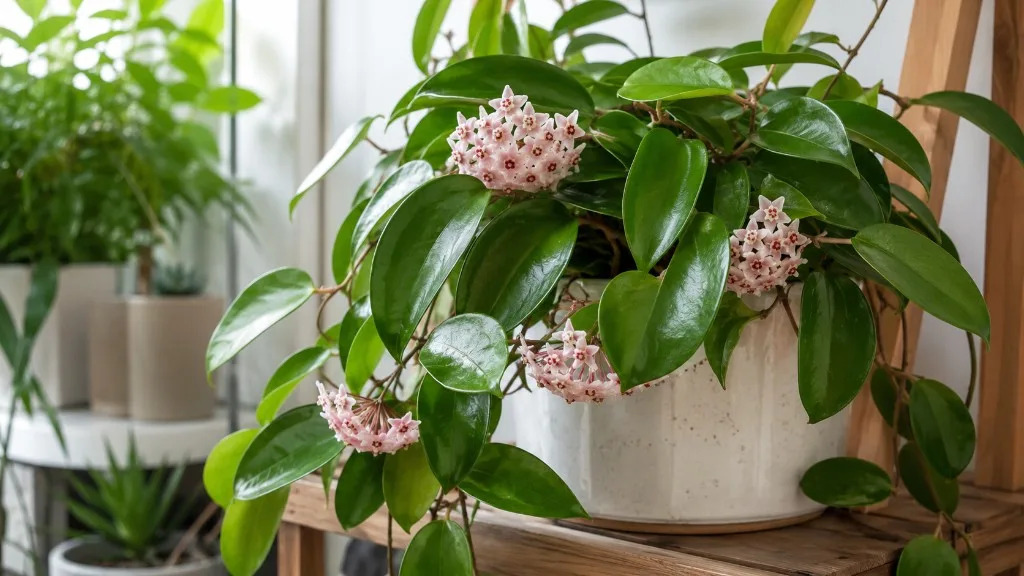
Before you trim a single stem on Hoya Carnosa, rotate the plant under good light and locate every peduncle - the short, woody flower spur from which umbels of waxy blooms form. Those spurs look bare and inactive between bloom cycles, but they are permanent rebloom sites. NC State Extension warns that cutting off peduncles where flowers have already been produced removes future flower clusters from that location.
Your first pruning action is identification, not removal. Mark or photograph spur locations, then remove only confirmed dead, mushy, or pest-damaged stems. Shape living vines later - during active growth - by cutting above a node, never through a spur. If you remember one rule after reading this guide: leave every healthy peduncle on the plant permanently.
Why Hoya Carnosa Pruning Starts With Flower Spurs
Most houseplant pruning is foliage-first. Wax plant pruning is spur-first. On a mature Hoya carnosa, the structures that matter most for long-term performance are often not the leaves but the knobby projections at nodes where fragrant star-shaped flowers appear year after year.
Hoyas in this genus rebloom from the same peduncle repeatedly rather than inventing a fresh flower site every season. Iowa State Extension notes that peduncles persist and produce flowers across multiple cycles; removing them forces the plant to build new flowering infrastructure elsewhere - a process that can take months or years indoors. That biology explains why a hard “cleanup” after blooming is one of the fastest ways to reset a wax plant’s bloom timeline.
Pruning here is selective editing on a vine that may live decades in the same pot. You are managing shape and health while preserving bloom equipment, not resetting the plant like a disposable annual.
Peduncle vs Tendril vs Dead Wood
A peduncle is a stiff, somewhat woody spur at or near a node. After flowers fade, the umbel dries and individual blossoms drop, but the spur stays attached. A tendril is a long, thin, leafless shoot with a flexible green tip - normal exploratory growth on a climbing epiphyte. Dead wood is uniformly brown or gray, brittle, and shows no green when you lightly scratch the surface.
The dangerous mistake is treating a dormant spur like dead wood because it sits leafless between cycles. The Royal Horticultural Society advises leaving old flower stalks in place because more blooms often develop from the same site. When uncertain, wait one full growing season before deciding a spur is nonfunctional.
When to Prune Hoya Carnosa
Timing matters because Hoya carnosa is a slow to moderate grower indoors. Cosmetic cuts made outside active growth sit visibly longer before new shoots appear.
Best Window for Shaping
Early spring through early summer is the best window for shaping cuts in most homes. The plant is waking up or actively pushing leaves, day length is increasing, and nodes below your cuts can branch within weeks. NC State Extension recommends pruning in early spring before rapid growth begins when structural trimming is needed.
Avoid major renovation in late fall and winter unless you are removing dead or diseased tissue. Cooler temperatures, shorter days, and slower drying of potting mix all delay visible recovery. Light tip pinching during a warm, bright stretch is safer than a dramatic haircut in December.
Cuts That Ignore the Calendar
Remove dead, mushy, or clearly pest-infested stems any time of year. Cut back to firm green tissue above a healthy node, sterilize tools between cuts if rot or disease is present, and fix the underlying stressor - usually overwatering on Hoya Carnosa, poor airflow, or an active infestation - before expecting lush replacement growth.
Treat mechanical damage the same way: a vine snapped by a moving pot, a chewed tip, or a support-hook tear gets a clean re-cut slightly above the nearest node below the break. Map peduncle locations first so emergency work does not accidentally clip spurs near the damaged section.
What to Check Before You Cut
Spend five minutes inspecting before blades touch tissue. Look for peduncles along older vines - short woody stubs, often slightly swollen at the base. Note active tendrils with green growing tips; these may eventually leaf out or host new spurs on mature plants. Flag crossing or rubbing stems that create wounds in humid rooms. Identify leggy sections with widely spaced leaves, which often signal weak light even if trimming also helps manage size.
Also check whether the plant is budding or blooming. Pruning during active bud development can abort developing umbels. If flowering clusters are forming, defer cosmetic shaping until after the display unless you are removing damaged tissue only.
What does not require pruning: slow winter growth, old spurs without current buds, and long bare tendrils that are still alive. Those are normal wax plant behaviors, not problems scissors will fix.
The First Cut to Make
After you have mapped peduncles, remove confirmed deadwood only. Cut dead stems back to live tissue or to the junction where they join healthy vine. This cleanup clarifies the silhouette and prevents you from shaping around tissue that should leave the plant anyway.
Do not start with tip pinching, size reduction, or “tidying” bare spurs after bloom. Deadwood first; everything else waits until you can see the living structure clearly and, for cosmetic work, until the plant is in active growth.
What You Can Cut, What to Leave Alone
Think in three buckets:
Always remove: brittle dead stems; soft brown rotting sections; leaves or stems with advanced pest damage you are isolating; tissue clearly infected with mold or bacterial rot.
Optional shape or size control: overly long leafy vines upsetting balance in a hanger; duplicate stems crowding the same zone; soft green tips you pinch to encourage side shoots; propagation segments taken intentionally from spur-free vine.
Never remove: healthy peduncles, even when bare and woody; leafless sections you have not checked for embedded spurs; more than about one-third of total healthy foliage in one session on an otherwise healthy plant.
Bare Vines and Long Tendrils
Bare strands confuse almost every Hoya owner at some point - and they are where rebloom potential is most often lost. Hoya carnosa sends leafless tendrils that can run inches or feet before leaves appear. Flower spurs can also form along older, sparsely leafed sections on mature specimens, meaning a bare vine is not automatically disposable.
Before cutting a bare section, trace it to its origin and mark any peduncles along its length. Check whether the tip is actively growing. Scratch-test for green tissue. If the vine is alive, carries spurs, or is still extending, leave it unless space forces a hard choice. When you must shorten, cut above the highest peduncle you intend to keep, never through a spur to “clean the line.”
Confirmed dead bare vine - brittle throughout, no green under the bark - can be removed back to the nearest healthy node junction without affecting bloom sites on living tissue.
How to Prune Hoya Carnosa Step by Step
Work slowly. One or two cuts, then step back.
- Inspect and map peduncles, tendrils, damage, and target areas under bright light.
- Sterilize tools with 70% isopropyl alcohol on a cloth or dip, especially if you recently trimmed a mealybug-infested plant.
- Remove deadwood back to live tissue or main junctions.
- Resolve conflicts - crossing branches, stems rubbing pot rims or glass - by cutting just above a node on the section you are removing.
- Shape lightly by shortening overly long leafy vines above the node where you want branching.
- Pinch soft tips during active growth if you want bushier growth without large wounds.
- Clean sap and debris - dab dripping latex with a dry towel; dispose of cuttings rather than leaving moist waste on the soil surface.
Where to Cut at the Node
Hoya carnosa branches from nodes - joints where leaves and aerial roots emerge - not from random internode tissue. Place the cut roughly ¼ to ½ inch (5–12 mm) above a healthy node. A long bare stub above the node browns and dies back; cutting too close can damage bud tissue at the node itself.
For propagation, take spur-free segments with at least one node (two is better) plus a few leaves. Strip lower leaves that would sit below the medium, let heavy sap dry briefly, then root in airy mix or water. Do not propagate from peduncle tissue - spurs belong on the parent plant for future blooming.
How Much You Can Safely Remove
Limit healthy foliage removal to about one-third of the plant per session. Wax plants recover slowly when stripped heavily, especially outside the active season, because leaves drive the carbohydrate reserves needed for new shoots. Major renovation is safer as two or three staged sessions weeks apart during warm, bright weather than as one hard chop.
Hard pruning does not create new peduncles on command. Future flowers still depend on the plant maturing new bloom sites over time. If you hard-prune because the plant was leggy, improve light intensity at the same time or new growth will stretch again and invite another cut cycle.
Never combine hard pruning with Hoya Carnosa repotting guide, heavy feeding, and a location move in the same week. Hoya carnosa forgives stacked stress slowly.
Tools, Sap, and Safe Handling
You need sharp, clean tools - dull blades crush Apocynaceae stems. Use bypass pruning shears or micro-tip snips for most stems up to pencil thickness; larger mature vines may need bigger bypass pruners. Avoid tearing stems by hand.
Hoya carnosa belongs to Apocynaceae and exudes white latex sap when cut. It can irritate skin, stain fabric, and cause discomfort if it contacts eyes. Wear gloves if you are sap-sensitive; wash skin promptly with soap and water after contact. Hoya carnosa is listed as non-toxic to cats and dogs by the ASPCA, but sap ingestion can still cause mild stomach upset, and chewing damage matters more than the toxicity label alone.
Lay a towel under the pot if you are working over furniture. Let cut ends air dry rather than applying sealants - open wounds heal well in typical room humidity. Photograph spur locations before you start if this is your first trim on the plant.
After Pruning Care and Recovery
After pruning, Hoya carnosa needs stability, not stimulation. Keep Hoya Carnosa light guide consistent - avoid moving the pot to a darker corner because the plant looks temporarily sparse. Water on your normal dry-down rhythm; reduced leaf area means the pot dries more slowly, so adjust by feel rather than calendar.
Hold fertilizer for two to three weeks after anything beyond light pinching. Fresh nitrogen pushes soft growth before wounds stabilize. Resume balanced or bloom-appropriate feed at half strength once new leaves unfurl.
Avoid repotting for several weeks post-prune unless the trim revealed root rot on Hoya Carnosa that must be addressed. Do not rotate the plant daily while new buds orient - Hoyas can abort developing flower clusters when orientation shifts during bud formation.
Expect new shoots from nodes below cuts in two to four weeks during active-season growth. Full visual fill-in may take six to eight weeks or longer on slow winter recovery. Bloom timing on peduncle-bearing sections follows its own schedule; pruning elsewhere does not force flowers on your timeline.
Mistakes That Stop Rebloom
The costliest error is peduncle removal - including the post-bloom tidy impulse when flowers fade and the bare stub looks untidy. Let spent blossoms drop naturally; leave the spur permanently in place.
Other common setbacks: shearing the plant like a hedge and destroying spurs hidden in the cut mass; pruning heavily while budding or blooming; confusing tendrils with dead wood and removing sections that would have leafed out or hosted new spurs; over-pruning a stressed plant with root issues, recent repotting, or chronic overwatering before fixing the stressor; leaving long stubs above nodes that die back and prompt secondary cuts near nearby peduncles.
If flowering stopped after a trim, review honestly whether any spurs were removed. The fix is patience and excellent baseline care - not another corrective prune. Protect every new peduncle going forward.
Conclusion
Hoya carnosa pruning is less about how much you cut and more about what you refuse to cut. Identify peduncles before any blade work, remove dead tissue first, shape living vines above nodes during spring and early summer when possible, and treat post-bloom spurs as permanent bloom equipment. Stay under the one-third foliage guideline, keep tools clean, manage latex sap thoughtfully, and pair shaping with stronger light so new growth stays compact. A well-pruned wax plant looks intentional but natural - and keeps its spur map intact so fragrant umbels can return to the same sites season after season.
When to use this page vs other Hoya Carnosa guides
- Hoya Carnosa overview - Start here for whole-plant context before deep-diving this topic.
- Hoya Carnosa problems hub - Jump to symptom-specific fix guides when this care topic does not resolve the issue.
- Leggy Growth on Hoya Carnosa - Escalate here when pruning adjustments are not enough.
- Slow Growth on Hoya Carnosa - Escalate here when pruning adjustments are not enough.
- Brown Tips on Hoya Carnosa - Escalate here when pruning adjustments are not enough.