Dracaena Pruning (Corn Plant & Dragon Tree): When, How
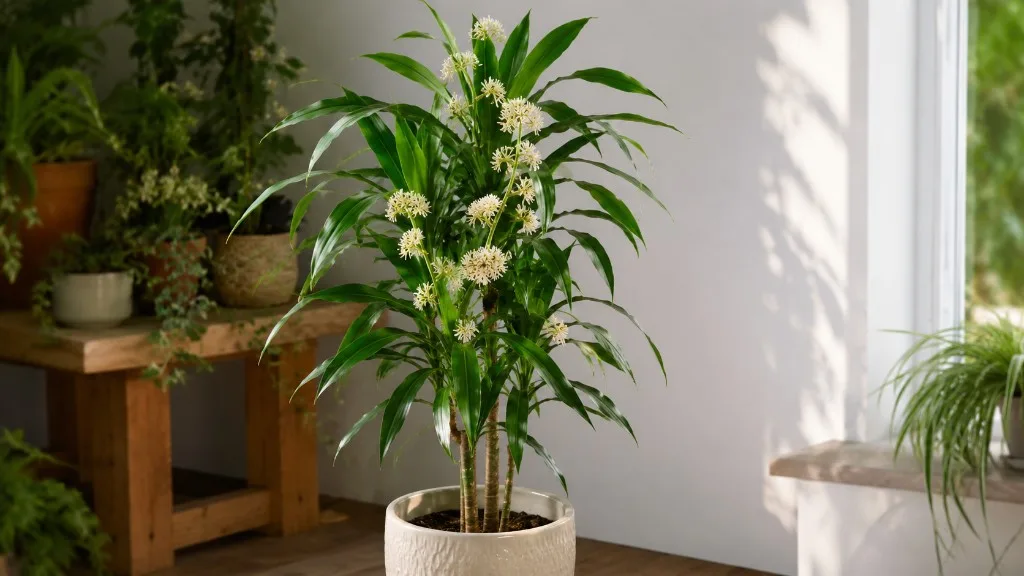
Dracaena Pruning (Corn Plant & Dragon Tree): When, How, and Mistakes to Avoid
Dracaena Pruning (Corn Plant & Dragon Tree): When, How, and Mistakes to Avoid
Dracaena Pruning - Quick Answer (Two Jobs)
Start by removing only tissue that is already dead or clearly damaged - fully brown dry leaves, mushy cane sections, or leaf tips that are crispy brown all the way through. Pull or snip those first with clean scissors before you decide whether the plant also needs a structural cane cut. That single inspection step tells you which of Dracaena’s two pruning jobs applies: cosmetic cleanup (tips and senescing leaves) or cane topping (height control and bushier regrowth from nodes).
Indoor Dracaena - corn plant (Dracaena fragrans), dragon tree (Dracaena marginata), Janet Craig, Warneckii, and related cane types - grow as woody stems with strap leaves clustered at the top. Lower foliage drops naturally, leaving bare trunk and a leafy crown that eventually hits the ceiling. Topping the cane just above a leaf node in late spring redirects growth to dormant buds below the cut. Trimming brown tips on otherwise green leaves improves appearance but does not change architecture - and will not stop fluoride burn from tap water unless you also switch water sources.
Common Indoor Dracaena Types - Which Guide to Use
This page is the genus pruning hub for cane-type Dracaena. Node placement, the one-third structural limit, and dead-tissue-first inspection apply to every type below. Cultivar pages add species-specific leaf shape, recovery speed, and office-floor-tree context where it changes what you see after a cut.
| Type | Common names | Leaf habit | Typical indoor form | Use this guide for… | Cultivar page for extra detail |
|---|---|---|---|---|---|
| D. fragrans | Corn plant, mass cane, happy plant | Wide strap leaves, 30–45 cm long | Multi-cane floor tree, often ‘Massangeana’ | Shared node rules, fluoride tip burn, multi-cane staging | Corn plant pruning |
| D. marginata | Dragon tree, Madagascar dragon tree | Narrow leaves with red margins | Single or multi-trunk with slender crown | Shared node rules, leggy single-cane topping | Dragon tree pruning |
| D. deremensis ‘Janet Craig’ | Janet Craig dracaena | Short, dark green clustered leaves | Compact rosette on thick cane | Shared node rules; slower branching in deep shade | Janet Craig pruning |
| D. deremensis ‘Warneckii’ / ‘Lemon Lime’ | Striped dracaena | Grey-green or chartreuse stripes | Medium cane, variegated rosette | Tip-burn visibility on pale tissue; same cut placement | This genus guide + Dracaena overview |
If your plant label matches one cultivar name and you want leaf-specific recovery notes, read the cultivar page after confirming your problem type in the decision tree below. If you own several Dracaena species in one home, stay on this page for shared biology and use cultivar links only where habit differs.
Which Pruning Job Do You Need?
Match the symptom to the technique before touching bypass pruners:
Brown tips only, green leaf below     →  Cosmetic tip trim + fix water quality
Yellow lower leaves, firm cane        →  Remove senescing leaves (normal aging)
Leggy height, bare trunk, top-heavy   →  Cane topping above a node (spring)
Mushy cane at soil line               →  Emergency rot cut to firm wood (any season)
Rapid yellowing + wet soil            →  Fix watering/roots first - not shaping
Cosmetic work never counts toward the one-third structural limit. Cane topping does. Mixing the two jobs on the same day is fine - dead tissue first, then decide on structure - but do not top a cane while the plant is recovering from root rot on Dracaena or a recent repot.
For ongoing care context after pruning, see Dracaena watering, light placement, and propagation from cuttings.
What to Check Before You Cut
Walk the plant from base to crown before touching pruners. Feel the cane: firm wood is healthy; soft, wet, or collapsing tissue at soil level signals rot and needs removal, not shaping. Scan leaf undersides for scale, mealybugs, or sticky residue - pruning a pest-loaded plant spreads problems and adds stress on top of open wounds.
Decide which problem you are solving:
- Leggy height, bare trunk, top-heavy crown → structural cane topping may help, but only if the cane below your planned cut still has viable nodes.
- Brown leaf tips with green tissue below → cosmetic trim plus water-quality fix; no cane cut needed.
- Yellow lower leaves on an otherwise stable plant → often normal aging; remove only when mostly dead.
- Rapid yellowing of many leaves plus soft cane → root or watering stress; fix the cause before optional shaping.
Postpone voluntary topping if the plant was recently repotted, treated for pests, or sat in cold drafts below 13°C (55°F). Pruning redirects energy; a plant with compromised roots may not have reserves to branch. Review soil drainage and fertilizer timing if decline started before you planned any cuts.
When to Prune Dracaena
Timing matters for cane topping, not for pulling a single dead leaf. Dracaena grows faster when days are long and warm, even indoors - structural cuts made during that window heal faster and push new shoots sooner.
| Month (temperate indoor home) | Dead / diseased tissue | Cosmetic tip trim | Cane topping & major reshape |
|---|---|---|---|
| Jan–Feb | Yes - anytime | Yes, if tips are fully dry | Avoid - slow bud break |
| Mar–Apr | Yes | Yes | Good - growth resuming |
| May–Jun | Yes | Yes | Best window - fastest recovery |
| Jul–Aug | Yes | Yes | Good - active growth continues |
| Sep–Oct | Yes | Yes | OK for mild climates; slowing growth |
| Nov–Dec | Yes - emergency only for rot | Yes | Avoid voluntary structural cuts |
Best window for topping or major reshaping: late spring through early summer, when you see fresh leaf unfurling at the crown or along the cane. Clemson HGIC notes that dracaenas propagate readily from cuttings in spring or late summer - the same active-growth periods when heading cuts recover fastest.
Avoid heavy cane work in autumn and winter when growth slows. Wounds seal slowly and buds may sit idle until spring. A May cut often shows bud swell in two to three weeks; a December cut in a dim office may wait months.
Cleanup of dead, diseased, or pest-infested tissue can happen any time. If a cane section is mushy from rot, cut it out immediately. The seasonal rule applies to optional shaping on healthy wood, not emergency removal.
How Dracaena Branching Works - Nodes and Auxin
Dracaena does not sprout from random bare wood between leaves. New shoots emerge only from leaf nodes - ring-shaped scars on the cane where a leaf attached or still attaches. When you remove the apical growing tip, auxin dominance lifts and lateral buds at nodes below the cut activate. RHS confirms that dragon plants readily produce new shoots on the stems just below where the cut is made.
Typically two to four new heads emerge within a few weeks during active growth, though species, light, and node health affect the count. Lower cuts produce a shorter, bushier plant; higher cuts preserve trunk length while branching the crown.
Finding a Node on Bare Cane
Even when lower leaves have dropped, node scars remain. Look for a slight ring or horizontal line encircling the woody stem:
        [ leafy crown ]
              |
    ··········|··········  ← cut here (5–10 mm above node)
         _____|_____         ← NODE (ring / leaf scar)
              |
         smooth internode    ← will NOT sprout
              |
         _____|_____         ← another node
              |
         [ soil line ]
Make your heading cut 5–10 mm (about ¼ inch) above a healthy node at a 45-degree angle. Never cut through the node itself; never leave a long bare stub above it. Choose nodes with a live leaf or firm scar; avoid soft or discolored wood.
The First Cut: Dead Tissue Only
After your inspection, the first cut is always dead or damaged material only. Grasp a fully brown leaf near its base and pull downward along the cane; if it separates cleanly, the abscission zone was ready. If it resists, cut the petiole flush with the cane using sterilized shears rather than tearing.
For brown tips that are dry and crispy, use sharp scissors to remove only the dead tissue, shaping the cut to follow the leaf’s natural pointed tip. Leave a tiny margin of brown at the edge rather than cutting into green cells - green tissue cut at the tip often dies back a few millimeters anyway.
Only after dead tissue is cleared should you decide whether a heading cut on the cane is warranted. Many Dracaena need months or years between structural prunes; tip trimming may be the only job for seasons.
Topping a Cane - Where and How to Cut
Topping - removing the growing tip - forces branching from buds at leaf nodes below the cut. Nurseries use this to create multi-headed “tree” forms with two, three, or four rosettes on one trunk. At home it solves legginess and ceiling-height problems.
Clemson HGIC states plainly: if stems become too long and bare, cut them off at the desired height and new leaves will soon appear.
Step-by-Step Cane Topping
Step 1 - Plan the height. Decide target canopy level and locate the node just below it. On multi-cane pots, choose whether to match heights or stagger for a tiered look.
Step 2 - Sterilize blades with 70% isopropyl alcohol.
Step 3 - Cut once. Hold the cane steady. Slice at 45 degrees through the cane 5–10 mm above the chosen node in one smooth motion with sharp bypass pruners.
Step 4 - Pause on multi-cane plants. Assess one cane before cutting the next. Restoring height is impossible; adding more later is easy.
Step 5 - Leave the wound open. No sealant, paint, or wax - Dracaena calluses clean cuts in open air when not overwatered.
Step 6 - Place in bright, indirect light with your normal watering rhythm. Bud swell appears within two to four weeks in spring or summer. Save the removed top for propagation if it includes healthy cane and leaves.
Trimming Brown Tips vs. Removing Whole Leaves
Brown tips on Dracaena fragrans and Dracaena marginata are often caused by fluoride and salts in tap water, inconsistent watering, or fertilizer buildup - not by a need for cane topping. Clemson HGIC identifies fluoride sensitivity as a primary cause of scorched tips and margins; the fix is filtered or low-fluoride water and soil pH kept between 6.0 and 6.5, not repeated scissors work alone.
Yellow leaves on the lower trunk are frequently normal senescence as the plant matures. Rapid yellowing of multiple leaves at once, especially with soft cane tissue, points to overwatering on Dracaena - address roots before aggressive leaf removal.
Brown Tip Technique
Use sharp, sterilized scissors. Trim only dry brown tissue, following the leaf’s natural shape. Many growers leave a hair of brown at the margin to avoid cutting into living cells. Wait until tips are fully crispy before trimming.
If tips return on every new leaf after trimming, switch to filtered, distilled, or rainwater and flush the pot to leach salt buildup. Humidity above 40% helps leaf edges but is secondary to fluoride control for most indoor specimens.
When to Remove Whole Leaves
Remove an entire leaf when it is fully brown or yellow from base to tip, detaches with a gentle downward tug, or shows spreading disease spots. Do not strip every partially yellow leaf - it may still be exporting nutrients. On mature corn plants, a bare lower third of cane is normal aging, not a signal to cut the cane unless you want height reduction.
Height Control for Tall or Leggy Specimens
A Dracaena fragrans ‘Massangeana’ that has grown to the ceiling cannot be bent; the options are relocation, acceptance, or cane topping. For maximum height reduction, cut lower on the cane where nodes remain viable. For moderate control, cut just above the topmost node below your target.
Leggy internodes usually mean insufficient light. Move the plant to brighter indirect light per the light guide before or after topping so new shoots stay compact rather than stretching toward the nearest window. Multi-cane arrangements can be topped individually for a sculptural tiered look or cut to one level for uniform regrowth.
How Much You Can Safely Remove
Limit structural pruning to no more than one-third of the plant’s foliage-bearing height or leaf mass in one session. Removing more can shock Dracaena outside active growth, causing prolonged dormancy or slow bud break.
For dramatic reduction - cutting a seven-foot cane to two feet - use a staged approach: top one cane, wait three to four weeks for visible bud activity, then shorten another cane in the same pot if needed. Cosmetic removal of brown tips or dead leaves does not count toward the one-third rule the same way, but stripping every remaining leaf off a stressed plant is effectively a hard cut.
If the plant was recently repotted, recovering from root rot, or under pest treatment, postpone optional topping until new growth confirms stability.
Species Differences: Fragrans vs. Marginata vs. Janet Craig
All three branch from nodes above the cut, but recovery speed and crown shape differ enough to plan expectations:
| Species / cultivar | Typical bud count after topping | Recovery speed (spring, bright light) | Pruning notes unique to type |
|---|---|---|---|
| D. fragrans (corn plant, ‘Massangeana’) | 1–3 thick upright heads | Moderate - bud swell 2–4 weeks, crown fill 6–8 weeks | Wide straps hide node scars; multi-cane pots common; fluoride tips frequent |
| D. marginata (dragon tree) | 2–4 slender shoots | Moderate to fast in good light | Narrow leaves; single trunk often leggy; Clemson HGIC recommends cutting stems back to force branching |
| D. deremensis ‘Janet Craig’ | 1–2 compact rosettes | Slower in low light | Shorter leaves, tighter crown; deep-shade specimens branch sluggishly after topping |
Node placement rules are identical. For cultivar-specific floor-tree context and wide-strap tip-burn detail, see corn plant pruning. For slender multi-head dragon tree shaping, see dragon tree pruning.
Recovery Timeline and Aftercare
After a spring or summer heading cut, expect visible bud swell within two to four weeks on a healthy plant in bright indirect light. New leaves unfurl over the following four to eight weeks, producing a noticeably fuller crown by midsummer. Out-of-season cuts may show little activity for eight to twelve weeks or until spring returns.
The cut surface calluses within days in warm conditions. A thin ring of brown around the wound is normal drying tissue as long as the cane below stays firm. Soft, wet, expanding discoloration below the cut means rot - remove back to firm wood with a fresh sterilized cut and review watering.
After topping, keep light bright and indirect, water when the top two inches of mix are dry (same rhythm as before), and hold fertilizer for two to three weeks until new growth appears. Avoid Dracaena repotting guide in the same month as a major heading cut. Do not move the plant between dramatically different light levels immediately after topping.
Brown tip trimming shows immediate cosmetic improvement but the trimmed leaf does not lengthen again - only new leaves emerge clean once water quality improves.
If you share your home with pets, remember that Dracaena contains saponins toxic to cats and dogs. The ASPCA lists corn plant (Dracaena fragrans) as toxic, with ingestion causing vomiting and depression. Dispose of trimmings where curious pets cannot chew them, bag cuttings before composting if pets access compost bins, and wash hands after handling cut canes. Contact your veterinarian or ASPCA Animal Poison Control if a pet ingests plant material.
Using the Cuttings
The removed top often roots easily. Cut into 6–12 inch sections with at least one node each, or root the whole rosette in water, moist perlite, or well-draining mix. Strip lower leaves below the water or soil line. Roots form in two to six weeks in warm, bright indirect light while the parent stub branches independently. Clemson HGIC lists tip and stem cuttings among standard propagation methods; NC State Extension describes cane cuttings for corn plant and related thick-stem houseplants.
Dead leaf trimmings do not propagate - compost or discard them.
Mistakes to Avoid
Cutting in the wrong place - stubs above nodes die back; cuts through bare internodes fail to branch; cuts below your lowest desired node remove the bud zone. Always identify the node first.
Pruning too much at once - taking more than one-third of living canopy or topping every cane simultaneously on a stressed plant triggers long recovery or bud failure. Stage dramatic reshapes across weeks.
Winter topping on healthy optional cuts - emergency deadwood removal is fine; voluntary height reduction can wait for spring.
Trimming brown tips without fixing water - an endless cycle of scissors work. Switch water sources and flush salts first.
Cutting into green leaf tissue when removing tips - invites new brown edges. Trim dead only, with a hair of brown left at the margin if needed.
Using dirty or dull tools - crushes cane fibers and spreads disease. Alcohol-wiped, sharp bypass pruners cost less than replacing a mature specimen.
Ignoring light after topping - new shoots stretch weakly in dim corners. Branches need bright indirect light daily to stay compact.
When to use this page vs other Dracaena guides
- Dracaena overview - Start here for whole-plant context before deep-diving this topic.
- Dracaena problems hub - Jump to symptom-specific fix guides when this care topic does not resolve the issue.
- Leggy Growth on Dracaena - Escalate here when pruning adjustments are not enough.
- Slow Growth on Dracaena - Escalate here when pruning adjustments are not enough.
- Brown Tips on Dracaena - Escalate here when pruning adjustments are not enough.