Dracaena Watering: Schedule, Soil Checks & Mistakes
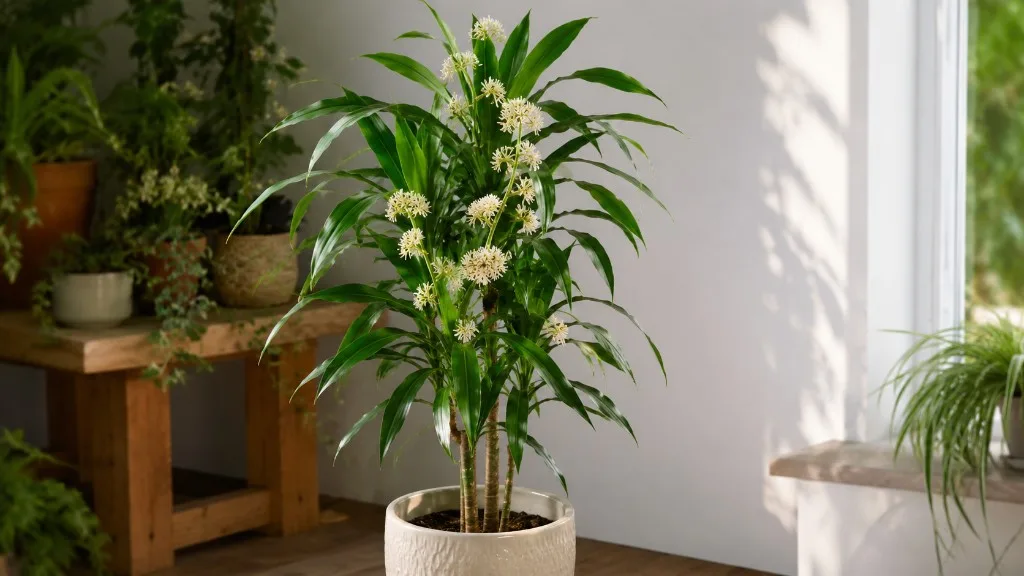
Dracaena Watering: Schedule, Soil Checks & Mistakes
Dracaena Watering: Schedule, Soil Checks & Mistakes
Dracaena watering is less about memorizing a weekly schedule and more about reading what the pot is telling you. These cane plants - corn plant (Dracaena fragrans), dragon tree (Dracaena marginata), Janet Craig, Warneckii, and dozens of other cultivars sold under the Dracaena name - evolved in tropical Africa where seasons swing between wet and dry, not perpetually damp. Indoors, they behave more like drought-tolerant foliage plants than thirsty tropicals. Let the top half of the soil dry between deep soakings, use water that will not poison the leaf margins with fluoride, and treat soggy soil as an emergency rather than a minor slip. Get those three things right and most Dracaena problems never start.
The practical goal is straightforward: check soil moisture at depth before every watering, water thoroughly only when the upper half of the pot feels dry, and empty the saucer within minutes so roots are not sitting in stale runoff. Use distilled water, rainwater, or reverse-osmosis water if brown tips keep appearing despite correct dry-down timing. Watch for yellow lower leaves, mushy cane at the soil line, and sour-smelling mix - those are overwatering on Dracaena signals that can escalate into root rot on Dracaena faster than most growers expect. A calendar can remind you to check; it should never replace the check itself.
This guide covers the top-half dry rule, how to test moisture reliably, why tap water causes brown tips, seasonal adjustments, overwatering warning signs, root rot recovery, and the mistakes that kill more Dracaena than drought ever does.
Why Watering Dracaena Is Different From Other Houseplants
Dracaena is not a fern, not a peace lily, and not a pothos. Those plants tolerate - or even prefer - soil that stays lightly moist most of the time. Dracaena roots need air between drinks. When soil stays wet for days after you watered, oxygen around the root zone drops, fine roots suffocate, and dormant fungi in the mix wake up. That is the pathway to stem rot and root rot, and it is why more Dracaena die from overwatering than from drying out.
At the same time, Dracaena is not a cactus. These plants store some moisture in their woody canes, which buys you forgiveness if you are a few days late. But repeated drought stress damages fine root hairs, and when water finally returns the plant may react with tip burn or leaf drop. The sweet spot is deep, infrequent watering with a real dry-down in between - not tiny daily sips and not months of neglect. Clemson HGIC advises allowing dracaenas to dry slightly between waterings, then watering thoroughly.
Water quality matters here more than it does for many common houseplants. Dracaena species are among the most fluoride-sensitive indoor plants, according to the Pacific Northwest Pest Management Handbooks, which document tip burn on Dracaena deremensis and Dracaena fragrans when irrigated with fluoridated municipal water (PNW Handbooks - Dracaena Tip Burn). Fluoride accumulates in leaf margins through the transpiration stream and causes permanent necrosis at tips and edges. You can water perfectly on timing and still see brown tips if the water itself is the problem. That dual sensitivity - to wet soil and to fluoride - is what makes Dracaena watering a distinct skill rather than a copy-paste of generic houseplant advice.
The Top-Half Dry Rule: How Often to Water Dracaena
The most reliable dracaena watering rule is simple: let the top half of the potting mix dry before you water again. For a typical 8–10 inch container, that usually means the top 2–3 inches feel dry to the touch, or the entire upper 50% of the soil volume has lost noticeable moisture. In practice, most indoor Dracaena need a thorough soak every 10 to 21 days, but that range is wide for a reason. A plant in Dracaena light guide near a window may dry in a week. The same cultivar in a dim hallway corner may take three weeks. Pot material, room temperature, humidity, and whether the plant is actively pushing new leaves all shift the timeline.
Do not wait for the whole pot to go bone-dry unless you are correcting chronic overwatering. Dracaena tolerates dry spells better than waterlogging, but letting the entire root ball desiccate repeatedly stresses the plant and can cause drooping, crispy tips, and slow growth. The target is dry in the upper half, slightly moist below - then a full drink that re-wets the entire root zone.
When you do water, soak until water runs freely from the drainage holes. That single deep watering reaches roots throughout the pot. Shallow top-ups keep the surface damp while the middle stays stale, which is one of the fastest routes to root problems.
How to Test Soil Moisture Before You Water
Relying on how the surface looks is unreliable. Potting mix can look pale and dry on top while staying wet several inches down - especially in peat-heavy blends that crust over. Use at least one of these checks every time:
- Finger test: Push your finger 2–3 inches into the soil. If it feels cool and clings to your skin, wait. If it is dry and crumbly at that depth, the top half has likely dried enough to water.
- Skewer test: Insert a dry wooden skewer or chopstick to the bottom of the pot. Pull it out and feel the wood. Moisture darkens the wood and makes it cold to the touch. Dry wood means dry soil at that level.
- Lift-and-weigh method: Learn how your specific pot feels when freshly watered versus ready to drink. A significantly lighter pot usually means the upper soil has dried. This takes a few cycles to calibrate but becomes fast and accurate.
- Moisture meter (optional): A meter reading in the lower third of the dry range at mid-pot depth confirms what your finger already told you. Meters lie in very chunky or very compacted mixes, so treat them as a second opinion, not the only signal.
The best method is the one you will actually use every time. Consistency matters more than gadgetry. After a month of checking before watering, you will start to sense how your particular Dracaena dries in its particular spot - and that intuition, backed by a physical test, is what separates thriving canes from chronically stressed ones.
What Goes Wrong When You Water on a Calendar
“Water every Sunday” is the most common dracaena watering mistake, and it fails for a predictable reason: soil does not dry at a fixed speed. Light changes with season and weather. Heating and air conditioning alter evaporation. A plant recently moved to a brighter spot uses water faster. A freshly repotted Dracaena sits in a larger volume of moist mix that dries slowly until roots fill the pot. A decorative cachepot without drainage traps runoff and keeps the bottom saturated even when you “only watered once this week.”
Calendar watering also trains you to ignore contradictory signals. You water on schedule while the leaves turn yellow and the cane feels soft at the base - classic overwatering - because Wednesday is watering day. Or you skip a scheduled watering while the pot is light and leaves are drooping, turning a recoverable dry spell into repeated drought stress.
Use a calendar as a reminder to check, not as permission to pour. If your reminder fires and the top half is still damp, skip watering and check again in two or three days. If your reminder fires and the soil is dry well past the halfway point, water that day regardless of what day it is. The plant does not read your phone notifications.
Fluoride Sensitivity and Brown Leaf Tips
Brown, dry, papery tips on otherwise green Dracaena leaves are one of the most common complaints in houseplant forums - and one of the most misdiagnosed. Growers raise humidity, cut back fertilizer, and adjust light while the real culprit keeps arriving through the watering can: fluoride in tap water.
Fluoride is an accumulative toxin in Dracaena foliage. Municipal water systems in many countries add fluoride at roughly 0.7–1.0 ppm to support dental health. Dracaena absorbs it through roots, moves it through the transpiration stream, and concentrates it at leaf margins and tips. There, it inhibits photosynthesis and causes necrosis - dead brown tissue that will not green up again (PNW Handbooks - Dracaena Tip Burn). Damage can be gradual. A plant that looked fine for months may develop tip burn after enough fluoride has built up in the oldest leaves.
Fluoride tip burn has a recognizable pattern. It starts at the very tip or along the leaf margin in a dry, papery line while the rest of the leaf stays green and the plant otherwise grows normally. Low humidity, by contrast, often causes broader edge browning, sometimes with wilting or multiple leaves crisping at once. underwatering on Dracaena produces limp foliage and dry soil throughout the pot, not isolated margin lines on well-hydrated leaves. If only the tips are affected and you have been watering on a reasonable dry-down schedule, test water quality before adjusting humidity.
Other fluoride sources can compound the problem. Perlite in potting mix and fertilizers containing superphosphate can increase fluoride availability in the root zone, according to Michigan State University Extension. The PNW Handbooks recommend keeping soil calcium levels adequate and maintaining a pH around 6.5–7.0 to reduce fluoride uptake, but switching water source delivers the fastest visible improvement for most home growers.
Tap Water vs Filtered, Distilled, and Rainwater
Tap water is the default for most households and is fine for many houseplants - but Dracaena is not one of them if brown tips are your recurring issue. Standard pitcher filters and letting water sit overnight do not reliably remove fluoride. Chlorine may off-gas overnight, which helps chlorine-sensitive plants, but fluoride remains.
Better options for fluoride-sensitive Dracaena:
- Rainwater collected from a clean surface is ideal where rainfall is sufficient and pollution is low. Store it in a covered container to keep debris and mosquito larvae out.
- Distilled water (sometimes sold as baby water) is consistently low in minerals and fluoride. It is the most predictable fix for persistent tip burn, though buying jugs long-term adds cost.
- Reverse-osmosis (RO) water from an under-sink system or RO-filter pitcher removes fluoride along with most dissolved salts. This is the practical long-term solution for serious houseplant growers with multiple sensitive species.
- Charcoal-treated or deionized water can work depending on the system, but verify fluoride reduction rather than assuming any filter is sufficient.
You do not need to switch water sources the day you bring a Dracaena home if tips look clean. But the moment new brown necrosis appears on fresh growth while watering timing is correct, change the water before chasing other variables. Trim existing brown tips with clean scissors for appearance - the damage is cosmetic and permanent on those leaf sections, but removing dead tissue keeps the plant looking cared for while new leaves arrive clean.
How to Water Dracaena the Right Way
Correct technique matters as much as correct timing. A deep soak applied badly can still leave dry pockets in the root ball or drown the base of the cane in standing water.
Follow this sequence:
- Check moisture at depth. Confirm the top half of the soil is dry using finger, skewer, or weight.
- Water slowly at the soil surface, not over the foliage. Pour in stages - first until runoff starts, wait a few minutes, then pour again - so the mix absorbs evenly instead of channeling down the pot walls.
- Continue until water runs steadily from drainage holes. That confirms the entire root zone received moisture.
- Empty the saucer or cachepot within 10–15 minutes. Never let the pot sit in a pool of runoff. If the plant lives in a decorative outer pot, lift the nursery pot out, water at the sink, let it drain fully, then return it.
- Note the date and how the pot felt so you learn Dracaena overview’s dry-down rhythm in this spot. You are building a personal baseline, not following a universal schedule.
Avoid misting as a substitute for root-zone watering. Misting adds negligible moisture to the soil and can encourage foliar fungal spotting on some Dracaena. If humidity is genuinely low (below 35–40%), a pebble tray or humidifier addresses leaf comfort without confusing your watering logic.
Seasonal Watering Changes Through the Year
Dracaena growth - and therefore water use - follows seasonal light and temperature even indoors. Treating January the same as July is how winter overwatering happens.
Spring and Summer Active Growth
From mid-spring through summer, longer days and warmer rooms push new leaves from the crown and sometimes from side shoots on certain cultivars. Roots are metabolically active, transpiration increases, and the pot dries faster. Check soil every 5–7 days during this window, but still water only when the top half is dry. Many plants need a deep soak every 10–14 days in active growth, though bright-light placements can shorten that interval.
Summer heat without matching light can be deceptive. A Dracaena parked near an air-conditioning vent may dry its surface quickly while the root ball stays cool and damp below. Always test at depth, not just the top inch. If new growth is vigorous and leaves look firm, your timing is likely right. If new growth stalls while soil stays wet, reduce watering frequency even in summer - the plant is telling you it is not using water at the rate you are supplying it.
Fall and Winter Slowdown
Fall and winter are when most dracaena overwatering deaths occur. Shorter days slow photosynthesis. Cooler rooms reduce evaporation. Many Dracaena barely produce new leaves from late fall through early spring, yet growers keep pouring on the same summer schedule because the plant still looks green. Soil that took 10 days to dry in July may take 3–5 weeks in January.
Reduce check-ins to every 10–14 days, and expect watering intervals to stretch dramatically. Some large Dracaena in cool, low-light winter rooms need water only once every 4–6 weeks. That is normal, not neglect. A yellow lower leaf here and there on an otherwise stable plant in winter is often natural senescence - old leaves aging off - rather than overwatering. Multiple yellow leaves appearing quickly on a plant in wet soil is a different story.
Hold off on Dracaena repotting guide, heavy fertilizing, and aggressive pruning during winter slowdown unless you are correcting an active root rot crisis. Let the plant coast on conservative watering until spring growth resumes.
Signs You Are Overwatering Dracaena
Overwatering is the number one killer of indoor Dracaena. The signs appear above soil before roots are fully destroyed, which gives you a window to correct course - if you know what to look for.
Watch for these warning signals:
- Yellow lower leaves appearing in clusters, especially on a plant whose soil has been wet for days
- Soft, mushy cane at or just above the soil line - press gently; healthy cane is firm
- Drooping leaves on wet soil on Dracaena - limp foliage with damp mix is overwatering, not thirst
- Soggy soil that never dries at the expected interval for your room conditions
- Sour, fermented, or ammonia-like odor from the pot or drainage holes
- Brown soft spots on stems creeping upward from the base
- Fungus gnats hovering when you water - they breed in persistently moist surface soil
One yellow leaf on an old cane is not panic. Three or more leaves yellowing within a week on a plant you have been watering regularly is a red flag. Stop watering immediately, move the plant to brighter indirect light if it has been in deep shade (light helps soil dry), and inspect roots if the cane feels anything less than solid.
Dracaena Root Rot: Symptoms, Causes, and Recovery
Dracaena root rot develops when roots sit in oxygen-poor, waterlogged soil long enough for fungal and bacterial pathogens to colonize them. Overwatering is the primary trigger. Poor drainage - no holes, compacted mix, oversized pots that stay wet in the center - accelerates it. Over-fertilizing on top of chronically wet soil can worsen salt stress and root damage, but waterlogging alone is enough.
Above-ground symptoms overlap with general overwatering: yellowing leaves, wilting despite wet soil, stunted new growth, and soft basal cane. The definitive test is unpotting. Healthy Dracaena roots are firm, whitish to tan, and hold soil when you gently shake the root ball. Rotted roots are brown to black, slimy, and foul-smelling. They may fall away when touched. If more than roughly half the root system is mushy, recovery becomes uncertain. Early intervention - when you catch soft roots before the cane collapses - saves most plants.
Recovery steps:
- Unpot and rinse roots gently with room-temperature water to see the full damage.
- Trim all mushy, black, or slimy roots with clean, sharp scissors or pruners. Sterilize blades between cuts with rubbing alcohol if rot is extensive.
- Cut away any soft, rotted cane tissue above the root zone. Healthy wood is firm; rotted wood is hollow or squishy.
- Discard all old soil. Do not reuse mix from a rotted plant.
- Repot into a clean pot with drainage holes using fresh, well-draining houseplant mix. A slightly smaller pot is fine if you removed significant root mass.
- Hold water for 7–14 days to let cut surfaces callus and remaining roots stabilize. Then resume watering only when the top half of the new mix is dry - conservatively.
- Place in bright indirect light with stable temperatures. Avoid fertilizer until you see new growth.
Dracaena can bounce back from moderate root rot if the cane is still firm and you caught the problem before collapse. If the entire base is mushy and no firm roots remain, propagation from a healthy cane section above the rot may be the only salvage path. That is a separate project - the watering lesson is the same: prevent saturation before rot starts.
Signs Your Dracaena Needs Water
Underwatering is less common than overwatering but still happens - especially when growers overcorrect after a root rot scare, or when a large pot dries so slowly in winter that they forget to check for months.
Signs your Dracaena is genuinely thirsty:
- Pot feels noticeably light compared to its post-watering weight
- Soil pulls away from the pot walls or is dry well past the top half
- Leaves droop or curl slightly on otherwise healthy green foliage - not yellow, not mushy-stem droop
- Leaf tips turn brown and crispy from drought stress (distinct from fluoride’s papery margin lines on adequately watered plants)
- Growth slows during what should be the active season with adequate light
When you underwater, fix it with one thorough soak, not a week of tiny sips. Small daily amounts keep the surface damp without rehydrating the root ball center. Water until runoff, drain fully, then return to the top-half dry rule. The plant should perk within 24–48 hours if roots are healthy.
Pot Size, Soil, and Drainage
Watering technique cannot overcome a bad container setup. Dracaena needs a pot with drainage holes - non-negotiable. A beautiful ceramic pot without holes forces every watering to become a gamble about how much water is sitting at the bottom. If you must use a cachepot, always remove the inner nursery pot to water and drain at the sink.
Well-draining potting mix with perlite and coarse bark helps the top half dry at a reasonable pace. Ironically, perlite can contribute fluoride, which is why water quality still matters even in an ideal mix. Avoid heavy garden soil, pure peat with no structure, or mixes that stay spongy for weeks.
Oversized pots are an underappreciated overwatering cause. A small Dracaena in a huge container sits in a vast ring of wet soil the roots never reach. The upper zone where roots actually live may dry while the outer mass stays cold and saturated, or the whole pot stays wet too long because the root volume is too small to pull moisture. Size up only when roots visibly circle the pot or grow through drainage holes.
Terracotta dries faster than glazed ceramic or plastic. That is an advantage for Dracaena, not a drawback. Adjust your check-in frequency when you change pot material, not your dry-down standard.
Water Quality Beyond Fluoride: Salt and Chlorine
Fluoride gets the headlines, but dissolved salts from tap water and fertilizer also accumulate in Dracaena soil over time. When salts build, leaf tips brown similarly to fluoride damage, and you may see a white crust on the soil surface. Chlorine in municipal water is less damaging to Dracaena than fluoride, though letting tap water sit overnight can allow chlorine to off-gas before watering.
If you have been using tap water and see tip burn, switch to distilled or rainwater first. If tips persist on the new water source, leach the soil: water slowly with the improved water until several pot-volumes have flushed through and drained away. That removes accumulated salts from the root zone. Resume normal top-half dry watering afterward.
Fertilize sparingly on Dracaena - these are not heavy feeders. Excess fertilizer on a plant already stressed by fluoride or overwatering compounds leaf margin damage. Feed lightly during active growth only, and never fertilize a plant in wet soil that should be drying down or recovering from root rot.
Adjusting Water for Light and Room Conditions
Light is the hidden variable behind every dracaena watering schedule. A Janet Craig 3 feet from an east window transpires faster than a corn plant in a north-facing office 15 feet from glass. The brighter plant needs more frequent checks; the dim-corner plant needs more patience between waterings.
Temperature and airflow matter too. Heating dries air and can accelerate surface evaporation without drying the root ball evenly. Cold drafty windowsills slow metabolism and soil drying together. Air-conditioning in summer can cool the pot while the room feels hot, trapping moisture in the mix.
Humidity between 40–60% keeps leaf margins comfortable but does not replace correct soil moisture or clean water. Do not interpret brown tips as a humidity problem on Dracaena until you have ruled out fluoride and verified your dry-down timing. Humidity adjustments help; they do not fix waterlogged roots or fluoridated irrigation.
When you move a Dracaena to a new spot, reset your expectations. A plant moved from low light to bright indirect light may need water twice as often for the first month. One moved to a darker corner may need half as much. Check daily for the first two weeks after any move, then settle into a rhythm.
Common Dracaena Watering Mistakes
These errors account for most dracaena watering failures in home settings:
- Watering on a fixed weekly schedule without checking soil moisture at depth
- Leaving the pot in standing water in a saucer or cachepot after every watering
- Using straight tap water on a fluoride-sensitive plant and blaming humidity when tips brown
- Topping off with small amounts instead of soaking when the top half is dry
- Watering a dormant winter plant on a summer rhythm because the leaves are still green
- Repotting into a much larger pot and continuing the old watering frequency in wet, slow-drying soil
- Ignoring a mushy cane while hoping yellow leaves will recover on their own
- Misting instead of watering when soil is dry and leaves are drooping
Each mistake is fixable the moment you notice it. The expensive ones - mushy cane, black roots - require intervention, not another tweak to the calendar.
Watering Dracaena Species at a Glance
All Dracaena share the broad strokes: let the upper soil dry, water deeply, protect roots from standing water, and prefer fluoride-free irrigation. Nuance exists between species.
Dracaena fragrans (corn plant) tolerates drying more than many Dracaena and is among the easiest to overwater. The PNW Handbooks specifically note that D. fragrans is easily overwatered and should dry down between drinks (PNW Handbooks - Dracaena Tip Burn). Large cane specimens in 10–12 inch pots may go two to three weeks between soakings in moderate light.
Dracaena marginata (dragon tree) has thinner leaves and can show drought stress a bit sooner than corn plant, but it still dies from wet soil far more often than from dry soil. The top-half dry rule applies without shortening the interval much.
Dracaena deremensis cultivars (Janet Craig, Warneckii, Limelight) have broader leaves and slightly steadier moisture preferences. Extension guidance suggests keeping soil evenly moist but never soggy for D. deremensis - which in practice still means letting the top half dry, just not letting the entire pot go desert-dry between waterings.
Dracaena reflexa (Song of India, Song of Jamaica) sits in a similar camp: moderate dry-down, high fluoride sensitivity, low tolerance for wet feet.
When in doubt, test the soil and favor dryness over saturation. Every Dracaena species recovers from a missed watering more reliably than from a rotted base.
Conclusion
Dracaena watering comes down to three habits: let the top half of the soil dry before every deep soak, use water free of harmful fluoride if brown tips keep appearing, and treat wet soil and mushy cane as emergencies before root rot advances. A calendar reminds you to check; your finger, a skewer, or the pot’s weight tells you whether to pour. Seasonal slowdown in fall and winter demands longer dry-down intervals even when the plant still looks green. Tap water tip burn is real, accumulative, and permanent on affected leaf tissue - but switching to distilled or rainwater stops new damage immediately.
Check before you water. Soak until drainage. Empty the saucer. Match your rhythm to light, pot size, and season - not to a day of the week. Get those habits in place and Dracaena becomes one of the more forgiving cane plants in the house, not one that mysteriously declines despite your attention.
When to use this page vs other Dracaena guides
- Dracaena overview - Start here for whole-plant context before deep-diving this topic.
- Dracaena problems hub - Jump to symptom-specific fix guides when this care topic does not resolve the issue.
- Overwatering on Dracaena - Escalate here when watering adjustments are not enough.
- Underwatering on Dracaena - Escalate here when watering adjustments are not enough.
- Root Rot on Dracaena - Escalate here when watering adjustments are not enough.
Related Dracaena guides
- Dracaena overview
- Dracaena light
- Dracaena soil
- Dracaena propagation
- Dracaena fertilizer
- Dracaena repotting
- Overwatering on Dracaena
- Underwatering on Dracaena
- Root Rot on Dracaena
- Wilting on Dracaena
- Drooping Leaves on Dracaena
- Mold on Soil on Dracaena
Related tool
Try the Plant Watering Calculator with dracaena pre-selected to estimate needs for your setup.