How to Propagate Ctenanthe: Division Method and Aftercare
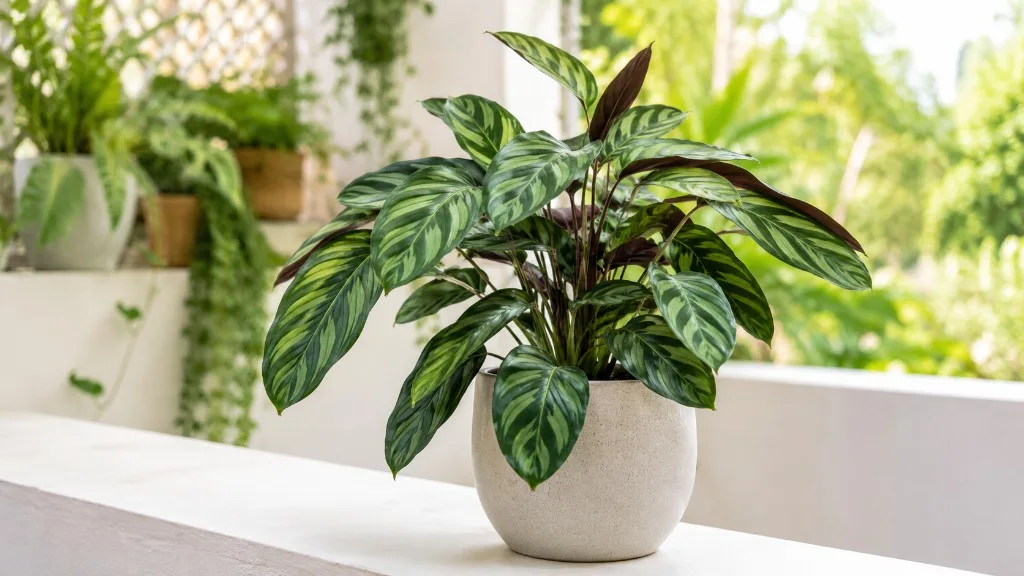
How to Propagate Ctenanthe: Division Method and Aftercare
How to Propagate Ctenanthe: Division Method and Aftercare
Why Ctenanthe Propagation Works Differently From Most Houseplants
If you have rooted pothos in a glass jar or multiplied a philodendron from a single node, Ctenanthe will feel like a different category of plant - because it is. Ctenanthe does not propagate reliably from detached leaves or floating stem pieces. It multiplies primarily by division at Ctenanthe repotting guide: separating a clump that already has rhizome tissue, roots, and shoots working together beneath the soil. The never-never plant - the common name for species such as Ctenanthe burle-marxii (fishbone prayer plant), Ctenanthe oppenheimiana, and Ctenanthe lubbersiana - grows as a rhizomatous clump, not as a vine you can chop and reroot.
That distinction saves months of false starts. Many online tutorials treat every houseplant like a tradescantia you can snip and stick in water. Ctenanthe belongs to Marantaceae, the prayer plant family, alongside Calathea, Maranta, and Stromanthe. These plants spread through underground rhizomes - horizontal stems that store energy and produce both roots and leafy shoots. A mature pot that looks like one bushy specimen is often several connected shoots sharing a rhizome network. Propagation means splitting that network when you repot, giving each section its own container, and stabilizing humidity and moisture while the division settles. The technique is straightforward once you understand the anatomy. The challenge is aftercare, because Ctenanthe reacts quickly to dry air, mineral-heavy water, and soggy soil - even though many cultivars are slightly more forgiving than the most delicate Calatheas.
Rhizomes, Clumps, and the Never-Never Plant Family
A rhizome is a thickened horizontal stem that runs just below the soil surface. On Ctenanthe, it produces roots downward and petioles with patterned leaves upward. New growth does not emerge from random points on a detached leaf the way it does on a pothos node. It emerges from active sections of rhizome that already coordinate roots and shoots. North Carolina Extension’s Plant Toolbox describes Ctenanthe oppenheimiana as rhizomatous, with recommended propagation by division - a description that applies across the genus for home growers. (NC State Extension - Ctenanthe oppenheimiana)
NC State Extension lists division as the recommended propagation strategy for C. lubbersiana; NC State Extension also lists division as primary, with stem cuttings possible on some species but less reliable for most home growers. The practical workflow is the same whether you grow the fishbone-patterned burle-marxii, the striped oppenheimiana, or the golden-variegated lubbersiana: you are working with a clumping rhizome plant whose natural multiplication path is separation, not tissue rooting.
Ctenanthe leaves often show nyctinasty - folding or shifting at night like other prayer plants - and the foliage tends to be narrower and more rhythmic than the broad round Calathea types. That leaf shape does not change how propagation works. It still comes down to rhizome-connected clumps with intact roots.
Why Division Is the Only Reliable Home Method
The best way to propagate Ctenanthe at home is division during repotting. Each new plant must include a piece of rhizome, its own roots, and multiple healthy leaves still connected to that rhizome segment. You are not rooting bare tissue. You are giving an already-functional subsection of the plant a smaller pot and a recovery period. That is why division succeeds at a much higher rate than experiments with cuttings.
Division works because you preserve the plant’s existing root system. The rhizome section already knows how to feed leaves. After separation, it mainly needs to repair broken roots, produce new fine root hairs, and adjust to a smaller soil volume. Compare that to a detached Ctenanthe leaf or stem piece, which has no rhizome segment, no established root crown, and no reliable pathway to generate a full plant. Most cutting attempts stall, rot, or produce root nubs that never transition into viable shoots.
For home growers, repotting is the only time division makes sense. You already have the plant out of its pot, the rootball exposed, and natural clumps visible. Splitting on a whim mid-season - pulling a plant from stable soil just to propagate - adds unnecessary shock. Tie propagation to a repot the plant genuinely needs: circling roots, stalled growth despite good care, or a pot that no longer fits the clump.
Why Stem and Leaf Cuttings Fail on Ctenanthe
No - Ctenanthe cannot be propagated reliably from leaf cuttings alone, and stem cuttings succeed only when they include rhizome tissue and roots. A single leaf removed from the base may stay green for weeks in water or moss, and you may even see small bumps that look like root starts, but without rhizome tissue connected to a growth point, it will not develop into a full Ctenanthe plant. Stem pieces without rhizome and roots behave the same way. The tissue lacks the meristematic organization needed to rebuild shoots from scratch.
Leaf cuttings fail for a simple anatomical reason: the leaf blade and petiole alone do not carry the buds that produce new stems and roots. Those buds sit on the rhizome at the base of the shoot cluster. Cut off everything above the rhizome without taking rhizome tissue, and you have decoration, not a propagation candidate. Some growers report occasional success with large stem sections that include hidden rhizome - but that is division by another name, not the vine-style “cut below a node and wait” method that works on pothos.
Water propagation is equally misleading here. Water rooting succeeds when a cutting has nodes that can switch on root and shoot production independently. Ctenanthe divisions already have roots when you separate them. They should go directly into moist, airy potting mix, not into a jar where rhizome tissue may rot before you ever transfer to soil. Skipping water propagation avoids an extra transition shock and matches how the plant grows in nature: rooted clumps in humid forest litter, not detached leaves floating in standing water.
Seeds exist for some Ctenanthe species in botanical contexts, but they are slow, unpredictable, and irrelevant for cloning a patterned cultivar you already own. Division at repotting is the most reliable method worth planning around for multiplying your never-never plant at home.
When to Propagate Ctenanthe
Timing matters as much as technique. Ctenanthe divides best when the plant is in active growth, with stable warmth, good indirect light, and enough moisture in the root zone to support repair. The calendar helps, but the plant’s condition matters more. If it is pushing clean new leaves, the pot is drying on a normal rhythm, and there are no active pest or rot issues, you have a green light. If it is yellowing widely, wilting in wet soil, or recovering from shipping, wait.
Spring Repotting Is the Ideal Window
Spring through early summer is the safest window for Ctenanthe propagation. That is when light and temperature support new root and leaf production before winter slowdown. It also overlaps with the most common repotting season, which is ideal because division should happen when you already need to remove the plant from its pot. Water the plant one day before dividing so the rootball holds together but is not soggy - a step both extension-style guides and experienced growers recommend to reduce transplant shock.
Plan division when you would repot anyway: roots circling the drainage holes, water running straight through dry mix, or the clump becoming too wide for its space. Combining the tasks reduces handling stress and gives you a clear view of natural clumps in the rootball. Early fall can work in warm homes with strong light, but avoid mid-winter division unless you can supply excellent humidity, stable 18–27°C (65–80°F) temperatures, and supplemental light. Cold, dim conditions stretch recovery from weeks into months, and Ctenanthe divisions are less patient than the parent plant about environmental swings.
Is Your Ctenanthe Ready to Divide?
Not every Ctenanthe should be split. A young plant with one tight clump and a small root system is better left to grow. Propagation needs a mother plant large enough that each division still has substance - typically at least two to three healthy leaves (more is safer), a visible rhizome segment, and a handful of roots that belong to that clump alone. One lonely leaf with a thread of root is not a division. It is a stress experiment that often ends in rot before new growth appears.
Look at the base of the plant before you unpot. Mature Ctenanthe often shows multiple shoot clusters emerging from the same soil mass. Those clusters are your map. If you only see one crown and the pot is still modest, the plant probably needs time, not surgery. If the pot is full, leaves are crowding outward, and you suspect several independent clumps connected by rhizome bridges, division is reasonable.
Health checks matter. Choose a plant with firm petioles, clean leaf undersides, and no sour-smelling soil. Avoid dividing a Ctenanthe that is fighting spider mites, mealybugs, root rot on Ctenanthe, or severe dehydration. Propagation multiplies whatever problem you start with. Stabilize the parent first, or divide only the clearly healthy section after trimming away compromised tissue. Ctenanthe is often described as slightly more forgiving than the most finicky Calatheas, but a weak plant divided into four tiny pieces will still struggle - sometimes more visibly, because each piece has fewer reserves to draw on.
What You Need Before You Divide Ctenanthe
You do not need a propagation lab. You need clean sharp tools, fresh potting mix, pots with drainage, and a plan for humidity after the split. Gather a sterilized knife or pruning shears, a hand trowel, a chopstick or pencil for settling soil, and enough containers for each division plus the remaining parent plant.
Use a well-draining but moisture-retentive mix suited to Ctenanthe - typically a peat or coco coir base with perlite, in the pH range your plant already tolerates indoors. A practical blend is one part potting soil, one part peat moss or coco coir, and one part perlite or coarse sand. Wash or rinse new pots, especially if reusing old ones. Have filtered water, rainwater, or overnight-stood tap water ready for the first watering. Ctenanthe is sensitive to fluoride, chlorine, and mineral buildup, and freshly divided plants are less forgiving of harsh water than established specimens.
Prepare a recovery zone before you cut. Bright indirect light, no direct sun, temperatures around 18–27°C (65–80°F), and 50–70% humidity are the targets. A humidity dome, clear bag propped over the pot with ventilation holes, pebble tray, or small humidifier all help. You will also want space to work where you can lay the rootball out without rushing. Division goes better slowly than under kitchen-timer pressure. Lay down newspaper or a tarp if you are working indoors - loosened rhizome soil spreads farther than you expect.
Step-by-Step: How to Propagate Ctenanthe by Division
Division is a repotting task with one extra decision: where to separate. Work on a clean surface, keep tools sharp, and handle roots gently. The goal is minimum rhizome damage, maximum root preservation, and sections that can stand alone immediately.
Remove the Plant and Find Natural Separation Points
Water the Ctenanthe one to two days before dividing so the rootball holds together but is not soggy. Slightly hydrated soil makes the plant easier to lift and reduces mud on roots. Slide the plant out by tipping the pot and supporting the base. If it resists, run a knife around the inside edge rather than yanking stems - Ctenanthe petioles break easily under force.
Brush away old surface soil until you can see where shoots connect to rhizome tissue. Natural separation points are places where clumps already want to part - gaps between shoot groups, loose rhizome bridges, or offsets with their own root mass. Follow the plant’s geometry instead of forcing a symmetrical half. Forcing an unnatural split through dense rhizome tissue increases shock and rot risk.
Inspect roots as you expose them. Healthy roots are pale tan to white and firm. Mushy, black, or foul-smelling roots should be trimmed with clean shears before repotting any section. A division with damaged roots can still recover if enough healthy tissue remains, but do not combine propagation with aggressive root pruning on a weak plant.
Separate Clumps and Make Clean Rhizome Cuts
Tease clumps apart with your fingers first. Many Ctenanthe plants partially separate on their own once the old soil is loosened - rhizomes often produce natural weak points where two shoot groups connect thinly. When rhizomes still connect two sections, use a clean, sharp knife to cut through the connecting tissue in one smooth motion. Crush cuts heal slowly and invite rot. Each division should include rhizome, roots, and multiple leaves tied to that rhizome segment.
Avoid creating tiny divisions. A section with one leaf and almost no root mass has a poor survival rate. Prefer two to three leaves per division at minimum, with three or more when the mother plant allows. The parent plant you leave behind should also retain enough roots and shoots to rebound. Division is not a rescue chop unless you are deliberately sacrificing an overcrowded mother to save stronger sections.
Optional rooting hormone on cut rhizome surfaces is not required for Ctenanthe. If you use it, apply a thin dusting to the cut face and shake off excess. Keep divisions out of direct sun while cuts are fresh.
Pot Each Division at the Correct Depth
Repot each section into a container only slightly larger than its root mass - often one pot size up, or the same size if the division is modest. Oversized pots stay wet too long and are one of the fastest ways to kill fresh divisions. NC State Extension recommends potting divisions into fresh, well-drained mix in a container only slightly larger than the root mass - modest pot size is what keeps that first watering from becoming a drowning.
Place the rhizome at the same depth it grew before, with the crown where shoots emerge sitting at or just above the soil line. Do not bury shoots deeply. Fill around roots with fresh mix, using a chopstick to settle soil and remove air pockets without compacting the mix into mud. Firm lightly so the plant stands stable. Water once thoroughly until excess drains, then empty any saucer. The soil should be evenly moist, not floating in water. Label divisions if you grow multiple species or cultivars; stressed Ctenanthe leaves can look similar when patterns fade.
Soil, Pots, and the First Watering
Ctenanthe divisions need the same soil logic as mature plants, with slightly more forgiveness for moisture consistency in the first month. A good mix holds water in the root zone while allowing oxygen to reach fine roots. Pure heavy peat with no perlite, or dense all-purpose potting soil without amendment, tends to suffocate recovering roots. A balanced indoor blend amended with perlite or orchid bark is safer.
Drainage holes are non-negotiable. Decorative cachepots are fine only if you remove the nursery pot to water and drain. After division, roots are less able to tolerate stagnant water. The first watering settles soil; subsequent waterings should follow the top inch beginning to dry check you use on established Ctenanthe, adjusted slightly toward consistent moisture during recovery.
If your tap water causes brown tips on the parent, use the same filtered or rested water on divisions from day one. Chemical stress on top of transplant shock shows up fast on leaf margins - and Ctenanthe’s narrower leaves make edge crisping especially visible on fishbone-patterned types.
Aftercare: Watering, Humidity, and Recovery
Newly divided Ctenanthe plants need steadier conditions than established ones. They can photosynthesize through existing leaves, but their root system is temporarily reduced in efficiency. Your job is to reduce water loss from leaves while keeping roots moist but airy. That balance is the whole game for the first month.
Keep the plant in Ctenanthe light guide, shielded from hot windows. Avoid fertilizing until you see new growth that feels firm, not floppy. Do not pull divisions daily to inspect roots. Disturbing them breaks fragile new root hairs. Instead, watch leaf posture, soil weight, and whether new leaves unfurl cleanly.
The First Two to Four Weeks After Division
Week one is about humidity and stable moisture. Many growers tent divisions loosely with a clear plastic bag or use a humidity dome with daily ventilation to prevent mold. Aim for 50–70% humidity without sealing wet soil in stale air. If condensation drips constantly inside a tent, open it more often and reduce watering slightly.
Weeks two through four are when roots rebuild. Some leaf curl, slight droop, or one older leaf yellowing can be normal stress. Widespread collapse, blackening stems at the soil line, or sour-smelling mix are not normal - those point to rot or a division that was too small. During this window, water when the upper soil begins to dry, always letting the pot drain fully. NC State Extension recommends a moist, well-drained mix with orchid bark and perlite and medium to high humidity - advice that applies even more to fresh divisions than to established plants.
By the end of week four in warm spring conditions, healthy divisions often show new leaf tips or improved turgor in existing leaves. Cool or dim homes may need longer. Success is steady, not dramatic. If older leaves develop minor brown edge crisping while new growth looks clean, that is often old damage or low humidity rather than proof the division failed. Judge recovery by the newest leaves and root-zone moisture, not by every legacy blemish on lower foliage.
Place newly potted divisions in a warm, humid environment with bright indirect light until they establish - the same recovery prescription extension and retail care guides give for Marantaceae divisions generally. Avoid moving them between rooms, repotting again, or pruning heavily during this window. Each extra disturbance resets the clock on root repair.
Light, Temperature, and When to Fertilize
Light and temperature should mimic good Ctenanthe care, with zero acclimation shortcuts. Medium to bright indirect light supports recovery without scorching leaves stripped of their usual root support. Direct sun on a post-division Ctenanthe burns edges quickly - the fishbone pattern on burle-marxii makes scorch especially obvious. Dark corners slow root regrowth and keep soil wet too long.
Hold temperatures between 18–27°C (65–80°F) and avoid cold drafts from AC vents or winter windowsills. Ctenanthe already dislikes sudden temperature swings; divided plants tolerate them even less. If your home runs dry in winter, a humidifier near the recovery zone matters more after division than it does for a mature clump that has had years to adapt.
Wait four to eight weeks before fertilizing, or until you see unmistakable new growth. Fertilizer on a stressed, partially rooted division can burn tender roots and push weak leaves. When you do feed, use a diluted balanced houseplant fertilizer at one-quarter to one-half label strength on already-moist soil. Resume normal feeding only after the plant dries the pot on a predictable rhythm again. Propagation is not the time to “boost” a struggling division with full-strength feed - that is one of the most common ways to turn transplant stress into visible burn.
Common Ctenanthe Propagation Mistakes
Most failed Ctenanthe divisions trace back to a short list of errors. Splitting too small is the most common: one leaf, few roots, and a thin rhizome sliver. overwatering on Ctenanthe is second: a big new pot, heavy soil, and kindness-by-drenching that removes oxygen from the root zone. Low humidity is third: the same plant that looked fine before division suddenly curls and crisps because leaf transpiration outruns damaged roots.
Other frequent mistakes include dividing in winter without compensating light and humidity, burying crowns too deep, using dull tools that mangled rhizomes, and propagating a sick plant to “save” it. Attempting leaf or stem cuttings because a tutorial used a different genus wastes months. Trying to root divisions in water adds an unnecessary step and often ends in rot when soil finally arrives. Moving a freshly potted division to a new window, repotting again, or trimming many leaves at the same time stacks stresses that a Ctenanthe recovering from rhizome cuts cannot absorb at once.
Turning one mature specimen into five or six tiny divisions feels productive in the moment and usually produces several compost-bound regrets. Rhizome tissue stores the carbohydrates that fuel recovery; smaller pieces have less stored energy and fewer roots to balance water uptake. If a division fails, learn from the section size and moisture pattern, then retry from a healthier mother plant in spring - not from leftover leaf pieces.
When Not to Propagate Ctenanthe
Propagation is not emergency medicine. Do not divide a Ctenanthe that is actively fighting root rot, pest infestation, severe underwatering on Ctenanthe damage, or post-shipping collapse. Fix or discard compromised tissue first. Do not divide a plant that is too young or too small just because you want a second pot. Do not divide in late fall or winter unless you can provide excellent recovery conditions and accept slower establishment.
Also skip division if the plant is happy in its current pot and you have no repotting reason. Ctenanthe tolerates modest root constriction better than a huge wet pot. Propagate when the plant is healthy, clumping, and due for repotting - not when every leaf tip browns and you hope splitting will reset the problem. Brown tips usually trace to water quality, low humidity, or inconsistent moisture - conditions that will follow every division into its new pot unless you fix them first.
Conclusion
Ctenanthe propagates by division at repotting - not by stem cuttings, leaf cuttings, or water-rooted scraps. Split natural clumps in spring or early summer, give each section rhizome tissue, roots, and at least two to three healthy leaves, then repot into fresh airy mix with drainage. Keep divisions in bright indirect light, 50–70% humidity, stable warmth, and evenly moist - not soggy - soil for the first two to four weeks. Hold fertilizer until new growth returns.
The method is simple when you follow the plant’s clumping rhizome biology instead of forcing vine-style propagation. Ctenanthe is a never-never plant that rewards patience: slightly more forgiving than the most delicate prayer plants in day-to-day care, but still sensitive in the weeks after rhizome surgery. Match division to a healthy repot, treat aftercare seriously, and you turn one full Ctenanthe into two or more without the false starts that cutting myths create.
When to use this page vs other Ctenanthe guides
- Ctenanthe overview - Start here for whole-plant context before deep-diving this topic.
- Ctenanthe problems hub - Jump to symptom-specific fix guides when this care topic does not resolve the issue.