Wilting on Baby Rubber Plant: Causes, Checks & Fixes
Quick answer
Wilting on baby rubber plant (Peperomia obtusifolia) usually splits into two paths: limp leaves with dry top inch and a light pot mean underwatering; limp leaves with heavy wet soil mean root failure from overwatering. First step: lift the pot and press your finger into the top inch of mix before you pour.
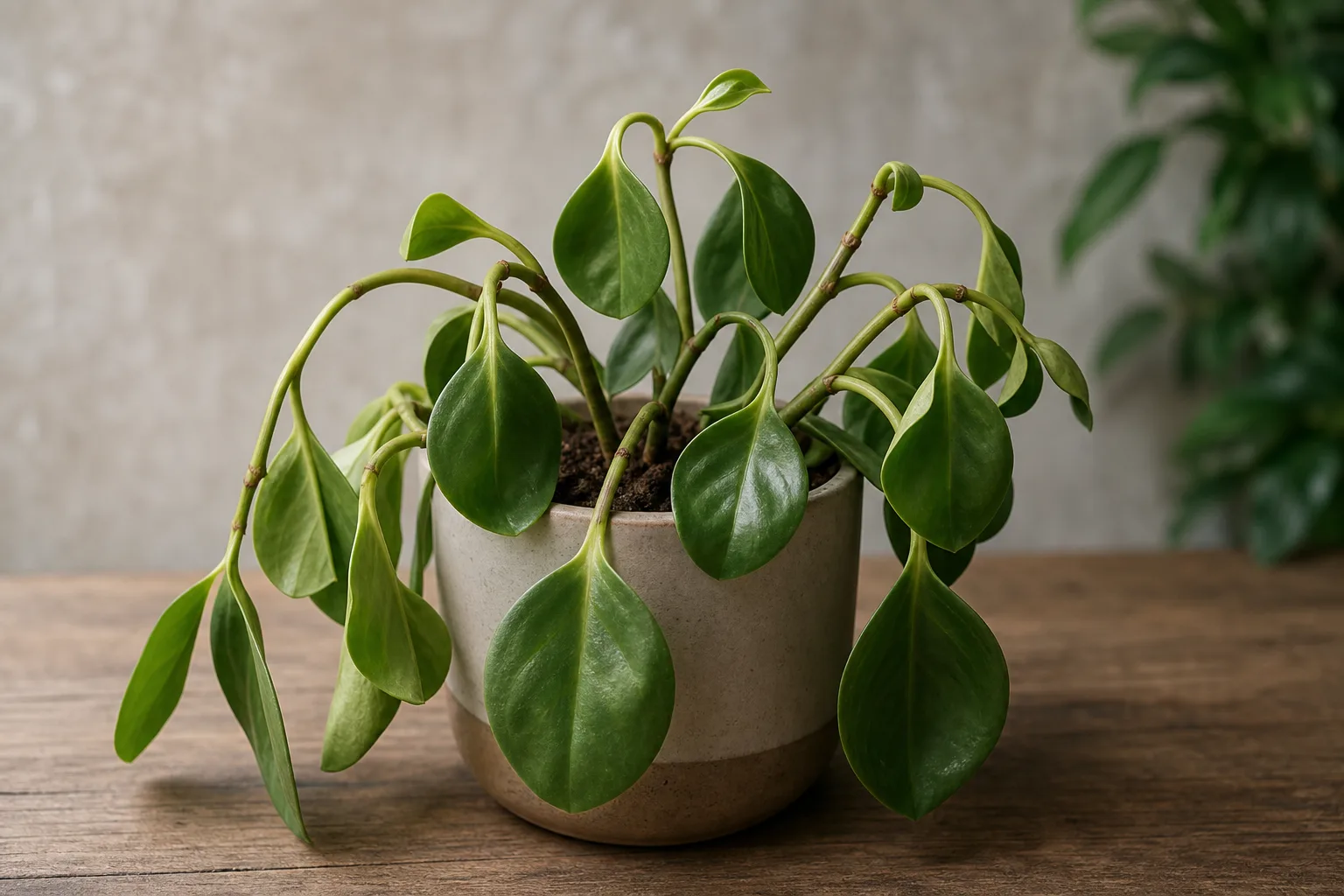
Wilting on Baby Rubber Plant: Causes, Checks & Fixes
This guide covers wilting on Baby Rubber Plant. See also the general Wilting guide, watering, and light pages for this plant.
Wilting on Baby Rubber Plant: Causes, Checks & Fixes
Quick answer
Wilting on baby rubber plant (Peperomia obtusifolia) is the sudden loss of leaf firmness-thick glossy blades hang limp and stems may lean. The same collapsed look comes from opposite causes, so the classic wilt paradox applies: saturated soil can still produce a thirsty-looking plant when roots fail.
First step: lift the pot and check the top inch of soil before you water. A light, dry pot needs one thorough drink with full drainage. A heavy, wet pot with limp leaves means damaged roots cannot supply water-stop watering and inspect the stem base, not the watering can.
This page covers acute wilting on P. obtusifolia. For gradual sagging over weeks, see drooping leaves. For year-round moisture rhythm, see the baby rubber plant watering guide.
Wilting vs drooping on baby rubber plant
Both symptoms look like “sad leaves,” but timing and soil context differ:
| Symptom page | What it usually means on P. obtusifolia | Typical speed | Soil clue |
|---|---|---|---|
| Wilting (this page) | Acute turgor collapse-overnight or same-day limpness | Hours to 1–2 days | Wet vs dry fork is urgent |
| Drooping leaves | Gradual stem sag, often chronic rhythm or low light | Days to weeks | Same wet/dry logic, slower onset |
| Underwatering | Wrinkled, thinner leaves; very light pot | Builds over multiple missed checks | Bone-dry throughout |
| Overwatering | Yellow lower leaves, gnats, soggy mix | Often follows weeks of damp soil | Stays wet many days |
Baby rubber plant stores water in thick, succulent-like leaves, so drought wilt develops slower than rot wilt. Limp leaves with heavy damp soil almost always mean root trouble-not thirst.
What wilting looks like on Peperomia obtusifolia
Healthy P. obtusifolia leaves feel firm, waxy, and slightly turgid when pinched. Wilting removes that springiness-the whole leaf blade droops from the petiole, and multiple stems may lean at once.
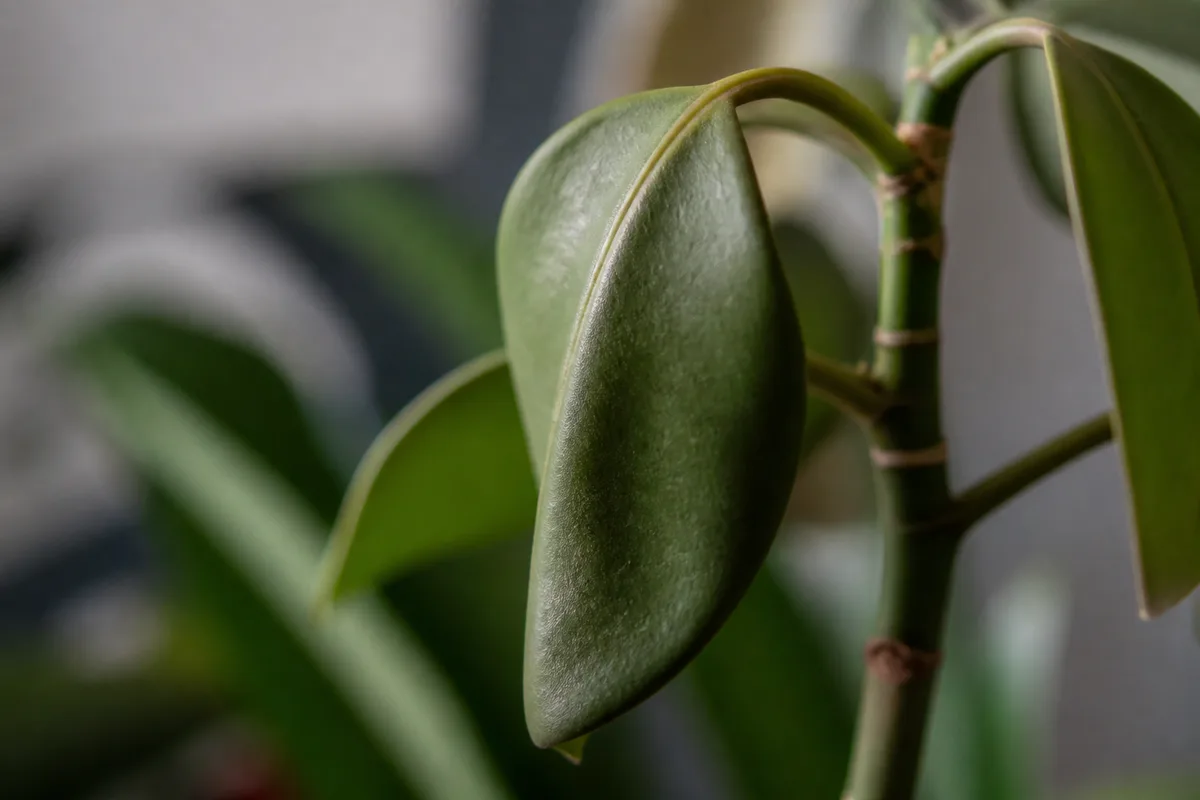
Wilting symptoms on Baby Rubber Plant - compare with healthy tissue on the same plant.
Wet-soil wilt (overwatering or root failure)
- Pot feels heavy; top inch may look dark and stay cool for days
- Leaves limp and glossy despite wet mix-often with yellow lower leaves
- Soft or mushy stem tissue at the soil line
- Sour or musty smell from drainage holes
- Clemson HGIC notes peperomias drop leaves when overwatered and that root rot follows kept-too-moist soils
Dry-soil wilt (underwatering)
- Pot feels light for its size
- Top inch (or more) of mix is dry; soil may pull slightly from pot edges
- Leaves slightly thinner or less glossy before full collapse
- Stems stay firm when bent gently-no mush at the base
- Recovery often visible within hours after proper rehydration
Shock wilt (draft, repot, or move)
- Follows a recent repot, cold window exposure, or heater blast
- Whole plant may wilt at once; soil moisture can be normal
- Stems usually firm; no sour smell
- Partial recovery within 3–7 days once placement stabilizes
Afternoon limpness that firms by morning near a sunny window can be heat stress-not a root crisis-especially if soil is appropriately dry and stems stay solid.
Why baby rubber plant wilts
Overwatering and root failure
This is the most dangerous cause on Peperomia obtusifolia because it mimics thirst. Fine roots die in saturated, airless mix; the plant cannot absorb water even though the soil is wet. RHS warns that peperomia roots rot if kept too wet, causing yellowing, leaf drop, and eventual collapse.
Calendar watering, oversized pots, dense peat-heavy mix, and cachepots that hold runoff all keep the root zone wet too long. Winter is especially risky when growth slows but the summer watering rhythm continues-reduce watering from fall to late winter per Missouri Botanical Garden guidance for this species.
Underwatering and leaf-reservoir depletion
P. obtusifolia stores moisture in thick leaves, so it tolerates brief dry spells better than constant sogginess. Extended drought still drains those reserves until leaves lose turgor. Very dry mix plus a light pot confirms thirst-not a single missed day on an otherwise healthy schedule.
Cold drafts and temperature swings
Baby rubber plant is hardy indoors but sudden cold below comfortable room range can collapse foliage fast. AC vents, winter window glass, and drafty doorways are common triggers. Soil may be correct; the wilt is environmental.
Low light slowing dry-down
Dim corners slow evaporation and root activity together. Mix stays wet longer while the plant uses less water-a setup that pushes toward wet-wilt rot even when you water “lightly.” See not enough light if stretchy growth accompanies limpness on a damp schedule.
Root-bound or repot stress
A tight root ball in a small pot can dry unevenly; one side wilts while the rest looks fine. Fresh Baby Rubber Plant repotting guide disturbs fine roots temporarily-wilting for several days after repot is common if the plant was watered heavily, moved to new light, or left in wet mix.
Sap-sucking pests
Mealybugs and spider mites weaken plants by draining sap. Heavy infestations can cause limp foliage, but you usually see white cottony clusters, stippling, or fine webbing-not whole-plant collapse in hours unless pests are severe and soil is also wrong. Check mealybugs and spider mites if wilt persists after the wet/dry fork is corrected.
How to confirm the cause
Work through these checks in order:
- Pot weight - Lift the container. Light suggests drought; heavy suggests oversaturation or rot.
- Top-inch finger test - Press into the mix near the pot edge, not against the stem. Dry crumbly top inch with firm stems fits underwatering. Cool damp top inch with limp leaves fits uptake failure.
- Stem firmness - Gently squeeze the main stem at the soil line. Firm tissue with dry soil points away from rot; soft, dented tissue with wet soil confirms serious trouble-see root rot.
- Smell - Sour or swampy odor from the drainage hole strongly suggests decay.
- Leaf pattern - Yellow lower leaves on wet soil fit overwatering. Wrinkled thinner leaves on dry soil fit thirst.
- Recent changes - Repot, move, heater, or open window in the last week? Stable moisture with a recent relocation often means shock.
- New growth check - Firm emerging leaves suggest functional roots remain. Wilt spreading to new tips while soil stays wet is urgent.
If the pot is heavy, soil stays wet several days after watering, and stems feel soft, unpot and inspect roots before the next drink.
Wet wilt vs dry wilt diagnostic table
| Check | Dry-soil wilt | Wet-soil wilt |
|---|---|---|
| Pot weight | Light | Heavy |
| Top inch of mix | Dry | Cool and damp |
| Stem at soil line | Firm | Soft or mushy |
| Lower leaves | Dull, may wrinkle | Often yellow |
| First action | Water thoroughly; drain | Stop watering; inspect roots |
| Wrong move | Waiting while soil is bone dry | Adding more water |
First fix for baby rubber plant
Lift the pot and check whether the top inch of soil is dry or wet-then act on that reading, not on how limp the leaves look.
- If dry: water thoroughly until excess drains from the bottom, empty the saucer within 30 minutes, and reassess in 24 hours.
- If wet: stop watering immediately. Do not mist, fertilize, or repot until you know whether roots are firm or mushy.
This single step prevents the most common baby rubber plant mistake-watering a wilted plant that is already drowning. Overwatering wet soil is a common error when leaves look tired.
Step-by-step recovery
For confirmed underwatering
- Water deeply once so the entire root ball rehydrates; dry pockets in an oversized pot can leave one side wilted.
- If water runs straight through without soaking, bottom-water for 15–20 minutes, then drain fully-the method described in the watering guide.
- Keep the plant in Baby Rubber Plant light guide, not harsh direct sun, until leaves firm.
- Resume checks: water when the top 1 to 2 inches of mix dry-typically every 7–14 days in active growth and longer in winter.
For overwatering without confirmed rot
- Stop watering and improve airflow around the pot.
- Confirm drainage holes are open and saucers are empty after every drink.
- Move toward brighter indirect light if the plant sits in shade-slow evaporation worsens wet soil.
- If mix stays wet more than a week at room temperature, plan a repot into airy mix once stems firm-details in overwatering.
For root rot
- Unpot and rinse away wet mix gently.
- Trim brown, mushy, or foul-smelling roots back to firm pale tissue with clean scissors; sterilize blades between cuts.
- Let the root ball air in bright indirect light for several hours so cut surfaces callus.
- Repot into fresh well-drained mix in a clean pot with drainage-often the same size or slightly smaller if root mass shrank. Clemson HGIC recommends well-drained houseplant mix and draining before returning to saucers.
- Wait five to seven days before the first light watering, then let the top inch dry between drinks.
- Hold fertilizer until new growth looks healthy for two weeks.
Full salvage protocol: root rot on baby rubber plant.
For draft or repot shock
- Move off AC vents, cold window glass, and heater paths.
- Keep soil evenly moist but not wet-do not compensate for wilt with extra water if mix is already damp.
- Avoid moving again for several weeks; stability matters more than a perfect decorative spot.
Recovery timeline
Mild drought wilt on P. obtusifolia often shows firmer leaves within hours to one day after proper rehydration-thick leaf reservoirs refill quickly once roots work again.
Moderate overwatering without rot may take one to three weeks for turgor to return once the mix dries on a corrected schedule. Judge progress by new growth, not by old leaves returning to perfect gloss.
Root rot recovery is slower-expect two to six weeks before new firm leaves appear, depending on how much healthy root tissue remains. Old wilted leaves may stay slightly dull permanently.
Shock wilt from a move or draft usually improves within three to seven days if drafts are removed and watering stays consistent.
Lookalike symptoms
Gradual droop, not sudden wilt - Slow stem sag over weeks fits drooping leaves or chronic underwatering rhythm more than acute collapse.
Yellow leaves without full wilt - Lower yellowing on damp soil may be early overwatering before full collapse; see yellow leaves.
Brown tips only - Margin burn from dry air or tap-water salts does not usually collapse whole leaves; firm stems with crisp edges point to environment or water quality, not emergency wilt.
Leggy pale growth - Stretched stems with firm leaves and normal dry-down suggest insufficient light, not a watering emergency.
Fungus gnats - Hovering gnats signal chronically wet soil, often preceding wet-wilt collapse; treat the moisture problem first.
Mistakes to avoid
Do not water a wilted baby rubber plant without checking soil moisture first-the wet-wilt trap causes more losses than underwatering on this species.
Do not assume baby rubber plant wants steady moisture like a true rubber tree (Ficus elastica). P. obtusifolia needs a real dry-down between drinks.
Do not repot on day one unless roots are clearly mushy or mix is failing. Unnecessary repotting during shock can worsen wilt.
Do not fertilize a stressed plant hoping to perk it up. Salt on damaged roots slows recovery.
Do not stack repotting, heavy pruning, and pesticide on the same day as a watering correction.
Do not assume winter wilt means thirst. Reduce watering in slower months when growth pauses-the same summer schedule keeps roots wet too long.
How to prevent wilting next time
Water on moisture, not calendar days. Check the top 1 to 2 inches before every major watering-the full rhythm is in the baby rubber plant watering guide.
Use pots with drainage holes and empty saucers after watering. Never let cachepots hold standing runoff.
Keep bright indirect light so the mix dries predictably-dim wet corners are a common rot setup.
Repot every two to three years into airy mix in a snug pot; oversized containers stay wet too long for fine peperomia roots.
Scout leaf axils and undersides weekly so pest stress does not compound a watering mistake.
For complete species care, see the baby rubber plant overview.
When to worry - and when to read root rot next
Treat as urgent when multiple leaves collapse while soil stays wet, stems soften at the base, the pot smells sour, or wilt spreads to new growth despite a dry surface over wet depths. Advanced decay can reach the stem within days once rot escalates.
Lower urgency applies when one older leaf softens on an otherwise firm plant with appropriate soil moisture, or when mild afternoon wilt resolves overnight near a sunny window.
If roots are mostly mushy and the stem base is soft, take healthy stem cuttings above firm tissue as backup before the last viable node fails-P. obtusifolia roots easily in water per Clemson HGIC propagation guidance. For full rot salvage steps, open root rot next.
Conclusion
Wilting on baby rubber plant always starts with one question: is the root zone too dry or too wet? Lift the pot, check the top inch, and match your first action to that reading. Dry gets one deep drink with full drainage; wet gets a pause and possible root inspection-not another watering cycle. Peperomia obtusifolia forgives brief drought far better than constant sogginess; get the fork right and most plants recover. Get it wrong and a thirsty-looking pot drowns in soil that never dries.
When to use this page vs other Baby Rubber Plant guides
- Baby Rubber Plant watering guide - Use for routine moisture checks before assuming wilting is the main issue.
- Baby Rubber Plant problems hub - Browse all 16 common issues on this species.
- Underwatering on Baby Rubber Plant - Different entry point when symptoms overlap with wilting.
- Overwatering on Baby Rubber Plant - Different entry point when symptoms overlap with wilting.
- Root Rot on Baby Rubber Plant - Different entry point when symptoms overlap with wilting.