Not Enough Light on Aluminum Plant: Causes, Checks & Fixes
Quick answer
Aluminum Plant in dim corners stretches toward windows and loses its silver leaf patches-and in shade the mix stays wet longer, which can mimic overwatering. First step: move the pot to the brightest indirect spot you have (aim for 400–800 foot-candles per our light guide) before changing fertilizer or watering.
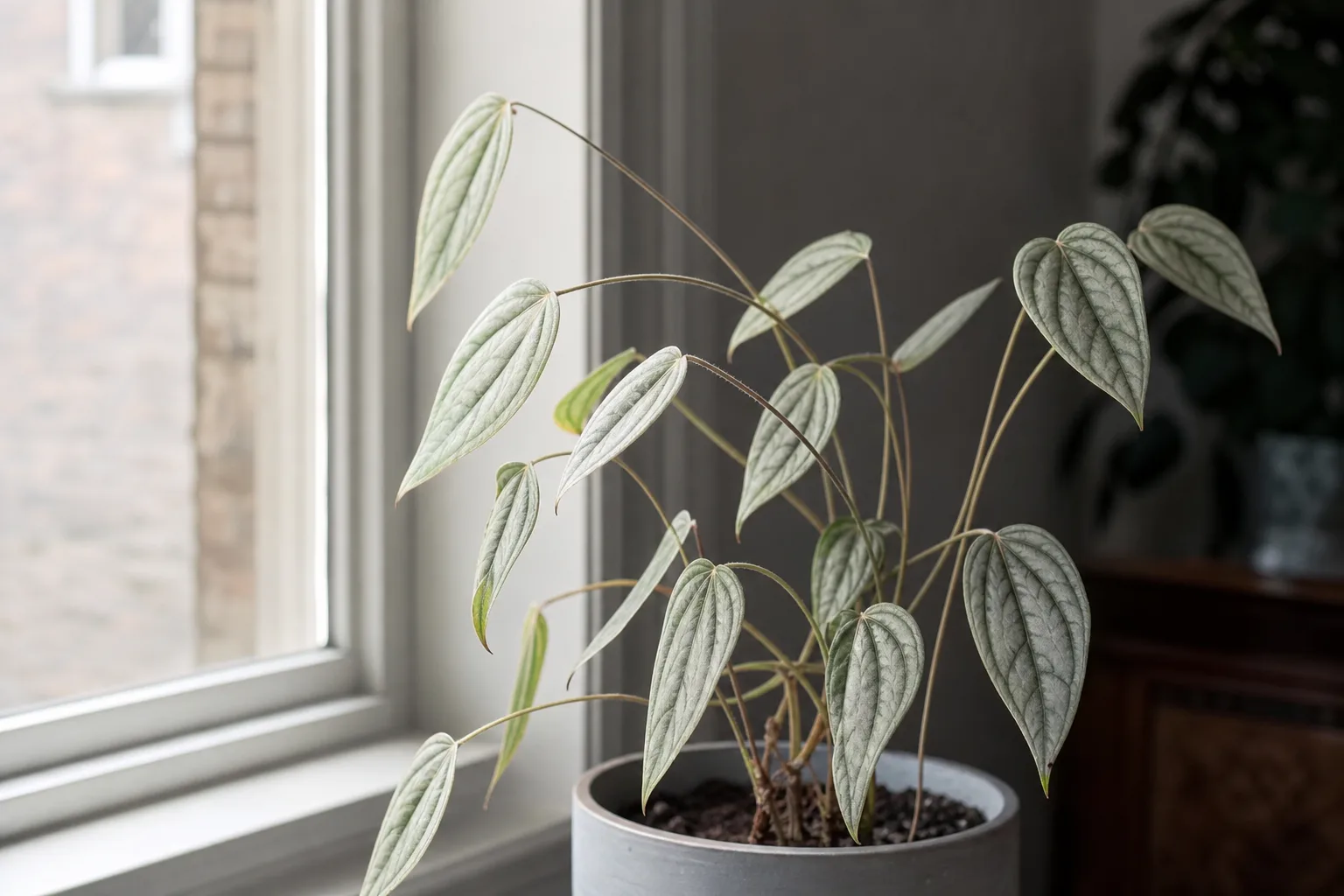
Not Enough Light on Aluminum Plant: Causes, Checks & Fixes
This guide covers not enough light on Aluminum Plant. See also the general Not Enough Light guide, watering, and light pages for this plant.
Not Enough Light on Aluminum Plant: Causes, Checks & Fixes
Quick answer
Aluminum Plant (Pilea cadierei) is grown for its green leaves splashed with raised silver patches-the look that gives it the common name. That variegation needs bright indirect light indoors, ideally in the 400–800 foot-candle range with 200 foot-candles as a hard floor. In a dim corner, the plant survives more often than it thrives: stems stretch, internodes widen, new leaves shrink, and the metallic sheen fades.
First step: move the pot to the brightest indirect location you have. Aim within two to four feet of an east- or north-facing window, or a few feet back from a south- or west-facing window filtered by sheer curtain. Do not jump to blasting direct afternoon sun through bare glass-that scorches foliage and can bleach the silver patches. Fix placement before you change fertilizer, repot, or increase watering.
In shade, photosynthesis slows and the plant drinks less-so wet soil in a dark corner often stacks with stretch and faded markings. If the top half-inch stays damp four to five days after a normal drink, read our overwatering on Aluminum Plant guide alongside this one; the root cause may be light, not thirst.
For related Aluminum Plant care, see Aluminum Plant soil, Slow Growth on Aluminum Plant, Yellow Leaves on Aluminum Plant, Aluminum Plant problems.
What not enough light looks like on Aluminum Plant
Low light on Aluminum Plant overview shows up in the foliage pattern first, not as dramatic wilting.
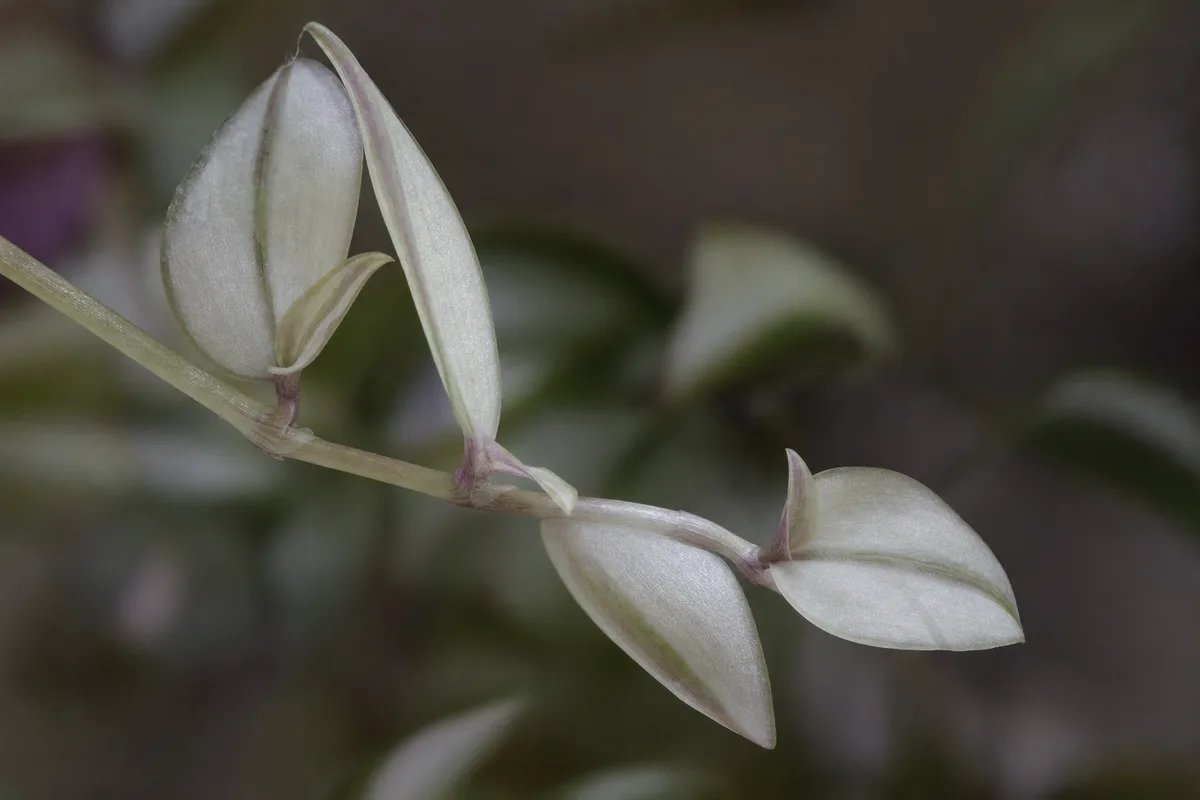
Not Enough Light symptoms on Aluminum Plant - compare with healthy tissue on the same plant.
Typical signs:
- Leggy, stretched stems with noticeably long gaps between leaf pairs
- Smaller new leaves compared with older growth near the base
- Dull or faint silver patches-the watermelon-pilea markings lose contrast
- Deeper green overall color on leaves that are not receiving enough energy to maintain full variegation
- One-sided lean toward the brightest direction in the room
- Slow or stalled growth, especially in winter when daylight is already short
Aluminum Plant evolved in the shaded understory of tropical forests in Vietnam and southern China. NC State Extension classifies Pilea cadierei as tolerating deep shade and dappled sunlight-but tolerance is not the same as the bright indirect exposure that keeps markings sharp. Missouri Botanical Garden notes that indoor plants grow best in bright indirect light and that gardeners often pinch tips or restart from cuttings because best foliage appears on younger, well-lit plants.
Indoor specimens rarely flower, so weak blooming is not a useful diagnostic here. Focus on stem length, leaf size, and silver intensity instead.
How this differs from leggy growth on Aluminum Plant
Not enough light and leggy growth overlap on Aluminum Plant, but they are not the same problem-and the first fix differs.
| Signal | Low light (this page) | Leggy growth (maintenance) |
|---|---|---|
| Primary symptom | Washed-out silver patches, small new leaves | Bare lower stems, silver foliage clustered at tips |
| Window lean | Strong lean toward glass | Mild or no lean in a bright spot |
| Soil dry-down | Stays wet longer in shade | Normal pace when light is adequate |
| First fix | Move to brighter indirect exposure | Pinch stem tips above nodes |
| Silver on new growth | Dull or faint even before pinching | Sharp if light is adequate; stretch from skipped pinching |
Rule of thumb: If silver patches fade and new leaves shrink in a dim room, fix light first. If the plant was never pinched after purchase and looks like a small palm tree in a reasonably bright window, start with our leggy growth guide and pruning guide. Many real-world plants need both-a light upgrade and regular pinching once new growth looks healthier.
Why Aluminum Plant gets too little light
The most common trigger is placement chosen for décor, not for photosynthesis. A shelf across the room, a bathroom with frosted glass, or a north-facing office can read as “bright” to human eyes while delivering medium or low light at the leaf surface.
Distance drops intensity fast. Light intensity decreases rapidly as you move away from a window. What feels adequate at six feet may fall below the 200 foot-candle floor this species needs to keep silver markings vivid-see our Aluminum Plant light guide for measurable targets.
Seasonal change matters. Short winter days reduce usable light even when the pot never moved. A plant that looked acceptable in summer can stretch and fade by February in the same spot.
Obstructions cut more than expected. Heavy drapes, tinted film, dirty panes, tall furniture, and neighboring buildings all lower the light that reaches leaves.
Low light changes watering math. Aluminum Plant prefers consistent moisture when actively growing, but in shade it photosynthesizes slowly and drinks less. The top half-inch of soil may stay wet for days. That pattern invites yellow lower leaves and fungus gnats-problems that look like overwatering but start with too little light plus unchanged watering habits.
How to confirm the cause
Work through these checks before treating leaves alone:
- Window distance and direction - Is the pot within about two to four feet of the brightest window? Farther than six feet is usually low light for Pilea cadierei unless you supplement.
- Lean direction - Stems reaching toward one window strongly suggest the plant is hunting for more light.
- Newest leaf size and markings - Compare the last two leaves at the stem tip with mature leaves lower down. Smaller, plainer new growth points to recent light shortage.
- Soil dry-down speed - Stick a finger into the top half-inch. If it stays damp four to five days after a normal drink while the plant looks tired, suspect slow metabolism from shade.
- Season and room change - Did symptoms start after a move, after autumn daylight shortened, or after a window covering went up?
- Direct sun exposure - Scorched, bleached, or crispy patches on sun-facing leaves mean too much direct light, not too little. Aluminum Plant needs indirect brightness, not hot midday rays.
Confirmation test: Move the plant one step brighter-closer to glass but still out of direct sun-and wait two weeks. If the next leaf pair is larger with stronger silver patches and internodes tighten slightly, light was the limiter.
Lookalike symptoms to rule out
Leggy growth overlaps heavily with not enough light on Aluminum Plant. The plant naturally becomes leggy over time even in fair light; dim placement accelerates the stretch. Fixing light comes first; pinching follows once new growth looks healthier. Use the comparison table above to decide which guide to lead with.
Overwatering shows yellow leaves, soft stems, or sour soil while the pot stays heavy. In low light this often happens because the plant cannot use water quickly. Check moisture at depth before watering again-do not assume thirst from pale foliage alone.
underwatering on Aluminum Plant gives wilted, limp leaves with dry soil throughout the pot. Lean from low light usually comes with soil that still feels cool and slightly moist at the surface.
Low humidity causes brown, crisp leaf edges-more common on leaf margins than the silver-center fading seen in shade. Aluminum Plant targets 50–60% humidity; dry air rarely removes markings the way insufficient light does.
Pests such as mealybugs in leaf axils or spider mites on undersides add stippling, webbing, or sticky residue. Inspect with a hand lens before blaming light alone.
First fix for Aluminum Plant
Move the pot to brighter indirect light today.
Practical placements that work in most homes:
- East-facing window: Within two to four feet of the glass; morning sun is gentle, afternoon is indirect.
- North-facing window: Often acceptable for Aluminum Plant if the view is open sky-not a light well or shaded courtyard. Watch for winter fade below 200 foot-candles.
- South- or west-facing window: Set the pot three to four feet back or behind a sheer curtain so leaves never sit in direct hot sun.
Rotate the pot a quarter turn every few days so all sides receive similar exposure and the plant stops leaning.
If the brightest safe spot is still too dim-common in basement rooms or winter north exposures-add a full-spectrum LED grow light six to twelve inches above the foliage for twelve to fourteen hours daily. University of Maryland Extension notes that most plants need a dark period; total illumination beyond about sixteen hours daily is unnecessary.
Do not fertilize, repot, or soak the plant on the same day you move it. Let it adjust to the new light level for one to two weeks, then reassess. If soil now dries faster, shorten the watering interval slightly to match the higher uptake.
Step-by-step recovery
Once light improves, rebuild shape in this order:
- Wait for one healthy new leaf pair before pruning hard. That leaf confirms the new location works.
- Pinch or cut stretched tips just above a leaf node to encourage branching. Pinching stem tips keeps plants compact; Aluminum Plant roots easily from three- to four-inch tip cuttings if you want a fresh bushy start-see our pruning guide for technique.
- Remove only fully yellow or mushy leaves after the plant stabilizes. Cosmetic stretch on old stems can stay until you pinch or replace with cuttings.
- Adjust watering to the faster dry-down rate in brighter light-check the top half-inch before every drink.
- Optional restart: If the mother plant is mostly bare stems with tiny top leaves, propagate healthy tips in water or moist mix and grow a compact replacement while the parent recovers.
Recovery timeline
Expect two to four weeks to see clearer improvement in the next leaf set after a meaningful light upgrade. Internodes on old stems do not shrink; success means tighter new growth, larger leaves, and sharper silver patches.
Signs recovery is working:
- New leaves match or exceed the size of older foliage
- Silver rows look raised and distinct again
- Soil dries on a predictable rhythm
- Lean slows or stops after regular rotation
Signs the problem is worsening or another issue is active:
- Continued stretch with plainer new leaves after four weeks in a brighter spot-light may still be insufficient or blocked
- Yellowing lower leaves with wet soil and no pest signs-reduce watering and confirm drainage
- Brown crispy patches on sun-exposed leaves-you moved into direct sun too fast; pull back and acclimate gradually
Mistakes to avoid
- Placing in direct south or west sun to “fix” legginess quickly. Full sun can scorch foliage and fade markings; increase indirect brightness instead.
- Over-fertilizing a shaded plant to force growth. Fertilizer cannot replace photons and can burn roots when uptake is slow.
- Keeping the same watering calendar after a big light increase. Brighter exposure increases water use.
- Judging health by old stretched stems instead of the newest leaves.
- Assuming low-light tolerance means any dark shelf works. Aluminum Plant may limp along, but the silver foliage story is the point of growing it.
How to prevent low-light stress next time
Treat bright indirect light as the baseline, not a bonus. Pair it with the rest of this plant’s normal rhythm: well-draining light potting mix, water when the top half-inch dries per our watering guide, and 50–60% humidity when your home runs dry in winter.
Rotate the pot weekly, wipe windows seasonally, and plan grow-light supplementation before stretch becomes severe in October through February. Pinch tips every few weeks-Aluminum Plant naturally wants to elongate even under good care, and regular pinching keeps the bushy clump that shows off the silver markings best.
When you move the plant for redecorating, match the new spot to equal or greater indirect brightness, not just open counter space. A few days of observation after any move catches lean and faded new growth early.
Conclusion
Not enough light on Aluminum Plant is a placement problem before it is a disease or fertilizer problem. The tell is stretched stems, small new leaves, and silver patches that look washed out-not random leaf drop alone. Move to brighter indirect exposure first, confirm with the next leaf pair, then pinch or propagate to restore a compact shape. Old stretched tissue will not revert, but well-lit new growth brings back the metallic foliage that makes this plant worth keeping near the window.