How to Grow and Care for Rosemary
Rosemary thrives on sun, sharp drainage, and restraint with water—not rich, wet soil. Learn planting, varieties, pruning, propagation, harvest, and winter survival.
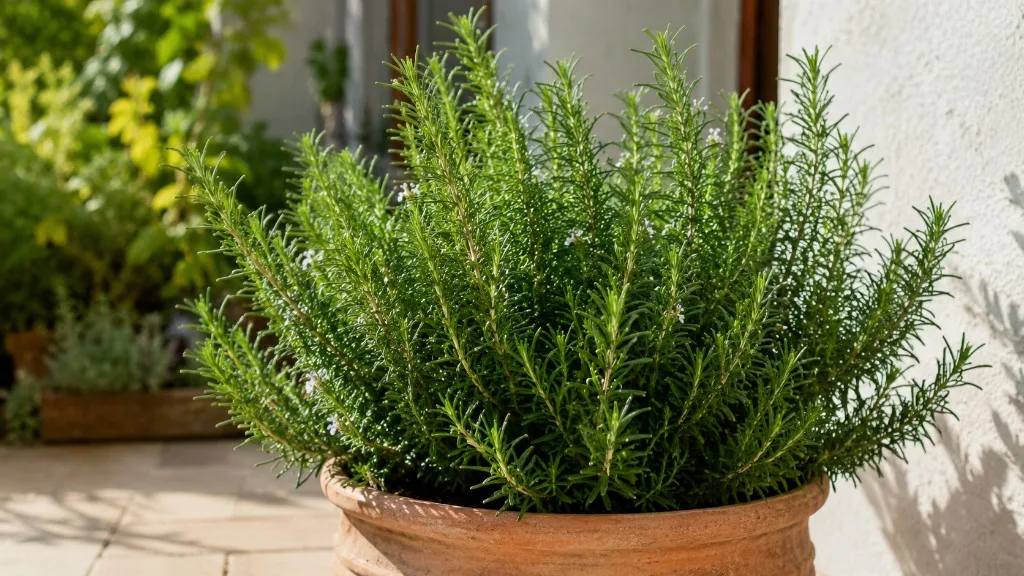
Rosemary (Salvia rosmarinus) rewards gardeners who treat it like a sun-baked Mediterranean shrub—not a thirsty kitchen basil. This evergreen herb wants full sun, gritty soil, and long dry spells between waterings. Give it shade, rich compost, or a constantly damp root zone and it yellows, rots, or turns woody and bare within a season or two. Get the basics right and rosemary becomes a long-lived culinary plant in USDA zones 8–10, a cold-tolerant hedge with the right cultivar, and one of the most useful herbs you can grow near the kitchen.
This guide covers variety selection, planting in beds or pots, light and soil targets, watering without root rot, fertilizing lightly, pruning and propagation, harvest and storage, winter survival by zone, and the fixes that work when leaves brown or fragrance fades. For deeper dives, see our rosemary hub, watering guide, light guide, propagation guide, pruning guide, and companion planting guide.
Rosemary at a Glance
Use this table as a setup checklist before you buy plants or dig holes.
| Factor | Target for healthy rosemary |
|---|---|
| Botanical name | Salvia rosmarinus (formerly Rosmarinus officinalis) |
| Plant type | Woody evergreen shrub / culinary herb |
| Mature size | 2–6 ft. tall, 2–4 ft. wide (variety-dependent) |
| Hardiness | USDA zones 8–10; select cultivars to zone 6 |
| Light | Full sun; 6–8+ hours direct daily |
| Soil | Sandy or loamy, excellent drainage; pH roughly 6.0–8.0 |
| Water | Infrequent deep soak; let soil dry between waterings |
| Fertilizer | Light spring compost or half-strength feed; avoid heavy feeding |
| Bloom time | Spring through summer (blue, white, or pink flowers) |
| Lifespan | 5–10+ years outdoors; often 2–3 years as a houseplant |
| Best start method | Nursery plant or stem cutting (faster than seed) |
NC State Extension lists rosemary as a 4–5 foot aromatic evergreen shrub that tolerates drought and salt but fails in wet, humid sites and heavy clay. (NC State Extension) The RHS notes that even with good care, replacing plants every seven or eight years keeps harvest quality high, because old shrubs go leggy at the base. (RHS)
Choosing the Right Rosemary Variety
Not every rosemary at the garden center fits every climate or garden job. Match cultivar to your winter lows, space, and whether you want upright kitchen sprigs or a cascading border.
Upright culinary cultivars
‘Tuscan Blue’ and ‘Miss Jessopp’s Upright’ (RHS AGM) form vertical stems that are easy to harvest and train into neat hedges. ‘Salem’ stays compact near 3 feet tall with good humidity tolerance and winter hardiness to about zone 7, making it a strong choice in the Southeast and other humid warm regions. ‘Foxtail’ (AGM) arches with pale blue flowers—excellent as a container specimen where you want ornamental form plus flavor.
The RHS emphasizes that scent and flavor differ by cultivar; ‘Green Ginger’ leans gingery, while standard officinalis types read earthy-citrus on the palate. (RHS) When flavor is the priority, buy upright culinary types rather than purely ornamental ground covers.
Cold-hardy and ground-cover types
‘Arp’, developed through the U.S. National Arboretum breeding program, is the go-to for gardeners pushing rosemary north of zone 8. Martha Stewart’s expert sources describe it as the hardiest widely available selection—upright, gray-green, and lemon-scented—with survival into zone 6 when drainage is excellent and winter wetness is controlled. (Martha Stewart)
‘Prostratus’ and trailing AGM types like ‘Capri’ spread 2–3 feet wide and work on slopes, rock gardens, and pot edges. They are landscape stars more than primary kitchen crops because low stems are harder to harvest cleanly. NC State Extension also lists ‘Irene’, ‘Albus’ (white flowers), and ‘Severn Sea’ among common cultivars. (NC State Extension)
When and Where to Plant Rosemary
Plant rosemary in spring after your last frost date, when soil has warmed and drains freely. Container-grown plants can go in anytime during the growing season, but spring planting gives roots a full season to establish before winter stress.
Choose the hottest, brightest, best-drained spot available. In the ground, space upright types 2–3 feet apart so air moves between plants—critical in humid summers when fungal issues appear. The RHS recommends at least 45 cm (18 in) between plants and shallow planting so the root crown is only lightly covered. (RHS) In heavy clay or low winter-wet spots, skip in-ground planting and use raised beds or pots instead.
Good neighbors share rosemary’s sun and dry feet. See our companion planting guide for pairings with carrots, beans, and cruciferous vegetables—and for plants whose water demands clash with rosemary.

Where rosemary should not go
Do not plant rosemary in shade. Partial shade produces leggy, weak growth and dull flavor. Avoid low spots where cold air and water collect in winter—wet roots kill rosemary faster than frost alone.
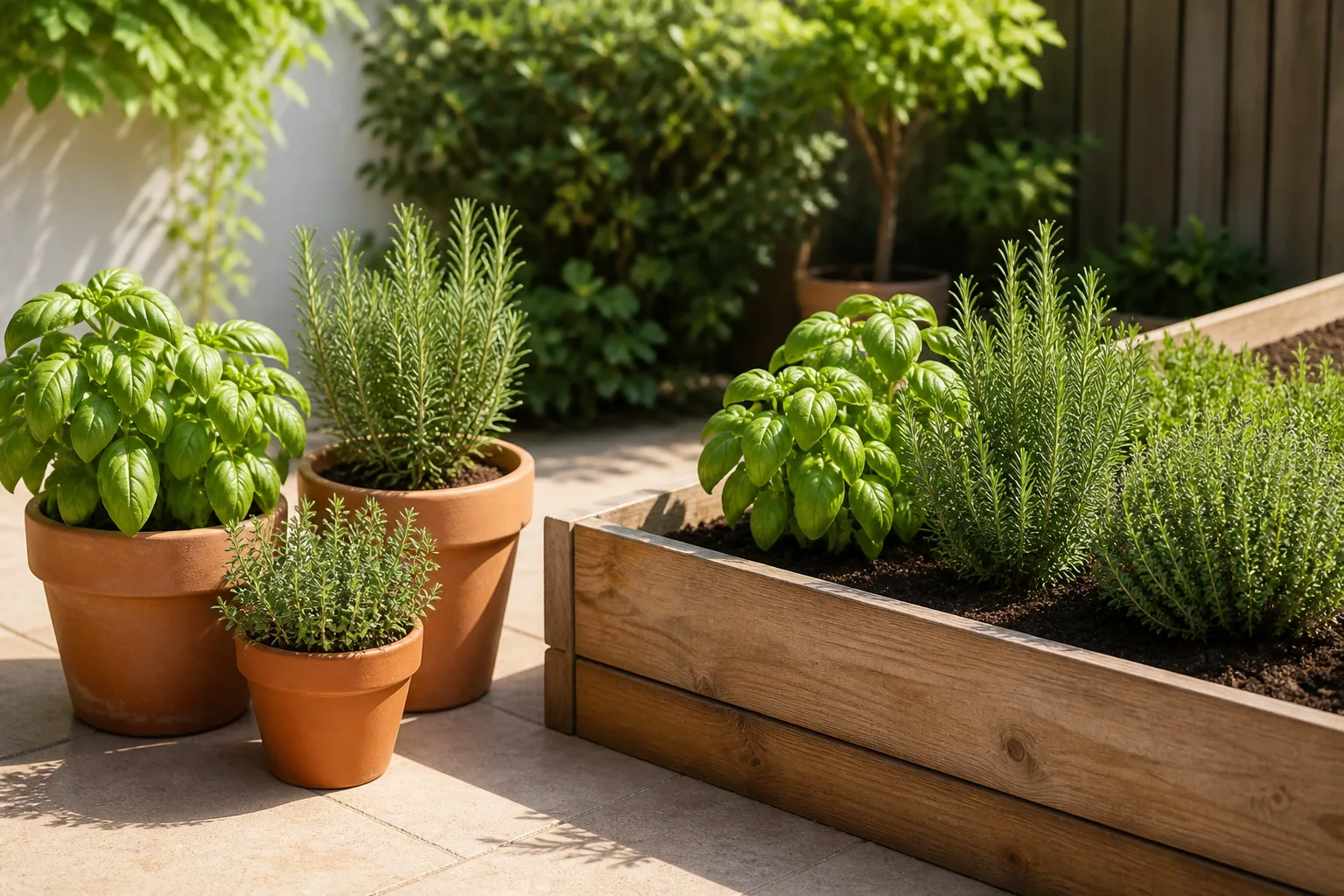
Skip pairing rosemary in the same bed with basil, mint, cucumbers, pumpkins, or tomatoes if those crops need steady moisture and rich soil. Rosemary’s drought-first rhythm fights their watering schedule. You can still grow them nearby in separate containers or beds with different soil prep.
How to Start Rosemary: Starts, Cuttings, or Seed
Buy a nursery start or root a cutting if you want harvestable rosemary this year. Seed works for large plantings but demands patience.
From nursery plants: Dig a hole the depth of the root ball, set the plant level with the soil surface, backfill without burying the stem, water once deeply, then let the top inch dry before the next soak. Check daily for two weeks while roots reach into native soil.
From seed: Rosemary seeds germinate slowly and unevenly. Soak seeds 24 hours, sow on moist seed-starting mix, and barely cover—they need light to germinate. Keep trays warm (about 65–75°F) and humid until sprouts appear in two to three weeks, then move to bright light. Martha Stewart’s sources recommend starting indoors three months before last frost and bottom-watering to prevent damping off. (Martha Stewart) Expect months before seedlings reach useful size; most home cooks are better off with cuttings.
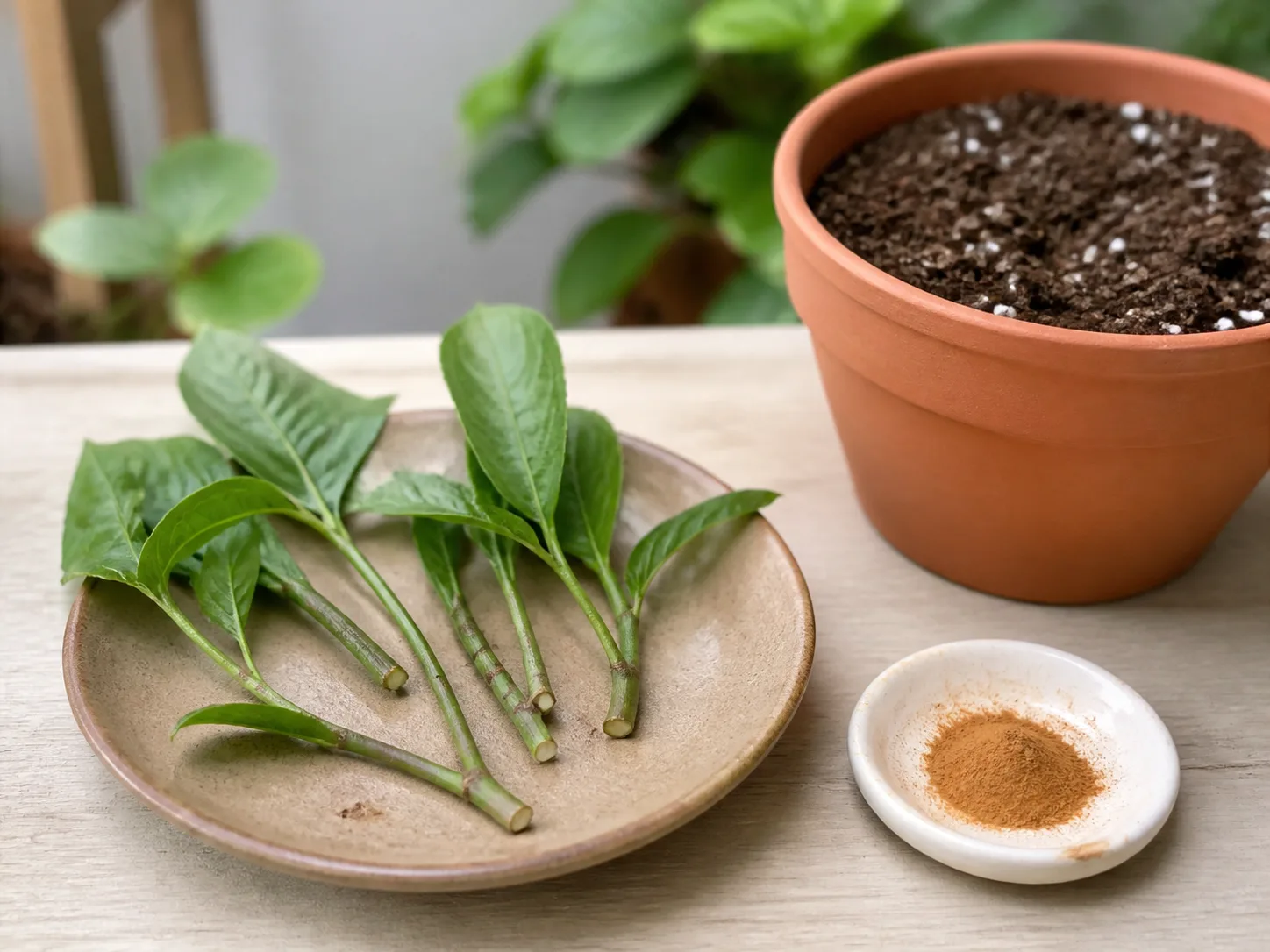
From cuttings: Take 3–5 inch soft new stems in late spring or summer, strip lower leaves, dip in rooting hormone optional, and root in sandy perlite mix or water. Soil roots are slower but sturdier for transplant than water roots alone. Full steps live on our propagation page.
Light Requirements
Rosemary is a full-sun plant. Aim for six to eight hours of direct sunlight daily outdoors. Indoors, place pots in the brightest south-facing window you have and supplement with a full-spectrum grow light if stems stretch toward the glass.
Inadequate light causes pale, sparse foliage and weak aroma. During warm months, move indoor pots outside to a sunny patio so the plant hardens off and rebuilds density. Our light guide covers window orientation, grow-light hours, and the leggy-growth fix.
Soil and Drainage
Rosemary thrives in lean, sandy or loamy soil with sharp drainage. A slightly acidic to alkaline pH between 6.0 and 8.0 suits most cultivars. NC State Extension warns that clay and waterlogged winter soil are primary killers. (NC State Extension)
Amend heavy garden soil with coarse sand, fine gravel, or horticultural grit—not peat-heavy mixes that hold moisture. In pots, use a gritty mix: roughly 40% potting soil, 40% sand or perlite, and 20% fine gravel mirrors what we recommend on our soil page. Mix compost into planting holes for a one-time organic boost, then avoid rich, moisture-retentive beds thereafter.
Watering Without Root Rot
Rosemary is drought-tolerant once established. New plants need consistent moisture their first summer; mature in-ground plants often need no supplemental water except during prolonged drought.
The practical rule: water when the top 1–2 inches of soil feel dry. Soak until water runs from drainage holes, then empty saucers so roots never sit in standing water. In winter—especially indoors—stretch intervals further; cold wet roots rot even when the air feels dry.
Container rosemary dries faster than garden soil and needs more frequent checks in hot weather, but never daily blindly. If leaves yellow while soil stays damp, you are overwatering. See overwatering symptoms and root rot for next steps.
Temperature, Humidity, and Winter Survival
Rosemary prefers 55–80°F active growth and moderate humidity. High humidity plus poor airflow invites powdery mildew; stagnant wet winter compost kills roots in pots.
In zones 8–10, established plants usually survive outdoors with well-drained soil. In zones 6–7, choose ‘Arp’ or ‘Salem’, plant in raised beds, and avoid winter mulch touching stems. The RHS reports established UK plants tolerating about -8°C (18°F) with fleece or hessian during sharp spells. (RHS)
In colder zones, grow rosemary in pots and move plants to a cool bright room before hard frost—above freezing but not overheated. Group pots, wrap containers in bubble wrap, and keep soil on the dry side. Never place rosemary above blasting heat vents; dry forced air plus low light is a common indoor death sentence.
Fertilizing Rosemary
Rosemary is not a heavy feeder. Too much nitrogen pushes soft, less aromatic growth and can dilute flavor. Mix compost into soil at planting, then apply a balanced liquid fertilizer at half strength once in late spring if growth looks pale—or skip feeding entirely in lean ground.
Container plants in the same pot more than a year benefit from a light granular feed in late spring per RHS guidance. (RHS) Our fertilizer guide explains when feeding helps versus when it hurts fragrance.
Growing Rosemary in Containers
Containers are the best strategy where soil is clay, winters are cold, or you want herbs on a sunny patio. Choose a pot at least 12 inches wide and deep with drainage holes; terra-cotta dries faster than plastic and suits rosemary well.
Do not jump to an oversized pot—a large soil volume stays wet and rots roots. Repot into the next size up every one to two years in spring, using fresh gritty mix. Our repotting guide covers root-bound signs and transplant shock. For broader herb-container strategy, read herbs in pots vs. in-ground.
Pruning and Shaping
Prune rosemary after flowering to keep plants compact and bushy. Snip up to one-third of soft green growth, cutting back to a side branch—not into bare woody stems. Rosemary rarely resprouts from old wood; hard pruning leaves permanent holes.
Regular harvesting doubles as pruning if you take 4–6 inch soft tips and leave at least six inches of green stem below each cut. Upright cultivars train into hedges and topiary with annual trims. When the base goes bare despite good sun, start fresh from cuttings rather than fighting a woody skeleton. Details on our pruning page.
Propagating Rosemary
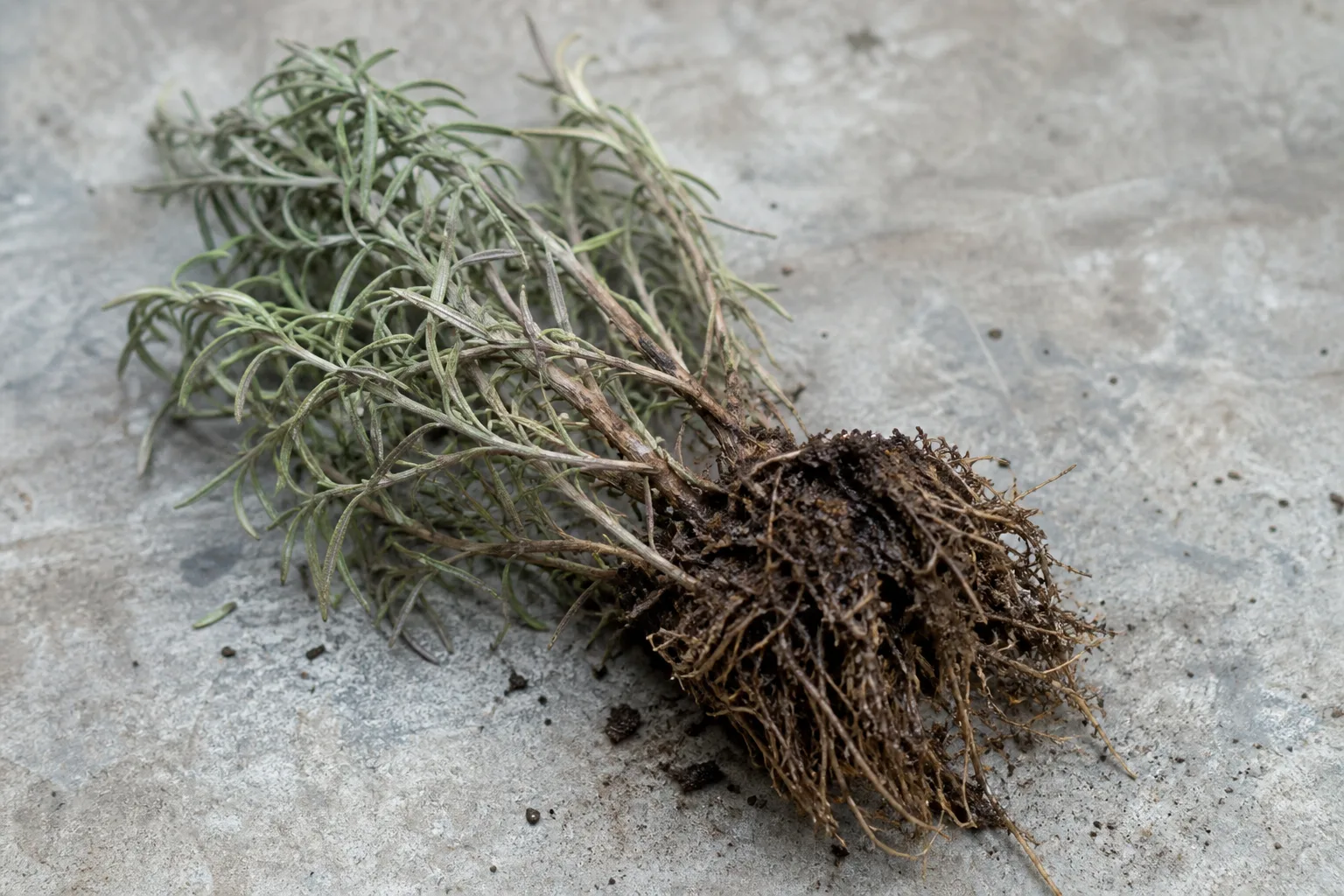
Softwood stem cuttings in late spring or early summer are the most reliable way to clone a favorite cultivar. Semi-ripe cuttings and layering low stems to soil also work; check pot edges for naturally rooted branches you can sever and pot up.
Root cuttings in warm bright conditions, keep mix moist but not soggy, and transplant when roots resist a gentle tug. Water-rooted cuttings transplant carefully into gritty soil so fragile roots do not break. Step-by-step timing and media choices are on our propagation guide.
Harvesting and Storing
Harvest rosemary any time of year—it is evergreen—but soft spring and summer growth has the best texture and oil concentration. Pick in the morning after dew dries and ideally just before bloom when aroma peaks.
Cut 4–6 inch sprigs with pruners, never stripping more than one-third of the plant at once. Use fresh sprigs in roasts, breads, and infused oils; hang bundles upside down in a warm, dark, airy room for two weeks to dry, then strip leaves into airtight jars.
For refrigerator storage, stand cut stems in water like a bouquet, cover loosely with a bag, and use within one to two weeks. Freezing whole sprigs in a sealed bag preserves flavor longer than dried leaves for many cooks.
Common Pests and Diseases
Healthy rosemary in sun and sharp drainage is relatively trouble-free. Problems cluster where humidity, poor airflow, or overwatering stack up.
Powdery mildew shows as white dusty coating on leaves—common indoors and in humid summers. Increase airflow, avoid wetting foliage at night, and remove affected tips. Aphids, spider mites, and mealybugs attack stressed indoor plants; rinse with water or apply insecticidal soap at first sign. NC State Extension notes aphids, mealybugs, whiteflies, and spider mites as the main indoor pests. (NC State Extension)
Root rot and botrytis follow overwatering or cold wet soil. Rosemary beetle (more common in Britain) and scale can defoliate stems—hand-pick beetles or prune infested tips. Our problems hub maps symptoms to fixes.
Troubleshooting: Fix a Struggling Plant
Start with the condition that fails most often: roots too wet, not enough light, or both.
Yellowing lower leaves with damp soil: Stop watering, improve drainage, and check roots for brown mush. Repot into fresh gritty mix only if you find rot; otherwise let the pot dry thoroughly before the next soak.
Leggy, pale, weak stems: Move to full sun or add grow lights 12–14 hours daily. Rotate pots weekly indoors.
Brown, dry tips on otherwise dry soil: Underwatering or low humidity—deep soak once, then resume the dry-top-2-inches schedule.
No fragrance: Usually too little sun or too much fertilizer. Increase light first; withhold feed for a season.
Bare woody base, green only at tips: Light pruning of soft growth helps briefly, but old plants rarely refill the bottom. Take cuttings and replace the mother plant.
Indoor plant dies after one to two winters: Expected for many setups lacking sun and airflow. Plan to treat potted rosemary as a seasonal outdoor plant or invest in strong supplemental light.
Conclusion
Rosemary is straightforward when you respect its Mediterranean roots: sun, drainage, and restraint with water. Pick a cultivar matched to your winter—‘Arp’ or ‘Salem’ where cold and humidity challenge standard types—plant in spring in the brightest drained spot you have, and start from nursery plants or cuttings unless you enjoy the seed gamble.
Harvest regularly to keep plants bushy, propagate before woody decline sets in, and diagnose problems by checking roots and light before reaching for fertilizer or pesticides. With those habits, rosemary becomes a long-term kitchen and garden staple rather than a repeat purchase at the herb aisle.