Heartleaf Philodendron Pruning: When, How, and Mistakes
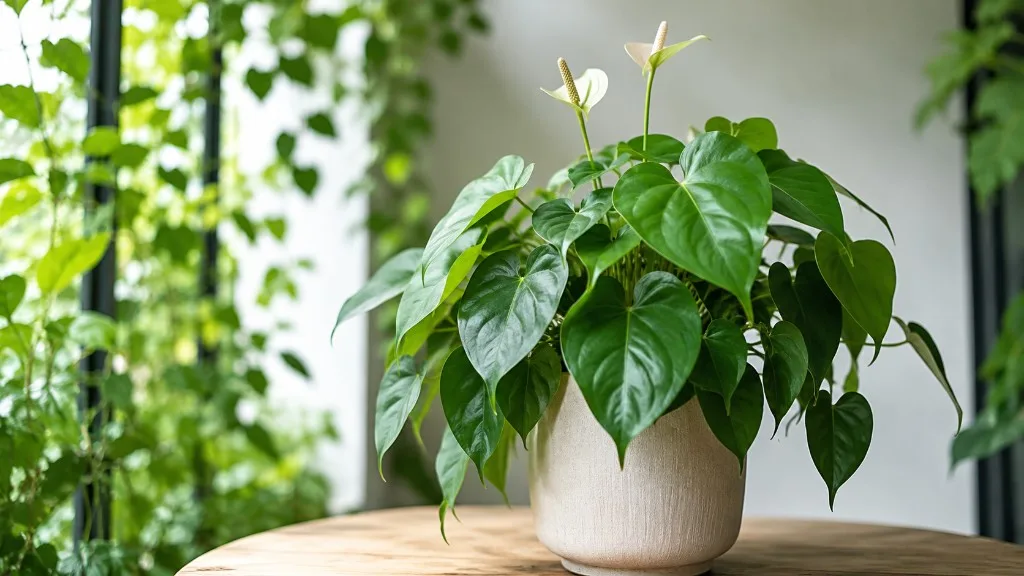
Heartleaf Philodendron Pruning: When, How, and Mistakes to Avoid
Heartleaf Philodendron Pruning: When, How, and Mistakes to Avoid
First, remove only dead, yellow, or clearly damaged leaves and stems with clean sharp scissors - snip yellow leaves at the petiole base or cut soft stems back into firm green tissue just above a healthy node. Heartleaf Philodendron (Philodendron hederaceum) is a fast trailing aroid that stores energy along its vines; a quick sanitation pass shows you what is actually alive before you shorten anything for shape.
Quick Answer
Prune Heartleaf Philodendron for shape and density in late spring through early summer, when the plant is actively growing. Make each shaping cut 6–10 mm (about ¼ inch) above a visible node - the slightly swollen point where a leaf attaches and a tiny aerial root may appear. Limit routine shaping to no more than one-third of total foliage per session. Emergency removal of mushy, pest-damaged, or fully dead stems can happen any time. Pinching trailing stems promotes bushier growth, but pruning cannot replace adequate Heartleaf Philodendron light guide - legginess returns quickly in a dim corner even after a hard trim.
What Pruning Does for Heartleaf Philodendron
Heartleaf Philodendron is a fast-growing tropical vine in the arum family, native to Mexico, the Caribbean, and Central and South America. Missouri Botanical Garden notes that indoor plants typically reach about 4 feet tall on twining stems that either trail from a pot or climb when given support. That growth speed is an advantage for pruning: clean cuts above nodes often produce visible new shoots within two to four weeks during active growth.
Without intervention, each vine follows apical dominance - the terminal bud at the growing tip produces hormones that suppress lateral buds lower on the stem. The tip keeps extending, internodes stretch, and lower leaves age out, leaving bare runners with foliage clustered at the ends. Indoors, too little light produces spindly stems because the plant reaches toward the brightest available source.
Pruning serves four practical jobs on Heartleaf Philodendron:
- Redirects growth by removing the dominant tip and waking buds at nodes below
- Removes failing tissue before pests or rot spread along soft stems
- Shortens leggy runners that have lost lower foliage
- Supplies propagation material - node-bearing cuttings root easily in water or soil (Iowa State Extension)
Pruning does not fix chronic under-lighting. If internodes on new growth exceed roughly 10–15 cm (4–6 inches), improve placement to bright filtered light before expecting compact regrowth.
When to Prune Heartleaf Philodendron
Heartleaf Philodendron tolerates light trimming year-round, but timing changes speed, not survival. Structural cuts during active growth produce faster branching and shorter internodes. The same cuts in late autumn or winter may sit visually unchanged for weeks while light and temperatures are low.
Best season for shaping cuts
Late spring through early summer is the ideal window for reshaping in most homes. By then daylight is increasing, the pot dries on a predictable rhythm, and new leaves are already unfurling. The RHS recommends pruning climbing or trailing philodendrons back in spring, just as they come into growth, to encourage fresh leafy stems for a fuller look. Early autumn works as a second option if your space stays warm and bright.
Avoid major cutbacks in late autumn and winter unless you accept a slower response. A one-third reduction that rebounds in three weeks during June may look unchanged until March if done in December. Light tip pinching during the off-season is fine; hard rejuvenation is not.
Cuts that cannot wait
Some trimming should not wait for spring:
- Blackened, mushy, or rotting stems - cut back into firm green tissue above a healthy node; sterilize blades between cuts on diseased material
- Stems with heavy active pest infestation - remove the worst sections once you have a treatment plan for the rest
- Fully brown, dry leaves - snip at the petiole base any time; they no longer photosynthesize
When to delay major pruning
Postpone structural reshaping if the plant is recently repotted, recovering from root rot on Heartleaf Philodendron, or wilting from underwatering on Heartleaf Philodendron or overwatering on Heartleaf Philodendron. Pruning redirects energy; a stressed root system cannot support a flush of new shoots. Fix the underlying care issue first, wait until new growth looks firm, then shape.
What to Check Before Cutting
Walk the plant in good light before you open the shears:
- Node map - trace each long vine and mark where leaves attach; those bumps are your cut targets
- Stem firmness - soft, hollow, or blackened sections need removal before cosmetic cuts
- Pest scan - check leaf axils and new tips for mealybugs, spider mites, or scale
- Light context - note whether the longest vines reach toward one window; chronic stretch suggests placement, not just length, is the problem
- Tool readiness - sharp bypass pruners or scissors plus rubbing alcohol for blade sterilization
Philodendron sap can irritate skin, and the plant contains insoluble calcium oxalate crystals toxic to pets. Wear gloves if you are sensitive, keep trimmings out of reach of cats and dogs, and wash hands after handling cut stems.
The First Cut to Make
Start with sanitation only - no shaping yet. Remove every fully yellow or brown leaf by snipping at the petiole where it meets the stem. Cut any soft, blackened, or clearly dead vine sections back into firm green tissue, always finishing just above a healthy node so the remaining stem can branch instead of dying back to a stub.
Step back after this pass. The plant should look cleaner but not dramatically shorter. What remains tells you whether the next job is shortening one leggy runner or pinching several soft tips.
How to Prune Heartleaf Philodendron Step by Step
- Sterilize blades with rubbing alcohol
- Sanitation pass - dead leaves and failing stems first (see above)
- Identify the longest bare runner - choose the vine with the most empty internodes between leaves
- Shorten above a node - count two or three nodes back from the tip if you want moderate shortening; go further only if the lower section is mostly bare
- Repeat on other leggy vines - work around the pot for even density, not one-sided trimming
- Pinch soft new tips on vines you did not shorten - snip the top 1–2 cm above the uppermost node during active growth
- Assess shape - rotate the hanging basket or walk around a shelf plant before making additional cuts; you can always trim more later, not less
For plants on a moss pole, shorten side shoots that stick out awkwardly using the same node rule. Leave the main climbing stem intact unless you are deliberately reducing overall height.
Where to Cut: Nodes and Cut Height
On Heartleaf Philodendron, new growth emerges from nodes, not from random points on the stem. A node is the slightly raised ring where a leaf petiole attaches; you may also see a small aerial root nub.
RHS guidance for trailing philodendrons is to make your cut just after a leaf node on the stem - meaning the node stays on the parent plant and the removed section includes the tip. In practice, aim for 6–10 mm (¼ inch) above the node, angled slightly so water runs off the cut face.
Avoid:
- Stubs - cutting more than 1 cm above a node leaves dead tissue that browns and invites decay
- Mid-internode cuts - the severed tip cannot root well and the parent stem often produces no new shoot
- Cutting below the node you intended to keep - removes the very bud that would branch
For propagation, take the removed tip and cut just below the lowest node on that piece, with one or two leaves remaining (Iowa State Extension).
How Much You Can Safely Remove
Under normal conditions, remove no more than one-third of total foliage in a single session. Heartleaf Philodendron is forgiving, but leaves are the plant’s energy factory - stripping too much at once forces the vine to draw on stored reserves and slows recovery, especially outside the active season.
For severely leggy plants in a hanging basket, spread major cutbacks over two or three sessions spaced several weeks apart during spring or summer. Each session can take up to one-third; between sessions, watch for new shoots at nodes before cutting again.
Tip pinching - removing only the soft top inch - barely counts toward that limit and can happen monthly during warm months.
Pruning Leggy, Yellow, or Dead Growth
Leggy vines - long bare internodes with leaves only at the ends - are the main reason owners prune. Shorten the runner above a node two or three leaf pairs back from the tip, or further if the lower section has no leaves at all. Pair the cut with brighter indirect light so new growth stays compact.
Yellow leaves on lower stems are often normal aging, especially on older vines. Snip them off at the petiole base. If yellowing climbs rapidly from the soil line upward, check watering and roots before pruning heavily - the problem may not be solved by removing foliage.
Brown, crispy tips usually reflect low humidity or inconsistent watering. Trim the damaged portion of the leaf with scissors if it bothers you, or remove the whole leaf if more than half is brown.
Dead stems - dry, hollow, or black - cut back into green tissue. If no green remains on a vine, remove it at the soil line.
Using Pruning Cuttings
Heartleaf Philodendron is one of the easiest houseplants to propagate from trimmings. Missouri Botanical Garden notes stem cuttings in spring, and Iowa State Extension confirms trailing types root readily from 3–6 inch sections with lower leaves removed.
After a shaping cut:
- Place the cutting in water with at least one node submerged, or
- Pot into moist perlite or well-draining mix with the node buried
Change water every few days if rooting in water. Roots typically appear within one to three weeks during active growth. Planting cuttings back into the parent pot is an effective way to fill bare soil at the base without buying another plant.
Aftercare and Recovery Timeline
After pruning, keep care steady and boring:
- Light - maintain bright indirect light; do not move the plant to a dim corner or harsh direct sun immediately after cutting
- Water - follow your normal rhythm; the pot may dry slightly faster with less foliage, so check soil rather than watering on autopilot
- Fertilizer - hold off for two to three weeks; resume at half strength once new shoots are visible
- Humidity - typical room humidity (40–60%) is fine; no special tent needed
During active spring or summer growth, new shoots usually appear within two to four weeks of a clean node cut. Visible fullness develops over six to ten weeks as secondary branches fill in. Pruning in autumn or winter can double that timeline because lower light and cooler temperatures slow the plant’s response.
Signs Pruning Worked - and Signs It Did Not
Pruning worked when:
- Small leaves or stems emerge directly above the cut node within a few weeks
- Internodes on new growth stay shorter than on the old leggy section
- Lower parts of the vine look cleaner without spreading brown dieback from cut ends
- Overall silhouette is more even around the pot or basket
Something went wrong when:
- Cut ends turn black, mushy, or shriveled - often dirty tools, a stub left too high, or a cut on already diseased tissue
- No new growth after six weeks during warm months - check light, roots, and whether the plant was stressed before pruning
- Sudden widespread yellowing after a hard cut - may indicate over-removal or pre-existing root stress
- Legginess returns within months with long internodes on fresh growth - light is still too low; pruning alone will not fix it
Mistakes to Avoid
- Cutting more than one-third at once outside an emergency - spreads recovery over months instead of weeks
- Pruning before fixing root rot or severe underwatering - new shoots cannot sustain themselves on a failing root system
- Leaving long stubs above nodes - dieback looks messy and can invite rot on soft stems
- Using dull scissors - crushed stems heal slowly and may fail to activate buds
- Applying wound sealant - unnecessary on philodendron; clean open cuts heal fine indoors
- Discarding every trimming - healthy node cuttings are free propagation material
- Pruning without gloves when sap-sensitive - Araceae sap can irritate skin
Keeping Heartleaf Philodendron Full Between Pruning Sessions
Pinch or snip soft growing tips during the warm months to encourage side shoots without another hard cutback. Rotate hanging baskets every week or two so all sides receive light. When one runner outpaces the rest, shorten it above a node in spring before it dominates the silhouette.
If legginess returns quickly after a good trim, treat light as the primary tool and shears as secondary. Missouri Botanical Garden notes that stems become spindly in conditions that are too dark - moving the plant to brighter filtered light often does more for density than repeated hard pruning.
When to use this page vs other Heartleaf Philodendron guides
- Heartleaf Philodendron overview - Start here for whole-plant context before deep-diving this topic.
- Heartleaf Philodendron problems hub - Jump to symptom-specific fix guides when this care topic does not resolve the issue.
- Leggy Growth on Heartleaf Philodendron - Escalate here when pruning adjustments are not enough.
- Slow Growth on Heartleaf Philodendron - Escalate here when pruning adjustments are not enough.
- Brown Tips on Heartleaf Philodendron - Escalate here when pruning adjustments are not enough.
Related Heartleaf Philodendron guides
- Heartleaf Philodendron overview
- Heartleaf Philodendron watering
- Heartleaf Philodendron light
- Heartleaf Philodendron soil
- Heartleaf Philodendron propagation
- Heartleaf Philodendron fertilizer
- Leggy Growth on Heartleaf Philodendron
- Slow Growth on Heartleaf Philodendron
- Brown Tips on Heartleaf Philodendron
- Heartleaf Philodendron problems