Watering Philodendron Imperial Red: Schedule, Soil Checks &
Watering Philodendron Imperial Red: Schedule, Soil Checks & Mistakes
Watering Philodendron Imperial Red: Schedule, Soil Checks & Mistakes
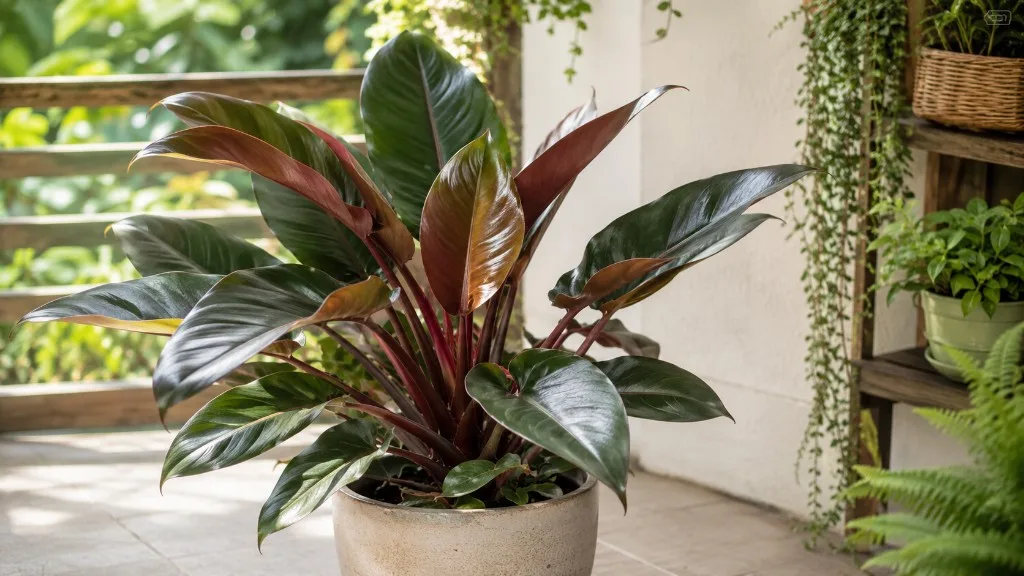
Philodendron Imperial Red watering is not a weekly calendar task - it is a check-first rhythm built around one compact self-heading crown. Philodendron erubescens ‘Imperial Red’ is a patented, non-climbing hybrid with bronze-red new leaves that mature to dark green-maroon on a single upright rosette. NC State lists the parent species as preferring moist, well-drained, high organic matter soil with good drainage - the phrase every Imperial Red keeper should internalize: moist after a soak, then allowed to partial-dry before the next soak, never permanently soggy peat around the crown.
The main failure mode is chronic overwatering in low light. Self-heading philodendrons look thirsty when roots are actually suffocating - limp petioles, yellow lower foliage, and a pot that stays heavy day after day. Underwatering shows up as a light pot, dry compacted mix, and crispy leaf edges. This guide covers how often to water, a step-by-step moisture workflow, over- and underwatering recovery, seasonal adjustment, cachepot traps, crown-specific diagnostics, and the mistakes that turn a burgundy statement plant into a root-rot recovery project. For mix and drainage that make watering safe, see Imperial Red soil. For light level tied to dry-down speed, see Imperial Red light. For the full species picture, start with the Imperial Red overview.
Quick answer: check the pot, not the calendar
Water Philodendron Imperial Red when the top 3–5 cm (1–2 inches) of mix has dried - typically about every 7–10 days in active summer growth and every 10–14 days in cooler winter months in a standard indoor pot with drainage holes. Those intervals are starting ranges only. A plant in stronger light, a smaller pot, or a warm room dries faster; one in low light, an oversized decorative pot, or air-conditioned stillness dries slower. The calendar is a reminder to check; the soil depth and pot weight are the decision.
When you water, soak until excess runs from the drainage holes, then empty every saucer and cachepot within 30 minutes. Never let the crown sit in standing runoff. If the mix is still cool and damp at the 3–5 cm check point on your “watering day,” skip it - that single habit prevents more Imperial Red losses than any product labeled philodendron food.
Why Imperial Red watering is different from generic aroid advice
Generic philodendron watering advice assumes a trailing vine with sparse foliage over an exposed soil surface. Imperial Red is the opposite: a dense self-heading rosette with one central crown and thick leaves that shade the pot rim. That shape changes how fast the surface dries and how the plant fails when roots stay wet.
Self-heading rosette and dense crown
Imperial Red grows as an upright rosette from one crown, not a climber on a moss pole. The US Plant Patent describes it as compact and symmetrical with brown-maroon immature leaves - a form bred out of the vining P. erubescens habit. All new leaves emerge from the same base, so root stress shows up systemically: soft petioles, stalled burgundy unfurling, and yellow lower leaves together, not as isolated blemishes.
Clemson HGIC notes that self-heading philodendrons send leaves from a heavy clump at the base and that long petioles are brittle - but the watering implication is deeper. Dense leaf mass slows surface evaporation compared with a sparse trailing philodendron. The top inch may look pale and dry while the root zone below stays damp for days, especially in low light or an oversized pot. That is why surface color alone is unreliable on Imperial Red; you need depth checks and pot weight.
When the crown softens, if lower leaves yellow in a pattern rather than one at a time, or if new leaves emerge small and pale green, the problem is usually systemic - roots, light, or both - not a single bad leaf. A vining philodendron can sometimes keep going on one healthy section; Imperial Red has one main engine at the crown.
Burgundy new growth as a moisture-and-light signal
Imperial Red’s bronze-red unfurling leaves are both an aesthetic feature and a health gauge. Firm, richly colored new growth usually means the crown is getting enough light and the root zone is cycling correctly between moist and partial dry. Weak green new leaves in a dim corner often mean insufficient light - but if the pot stays heavy and petioles feel soft at the same time, overwatering in low light is the more likely combined diagnosis. Color alone does not replace a soil check; it narrows what you fix after the check.
Clemson HGIC lists yellowing of lower leaves and death of growing tips as signs of too little light or overwatering on philodendrons - on Imperial Red, several yellow lower leaves plus limp petioles on wet mix usually mean root-zone stress. Compare with the dedicated yellow leaves and wilting guides when the pattern repeats after you correct watering.
How often to water Philodendron Imperial Red
There is no honest universal schedule for how often to water Philodendron Imperial Red. What works as a starting framework - not a rule - looks like this:
| Season / conditions | Typical check interval | Dry-down trigger |
|---|---|---|
| Active growth, bright indirect light, 18–24°C | Every 7–10 days | Top 3–5 cm dry; pot lighter |
| Active growth, moderate light | Every 10–12 days | Same depth check |
| Cool winter, shorter days, 15–20°C | Every 10–14 days, sometimes longer | Top 3–5 cm dry; do not force summer frequency |
| Recently repotted or upsized pot | Add 3–7 days to your prior interval | Extra mix volume holds moisture longer |
| Low-light office, AC-cooled | Often 12–18+ days in winter | Weight test critical - surface lies |
RHS guidance is to wait until the top of the compost dries out before watering and take care not to overwater or leave philodendrons standing in water. Clemson HGIC recommends keeping philodendron soil evenly moist, but not soggy, and never letting plants stand in water. “Evenly moist” in container culture means moist after a thorough soak, then partial dry-down before the next soak - not permanently damp peat.
A worked example you can adapt
In a 15 cm (6-inch) nursery pot at an east window around 22°C (72°F), check-first watering averaged roughly 8 days between soaks in July and 13 days in a 18°C (65°F) office in January - same plant, same mix, different evaporation and growth speed. Your home will differ; track date watered → date pot felt light → plant response for two full cycles and you will know your interval better than any blog’s generic “weekly” rule.
Light intensity, pot volume, soil texture, trailing biomass (none on Imperial Red, but floor-pot size matters), and active growth all rewrite the interval. Treating “once a week” as permission to skip the soil test is how overwatering starts on a cultivar marketed as easy.
The moisture check workflow
Use the same three-signal loop before every major watering: depth moisture, pot weight, and plant posture - in that order. Posture alone misleads; limp leaves happen on both wet and dry roots.
Step 1 - Finger or knuckle test: Insert your index finger to the second knuckle, about 3–5 cm. If the mix at that depth feels cool and slightly damp, do not water. If it feels dry and the surface is lighter in color, proceed to step 2. Clemson HGIC indoor watering guidance recommends sticking your finger into the mix up to the first joint - Imperial Red in standard indoor pots reliably needs the deeper 3–5 cm check because the dense crown slows surface drying.
Step 2 - Chopstick or skewer test: Push a dry bamboo skewer toward the pot bottom. Pull it out after ten minutes. Darkening or soil cling means moisture remains at depth. Clean, dry wood with no cling supports watering. This catches the “dry top, wet bottom” trap common in peat-heavy mix.
Step 3 - Pot weight test: Lift the container the day after a thorough watering and again when you know the soil is dry. A dry pot is noticeably lighter. Experienced growers often trust weight over touch because it reflects moisture through the full column. Learn the halfway point where the top is dry but the bottom still holds some moisture - that is usually the correct moment for Imperial Red in perlite-amended mix.
| Check result | Action |
|---|---|
| Top 3–5 cm dry, pot light, petioles firm | Water thoroughly until runoff; drain saucer |
| Top dry, pot still heavy, skewer damp at depth | Wait 2–4 days; recheck - do not top-up |
| Top damp, pot heavy, soft petioles | Stop watering; inspect for overwatering |
| Top dry, pot light, limp leaves | Water thoroughly once; see underwatering recovery below |
| Limp leaves, wet heavy pot | Do not water - root damage likely; read wilting |
Finger, skewer, and pot-weight checks
Surface color lies. Mix can look pale and cracked on top while staying damp near the roots - especially in peat-heavy blends that dry unevenly and on self-heading rosettes that shade the rim. Use at least two methods every time until you know your pot’s behavior.
Moisture meters can help if you calibrate them to your mix, but Clemson HGIC notes that meter accuracy varies and readings can be influenced by fertilizer salts and soil type. Treat a probe as a second opinion, not gospel; compacted or salt-heavy mix can lie to cheap sensors. On Imperial Red, a meter reading “moist” at 5 cm while petioles are firm and new growth is burgundy is fine; “wet” for many days after a single soak in low light is a warning.
Signs you are watering too much
Overwatering announces itself in layers on a self-heading rosette. Catch early signs before the crown goes soft.
Watch for multiple yellow lower leaves climbing the stem - not just one aging leaf dropping naturally. Soft or limp petioles while the mix stays cool and damp at depth. Stalled burgundy new growth or new leaves emerging small and pale. A sour or rotten smell from the pot. Soil that stays dark and heavy for many days after watering. Fungus gnats hovering over a surface that never dries. Wilting despite wet soil - the paradox that traps beginners: damaged roots cannot transport water, so the plant looks thirsty when it is drowning.
On Imperial Red, overwatering is more likely when heavy peat mix, low light, a pot with no drainage, an oversized decorative container, or a cachepot holding runoff combine. NC State lists overwatering as a cause of root rot on Philodendron erubescens; Imperial Red shares that species lineage and moisture biology.
If several signs appear together, pause watering immediately. Do not “give it a little drink to perk it up.” That finishes the plant.
Overwatering recovery protocol
Step 1 - Stop watering. Empty standing water from saucers and cachepots. Move the plant to brighter indirect light if it has been in a dim corner - evaporation must increase before roots recover.
Step 2 - Inspect. After the mix dries partially at the surface, slide the plant out gently. Healthy roots are firm, white or tan, and smell like soil. Mushy, brown, or foul-smelling roots need trimming with clean scissors wiped with alcohol between cuts.
Step 3 - Repot if needed. If more than roughly one-third of the root mass is mushy, repot into fresh well-draining mix in a pot sized to the remaining roots - not dramatically larger. Maintain the same planting depth; do not bury the crown.
Step 4 - First drink. Water lightly once to settle mix, drain fully, then wait for a genuine 3–5 cm dry-down before the next soak. Do not fertilize until new growth shows roots are functioning again. Full detail: root rot guide.
Step 5 - Watch the crown. Firm petioles and a return of bronze-red unfurling leaves are positive signs. Continued yellowing on wet mix means drainage or light still need correction before another soak.
Signs you waited too long
Underwatering is less common indoors than overwatering, but repeated drought stresses Imperial Red’s single crown. A dry plant usually tells you plainly.
Leaves may curl or look slightly shrunken, losing their plump feel. Leaf edges may crisp from prolonged drought - though tip burn also comes from low humidity, fluoride, or salt buildup. Soil pulls away from pot walls, and the container feels very light. Lower leaves may dry and drop, but the crown and trunk base stay firm unlike rot.
A single dry episode rarely kills Imperial Red - thick leaves and a compact root system store a little buffer. Rehydrate with one full soak, let excess drain, then return to the dry-down cycle. Do not compensate with tiny daily sips; that swings the problem to overwatering within a week.
If leaves are limp and the mix is wet, you are not underwatered. The fix is opposite: dry out, inspect roots, repot if necessary. Confusing the two conditions is the fastest route to losing the plant. More detail: underwatering guide.
Rehydrating dry or hydrophobic mix
When peat or coir dries completely, it can become hydrophobic - water runs down the sides without wetting the root ball, leaving dry pockets at the crown. Clemson HGIC recommends the double watering method (water once, then again half an hour later) or bottom-watering: place the pot in a sink or bucket of water until the surface moistens, then drain completely.
If peat is allowed to dry completely, it not only becomes hard to rewet but also will not hold as much water as before until rehydrated properly. After a drought cycle, one thorough soak-and-drain usually restores function; if water races through without absorbing, use bottom-watering once, then resume top watering at the next dry-down.
Seasonal watering changes
Imperial Red usually needs less water during cooler, darker months and more during active warm growth - but the shift is driven by dry-down speed, not the month on a calendar.
In spring and summer, expect to check more often - commonly every 7–10 days, sometimes every 5–7 days for small pots in bright light. In autumn, stretch intervals as growth decelerates. In winter, the same pot that needed water weekly in July may need water only every 10–14 days, sometimes every three weeks in a cool, low-light room. Continuing summer frequency into winter is a primary path to yellow leaves on wet mix.
Temperature and light matter as much as season labels. A plant near a cold window in January uses less water but also recovers more slowly from overwatering. A plant under supplemental grow lights in winter may dry almost as fast as in summer. After any move - closer to a window, into an office, or away from a heating vent - check pot weight daily for one week before assuming your old interval still applies.
| Month phase | Growth speed | Watering tendency |
|---|---|---|
| March–May | Accelerating | Shorten interval as new burgundy leaves appear |
| June–August | Peak active | Shortest intervals if light is strong |
| September–November | Slowing | Gradually extend checks |
| December–February | Rest / slow | Longest intervals; never skip depth check |
How to water cleanly without crown rot
The soak-and-drain cycle mimics tropical rain followed by partial dry-down: one thorough irrigation, complete drainage, then no water until the mix dries appropriately at depth. Partial top watering - a cup every few days - keeps the upper layer damp while never reaching deep roots, encourages shallow roots, and hides wet conditions lower in the pot where rot begins.
When you water, apply slowly and evenly across the surface until water runs freely from drainage holes. That confirms the root ball received moisture throughout. Use room-temperature water - Clemson HGIC recommends 62–72°F (17–22°C); cold water can shock roots in smaller pots. Avoid splashing water into the crown if your plant is prone to spotting; direct flow at the soil surface.
Empty saucers within 30 minutes. Never let the pot sit in standing water - RHS is explicit that saturated compost can eventually cause root rot. Cachepots - decorative outer shells with no drainage - are a silent killer: water drains from the inner pot into a hidden pool. Either lift the grow pot to drain after every watering or treat the setup as temporary display only.
If your tap water is very hard, occasional flushing with plain water reduces salt buildup that shows up as brown tips unrelated to humidity. NC State notes that watering at the base and preventing water from contacting leaves helps prevent leaf spot diseases - relevant when you are pouring from a can over dense Imperial Red foliage.
Self-heading crown moisture notes
Three crown-specific patterns separate Imperial Red from generic philodendron advice:
Dense canopy slows surface dry-down. The rosette shades the soil rim. A pale, dry-looking top inch can coexist with a damp root zone for days in low light. Always check depth and weight, not surface color alone.
Crown-first failure on chronic wetness. Soft petioles at the base, stalled red unfurling, and bottom-up yellowing together point to oxygen-poor mix around the crown - common when an oversized pot, cachepot trap, and dim placement overlap. Fixing water volume without fixing drainage or light rarely works.
Recently repotted slow-dry period. Fresh mix without fully colonizing roots holds water differently. After repotting, expect slower drying for several weeks and extend your interval until roots explore the new volume. Water once thoroughly after repot, drain fully, then wait for a genuine dry-down - do not maintain the old summer calendar on a suddenly larger wet zone.
Low-light plus dense rosette overwatering combo is the overview insight worth repeating here: Imperial Red in a north-facing corner with a heavy peat mix may stay damp two weeks after one watering while leaves look mildly limp. Moving toward brighter indirect light often fixes the “watering problem” before you change volume.
Common Philodendron Imperial Red watering mistakes
Watering on calendar autopilot. Weekly watering without a 3–5 cm check is the top cause of crown root stress on self-heading aroids. Use the calendar as a reminder to check, not as permission to pour.
Small top-ups instead of full soaks. Daily sips keep the upper layer damp while deep roots stay dry or, worse, chronically wet at the bottom. One deep soak per dry cycle matches how the plant handles water in nature.
Trusting surface color on a shaded rosette. Imperial Red’s own leaves hide the soil. Skewer and weight tests exist for this reason.
Leaving cachepots full of runoff. Decorative pots without drainage create a permanent bog at the crown. Lift, drain, return - every time.
Watering a wilted plant without checking soil. Limp plus wet means stop; limp plus dry means soak. Getting this backward kills more Imperial Reds than drought.
Repotting into an oversized pot and keeping the old schedule. Extra mix volume stays wet longer. Add days to your interval after every upsize.
Changing water, light, and placement the same week. After bringing a new plant home, quarantine it, learn how fast this container dries, and keep care boring while it adjusts - see the overview first-month guidance.
Ignoring pet safety when handling runoff. Imperial Red contains insoluble calcium oxalate crystals toxic to cats and dogs per NC State - keep drips away from pets; the plant belongs on elevated display, not floor pots in chewing households.
Imperial Red vs Imperial Green: watering and light interaction
Philodendron erubescens ‘Imperial Green’ is Imperial Red’s sibling selection from the same breeding era - patented separately as USPP6086P from a different seedling in the same batch. Care requirements overlap: both are self-heading rosette types that prefer the same 3–5 cm dry-down rhythm and soak-drain technique. The practical difference is light use, not water volume per se.
Imperial Red needs brighter indirect light to keep burgundy new growth; Imperial Green stays acceptably green in moderate light. In a dim corner, Imperial Red uses water more slowly while the pot stays wet longer - the dangerous overwatering combo. Imperial Green may look fine in the same spot while Imperial Red fades to green and softens at the crown. Same watering check; different light placement. Compare the Imperial Green watering guide if you keep both cultivars.
Watering rhythm does not need to differ between the two if dry-down checks govern both pots. Color performance does.
When to use this page vs other Philodendron Imperial Red guides
- Philodendron Imperial Red overview - Start here for whole-plant context before deep-diving this topic.
- Philodendron Imperial Red problems hub - Jump to symptom-specific fix guides when this care topic does not resolve the issue.
- Root Rot on Philodendron Imperial Red - Escalate here when watering adjustments are not enough.
Related Philodendron Imperial Red guides
- Philodendron Imperial Red overview
- Philodendron Imperial Red light
- Philodendron Imperial Red soil
- Philodendron Imperial Red propagation
- Philodendron Imperial Red fertilizer
- Philodendron Imperial Red repotting
- Root Rot on Philodendron Imperial Red
- Philodendron Imperial Red problems
Conclusion
Philodendron Imperial Red rewards a simple rhythm: let the top 3–5 cm of mix dry, soak once until water drains, empty every saucer and cachepot, then wait until the pot is light and the probe reads dry at depth again. Starting ranges of 7–10 days in active growth and 10–14 days in cooler months are useful only as placeholders until your container teaches you its real interval. This self-heading burgundy cultivar tolerates a missed drink better than chronic soggy soil - soft petioles, yellow lower leaves, and stalled red unfurling on wet mix are warnings to respect, not calls for more water. Match watering to light and mix, use depth and weight checks the dense rosette demands, and keep the problem guides linked above open when symptoms outlast a single corrected soak.