Philodendron Gloriosum Pruning: When, How, and Mistakes
Philodendron Gloriosum Pruning: When, How, and Mistakes to Avoid
Philodendron Gloriosum Pruning: When, How, and Mistakes to Avoid
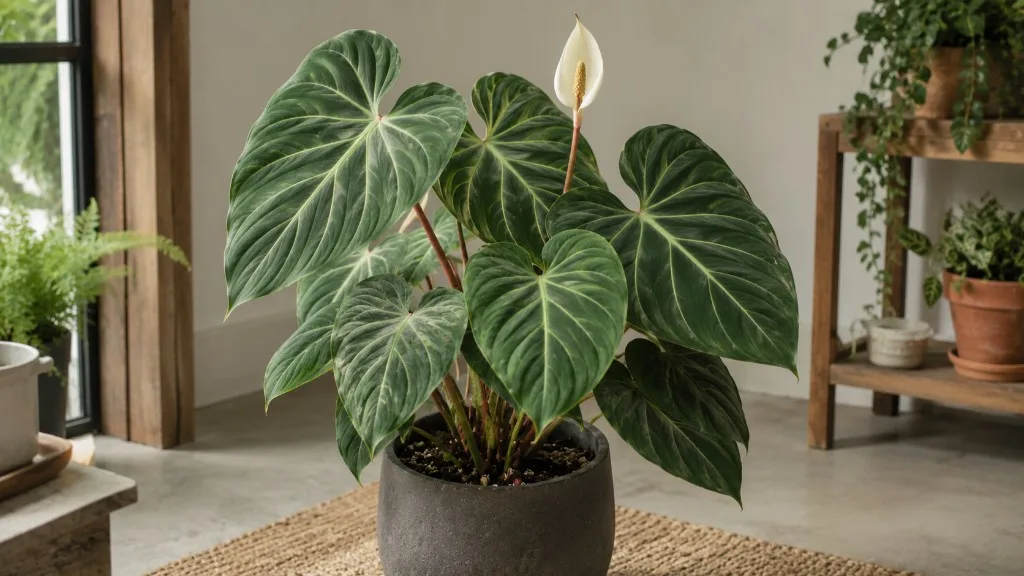
Philodendron Gloriosum is a crawler, not a climber. Its horizontal rhizome advances across the soil surface, pushing out large velvet heart-shaped leaves on long petioles while a single growth tip at the rhizome front produces every new leaf. Philodendron Gloriosum pruning is mostly grooming - not shaping a vine for bushiness. First, inspect the plant and remove only dead, yellow, or heavily damaged leaves by cutting each petiole cleanly where it meets the rhizome, without nicking the stem surface. That one step clears pest habitat and redirects energy forward without touching the only meristem that matters.
NC State Extension places philodendrons in the Araceae family and notes climbing types root onto poles while non-climbing forms grow differently. Gloriosum fits neither pattern exactly - it is a terrestrial crawler native to Colombia, spreading via a surface rhizome rather than ascending a trunk. RHS philodendron guidance describes pruning climbing forms just above leaf nodes to encourage fresh growth; that technique does not apply here because gloriosum does not branch from mid-rhizome pinches the way a heartleaf vine does.
Wide shallow pots suit gloriosum because the rhizome needs horizontal runway. Installing a moss pole, burying the growth tip during Philodendron Gloriosum repotting guide, or shortening healthy rhizome ahead of the tip are the classic errors that stall or rot new leaves. The sections below walk through inspection, timing, cut placement, safe removal limits, propagation harvests, and recovery expectations specific to this velvet crawler.
Why Gloriosum Pruning Is Not Vine Pruning
Climbing philodendrons like Philodendron hederaceum produce new stems from nodes along vertical vines. Gloriosum produces new leaves only from the forward rhizome tip. Mid-rhizome cuts on the parent plant do not activate dormant buds for bushier forward growth - side shoots appear mainly when you propagate firm rhizome sections with nodes in separate pots.
Rhizome Anatomy You Must Recognize
Three parts matter for every cut decision:
- Rhizome - the thick horizontal stem at or on the mix surface
- Petioles - the stalks attaching velvet leaves to the rhizome top
- Growth tip - the leading edge where the next leaf spike emerges; must stay exposed and relatively dry
Aerial roots along the rhizome anchor into mix when you repot forward. There is no apical vine to pinch. Understanding that distinction prevents the most common gloriosum pruning mistake: treating node placement on a trailing stem as if it were a crawler.
What Pruning Can and Cannot Change
Pruning can remove unsightly or pest-harboring foliage, excise confirmed rot, and supply propagation sections during repotting. Pruning cannot make gloriosum bushier on the parent plant, speed up leaf size, or substitute for repotting the rhizome forward into fresh airy mix. Large fenestration-free velvet leaves come from age, Philodendron Gloriosum light guide, and stable humidity - not from cutting existing foliage.
Inspect Before You Cut
Before any blade touches the plant, read the rhizome front to back:
- Growth tip condition - firm and green/tan, or soft and brown?
- Petiole bases - any yellow leaves, torn velvet, or pest damage?
- Rhizome surface - mushy sections, foul smell, or firm tissue throughout?
- Unfurling leaves - a new velvet leaf mid-unfurl is extremely fragile; defer all cuts nearby
- Soil moisture - chronic wetness at the rhizome often explains rot that pruning alone cannot fix
If the growth tip is mushy, the problem is environmental - wet mix, buried tip, or poor drainage - and surgery must pair with repotting onto fresh chunky substrate with the tip above the surface.
When to Prune Gloriosum
Routine Leaf Grooming
Remove fully yellow, torn, or pest-damaged leaves any time the plant is stable. Older back leaves yellow naturally as the crawler advances - clearing them reduces mealybug and scale hiding spots without stressing the plant.
Urgent Rhizome Rot Surgery
Cut back rhizome tissue immediately when a section turns soft, brown, or smells sour. Delay allows rot to reach the growth tip and kill the only forward meristem. This is emergency surgery, not optional grooming.
Propagation During Spring Repot
Divide firm rhizome sections with at least one node and one healthy leaf during spring repotting when active growth resumes. NC State Extension recommends spring for philodendron repotting and stem propagation - the same window suits gloriosum rhizome divisions because roots establish faster in warm, bright conditions.
When to Wait
Hold off on major rhizome disturbance when:
- A new velvet leaf is unfurling - petioles and emerging blades tear from vibration and airflow changes
- The plant is in winter slowdown with no new growth for weeks
- You just repotted or moved the plant - let it settle two weeks before harvesting sections
Tools and Sanitation
Use sharp bypass pruners or floral snips for petioles; a sterile craft knife works for thick rhizome sections needing a flat cut. Wear gloves - gloriosum sap contains calcium oxalate crystals. The ASPCA lists philodendron as toxic to cats and dogs, and NC State notes philodendron sap can cause skin irritation on sensitive individuals.
Disinfect blades between cuts on diseased tissue. Iowa State Extension recommends wiping tools with 70% isopropyl alcohol - effective, inexpensive, and no prolonged soak required. If you trim rot, sanitize before moving to healthy tissue on the same plant.
The First Cut: Removing Damaged Velvet Leaves
Trace each damaged petiole down to its junction with the rhizome. Cut cleanly through the petiole base without slicing into the rhizome surface. If a petiole resists pulling, slice - never yank, which tears rhizome bark.
Velvet leaves scar permanently. Do not make cosmetic cuts through the leaf blade to trim brown edges. If more than half the blade is damaged, remove the entire leaf at the petiole. Small edge blemishes on otherwise healthy foliage are better left alone than patched with scissors.
When older leaves at the back of the crawler turn fully yellow, remove them promptly. Each large leaf is a significant photosynthetic engine, but a yellow blade is no longer contributing - it only attracts pests and holds moisture against the rhizome.
Rhizome Cuts - Only for Confirmed Rot
Healthy rhizome ahead of the growth tip should never be shortened for size control. Gloriosum does not replace forward momentum from arbitrary shortening - you simply lose runway.
When rot is confirmed, cut back to firm green or tan tissue with sterilized shears. Make one clean perpendicular cut rather than sawing. Let the wound dry for a few hours before laying the rhizome on fresh airy aroid mix with the growth tip exposed. Cinnamon dust is optional; wound sealants are unnecessary.
To manage footprint without destructive cuts, repot into a wider shallow container and curve the rhizome in a U-shape on the surface, keeping the tip at one end with room to advance. That is spatial management, not pruning.
How Much Foliage Is Safe at Once
Limit healthy leaf removal to one-third of total foliage per session. Each gloriosum leaf is large and slow to replace - expect weeks between new leaves even in favorable conditions. Fully dead or completely yellow leaves do not count toward the limit because they are no longer functional.
If multiple leaves need removal after a pest outbreak or watering crisis, stage cuts across two sessions two to three weeks apart rather than stripping the plant in one afternoon.
Propagation Cuts from Firm Rhizome Sections
During repotting, you can harvest propagation pieces - this is the main way pruning shears create new plants. Select firm rhizome sections with at least one node and one healthy leaf. Cut cleanly through the rhizome, let the wound callous two to four hours, then lay the section horizontally with the node contacting moist sphagnum or chunky aroid mix.
Do not bury the growth tip on divisions any more than on the parent. Top cuts from the active tip root fastest because they carry forward momentum; mid-rhizome sections work but establish more slowly. Cover with a humidity dome or clear bag, venting every few days to prevent stale air.
Gloriosum propagates during repotting far more often than from casual mid-season trims - plan divisions for spring, not random Tuesday snips.
What Not to Cut
Avoid these high-risk targets:
- The active growth tip - even if it looks small; it is the only source of new leaves
- Healthy rhizome ahead of the tip - shortening does not produce bushier growth
- Leaf blades for cosmetic edge trimming - velvet marks permanently
- Aerial roots unless dried and detached - they anchor the rhizome during repot-forward
- Mid-rhizome sections on the parent expecting branching - propagate them into separate pots instead
Recovery and Aftercare
New leaves emerge only from the forward rhizome tip - typically one leaf at a time every several weeks when humidity stays around 60–70% and light is bright but indirect. After rot surgery, recovery may take months if multiple inches of rhizome were lost.
Post-grooming care is boring and consistent:
- Allow the top 3–5 cm of mix to dry between waterings
- Keep the rhizome tip above the surface and out of stagnant moisture
- Maintain airflow without blasting an unfurling leaf
- Repot forward annually or when the rhizome reaches the pot edge
Signs pruning worked: the growth tip stays firm, the next leaf spike appears within a normal interval, and yellowing stops spreading from back leaves forward. Signs pruning was too aggressive or badly timed: stalled tip, torn unfurling leaves, or soft rhizome spreading from the cut zone.
Ongoing Maintenance Without Heavy Pruning
Most gloriosum care cycles need repotting forward more than cutting back. As the rhizome reaches the pot rim, shift it onto fresh mix in a wider shallow pot, leaving spent rear sections behind or harvesting them for propagation. Wipe dust from velvet leaves with a damp cloth during inspection - that improves light capture and reveals pests early without scarring the blade.
Pruning is a periodic groom, not a monthly chore. A healthy crawler may need only occasional yellow-leaf removal and an annual repot-forward adjustment.
Mistakes That Stall Crawlers
Installing a moss pole. Crawlers need surface runway, not vertical support.
Burying the rhizome tip during repotting. Wet tips rot; new leaves stall before unfurling.
Cutting rhizome like a vine above nodes for bushiness. Mid-rhizome parent cuts do not branch forward.
Cosmetic scissor work on velvet blades. Permanent scarring on display foliage.
Heavy leaf removal during unfurling. New velvet tears easily from handling and airflow shifts.
Pruning without gloves in pet households. Sap irritates skin; cuttings are toxic to pets per ASPCA philodendron data.
Skipping tool sanitation after rot cuts. Spreads pathogens to healthy rhizome tissue on the same plant.
When to use this page vs other Philodendron Gloriosum guides
- Philodendron Gloriosum overview - Start here for whole-plant context before deep-diving this topic.
- Philodendron Gloriosum problems hub - Jump to symptom-specific fix guides when this care topic does not resolve the issue.
- Plant Leaning on Philodendron Gloriosum - Escalate here when pruning adjustments are not enough.
- Slow Growth on Philodendron Gloriosum - Escalate here when pruning adjustments are not enough.
- Brown Tips on Philodendron Gloriosum - Escalate here when pruning adjustments are not enough.
Related Philodendron Gloriosum guides
- Philodendron Gloriosum overview
- Philodendron Gloriosum watering
- Philodendron Gloriosum light
- Philodendron Gloriosum soil
- Philodendron Gloriosum propagation
- Philodendron Gloriosum fertilizer
- Plant Leaning on Philodendron Gloriosum
- Slow Growth on Philodendron Gloriosum
- Brown Tips on Philodendron Gloriosum
- Philodendron Gloriosum problems