How to Propagate Philodendron Gloriosum: Rhizome Cuttings
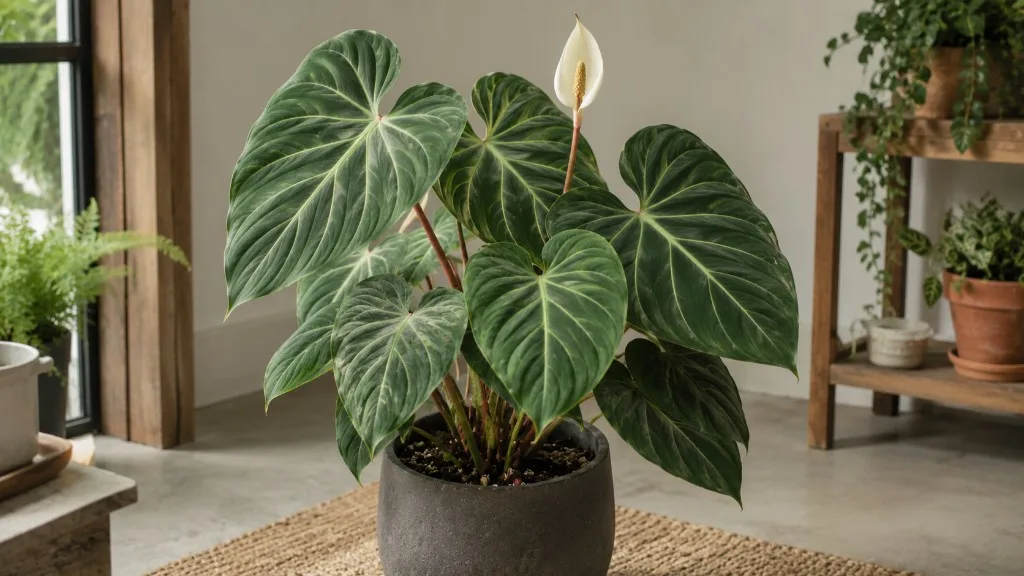
How to Propagate Philodendron Gloriosum: Rhizome Cuttings
How to Propagate Philodendron Gloriosum: Rhizome Cuttings
Philodendron gloriosum propagation is rhizome work-not the stem-in-a-jar routine that works on Heartleaf Philodendron. Philodendron gloriosum is a Colombia-native terrestrial crawler whose thick green rhizome advances horizontally across the soil surface. Success means clean rhizome sections with at least one node, a calloused cut, horizontal rooting in moist sphagnum or airy mix, and 60%+ humidity while velvet leaves unfurl-not stale water that invites rot on expensive tissue.
If you own a gloriosum already, read the overview guide for crawler context. This page is the full procedural walkthrough the overview summarizes.
If symptoms persist, see the Ants on Plant on Philodendron Gloriosum guide.
Why Gloriosum Propagation Starts With Rhizome Sections, Not Water
Vining philodendrons root from stem nodes submerged in water or moss. Gloriosum does not share that anatomy. Its reproductive tissue sits on a surface-creeping rhizome-a thick horizontal stem you often see above the mix line on mature plants. The Spruce recommends vegetative rhizome cuttings for this creeping species rather than vining stem methods.
Water propagation fails here for three practical reasons:
- Rhizome tissue rots in stagnant water faster than thin vining stems; velvet leaves desiccate or mark while the base softens.
- A leaf without rhizome node tissue may survive weeks but cannot restart a full plant-the node on the rhizome holds dormant buds for roots and new growth.
- Horizontal orientation matters; forcing a crawler rhizome vertical in a jar fights the species’ default geometry and buries the growth point toward wet substrate.
Crawler Anatomy vs. Climbing Philodendrons
On a crawler, the rhizome is the main highway. Look along its length for slightly swollen nodes-joints where leaves, roots, and new shoots emerge. Each propagation piece needs minimum one firm node and preferably one or two healthy leaves plus existing root nubs. NC State Extension notes philodendrons propagate from cuttings with viable growth points; on gloriosum that point lives on the rhizome, not a dangling vine.
Climbing philodendrons produce long internodes and benefit from moss poles. Gloriosum produces sequential leaves from a advancing tip and needs lateral space in a wide shallow pot after rooting. Treating it like a climber-poles instead of horizontal room-is the classic category error that stalls propagation before it starts.
Why Velvet Leaves Need Higher Humidity During Rooting
Gloriosum’s cordate-ovate blades are thinly herbaceous and velvety, marking easily and losing turgor faster than glossy heartleaf foliage when humidity drops. During rooting, the cutting has reduced water uptake until new roots form; dry air causes stuck unfurling, brown edges, and collapsed petioles even when the moss feels moist.
Target 60–70% relative humidity during propagation-matching the overview’s Colombia understory logic. A propagation box, clear bag tent, or nearby humidifier beats misting, which spots velvet surfaces and does little for sustained humidity.
Method Selection: Moss, Chunky Mix, or Division
| Method | Best for | Rooting medium | Typical timeline | Rot risk |
|---|---|---|---|---|
| Rhizome section in sphagnum | Most cuttings; visible root progress | Moist wrung-out sphagnum, horizontal | 2–4 weeks warm bright conditions | Low–medium if vented |
| Rhizome section in chunky mix | Experienced growers; less transplant shock | Airy aroid blend | 2–4 weeks; check with gentle tug | Medium if overwatered |
| Division | Multi-growth parent with separate rooted sections | Fresh mix in wide shallow pot | Immediate if roots intact | Low when each section has roots |
Default recommendation: sphagnum moss in a propagation box for first-time gloriosum propagators-you see roots forming and control moisture precisely. Chunky mix works once you trust your watering rhythm. Division is fastest when the parent already has two or more distinct rhizome sections with their own roots and leaves.
Best Time to Propagate Philodendron Gloriosum
Propagate during active growth-typically spring through early autumn indoors when light is strengthening and room temperatures sit in the 18–30°C (65–86°F) comfort band gloriosum prefers. Illinois Extension recommends taking houseplant cuttings when the parent is healthy and growing, not during stress recovery.
Avoid propagating:
- Immediately after shipping or repotting
- While the parent shows soft rhizome, active rot, or heavy pest damage
- In cold dim winter unless you can supply warmth, bright indirect light, and stable humidity
Calendar month matters less than plant condition. A firm active growth tip pushing clean velvet leaves signals readiness better than any date on the wall.
Tools, Materials, and Safety During Cutting
Gather before you cut:
- Sharp sterilized pruners or knife (rubbing alcohol between cuts)
- Moist sphagnum moss or fresh chunky aroid mix
- Wide shallow propagation tray or small pot with drainage
- Clear bag, propagation box, or dome for humidity
- Stakes to keep plastic off velvet leaves
- Gloves if sap irritates your skin
Pet safety: All Philodendron species contain insoluble calcium oxalate crystals toxic to cats and dogs. The ASPCA lists Philodendron as toxic, causing oral irritation, drooling, vomiting, and difficulty swallowing if chewed. Propagate on a pet-inaccessible counter, wash hands and tools after cutting, and call ASPCA Animal Poison Control at 888-426-4435 if ingestion is suspected. Keep cut rhizomes and sap away from curious pets during the entire rooting period.
Choosing the Best Parent Rhizome Section
Examine the parent rhizome on the mix surface-or gently brush away top dressing until you see it. You want a section with:
- At least one firm node (swollen joint with dormant bud)
- One or two healthy leaves with rigid petioles
- Preferably existing aerial root nubs or established roots
- Green stiff rhizome tissue - not brown, soft, or mushy
Top cuts (sections from the active growth front) often root fastest because momentum is already with the tip. Mid-section cuts from older rhizome segments work when each piece includes a viable node and leaf. Leave at least two to three leaves on the parent when possible so the mother plant keeps photosynthesizing-though emergency rescue cuts from rotting rhizomes may require taking more.
Single-Leaf vs. Established Runner Sections
A single-leaf rhizome section without established roots can succeed but is slower and less forgiving than a runner with roots and stored rhizome energy. When buying material to propagate, prefer a visible crawling stem with firm active tip, not one impressive old leaf on a stub. Velvet leaves mark cosmetically from handling; a damaged or blackened growth point is the dealbreaker, not minor scarring.
Do not propagate from soft, mushy rhizomes or sections with sour-smelling mix clinging to rot-cuttings inherit parent disease and fail at high rates.
Preparing Rhizome Cuttings Step by Step
- Water the parent lightly the day before so rhizome tissue is pliable, not brittle.
- Identify nodes along the surface rhizome; mark cut points so each piece retains one node minimum (two is safer backup).
- Sterilize blades; make one clean decisive cut through the rhizome-do not saw.
- Callous the wound (next section).
- Root horizontally in moss or mix with node in contact and growth point above the medium.
- Enclose for humidity; vent every few days.
- Pot up when roots resist a gentle tug and new growth appears.
The Callous Step Before Rooting
Let fresh rhizome cuts sit on a clean dry surface for two to six hours (up to overnight in humid climates) until the wound dries and callouses slightly. The Spruce advises callousing gloriosum rhizome ends before potting in moist sphagnum-this reduces bacterial and fungal entry at the open face, the most common failure point on velvet aroids. Skip callousing only in emergency rot-rescue scenarios where speed outweighs ideal protocol.
Method 1 - Rooting Horizontally in Sphagnum Moss
This is the most reliable first method for gloriosum.
- Hydrate sphagnum until damp like a wrung-out sponge-not dripping.
- Fill a wide shallow tray or pot with 3–5 cm of moss.
- Lay the rhizome horizontally on the moss; press gently so the node and any aerial roots contact the medium.
- Keep the growth point and leaf petioles above the moss surface.
- Cover with a clear bag or propagation box; prop plastic on stakes so it does not touch velvet leaves.
- Place in bright indirect light-never direct hot sun on enclosed cuttings.
- Vent for a few minutes every two to three days to exchange stale air.
- Check moisture weekly; re-mist moss if it approaches dry, never saturate.
Roots typically appear in two to four weeks at warm indoor temperatures. Some winter attempts take five to six weeks-patience beats disturbing the cutting daily.
Method 2 - Rooting Horizontally in Chunky Aroid Mix
For growers comfortable with gloriosum soil:
- Use a small wide pot with drainage and chunky aroid blend (potting mix + perlite + orchid bark).
- Lay the calloused rhizome horizontally with the node lightly buried-not the entire stem deep in mix.
- Position the growth tip above grade.
- Water once lightly after placement; thereafter keep mix barely moist, like a wrung sponge, not wet.
- Optional: loose clear bag for the first week, then remove for airflow.
- Test with a gentle upward tug after three weeks; resistance means roots formed.
Mix rooting reduces transplant shock later but hides root progress-resist overwatering because soggy mix rots rhizomes faster than damp moss.
Method 3 - Division of Multi-Growth Plants
Division works when a mature plant has two or more separate rhizome sections, each with its own roots and leaves-common on well-grown specimens that have looped or branched across a wide pot.
- Unpot gently during active growth.
- Tease apart roots along natural rhizome boundaries; sterilize blade if a cut is needed.
- Ensure each division has roots + node + at least one leaf.
- Pot each section in a wide shallow container with fresh airy mix.
- Water lightly once; keep humidity elevated for two weeks while roots settle.
Division skips the moss stage but still demands humidity support while divisions re-establish-treat them like fresh cuttings for the first month.
Building the Right Rooting Environment
Gloriosum cuttings root best when these conditions align:
| Factor | Target | Notes |
|---|---|---|
| Light | Bright indirect | Same band as mature gloriosum light; no direct scorch |
| Temperature | 18–30°C (65–86°F) | Cold shelves below 18°C stall rooting |
| Humidity | 60–70%+ | Prop box, bag tent, or humidifier |
| Airflow | Gentle exchange | Vent enclosed setups every few days |
| Moisture | Damp moss / lightly moist mix | Wet = rot on velvet crawlers |
A propagation box-clear container with moist moss and a vented lid-gives the most control for expensive cuttings. Avoid sealed bags with zero airflow for weeks; stale humid air encourages mold on velvet leaf surfaces.
Transplanting Rooted Cuttings Into a Wide Shallow Pot
Move cuttings when:
- Roots are 3–5 cm and resist a gentle tug
- New growth tip is firm or a leaf is actively unfurling
- Moss or mix smells clean, not sour
Steps:
- Choose a wide shallow pot one size up-not a deep cylinder. Crawlers need horizontal travel space; see repotting guidance.
- Fill with fresh chunky aroid mix.
- Lay the rhizome horizontally with the growth point on or just above the surface.
- Backfill around roots; do not bury the active tip under wet mix.
- Water thoroughly once; empty saucer.
- Keep humidity elevated for two weeks post-transfer-first pot-up is still stressful for velvet leaves.
Aftercare During and After Rooting
During rooting: resist pulling cuttings to inspect roots every day-disturbance breaks fragile new roots. Watch leaf firmness and growth tip color instead. Firm petioles and a green stiff tip mean progress; mushy rhizome base means rot.
After pot-up:
- Follow gloriosum watering rhythm-top 3–5 cm dry before soaking
- No fertilizer for four to six weeks until roots actively grow in the new pot
- Maintain bright indirect light and 60%+ humidity through the first new velvet leaf
- Avoid repotting again for six to eight weeks unless mix is failing
New gloriosum leaves unfurl slowly-four to six weeks per leaf is normal on established plants; first post-propagation leaves may take similar time. Measure success by clean unfurling, not weekly size gains.
Common Propagation Problems and Recovery
| Symptom | Likely cause | Recovery |
|---|---|---|
| Mushy rhizome base | Too wet, skipped callous, stale enclosed air | Trim rot with sterile blade; restart firm section in fresh moss |
| Leaf collapse, moss damp | Low humidity, not underwatering | Raise humidity; do not flood moss |
| No roots after 6+ weeks | Too cold, too dim, weak node | Move warmer/brighter; confirm node present; recut if tissue soft |
| Stuck unfurling | Low humidity or wet growth point | Humidifier; elevate tip above mix |
| Mold on leaf surface | Zero airflow in sealed bag | Vent daily; shorten enclosure time |
| Blackened growth tip | Burying tip in wet mix | Repot with tip above grade immediately |
If rot reaches the node, discard the piece and take a fresh cut from healthy parent tissue. Gloriosum does not recover from a dead growth point on a leaf-only fragment.
When Not to Propagate
Do not treat propagation as the first fix for a struggling gloriosum. Stabilize the parent first when you see:
- Active spider mites, mealybugs, or thrips
- Soft rhizome or sour-smelling mix (address rot before multiplying it)
- Severe dehydration with crispy collapsed leaves across the whole plant
- Recent shipping shock - wait two weeks in stable light and humidity
Propagation from weak tissue produces weak offspring. The exception is rot rescue: trim firm rhizome ahead of the mush, callous, and root the salvage section in moss immediately-sometimes the only way to save genetics.
When to use this page vs other Philodendron Gloriosum guides
- Philodendron Gloriosum overview - Start here for whole-plant context before deep-diving this topic.
- Philodendron Gloriosum problems hub - Jump to symptom-specific fix guides when this care topic does not resolve the issue.
Related Philodendron Gloriosum guides
- Philodendron Gloriosum overview
- Philodendron Gloriosum watering
- Philodendron Gloriosum light
- Philodendron Gloriosum soil
- Philodendron Gloriosum fertilizer
- Philodendron Gloriosum repotting
- Philodendron Gloriosum problems
Conclusion
Propagating Philodendron gloriosum is rhizome-section work in horizontal moss or airy mix-not water jars and vine-node logic. Choose firm rhizome with at least one node, callous the cut, root horizontally under 60%+ humidity and bright indirect light, and expect roots in two to four weeks before transferring to a wide shallow pot with the growth tip above the mix. Respect the crawler habit, protect velvet leaves from dry air, and handle cuttings with pet-safe discipline around calcium oxalate sap. Get those mechanics right and gloriosum propagation becomes a reliable way to expand a collection-or rescue a prized runner-without losing an expensive plant to template advice meant for a completely different philodendron.