Philodendron Gloriosum Repotting: When, How, and Mistakes
Philodendron Gloriosum Repotting: When, How, and Mistakes
Philodendron Gloriosum Repotting: When, How, and Mistakes
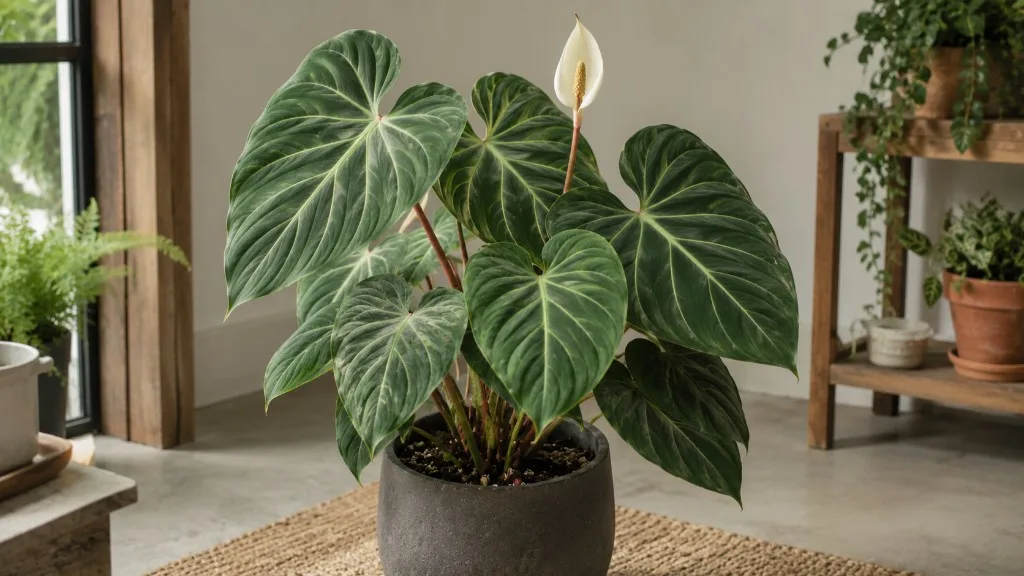
Philodendron gloriosum repotting is not a standard philodendron upsize job. Philodendron gloriosum is a creeping terrestrial plant native to Colombia that advances on a horizontal rhizome across the forest floor - not up a moss pole. USDA GRIN documents the same crawler habit. Indoors, success depends on three decisions most generic guides skip: choosing a wide shallow pot instead of a tall cylinder, moving up only one size so excess mix does not stay wet, and keeping the active growth tip on or above the soil surface so it never sits in stagnant peat. Get the geometry wrong and even perfect watering on the Gloriosum watering guide cannot save a buried rhizome from rot.
Quick Answer
Repot when structure fails, not when a calendar says so: rhizome at the pot lip, roots through drainage holes, sour or compacted mix, or water channeling straight through. Use a wide shallow bulb pan or trough one size up (roughly 2–5 cm wider), rebuild the equal-thirds aroid mix from the soil guide, lay the rhizome horizontally with the tip above grade, and expect one to two weeks of mild shock followed by a new leaf in four to eight weeks in spring - editorial timelines, not rigid rules. Top-dress when roots are firm and mix is sound; fully repot when width, smell, or mushy roots demand it.
Why Crawler Repotting Differs From Vining Philodendrons
Climbing philodendrons like Brasil or Micans fill vertical depth: roots descend, nodes root along buried stems, and a hanging basket or moss pole makes sense. Gloriosum does the opposite. The stem travels across the mix surface, producing one large cordate velvet leaf at a time from an advancing rhizome. Denver Botanic Gardens lists it as a horizontal crawler - biology that maps indoors to horizontal travel space, not extra depth.
That growth habit changes every repot variable. A tall narrow pot holds a deep column of substrate that stays saturated at the bottom while the rhizome lives near the surface - the moisture profile Illinois Extension warns against when containers must drain freely so roots have adequate air. A wide shallow bulb pan or rectangular trough gives the runner forward room without burying the growth front under unnecessary wet mix. Treating Gloriosum like an upright philodendron - deep decorative planter, moss pole, stem packed under soil for stability - is the classic setup failure that sends growers to root rot troubleshooting within weeks.
The repot goal is therefore geometry plus fresh airy mix, not simply “more room.” You are resetting the horizontal runway, refreshing decomposed bark, and confirming the newest node can see air between waterings.
When to Repot Philodendron Gloriosum
Repot when the plant shows structural need, not because a calendar says so. UMN Extension advises repotting houseplants in spring only when they truly need it - signs include roots circling tightly, roots through drainage holes, and soil that dries unusually fast. Iowa State Extension adds that overcrowded roots and declining growth are practical triggers to repot when the plant has outgrown its container. Illinois Extension notes smaller new leaves and wilting between normal waterings as additional indicators.
For Gloriosum specifically, watch for these check-based signals together or separately:
- Rhizome reaching the pot lip or edge with nowhere to advance - the signature crawler diagnostic absent from vining philodendron stubs
- Roots circling the bottom or visible through drainage holes when you lift the pot
- Water runs straight through in seconds because roots displaced most of the mix
- New leaves emerge smaller than the previous two or three despite adequate light on the light guide
- Mix smells sour, drains slowly, or stays dark and cool many days after a normal watering - often compacted soil rather than pure root bind
- Salt crust on the surface and fertilizer seems ineffective - refresh may help without upsizing
A healthy gloriosum in an appropriately wide pan may go two to three years between full repots - a practical indoor heuristic, not an extension-mandated interval. Active plants in warm bright rooms sometimes need attention every one to two years. Let structure, smell, and rhizome travel guide you - not an arbitrary schedule.
Rhizome at the Pot Lip: Top-Dress or Full Repot?
When the growth tip reaches the pot edge but roots are still white, firm, and the mix drains well, you have a fork in the road:
| Signal | Top-dress only | Full repot |
|---|---|---|
| Rhizome needs a few cm forward space | Yes | Optional |
| Mix smells sour or channels water | No | Yes |
| Roots mushy or circling tightly | No | Yes |
| Pot width is the limiting factor | No | Yes |
| Recovery stress tolerance | Lower | Higher |
Top-dress only when the rhizome needs a few centimeters of forward travel space, the mix structure is sound, and you can add coarse bark or fresh equal-thirds blend along the leading edge without burying the tip. This is lighter stress than a full repot and works well in early spring.
Full repot when any of these appear alongside the lip signal: sour smell, water channeling down the sides, mushy roots, or the pot is so shallow the root mat has nowhere to deepen. Also choose full repot when you need to widen the container - top-dress cannot add horizontal runway if the pot width itself is the limit.
If the rhizome is exposed and desiccated above old mix, see exposed roots for whether hydration or full refresh is the right first move.
Best Time of Year to Repot Gloriosum
Spring through early summer is the safest window - the same active-growth period Penn State Extension recommends for houseplant repotting when roots can grow into fresh mix and produce new foliage. Warmth, longer days, and rising humidity help roots re-enter the fresh mix before the stress peak of midsummer heat in dry homes. In the southern hemisphere, invert that window: repot from September through November when local day length and warmth peak.
Fall can work for a gentle top-dress if the plant is healthy, but avoid combining full repot with the first furnace season unless necessary.
Winter repotting is a last resort. UMN Extension notes repotting can happen any time, but plants in low light recover slowly. Reserve winter moves for emergencies: severe root-bound conditions with declining leaves, confirmed root rot requiring trim and fresh mix, or a nursery pot so degraded the rhizome is at immediate rot risk. Otherwise wait until your local spring equinox window.
Choosing the Right Pot: Wide, Shallow, and One Size Up
Two rules operate at once: extension pot-size discipline and crawler pot shape.
One size up: Choose a container only 2–5 cm (1–2 inches) wider than the current pot - not a dramatic jump. UMN Extension warns that too much extra soil can hold too much water and cause root problems. NC State Extension recommends a new container no more than 2 inches larger in diameter than the current one. The RHS philodendron growing guide echoes the same caution against jumping to a much larger container. For gloriosum, oversizing is especially risky because the small root system relative to a wide horizontal pot leaves unused wet mix at the far end of the trough.
Wide and shallow: Prefer a bulb pan, azalea bowl, or rectangular trough that is wider than it is deep, with at least one drainage hole. The shape gives horizontal advance space without stacking a deep wet column above the surface-running rhizome. As the runner fills width, extend length or width - whichever direction the active tip is traveling - rather than switching to a taller cylinder “for stability.”
Semi-hydro and LECA growers: If your gloriosum lives in a passive hydro or LECA setup covered elsewhere on the site, treat refresh as a substrate rinse and same-size return - not a soil upsize. Crawler geometry still applies: keep the rhizome above the medium surface and avoid jumping to a deeper reservoir that holds stagnant moisture against velvet tissue.
Pot Trait Table
| Pot trait | Good for Gloriosum | Poor fit |
|---|---|---|
| Width | 25–35 cm for established runners; 15–20 cm for young plants - practical bands, not rigid rules | Narrow cylinder equal to leaf width only |
| Depth | Shallow - roughly half the width or less | Tall decorative urn |
| Drainage | Mandatory open hole; empty saucers | Sealed cachepot |
| Upgrade | +2–5 cm width or length, not both dramatically | Jumping two sizes “to grow into” |
Step-by-Step: How to Repot Philodendron Gloriosum
Gather a clean wide pot, pre-moistened fresh mix (see soil section), gloves, sharp scissors, and a chopstick for settling. Plan 30–45 minutes and a stable work surface - velvet leaves tear easily.
- Water lightly the day before so the root ball is pliable but not soggy. Dry rhizomes snap; wet peat smears.
- Slide the plant out by tipping the pot and supporting the base. Never yank the stem.
- Brush away old mix from the sides and bottom only - keep a core of original soil around fine roots.
- Inspect the rhizome and roots (see trim rules below). Photograph anything questionable for later comparison.
- Add a shallow mound of fresh mix in the new pot - do not fill to the rim.
- Lay the rhizome horizontally with the active tip facing the open side where it can advance next season.
- Backfill lightly around roots and older rhizome sections. Do not pack mix over the leading growth edge.
- Water once to settle, let drain fully, place in bright indirect light, and hold fertilizer for 3–4 weeks.
If the nursery pot buried the tip, expose it during this repot even if the plant wobbles briefly. A bark wedge or small stake supports the rhizome until roots anchor - stability from depth kills crawlers faster than a wobble.
How to Position the Rhizome on the Soil Surface
The rhizome is the stem section where new leaves emerge. On gloriosum it runs horizontally, not vertically. The rule is simple and non-negotiable: the active growth tip stays on or just above the mix surface, visible and airy, with only the older sections and their roots lightly covered.
Never bury the leading edge “for stability” or aesthetics. Wet peat against velvet tissue is how rhizome rot starts in warm humid cabinets. If the tip sinks below grade after the first watering, top-dress with coarse bark or perlite rather than packing wet mix over it - the same technique documented on the soil guide.
Position the runner toward one side of the pot so the tip has open runway. Centering a short rhizome is fine for young plants; established runners should point into the widest free space.
Correcting buried nursery rhizomes: Many commercial gloriosums arrive with the growth tip packed under peat for shipping stability. At your first home repot, gently brush mix away from the leading edge until the tip sits above grade, wedge bark under the exposed section if it wobbles, and accept one to two weeks of adjustment shock. Do not bury it again for aesthetics - that tradeoff causes more failures than temporary lean.
How to Inspect and Trim Roots Before Repotting
Lift the plant and look at color, firmness, and smell before you cut anything.
Keep: white or tan firm roots; healthy circling roots that are not mushy - tease these outward gently with fingers or a chopstick per Penn State Extension repotting guidance.
Trim: brown-black mushy roots back to firm tissue with clean scissors. Sterilize blades between cuts if rot is present.
Do not bare-root the entire plant. Stripping all old mix removes fine root hairs that absorb water and extends shock by weeks. NC State Extension notes philodendrons suffer when overwatering keeps roots in saturated soil - after repot, your goal is gentle moisture in fresh airy mix, not a bare wet root mass.
If more than roughly one-third of the root system is mushy, treat it as a damaged roots recovery: trim, optionally dust cuts, repot shallow, and water sparingly for two weeks.
Soil Mix for Repotting (See the Full Soil Guide)
Use the equal-thirds chunky aroid blend already published for Philodendron Gloriosum overview: one part indoor potting mix, one part perlite, one part medium orchid bark by volume, targeting pH 5.5–7.0 and drainage within 30–90 seconds on a full soak test. That recipe matches NC State Extension philodendron guidance on well-drained organic mix and NC State Extension Gardener Handbook guidance on soilless substrates with perlite and bark components. Iowa State recommends growing philodendrons in all-purpose potting soil amended for containers.
Do not repot into straight store peat, garden soil, or pure cactus mix. Do not add a gravel bottom layer - Penn State Extension debunks that practice because it creates a perched water table above the interface.
Full mixing steps, optional add-ins, and troubleshooting live on the Gloriosum soil guide. Repot day is not the time to experiment with five new amendments. Rebuild the proven blend, confirm drainage, and change one variable next season if needed.
Worked Example: 25 cm to 30 cm Bulb Pan Repot
This walkthrough shows what a routine spring upsize looks like for an established indoor gloriosum - numbers are illustrative, not mandatory product specs.
Starting point (March, warm bright room): Plant in a 25 cm wide × 12 cm deep bulb pan. Rhizome tip sits 2 cm from the front lip. Roots visible at drainage holes but white and firm. Mix drains in roughly 45 seconds on a soak test. Oldest leaf is normal size; newest leaf slightly smaller than the prior two.
Decision: Full repot - width is the limit, not just surface travel. Top-dress alone cannot add runway.
New container: 30 cm wide × 14 cm deep bulb pan (+5 cm width, shallow depth maintained), one drainage hole, saucer emptied after every water.
Procedure snapshot: Slide out gently; tease circling bottom roots outward; trim two mushy tips (none found); mound fresh equal-thirds mix; lay rhizome with tip facing the open 5 cm of new width; backfill without covering tip; single settling water; bright indirect light unchanged.
Expected recovery (editorial heuristic): Days 1–7 mild droop possible. Weeks 2–4 root tips into fresh bark. New cataphyll by weeks 4–8 if spring warmth holds - a plant repotted in mid-March might show a clean new velvet leaf by late April in a 22–26°C room. If no growth by week 8 in spring, inspect tip burial and light before repotting again.
Signs Your Repot Worked
Within one to two weeks, mild leaf droop may appear - normal transplant shock in our experience, not a single extension prescription. Success looks like:
- Firm existing leaves that do not continue yellowing beyond one or two older bottom leaves
- Stable rhizome with the tip still above grade after watering
- Pot weight that decreases predictably between waterings - fresh bark is drying on schedule
- New root tips visible at drainage holes after three to four weeks in spring
- A new leaf spike emerging from the active node within four to eight weeks in active growth season - a practical benchmark, not a guarantee
New growth is the clearest recovery signal. Damaged leaves will not revert to perfect velvet, but a fresh leaf at the right size and color means roots have accepted the new geometry.
Signs Something Went Wrong (and What to Do)
Sustained wilting past two weeks with wet mix suggests over-potting or overwatering in fresh soil. Pull back on water, confirm drainage, and check whether the pot is oversized.
Yellowing spreading up the plant plus sour smell means rot. Unpot, trim mushy tissue, repot shallower with tip exposed, and see the root rot guide for same-day protocol: discard sour mix, trim to firm white roots, repot in the same size or one small step up after aggressive loss - not a decorative upgrade.
New leaf stalls small and folded may be insufficient light or a buried tip - expose the rhizome before increasing fertilizer.
Water runs down the sides indicates dry hydrophobic soil or poor contact. Bottom-water once to rewet the core, then adjust mix at the next refresh.
Fungus gnats after repot often mean the mix is staying too wet for the root volume - lengthen dry intervals per the watering guide.
Recovery Timeline After Repotting
Days 1–7: Expect possible mild droop. Keep bright indirect light, no direct sun, no fertilizer. Water lightly only when the top 3–5 cm of mix is dry - less than your pre-repot rhythm because roots have not yet explored the new volume.
Weeks 2–4: Shock symptoms should stabilize. Root tips begin extending into fresh bark. Hold fertilizer unless the plant is in strong spring growth and leaves look pale - even then, half-strength at most.
Weeks 4–8: Full re-establishment for most indoor gloriosums under typical collector conditions - editorial timeline, not a rigid clock. A new leaf initiating during this window is the benchmark for success.
Beyond 8 weeks with no growth in spring: inspect rhizome firmness, confirm the tip is not buried, and verify light and temperature match the overview guide targets before repotting again.
Common Philodendron Gloriosum Repotting Mistakes
Most failures trace to pot geometry, rhizome depth, or watering enthusiasm in fresh mix - not rare diseases.
Pot too large or too deep: A dramatic upsize - especially a tall wide planter - leaves excess mix that stays wet while roots occupy only a corner. The plant looks stable for two weeks, then yellows from anaerobic roots. One size up in width or length, shallow depth, is the safe crawler rule.
Burying the rhizome: Burying the growth tip is the fastest way to rot a velvet crawler. If you inherited a buried nursery plant, expose the tip at repot and accept temporary wobble. Recovery is possible if tissue is still firm; mushy rhizome requires cut-back to healthy nodes and possible propagation of salvageable sections.
Bare-rooting the plant: Stripping every particle of old mix traumatizes fine roots and extends drought stress even when the pot is wet - because damaged hairs cannot absorb efficiently. Tease circling roots at the bottom and sides; keep a soil core.
Dividing a stressed new purchase: Splitting and repotting the same session on a recently acquired plant stacks shock. Repot intact first; divide on a separate spring when growth is strong.
After Repot: Watering, Light, and Fertilizer Adjustments
Repotting resets the watering rhythm. Fresh chunky mix in a slightly larger wide pot dries differently than exhausted peat - usually a bit slower at first because roots have not filled the volume. Check the top 3–5 cm for dryness before each drink, as you would on the watering guide, but expect to reduce frequency slightly for the first two to three weeks.
Keep bright indirect light without sudden moves to direct sun - leaves are stress-sensitive after root disturbance. Avoid stacking a repot with a major relocation or fertilizer push in the same week.
Skip fertilizer for at least three to four weeks so roots settle without salt pressure. Resume at half strength once new growth appears or the plant has been stable four weeks in spring.
Conclusion
Route to full repot now when you smell sour mix at the drainage hole, see mushy roots on peek, or the rhizome is lip-bound with circling white roots - winter timing is acceptable for rot emergencies even when routine spring repot would be ideal. Same-day unpot, trim to firm tissue, repot shallow with tip exposed, and follow the root rot guide rather than top-dressing over failing mix.
Escalate from top-dress to full repot when you have top-dressed two consecutive spring seasons on the same lip-bound runner and the tip still has under 2 cm runway while mix smells tired or water channels - repeated surface refresh without width change stalls velvet crawlers.
Defer division on any recently purchased or stressed gloriosum. Repot intact first; split only when each section would have two rooted nodes and the plant has produced one clean new leaf after the prior repot - division recovery often runs two to four weeks longer than intact repot in our editorial experience.
Inspect before a second repot within eight weeks: if no new growth by week 8 in spring despite firm rhizome, check tip burial and light on the light guide before upsizing again. Stacking repot, fertilizer, and relocation in one month is how crawlers lose their next leaf.
When in doubt after mild shock only: hold water slightly drier, keep bright indirect light stable, and photograph the tip weekly for four weeks before changing pot size again.
When to use this page vs other Philodendron Gloriosum guides
- Philodendron Gloriosum overview - Start here for whole-plant context before deep-diving this topic.
- Philodendron Gloriosum problems hub - Jump to symptom-specific fix guides when this care topic does not resolve the issue.
- Root Rot on Philodendron Gloriosum - Escalate here when repotting adjustments are not enough.
Related Philodendron Gloriosum guides
- Philodendron Gloriosum overview
- Philodendron Gloriosum watering
- Philodendron Gloriosum light
- Philodendron Gloriosum soil
- Philodendron Gloriosum propagation
- Philodendron Gloriosum fertilizer
- Root Rot on Philodendron Gloriosum
- Philodendron Gloriosum problems
FAQs
Should I use a wide shallow pot when repotting Philodendron gloriosum?
Yes. Gloriosum is a horizontal crawler, not a climber, so a wide shallow bulb pan, azalea bowl, or rectangular trough gives the rhizome forward travel space without stacking a deep wet column of mix above the surface-running stem. Choose a pot wider than it is deep, with a drainage hole, and move up only 2–5 cm in width or length - not a dramatic jump to a tall decorative cylinder.
How do I position the rhizome during a gloriosum repot?
Lay the rhizome horizontally with the active growth tip facing the open side of the pot where it can advance next season. Keep the tip on or just above the mix surface - never buried in wet peat. Backfill lightly around older sections and roots only. If the tip sinks after the first watering, top-dress with coarse bark or perlite instead of packing mix over the leading edge.
My gloriosum rhizome is at the pot edge - should I top-dress or fully repot?
Top-dress when roots are white and firm, the mix still drains well, and you only need a few centimeters of forward space - add fresh equal-thirds aroid mix and bark along the leading edge without burying the tip. Fully repot when you also need more pot width, the mix smells sour, water channels down the sides, or roots are circling and mushy. Spring is the best window for either approach.
How often should I repot Philodendron gloriosum?
There is no fixed calendar. Repot when you see structural need: rhizome at the pot lip, roots through drainage holes, water running straight through, sour or compacted mix, or new leaves shrinking despite good care. Many healthy gloriosums go two to three years between full repots; active plants in warm bright rooms may need attention every one to two years. Let the plant’s roots and rhizome travel tell you - not the date.
Can I repot Philodendron gloriosum in winter?
Only for emergencies - confirmed root rot, sour failing mix, or a rhizome at immediate rot risk. Routine winter repots in low light recover slowly and extend shock. If the plant is healthy and the mix is sound, wait until spring through early summer (or September–November in the southern hemisphere) when active growth helps roots colonize fresh bark faster. Top-dress in fall is acceptable for healthy lip-bound plants if you avoid combining it with furnace-dry air stress.