Transparent Leaves on Philodendron Birkin: Causes, Checks &
Quick answer
Transparent leaves on Philodendron Birkin mean leaf cells lost normal turgor-most often from edema when roots take up water faster than the compact rosette can release it in dim, humid air. First step: stop watering, check whether mix is damp 3–5 cm deep, and note light and airflow before you trim or repot.
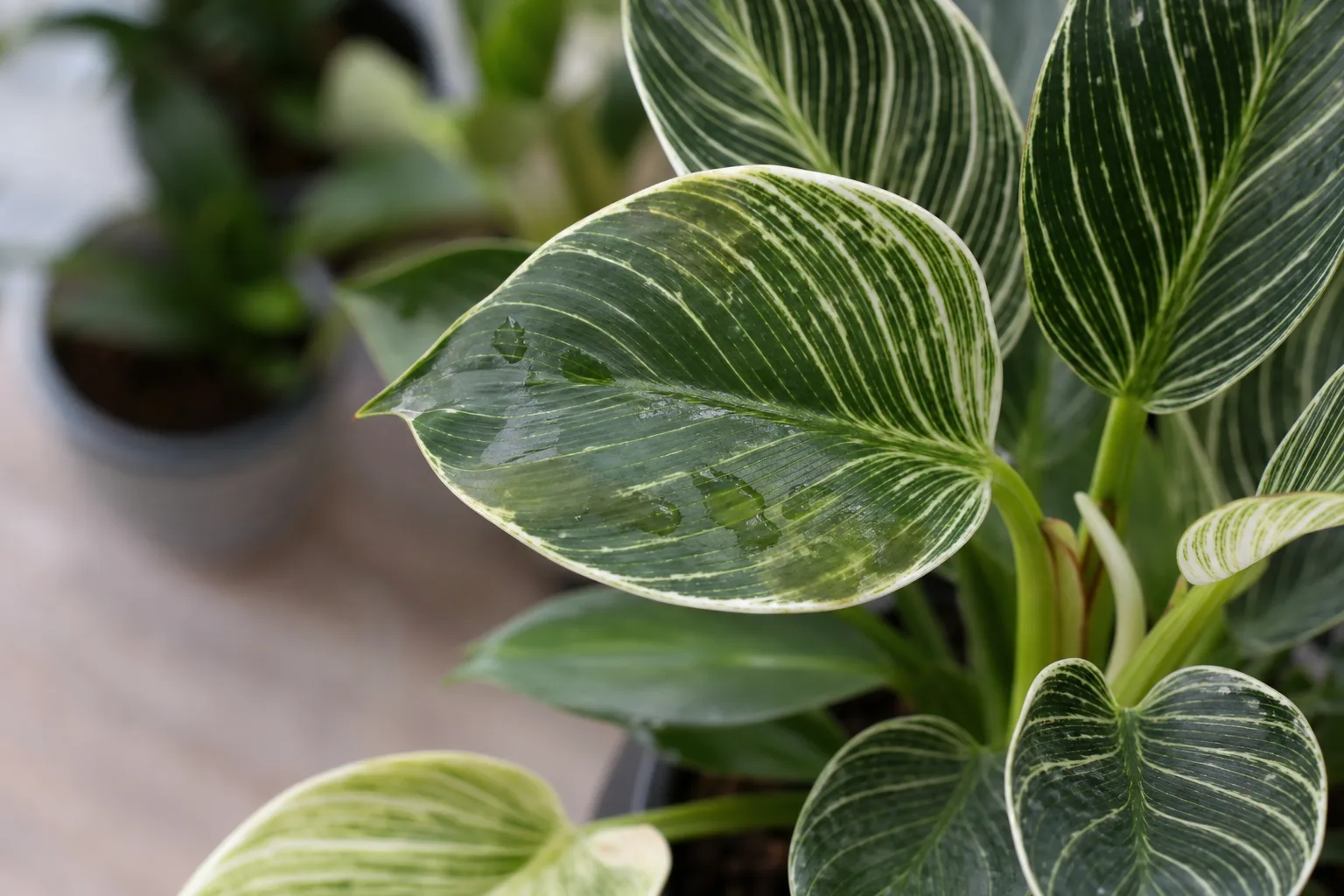
Transparent Leaves on Philodendron Birkin: Causes, Checks & Fixes
This guide covers transparent leaves on Philodendron Birkin. See also the general Transparent Leaves guide, watering, and light pages for this plant.
Transparent Leaves on Philodendron Birkin: Causes, Checks & Fixes
Quick answer
Transparent leaves on Philodendron Birkin mean leaf tissue has thinned or filled with excess water until light shows through-not a fungal spot disease. On this compact, self-heading aroid with glossy pinstriped foliage, that look almost always traces to how water moves between roots and leaves, not low humidity alone.
The most common trigger is edema: roots absorb water faster than leaves release it through transpiration, especially in bright filtered light that is too weak or when soil stays moist in cool, humid air. overwatering on Philodendron Birkin can produce similar soft, water-soaked transparency when roots fail and leaves lose turgor even though the mix feels wet.
First step: stop watering, confirm moisture 3–5 cm deep, and assess light plus airflow around the rosette. Birkin needs moist, well-drained soil and time for the top layer to dry-not constant wetness around a slow-growing crown. Do not add more water to “perk up” limp translucent leaves until you know whether the pot is wet or dry at depth.
What transparent leaves look like on Philodendron Birkin
Healthy Birkin leaves are thick, glossy, and opaque-dark green with creamy white or yellow pinstripes on an erect, compact rosette. Transparent damage stands out when you backlit a leaf: patches that should be solid green or variegated look water-soaked, thin, or blister-like.
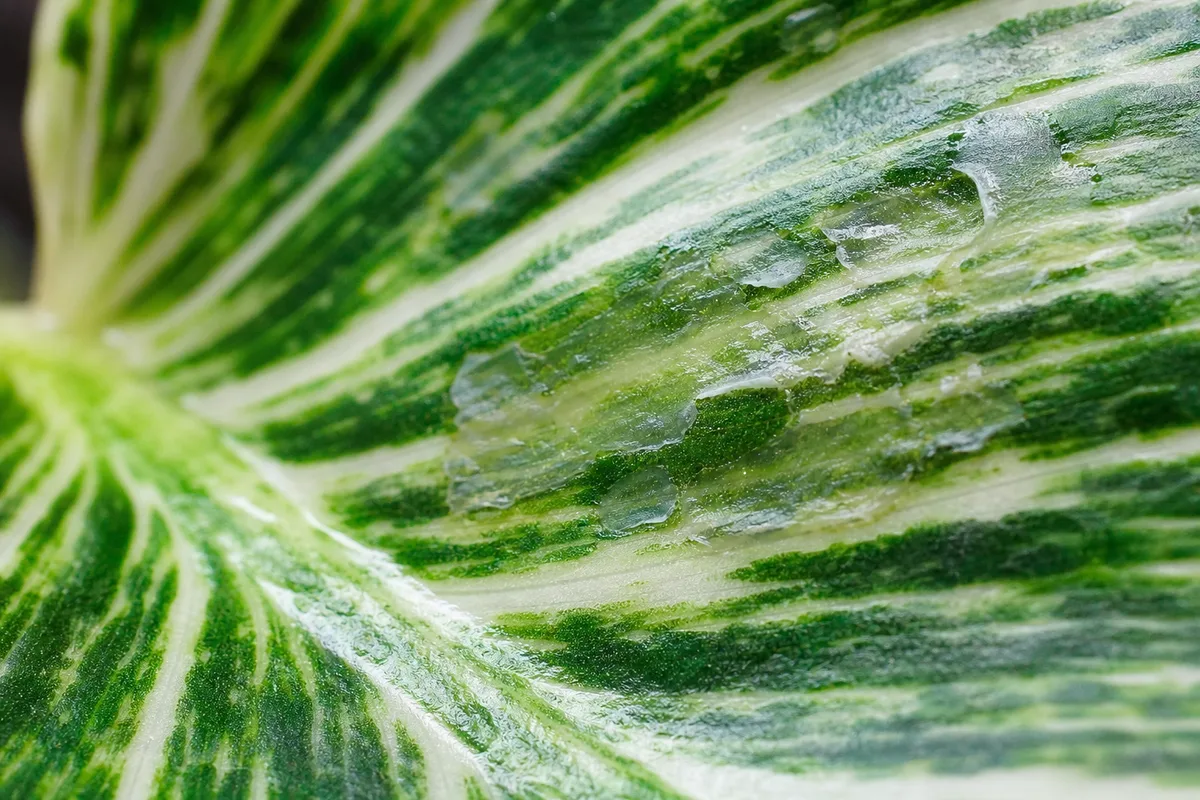
Transparent Leaves symptoms on Philodendron Birkin - compare with healthy tissue on the same plant.
Edema pattern (most common on philodendrons):
- Small raised or flat translucent blisters, often on older leaves near margins or undersides
- Patches look lighter than surrounding tissue when held to light
- Blisters may later turn tan or corky-not spreading dark spots with halos
- Soil is moist; plant sits in dim light, cool room, or still air
- Stems stay firm; roots are usually intact if caught early
Overwatering and root-stress pattern:
- Larger soft, jelly-like transparent zones-not just tiny blisters
- Yellow wash may spread through affected pinstriped leaves before they collapse
- Pot stays heavy for days; mix is damp at depth through drainage holes
- Sour or musty smell from drainage suggests chronic wet mix
- New leaves emerge smaller with weak striping; lower leaves yellow first
underwatering on Philodendron Birkin pattern (less common):
- Leaves look thin and slightly see-through when backlit-but feel dry, not mushy
- Pot feels very light; mix is dusty dry throughout
- Stems stay firm; transparency is even on several leaves, not clustered near wet soil
Sun or heat stress pattern:
- Translucent or bleached patches on leaves facing the hottest window side
- Damage appears after moving Birkin closer to unfiltered south or west glass
- Soil moisture and stems are usually normal; white pinstripes may brown next
Do not confuse normal creamy white variegation with transparency. Healthy pinstripes are opaque and crisp. True transparency means the green tissue itself has lost structure or filled with excess water.
Why Philodendron Birkin gets transparent leaves
Birkin is a slow-growing, self-heading philodendron that prefers bright, filtered sunlight, 50–60% humidity, and stable moisture cycles. Its upright rosette keeps leaves close above the pot-less airflow than on a trailing vine-so the crown zone stays humid while soil dries slowly.
Edema from water imbalance is the classic philodendron cause. Small translucent, fluid-filled blisters form when roots take up more water than leaves lose through transpiration. High relative humidity, low light, cool air, and poor ventilation reduce water loss while roots keep absorbing-exactly the setup in many dim home corners. Edema is physiological, not infectious; enlarged cells rupture the epidermis and later scar into tan corky patches.
Chronic overwatering keeps roots in oxygen-poor mix. As roots decline, leaves lose internal pressure and go soft and translucent-even when soil feels wet. Roots in waterlogged soil cannot absorb the oxygen they need. Watering again when Birkin looks limp accelerates decline.
Low light plus a fixed schedule is a Birkin-specific trap. Insufficient light can result in loss of variegation and leggy growth while the plant uses less water. Owners water weekly anyway; mix stays wet; edema or root stress follows.
Cool, cloudy periods after heavy watering trigger edema on many houseplants. Water less frequently in cloudy periods or under low light and avoid irrigating when cool humid air limits transpiration.
Dense store-bought peat mix without perlite and bark holds moisture around Birkin’s thick upright stems. Surface may look dry while the core stays wet-a setup for transparent lower leaves under the rosette.
How to confirm the cause
Work through these checks in order:
- Soil moisture at depth - Insert a finger or skewer 3–5 cm deep. Damp throughout with soft translucent leaves points to overwatering or edema on wet roots. Bone dry with thin flat leaves points to underwatering.
- Pot weight - Lift the pot. Heavy and wet for a week fits water stress; very light fits drought.
- Leaf texture - Raised water-filled blisters that feel soft fit edema. Mushy spreading zones fit advanced overwatering. Dry papery thinness fits drought. One-sided bleached patches fit sun.
- Light reality - Count usable bright indirect hours. Birkin in a north corner plus frequent watering is the classic edema setup.
- Airflow - Crowded shelves, closed terrariums, or plants pressed against walls trap humid air around the rosette.
- Watering history - Did you water while mix was still damp? Did winter arrive without cutting back frequency?
- Smell check - Sour odor from drainage holes confirms chronic wet mix, not simple edema on otherwise healthy roots.
Hold an affected leaf to a window: edema lesions are lighter than surrounding tissue when viewed against light. If wet soil, firm stems, and blister-like patches all check out, treat as edema plus overwatering risk-even if roots are not yet mushy.
First fix for Philodendron Birkin
Stop watering immediately and confirm whether the potting mix is still damp 3–5 cm deep before you trim, repot, or give another drink.
Move Birkin to brighter filtered light with gentle airflow-east window or filtered south/west-without harsh midday sun on already stressed leaves. This single pause prevents the most common mistake: watering transparent foliage while roots and stomata are already out of balance.
Do not repot on day one unless stems are soft at the base or soil smells sour. Do not fertilize stressed plants. Do not mist leaves to “hydrate” them-that increases humidity around the crown without fixing root-zone moisture.
Step-by-step recovery
Once you know whether edema, wet roots, drought, or sun drove the transparency, work in this order:
Edema and mild overwatering
- Withhold water until the top 3–5 cm of mix is dry throughout-often one to two weeks indoors depending on season and light.
- Improve light so Birkin can transpire normally; rotate the pot weekly for even growth.
- Increase airflow with a small fan or more spacing-avoid sealing the rosette in stagnant humid air.
- Water in the morning so mix drains by nightfall when cooling air raises relative humidity.
- Judge success by new opaque pinstriped leaves-not old translucent tissue greening up.
Overwatering with root decline
- If stems soften or soil smells sour, unpot, trim brown mushy roots with clean scissors, and let cut surfaces air-dry several hours.
- Repot into fresh aroid mix with perlite and bark in a pot only slightly larger than the root mass, with open drainage.
- Wait five to seven days after repot before the first light watering if you trimmed rot tissue.
- Empty standing water in saucers within 30 minutes after watering.
Underwatering
- Water deeply so moisture reaches the whole root ball-not a light surface sprinkle.
- Let excess drain fully; discard saucer water.
- Expect thin leaves to plump within one to two days if roots are healthy; collapsed transparent tissue will not revert.
Sun or heat stress
- Pull Birkin back from hot glass or filter intense afternoon rays.
- Acclimate gradually if you need brighter light for crisp variegation.
- Trim only fully collapsed leaves for appearance once new growth looks healthy.
Recovery timeline
Days 1–3 (underwatering): Thin leaves regain turgor after a proper deep watering if stems stayed firm.
Week 1–2 (edema, mild): Withholding water, better light, and airflow should stop new transparent blisters. Old patches may cork over tan.
Week 2–4 (overwatering, moderate): After trim and repot if needed, new firm pinstriped leaves signal roots are recovering.
Month 1+ (severe rot): If the stem base collapses despite dry soil, propagate from firm stem cuttings with nodes rather than waiting for the whole rosette to rebound.
Transparent leaf tissue does not heal back to solid green and white striping. Recovery always shows in new growth.
Lookalike symptoms
Pale pinstripes without see-through patches often mean insufficient light fading variegation-stripes look washed out but tissue stays opaque. Fix light before assuming edema.
Yellow leaves without transparency may be early overwatering or natural aging on the oldest lower leaves. Add the water-soaked see-through texture to confirm advanced turgor loss.
Brown tips point to low humidity or harsh tap water-dry crispy edges, not internal blisters.
Spider mites or thrips cause stippling, webbing, or silver scarring-not usually large water-filled translucent zones. Inspect leaf undersides before assuming water stress alone.
Cold damage can produce water-soaked patches after drafty windows-but often with darkening or collapse in cool seasons, not just edema blisters in an otherwise warm room.
Mistakes to avoid
- Watering because pinstriped leaves look limp while soil at depth is still damp
- Keeping a summer Philodendron Birkin watering guide through winter when Birkin growth slows
- Misting or grouping Birkin in stagnant humid air without improving light or dry-down
- Philodendron Birkin repotting guide into a much larger pot “to help recovery”-extra wet mass worsens root stress
- Stripping every transparent leaf before fixing water and light
- Fertilizing to “green up” stressed leaves-wait until new growth is steady
- Overhead watering that wets foliage-leaf spots can occur if leaves get wet during watering
How to prevent transparent leaves next time
Match watering to dry-down: allow the top 3–5 cm to dry before the next drink. Pair bright, filtered sunlight with rotation so variegation stays crisp and the plant uses water steadily. Use perlite and bark in the mix so the pot dries predictably in your room.
Reduce watering frequency during cool, humid weather and cloudy stretches. Improve airflow around the compact crown-not just humidity targets.
When transparency appears, fix water, light, and ventilation before reaching for fertilizer or pest sprays. Birkin’s slow rosette growth telegraphs root-zone and transpiration problems on the pinstriped leaves before many other symptoms show.
When to worry
Treat as urgent when transparency spreads quickly with mushy stems at the soil line, sour smell from the pot, or collapsing leaves despite wet mix. That combination suggests advancing root rot on Philodendron Birkin-not cosmetic edema.
A few translucent blisters on firm stems after a cloudy wet week, or isolated sun-bleached patches after a window move, can usually wait for a measured care adjustment.
If the stem base softens and new pinstriped leaves stop emerging, propagate from the healthiest firm stem sections with nodes rather than waiting for the whole plant to rebound.
When to use this page vs other Philodendron Birkin guides
- Philodendron Birkin watering guide - Use for routine moisture checks before assuming transparent leaves is the main issue.
- Philodendron Birkin problems hub - Browse all 42 common issues on this species.