Peace Lily Pruning: When, How, and Mistakes to Avoid
Peace Lily Pruning: When, How, and Mistakes to Avoid
Peace Lily Pruning: When, How, and Mistakes to Avoid
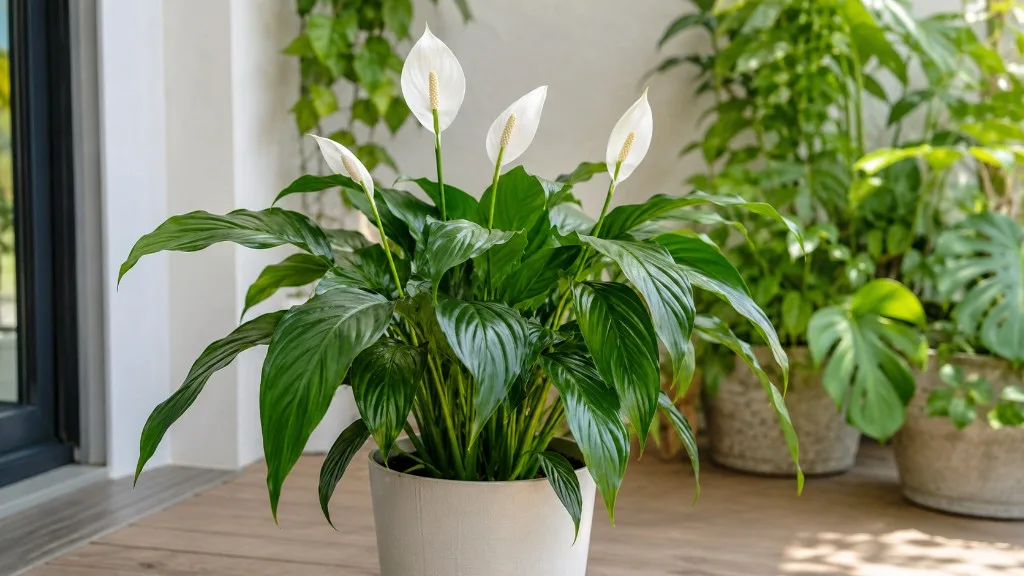
Peace lily (Spathiphyllum wallisii and hybrids) is the familiar floor plant with glossy strap leaves and white sail-like spathes - a low-light-tolerant Spathiphyllum that wilts dramatically when dry but perks up within hours once watered. Unlike trailing pothos or philodendron vines, peace lily does not branch from stem nodes. New leaves and flower stalks emerge from a rhizome crown at soil level, so every pruning cut happens at the base of a petiole or peduncle, not mid-stem.
Start with one action: follow any spent flower stalk down to where it meets the crown near the soil and cut it off cleanly with sterilized pruners. Faded spathes look messy and tie up energy longer than necessary - removing them first gives you a clear view of which leaves actually need attention.
Penn State Extension describes peace lily as a popular houseplant that needs consistent moisture and Peace Lily light guide for reliable blooms. Missouri Botanical Garden notes that the white “flowers” are spathes - modified leaves surrounding a spadix - not true petals. Once a spathe greens, browns, or collapses, it will not return to peak white display.
The ASPCA lists peace lily as toxic to cats and dogs due to calcium oxalate crystals. Sap irritates skin - wear gloves when cutting, and keep trimmings away from pets.
How Peace Lily Grows (and Why That Changes Where You Cut)
Peace lily forms a clumping rosette from underground rhizomes. Each leaf attaches via a petiole that emerges directly from the crown. Flower stalks - peduncles - also rise from that same crown zone. There is no woody branching framework and no node system for pinching back vines.
That growth habit means:
- Cut leaves at the crown, not partway down the petiole expecting regrowth from the stub
- Cut flower stalks at the base - each peduncle produces one spathe and does not rebloom from the same stem
- Size reduction comes from division at Peace Lily repotting guide, not repeatedly stripping outer leaves
Pruning keeps the plant tidy and redirects energy to healthy foliage and future blooms. It does not make peace lily bushier the way pinching a pothos would - fullness comes from good light, stable moisture, and time.
What to Inspect Before You Prune
Walk the plant in a circle before reaching for scissors. Peace lily tells you a lot through leaf posture and stalk color.
Spent spathes and flower stalks
Look for spathes that have turned green, brown, or papery, or spadices that have browned and collapsed. New spathes start pale green and mature to white; aging spathes green again before fading - that color shift is normal senescence, not a care emergency.
Yellow, brown, or soft leaves
Fully yellow or brown leaves are safe to remove. Soft, translucent yellowing on multiple leaves at once often signals overwatering or root stress - note the pattern before bulk removal.
Brown tips vs whole-leaf damage
Crispy brown tips only are usually cosmetic - fluoride in tap water, low humidity, or inconsistent watering. If more than half the blade is damaged, or tissue is soft and spreading from the base, remove the whole leaf instead of repeated tip trims.
Root and soil stress signals
If soil stays wet for days, smells sour, or the plant yellows widely while leaves remain limp rather than crisp, fix moisture and drainage before aggressive pruning. Removing many leaves from a plant with failing roots reduces transpiration demand but does not heal rot.
When to Prune Peace Lily
Spent bloom removal
Deadhead when spathes lose their display quality - typically weeks after peak white bloom. Clemson HGIC notes that brighter indirect light improves flowering frequency; poor bloom production relates to light, not whether old stalks were removed.
Leaf cleanup timing
Remove fully yellow or brown leaves any time. Trim stable brown tips whenever they bother you visually - but investigate water quality if new leaves repeat the same tip pattern.
Spring division for size control
Divide overcrowded clumps during spring repotting when roots circle the pot and new growth is active. RHS peace lily guidance supports dividing in spring during repot in active growth, with each section keeping roots and several strong stems.
When to wait
Hold off on heavy cleanup the same day as repotting, after cold exposure, or when the plant is in acute wilt from drought or root rot on Peace Lily. Peace lily collapses dramatically under stacked stress - stabilize care first, then trim.
The First Cut: Deadhead Spent Blooms at the Crown
Trace the peduncle from the faded spathe down to its emergence point at the crown. Cut cleanly with sharp bypass pruners or scissors, as close to the crown as practical without gouging neighboring petioles.
Do not yank stalks by hand - tearing pulls rhizome tissue and opens the crown to infection. Even if the stalk is still green below a brown spathe, remove the whole peduncle; it will not produce a second bloom from that stem.
After deadheading, step back and reassess leaves. Most routine peace lily sessions need only bloom removal plus one or two fully spent leaves.
Removing Yellow and Brown Leaves
Cut the petiole at soil level or where it emerges from the crown in one clean slice. A removed leaf will not regrow from that petiole - expect replacement foliage as new shoots from the rhizome over the following weeks.
If a yellow leaf pulls away with gentle pressure and no rhizome twist, you may remove it by hand. Stop immediately if you feel resistance or see crown tissue lifting - switch to a clean cut instead.
Leaves with pest damage, cold burn, or rot spreading from the base should be removed promptly and discarded, not composted indoors.
Trimming Brown Tips Without Damaging Healthy Tissue
For tip-only damage on otherwise green leaves, use sharp scissors to follow the natural leaf contour. Cut into healthy green tissue slightly, leaving a thin brown margin if needed to avoid a second brown edge from crushed cells.
Dull blades crush peace lily leaf tissue and create new brown margins within days - sharpen or replace tools before cosmetic work.
Brown tips are a symptom, not the disease. Penn State Extension and grower experience both point to fluoride sensitivity and dry air as common indoor causes. Switch to filtered or settled tap water and maintain moderate humidity, or new leaves will arrive with the same tip burn and you will re-trim endlessly.
How Much Foliage You Can Safely Remove
Limit healthy leaf removal to no more than one-third of foliage in a single session during active growth. Peace lily rebounds quickly when roots are healthy - new crown shoots often appear within two to four weeks after spring cleanup.
If many leaves yellow simultaneously while soil stays wet, do not compensate by stripping half the plant. Correct watering first. Aggressive defoliation on a root-compromised peace lily deepens wilt cycles without fixing the underlying problem.
Division is not the same as mass leaf removal. Separating a clump reduces crowding while preserving root mass per section - stripping leaves hoping for a smaller silhouette usually produces a sparse, stressed rosette.
Division - The Right Way to Shrink an Overgrown Clump
When the plant outgrows its pot, unpot in spring and gently tease the rhizome mass apart. Each division needs roots plus several leaves and stems - small naked root chunks struggle to support themselves.
Replant in fresh potting mix with perlite for drainage, at the same depth as before. Water lightly and keep in bright indirect light while divisions settle. Division is the correct size-control tool; it is not emergency pruning and should wait until the parent plant is stable.
Tools, Sanitation, and Handling Safety
Use bypass pruners for thick peduncles and petioles; fine scissors for brown tip contouring. Wipe blades with rubbing alcohol between plants and after touching diseased tissue.
Wear gloves - calcium oxalate sap causes skin irritation on sensitive individuals, and the ASPCA toxicity listing makes secure disposal of trimmings essential in pet households. Bag cut material rather than leaving it on the floor.
After Pruning Care and Recovery
Light and watering after cuts
Place peace lily in low to medium indirect light or stable bright fluorescent office light. Bloom production improves with brighter indirect exposure, but avoid direct sun that scorches strap leaves.
Water when the top 3–5 cm of mix dries or at first wilt - droop is a reliable thirst signal on healthy roots. After removing many leaves, soil stays wet longer because the plant transpires less; adjust watering downward rather than keeping the old schedule.
Hold fertilizer briefly after major leaf removal; resume light feeding through spring and summer once new growth appears.
Recovery timeline and success signs
Expect new leaves emerging from the crown within two to four weeks on a stable plant after spring cleanup. Success looks like firm new petioles, upright posture between waterings, and - with adequate light - fresh flower stalks in the following months.
Warning signs of over-pruning or bad timing include continued crown wilt after watering, no new shoots after six weeks in warm active growth, or spreading yellowing that accelerates after cuts - pause trimming and inspect roots and moisture.
What Pruning Cannot Fix
Pruning will not restore variegation, force blooms in dim corners, or reverse root rot. Chronic brown tips return on new growth until water quality and humidity improve. Leggy, sparse plants need brighter placement - not repeated leaf stripping.
Widespread yellowing with soggy soil is a drainage and watering problem. Trim only fully dead leaves until moisture management is corrected.
Common Peace Lily Pruning Mistakes
Leaving spent blooms attached - faded spathes drain visual appeal and clutter the crown.
Pulling yellow leaves - tearing damages rhizome tissue at the crown.
Tip trimming without fixing water - endless re-trimming on every new leaf.
Overwatering after heavy leaf removal - reduced leaf mass means slower drying; soggy mix follows.
Using division and mass pruning on the same stressed day - stack one major intervention at a time.
Ignoring toxicity - curious pets investigate fresh cuttings on the floor.
Conclusion
Peace lily pruning is crown-level maintenance: deadhead spent peduncles first, cut yellow and brown leaves at the soil line, contour-trim brown tips while improving water quality, and divide in spring when the clump outgrows its pot. Gloves protect against oxalate sap; filtered water protects against recurring tip burn. Scissors keep Spathiphyllum tidy - stable moisture and indirect light keep it blooming.
When to use this page vs other Peace Lily guides
- Peace Lily overview - Start here for whole-plant context before deep-diving this topic.
- Peace Lily problems hub - Jump to symptom-specific fix guides when this care topic does not resolve the issue.
- Leggy Growth on Peace Lily - Escalate here when pruning adjustments are not enough.
- Brown Tips on Peace Lily - Escalate here when pruning adjustments are not enough.