No Flowers on Marigold: Causes, Checks & Fixes
Quick answer
No flowers on marigold usually means insufficient direct sun, chronic root stress from wet soil, or excess nitrogen-not a mysterious bloom failure. First step: count direct sun hours on the leaves, then deadhead spent blooms and review fertilizer.
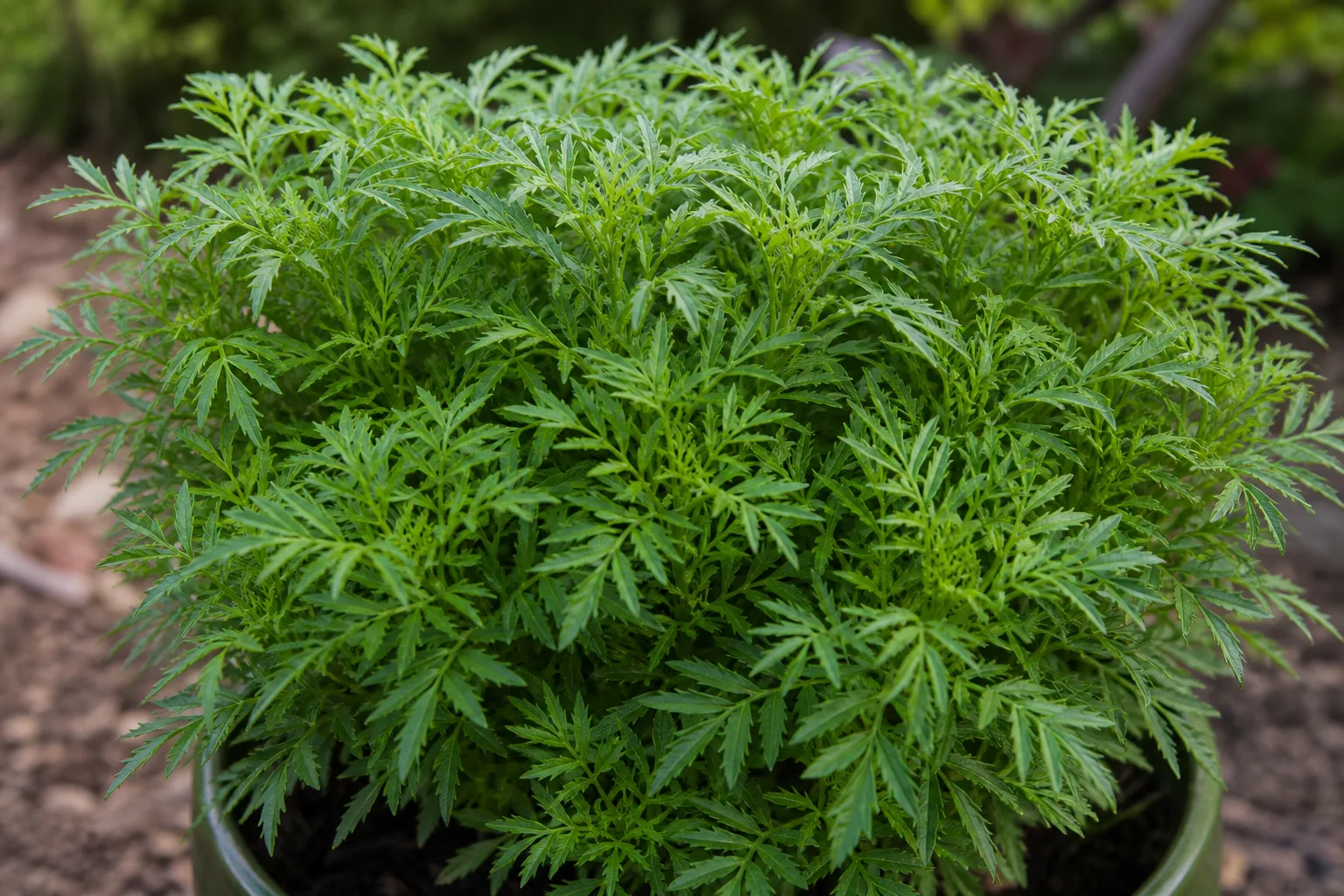
No Flowers on Marigold: Causes, Checks & Fixes
This guide covers no flowers on Marigold. See also the general No Flowers guide, watering, and light pages for this plant.
No Flowers on Marigold: Causes, Checks & Fixes
Quick answer
Marigolds are bred for continuous summer color in open sun. When foliage looks healthy but no buds appear for weeks, the cause is almost always environmental-not bad seed or a random off year.
First step: confirm the planting spot gets full sun on the leaves-not just bright ambient light on a shaded balcony or indoor window. Marigolds need full sun all day to provide blooms all season long. Tagetes erecta (African marigold) is the most demanding type for bloom density; French (T. patula) and signet (T. tenuifolia) types also stall in shade but may show scattered blooms sooner in marginal light.
If sun checks out, look next at wet-root stress, missed deadheading, and nitrogen-heavy fertilizer. For proactive placement before problems start, see the marigold light guide.
Why marigold stops flowering
Bloom requires strong light, stable roots, and energy not diverted to foliage or seed set. Several distinct problems push marigolds toward leaves instead of flowers.
Insufficient direct sun is the leading cause. Marigolds on shaded balconies, under tree canopies, or behind taller companions stretch toward light and produce lush stems with delayed or absent buds. Morning-only sun or dappled shade through the day rarely satisfies a plant native to Central America and bred for open beds.
Wet-root stress from overwatering on Marigold or poor drainage weakens the plant without obvious collapse at first. Tagetes erecta prefers evenly moist, well-drained soil and tolerates drought better than chronic sogginess. Soggy mix promotes root rot on Marigold that drains energy away from bud formation; yellow lower leaves on wet soil are a warning sign.
Excess nitrogen is the second classic trigger. High-nitrogen lawn fertilizer, fresh manure, or repeated balanced feeds on already fertile soil push vegetative growth over flowers. The plant looks vigorous-dark green, tall-but flower initiation stalls.
Missed deadheading lets seed set on old flowers and slows new bud production. Removing spent blooms helps the plant produce more flowers rather than seed. Heavy flower heads on tall African varieties can also weigh stems down when left on the plant.
Peak summer heat can temporarily slow bloom on some varieties even in full sun. Mississippi State Extension notes that high temperatures in July and August may cause temporary declines in growth and bloom-distinct from a full-season zero-bud failure.
Underfeeding in very lean mix late in season can limit buds, but light is the first suspect when zero flowers appear in warm weather with otherwise green foliage.
What no flowers looks like on marigold
Typical zero-bud failure:
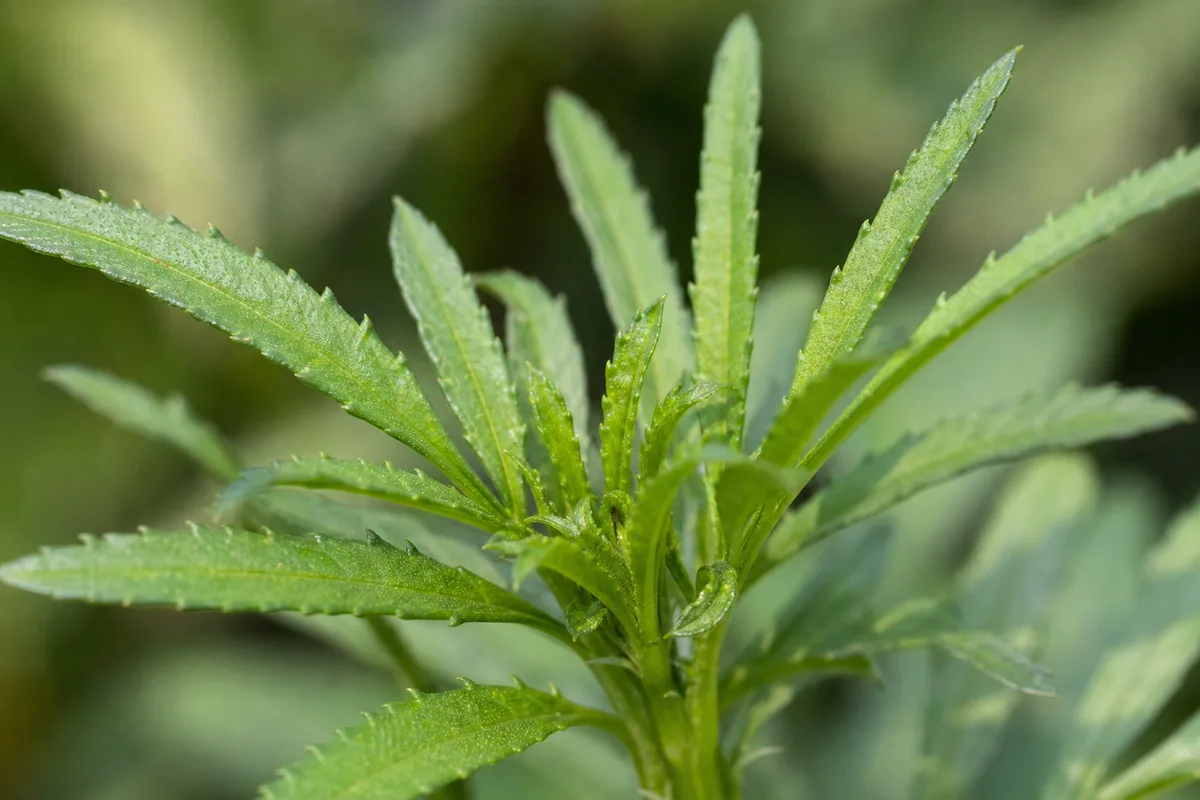
No Flowers symptoms on Marigold - compare with healthy tissue on the same plant.
- Vigorous or mediocre green foliage with no visible buds for weeks in warm weather
- Leggy stretch toward the brightest direction in shade
- Yellow lower leaves with constantly wet soil (root stress compounding bloom failure)
- Only old spent blooms on the plant, no fresh replacements
- Lush dark green leaves with no buds after heavy nitrogen feed
Different from bud drop: Some marigolds form buds that brown and abort before opening-that is bud drop, often tied to heat, blight, or watering swings. True no-flowers means buds never appear at all on established plants.
Different from not enough light as the primary symptom: If stretch, pale leaves, and lean-toward-window growth dominate, start with the not enough light guide. This page focuses on zero buds even when foliage otherwise looks acceptable.
Different from small flowers: Buds that open but stay undersized point to marginal sun or mild nutrient imbalance-see small flowers on marigold instead.
Different from end-of-season fade: Marigolds naturally slow as nights cool. A plant that bloomed all summer and tapers in autumn is normal aging, not a diagnostic problem.
How to confirm the cause
Work through these checks in order before changing multiple variables at once:
- Sun-hour audit - Track direct sun on the leaves from mid-morning through afternoon. Shade from buildings, railings, or neighboring plants counts against the total. UF/IFAS recommends at least six hours of sun for marigold performance; African types perform best with all-day sun.
- Bud-stage check - Confirm zero buds versus buds that formed then dropped. Zero buds points here; aborted buds point to bud drop.
- Soil moisture and roots - Dig near the base or lift the pot. Sour smell, blackened lower stems, or constantly wet mix suggest root stress. Use the top 3 cm dry test described in the marigold watering guide.
- Deadheading history - Note whether spent blooms were removed. Seed set on old flowers diverts energy from new buds.
- Fertilizer review - List everything applied in the last month. High first-number (nitrogen) products on fertile soil strongly correlate with leafy no-bloom marigolds. See marigold fertilizer for balance guidance.
- Pest scan on bud tips - Look for aphids or thrips distorting new growth at stem tips. Heavy infestation can stall buds even when sun is adequate-cross-check aphids on marigold.
If direct sun is clearly below six hours on the foliage, you have a confirmed diagnosis without needing further tests.
Placement vignette
A common pattern: marigolds on an east-facing balcony rail with lush green foliage and zero buds after five weeks in warm weather. Moving the pot to an open bed edge with all-day sun, deadheading every spent bloom, and pinching leggy tips often produces the first bud cluster within two to three weeks-old stretched internodes will not shorten, but new compact shoots carry the recovery.
First fix for marigold
Move the plant to the sunniest available location with full sun on the foliage.
For containers, shift the pot to open sun the same day rather than waiting. Correct watering with the top 3 cm dry test at the base-see marigold watering for rhythm. Deadhead all spent blooms immediately. Pinch leggy stem tips if shade stretch is severe to redirect energy into branching.
Do not reach for bloom fertilizer on day one if the plant sits in shade-extra phosphorus cannot substitute for light. Do not increase watering hoping to push flowers; soggy soil makes root-stress bloom failure worse.
After one week stable in sun with corrected moisture, apply light balanced feed only if soil was never amended at planting-marigolds are low feeders after planting.
Step-by-step recovery
After correcting sun and moisture:
- Hold position in full sun for at least one week before adding fertilizer. Let the plant readjust to higher light.
- Deadhead and pinch - Remove every spent bloom and pinch the top few inches of leggy stems once the plant shows no wilt after the move. Old stretched lower stems will not reshape; judge recovery on new growth.
- Hold high-nitrogen fertilizer until buds form. If feed was excessive, skip applications for two to three weeks.
- Switch to phosphorus-forward feeding only after buds appear on plants already in full sun-half label strength every three to four weeks through active bloom, per marigold fertilizer guidance.
- Improve drainage if soil stayed wet-incorporate compost or move to a better-draining mix without disturbing roots more than necessary.
- Treat aphids on bud tips if distortion is present before expecting bloom recovery.
Recovery timeline
| Situation | What to expect |
|---|---|
| Shade corrected + deadhead + pinch in warm weather (soil and air above ~18°C) | First visible buds often within 2–3 weeks |
| Only deadheading was missing, sun already adequate | New buds within 1–2 weeks |
| Nitrogen excess corrected in full sun | Bud formation may take 2–4 weeks after stopping high-nitrogen feeds |
| Peak summer heat stall in otherwise full sun | Temporary pause; bloom often resumes as temperatures moderate |
| Wet-root rot with soft stems at soil line | Bloom recovery unlikely that season-prioritize root rot rescue |
Old stretched internodes from shade do not shrink-judge recovery by new compact shoots and fresh buds, not by the appearance of lower stems.
Lookalike symptoms to rule out
Leggy growth with adequate sun - If stems stretch despite six or more direct sun hours, see leggy growth on marigold for spacing and pinch timing distinct from pure shade failure.
Bud drop - Buds formed then aborted. Check heat waves, blight, and watering swings rather than total shade.
Small flowers rather than none - Marginal sun or mild nutrient imbalance. Buds open but stay tiny.
Powdery mildew or stem rot - Disease-coated or rotting plants may keep foliage but fail to set new flowers until cultural conditions improve.
Transplant shock delay - Recently moved seedlings may pause blooming for one to two weeks while roots establish-different from a full-season zero-bud bed.
What not to do
Do not blast high nitrogen in shade-dark green leaves without flowers is a predictable outcome.
Do not keep wet shaded pots hoping bloom will follow. Fix placement and drainage together.
Do not assume indoor bright rooms replace outdoor full sun for display-grade African marigolds.
Do not transplant repeatedly mid-season. One careful move to sun beats several root disturbances.
Do not wait until autumn to diagnose shade problems. Marigolds need the full warm season to bloom; a bed that fails all summer rarely catches up in fall.
How to prevent it next time
Site beds and containers in open sun before planting. Review the marigold light guide for balcony and bed placement.
Pinch young seedlings for bushier flower stems. Deadhead through summer on cutting varieties.
Incorporate balanced nutrients at planting only-marigolds do not require fertilizer after planting and are easily overfed.
Cultivar note: UMN Extension identifies French, African, and Signet as the three common types. African marigolds (T. erecta) demand the most sun and spacing for large blooms; French types are more compact; signet types suit smaller containers but still need direct sun-not deep shade.
Marigold care cross-check
No flowers is the bloom honesty test for marigolds-full sun with well-drained soil is non-negotiable for African marigold display goals. Cross-check routine care:
When to worry
Treat as urgent when stems soften and collapse at the soil line in wet beds-prioritize root rot rescue over fertilizer pushes.
Simple shade, missed deadheading, or nitrogen issues are common and reversible. Display urgency is high early in season-fix placement quickly while warm weeks remain.
Conclusion
No flowers on marigold follows clear patterns: shade, wet roots, excess nitrogen, or missed deadheading-not bad luck. Confirm sun hours first, deadhead spent blooms, correct watering, then judge recovery on new bud formation. For stretch-heavy shade symptoms, see not enough light; for buds that abort, see bud drop.
When to use this page vs other Marigold guides
- Marigold watering guide - Use for routine moisture checks before assuming no flowers is the main issue.
- Marigold problems hub - Browse all 20 common issues on this species.