How to Prune Marigolds: When, Where, and What to Cut
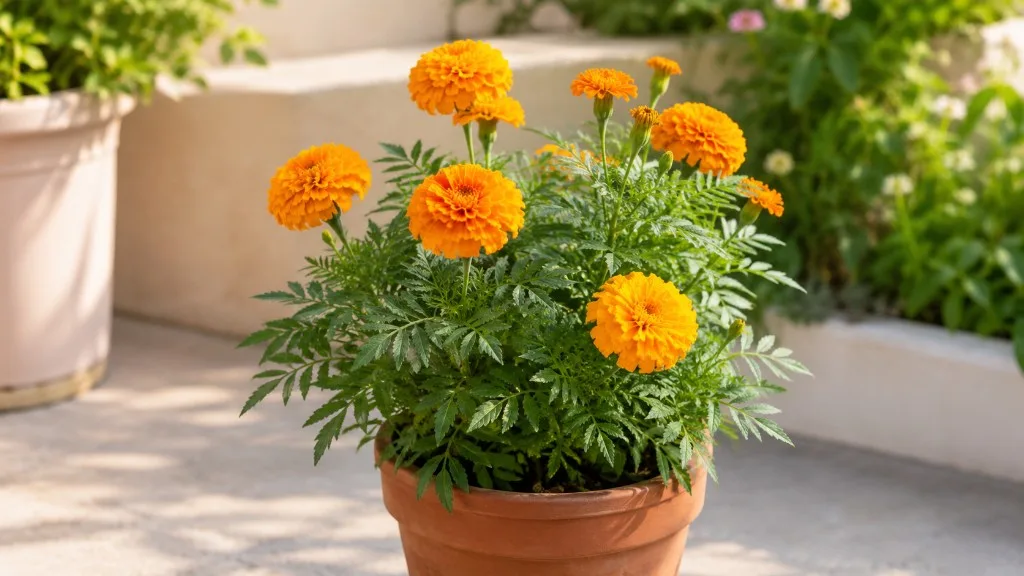
How to Prune Marigolds: When, Where, and What to Cut
How to Prune Marigolds: When, Where, and What to Cut
Quick Answer - Deadhead Spent Blooms First
First action: Clip off any faded marigold flower heads down to the next set of healthy leaves on the stem. Use clean fingers for small French types or sharp scissors for the heavy double blooms on African marigolds (Tagetes erecta). That single step stops the plant from pouring energy into seed and tells it to push fresh buds instead.
Do not start by shearing the whole plant or stripping yellow lower leaves. One deadhead per faded bloom is the routine cut that keeps marigolds flowering and tidy through the season.
What Pruning Does for Marigolds
Marigolds are fast-growing annuals built to bloom, set seed, and finish in one season. Left alone, many cultivars-especially tall African types-send one strong upright stem with a heavy flower at the tip. Pinching young plants and deadheading spent blooms redirect that upward push into side branches and repeat flowering.
Pruning marigolds is less about reshaping a permanent framework and more about three jobs: deadheading to extend bloom, pinching to build a sturdier, bushier plant early on, and cleanup of rotting or diseased tissue before it spreads. Marigold foliage and stems are aromatic and seldom browsed by deer, but heavy double flowers can make stems snap if you skip deadheading on large African varieties.
Pruning cannot fix a marigold growing in too little light-it will stay leggy no matter how often you cut. It also cannot reverse a plant already committed to seed after weeks of faded blooms left on the stems.
African, French, and Signet - Different Pruning Needs
Most garden marigolds fall into three groups, and pruning intensity follows plant size:
- African marigolds (Tagetes erecta) grow 1–4 feet tall with large double flowers. They benefit most from deadheading and early pinching; heavy spent heads can rot in humid weather and weigh stems down.
- French marigolds (Tagetes patula) stay compact, 6–18 inches tall. They rebloom without deadheading but still look cleaner when you remove faded flowers.
- Signet marigolds (Tagetes tenuifolia) drop spent blooms quickly; deadheading is rarely necessary unless you want a tidier edge planting.
If you are not sure which type you have, check mature height and flower size. A marigold heading past two feet with fist-sized doubles is almost certainly an African type that needs regular deadheading.
What to Check Before You Cut
Scan the plant in morning light before touching scissors:
- Spent or rotting flowers - brown, wet, or mouldy heads come off first; they invite botrytis in humid weather.
- New buds just below faded blooms - make sure your deadhead cut leaves those buds intact.
- Stem strength - a seedling with only two leaf pairs is not ready for a hard pinch; wait until it has several sets of true leaves.
- Moisture on foliage - prune when plants are dry to reduce fungal spread; skip pruning right after overhead watering or rain.
- Overall vigor - wilted plants from root rot on Marigold or drought need care correction before aggressive shaping.
- Tool cleanliness - wipe blades with rubbing alcohol if you recently cut diseased plants.
Plan one pass: deadheads first, then pinches, then damaged stems. Marigolds recover fast, but stacking every task at once makes it easy to remove too much foliage in a single session.
When to Prune Marigolds
Marigolds do not follow a dormant-season calendar. They are annuals that grow and bloom until frost, so timing tracks active growth and flowering stage rather than winter rest.
Pinching Young Seedlings
Once seedlings are established-usually a few weeks after transplant or when stems reach roughly 6–8 inches-pinch or snip the growing tip above a leaf node. Penn State Extension recommends pinching after establishment to encourage branching and compact growth. One early pinch on African types helps prevent the single tall candlestick habit that flops under large blooms.
French marigolds branch more naturally; a light tip pinch still improves density in containers. Signet types are naturally mounding and may need only one tip pinch if they stretch.
Deadheading Through the Bloom Season
Deadhead whenever a flower fades-throughout summer and into fall until frost ends the season. University of Minnesota Extension notes that removing spent blooms helps plants produce more flowers instead of seed and keeps plants looking fresh when old heads rot in humid conditions.
Check beds every few days during peak bloom. African marigolds with large doubles may need deadheading twice a week in hot, wet weather.
When Not to Prune
Skip cosmetic shaping when:
- The plant is wet from rain or watering.
- Stems are wilting from drought or soggy roots-fix water and drainage first.
- You already removed roughly one-third of the foliage in the past two weeks.
- Frost has killed the plant-pull it and compost instead of cutting back for regrowth.
Marigolds are annuals. There is no late-fall hard cutback to prepare for winter dormancy. When the season ends, remove the whole plant.
The First Cut to Make
On a blooming marigold, the first cut is always a deadhead: follow the flower stalk down to the first pair of healthy leaves and snip just above that node. If no flowers are faded yet but the seedling is young and upright with no side branches, the first cut is a tip pinch one-quarter inch above the top leaf node instead.
Emergency cuts-blackened stems from rot, snapped flower stalks, or pest-damaged tips-override the calendar. Remove that tissue immediately with a clean cut into healthy green stem, even mid-season.
How to Prune Marigolds Step by Step
Deadheading a Spent Flower
- Hold the faded bloom and trace the stalk downward to the nearest leaf pair.
- Position scissors one-quarter inch above that node, angled slightly.
- Cut cleanly through the stalk-do not tug and tear.
- Drop removed heads in a bag if botrytis is present; compost only healthy spent blooms.
- Step back and check for smaller buds forming in leaf axils below the cut.
Repeat through the plant. Each deadhead is a small cut, but twenty faded blooms add up-pause if you have stripped a large share of the foliage.
Pinching a Leggy Stem
- Identify the tallest single stem with no side shoots.
- Count down to a strong leaf node with visible side buds in the axils.
- Pinch or snip one-quarter inch above that node, removing the terminal bud.
- Leave at least two to three healthy leaf pairs on very young plants.
- Wait one to two weeks before pinching the same stem again.
On container African marigolds that are already top-heavy, one early pinch plus steady deadheading usually beats a late-season hard chop.
Removing Damaged or Diseased Growth
Cut soft, brown, or mould-covered stems back into firm green tissue. If the base is rotting from overwatering on Marigold, pruning above will not save the plant-improve drainage and accept that severely rotted annuals may need replacement. Bag and discard diseased material rather than composting it.
Where to Cut - Nodes and Flower Stalks
Marigolds branch from leaf nodes, not from random points on bare stem. Each leaf pair marks a node; small buds hide in the angle between leaf and stem. A deadhead cut belongs just above the top leaf you intend to keep-typically one-quarter inch above the node.
Cuts made too high leave a dry stub that dies back. Cuts too low into the leaf joint can damage the buds you need for the next bloom. For a fading double African bloom on a long stalk, follow the stalk to the first full leaf pair rather than snipping only the flower head and leaving a naked stick.
NC State Extension notes that spent flowers on African marigolds are heavy enough to snap stems-another reason to deadhead promptly at the leaf joint, not halfway down a bare internode.
How Much You Can Safely Remove
Treat marigolds like other herbaceous annuals: do not remove more than one-third of the healthy foliage in one session. Deadheading twenty small spent blooms on a large plant is fine; scalping half the leaves to correct legginess is not.
If a marigold is badly stretched in shade, move it to Marigold light guide first, then pinch one-third of the longest stems this week and the next third two weeks later. Full sun all day is what keeps new growth compact after a cut-pruning alone cannot hold a shaded plant tight.
What Not to Cut
- Healthy flower buds - check below faded blooms before snipping.
- The entire plant at once unless you are finished with the season.
- All lower leaves chasing tidiness-those leaves feed the roots and new buds.
- Main stems flush to soil on established plants unless removing dead tissue; marigolds do not resprout from a stump the way some perennials do.
- Wet, rotting tissue with bare hands if you have sensitive skin-marigold sap can irritate skin on contact in some people.
Pruning will not restore bloom on a plant that has already shifted hard into seed production after long neglect. Start fresh seed next season if every stem has dried seed heads and no buds remain.
Aftercare and Recovery
After pruning, keep care steady: full sun, base watering when the top few centimeters of soil dry, and no extra nitrogen fertilizer that pushes leaves over flowers. Marigolds are low feeders; too much fertilizer after a cut produces leafy growth with fewer blooms.
Wear gloves when handling lots of cut marigold material if you have sensitive skin. NC State Extension lists low-severity contact irritation from sap on broken skin. Keep trimmings away from pets that chew plants-ASPCA lists marigolds with possible mild gastrointestinal upset if ingested in quantity.
Recovery Timeline
Marigolds are fast growers. After a deadhead, new buds often color up within one to two weeks in warm sun. After a tip pinch, side shoots usually appear within 7–14 days. A badly timed hard cut on a stressed plant may sit static for three weeks before new growth shows.
Because marigolds are annuals, recovery time is really “time until the next bloom flush”-not years of framework rebuilding.
Signs Pruning Worked
- Fresh buds forming below deadhead cuts
- Two new tips emerging from a pinched node
- Shorter, sturdier stems that hold flowers upright
- More bloom cycles through summer instead of one early flush followed by seed heads
- Clean cuts that stay green-not black, mushy, or shriveled
Signs Something Went Wrong
- Black or wet cut ends - dull tools, cuts on wet plants, or disease already in the stem
- No new shoots two weeks after a pinch in full sun - you may have cut too low or removed the node
- Thinner, paler regrowth - plant is in too much shade or was over-pruned
- Collapse at the base after heavy pruning - root rot or drought stress, not a bad cut alone
Mistakes to Avoid
Deadheading only the flower, not the stalk. Leaving a long naked stick above the leaves wastes energy and looks untidy. Cut to the leaf pair.
Waiting until half the plant has set seed. Once marigolds commit to seed, rebloom slows sharply. Frequent light deadheading is easier than one rescue cut.
Pinching too late on tall African types. A 2-foot single stem does not become bushy from one pinch. Start early or stake and deadhead instead.
Pruning wet plants in humid weather. Rotting flower heads spread botrytis; dry midday cuts are safer.
Expecting pruning to fix shade legginess. Move the pot or bed to six or more hours of direct sun, then pinch.
Keeping Marigolds Bushy Between Pruning Sessions
Build a light routine: deadhead every few days during peak bloom, scan for rotting heads after rain, and pinch any new single leader that outgrows the rest by more than a few inches. Stake only the tallest African cultivars in windy spots-pinching early reduces the need for stakes.
At season end, pull the annual and compost healthy foliage. Save dried seed heads only if you want volunteers next year. Marigold pruning is a summer rhythm, not a once-a-year event-and that is what keeps the color going until frost.
When to use this page vs other Marigold guides
- Marigold overview - Start here for whole-plant context before deep-diving this topic.
- Marigold problems hub - Jump to symptom-specific fix guides when this care topic does not resolve the issue.
- Leggy Growth on Marigold - Escalate here when pruning adjustments are not enough.
- Slow Growth on Marigold - Escalate here when pruning adjustments are not enough.
- Brown Tips on Marigold - Escalate here when pruning adjustments are not enough.