Aphids on Maranta leuconeura: Causes, Checks & Fixes
Quick answer
Aphids on Maranta leuconeura cluster on soft rolled new leaves and leaf undersides, leaving sticky honeydew and distorted growth. First step: isolate the plant and rinse aphids off with lukewarm water while keeping the crown dry.
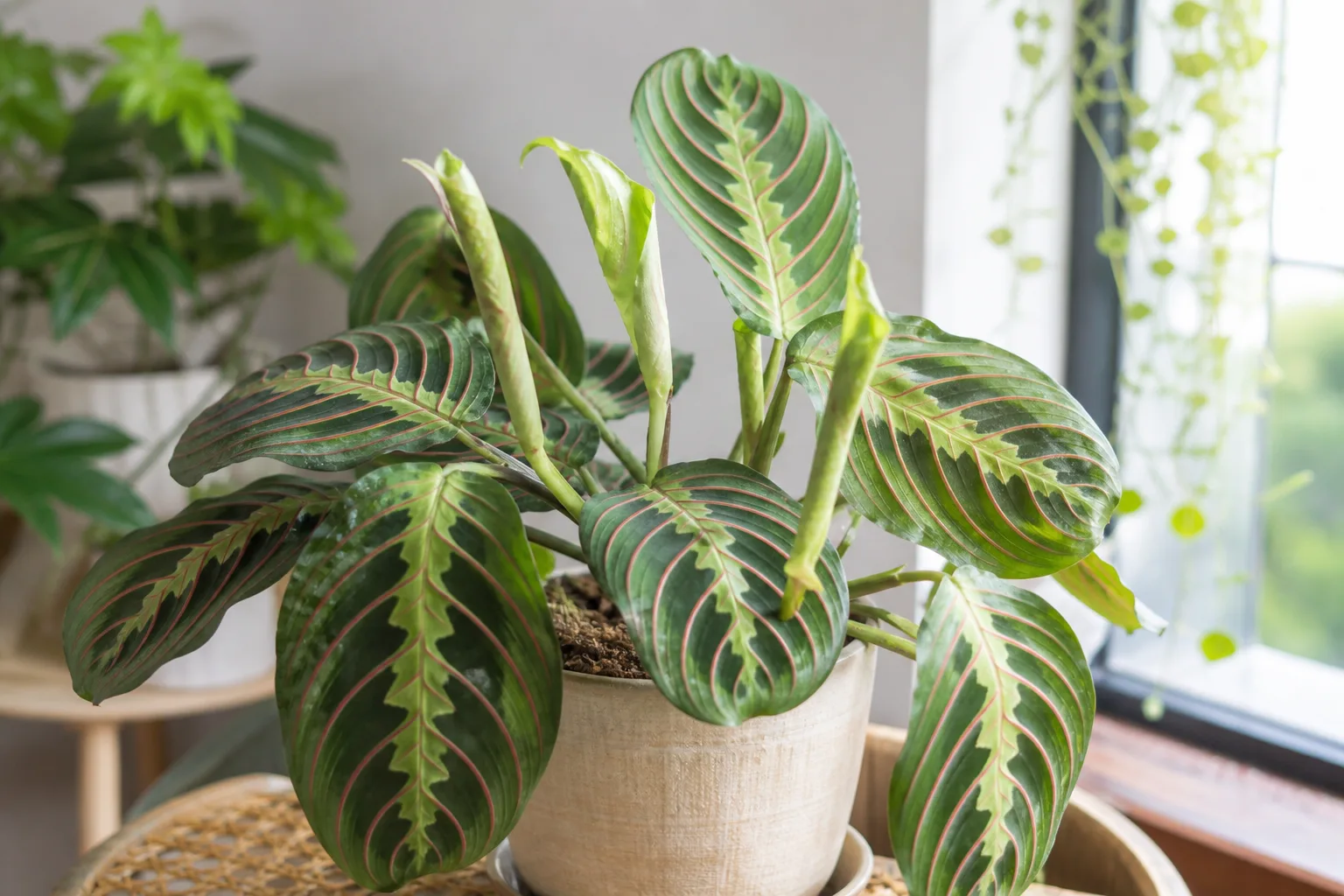
Aphids on Maranta leuconeura: Causes, Checks & Fixes
This guide covers aphids on Maranta Leuconeura. See also the general Aphids guide, watering, and light pages for this plant.
Aphids on Maranta leuconeura: Causes, Checks & Fixes
Quick answer
Aphids on Maranta leuconeura gather on the same soft new leaves that make prayer plants attractive in the first place. They pierce tender tissue as it unfurls, leaving sticky honeydew, distorted new growth, and sometimes ants on the pot or shelf. The plant usually recovers well if you catch the colony early.
First step: isolate the plant and rinse aphids off the undersides of new leaves with lukewarm water. Keep water away from the crown while you do it. University of Illinois Extension warns that water standing on prayer plant crowns can lead to stem rot, so rinse the foliage, not the center of the plant.
What aphids look like on Maranta leuconeura
UC IPM describes aphids as small, pear-shaped insects that cluster on soft plant tissue. On maranta, look first at the newest rolled leaves and the backs of recently opened blades.
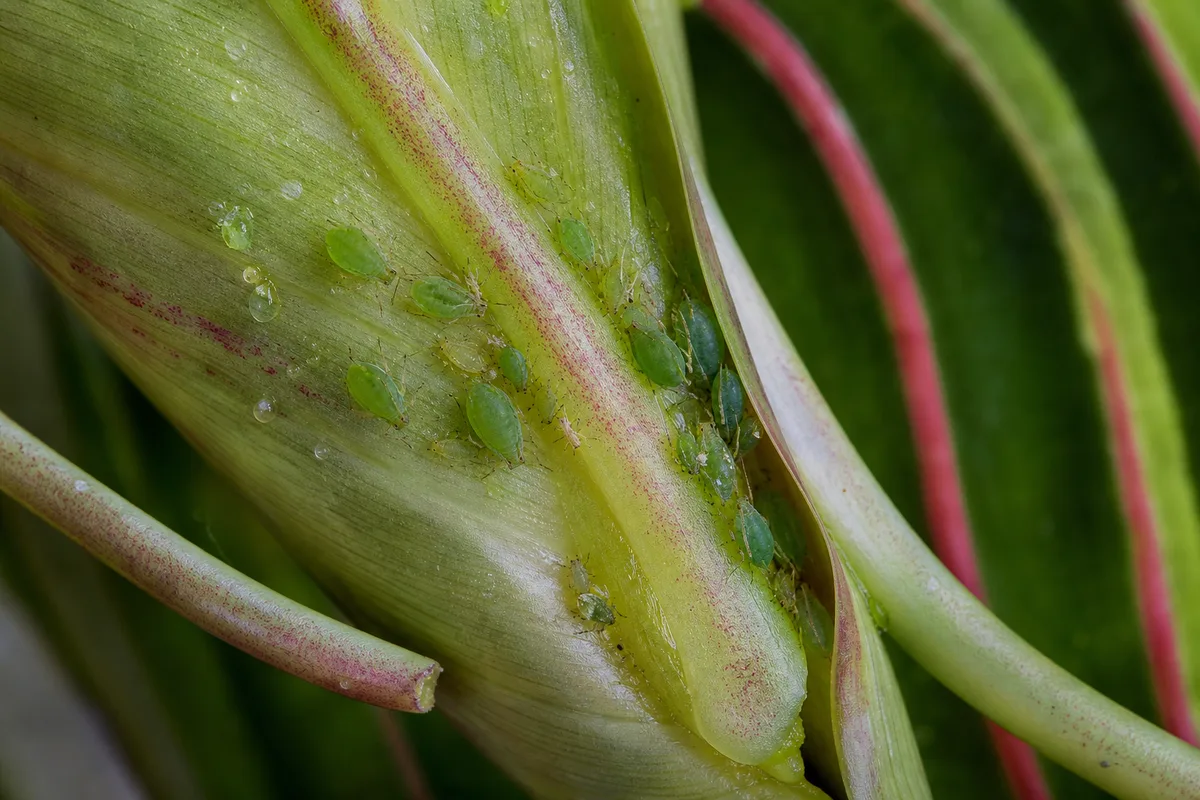
Aphids symptoms on Maranta Leuconeura — compare with healthy tissue on the same plant.
Typical signs include:
- clusters of green, yellow, brown, or black insects on soft new growth
- sticky honeydew on upper leaf surfaces
- leaf curl or puckering that persists during the day
- ants visiting the pot rim or stems
- sooty mold developing on dried honeydew
Healthy maranta leaves still fold at night through nyctinasty. Aphid damage is different: the affected new leaves stay twisted, tacky, or visibly infested even when the plant is otherwise well hydrated.
Why aphids target this plant
Prayer plants produce regular soft new growth in bright indirect light and evenly moist soil. That growth is exactly what aphids prefer. UC IPM notes that aphids feed on soft, new plant growth, and heavy feeding or overfertilizing can make the problem worse by pushing even more tender shoots.
Indoor infestations often arrive on:
- new nursery plants
- cuttings from friends
- plants moved back indoors after summer
- nearby tropicals on the same shelf or humidity tray
Ants can make the outbreak look worse because they protect aphids in exchange for honeydew.
How to confirm the diagnosis
Before treating, check these points:
- Inspect the newest leaves first. Aphids favor fresh rolled growth before they spread downward.
- Flip leaves over. Colonies usually sit on undersides, not on top.
- Look for honeydew. Sticky residue is a strong clue.
- Separate aphids from lookalikes. Cottony residue points to mealybugs; stippling and webbing point to spider mites.
- Check nearby plants. If one maranta has aphids, neighbors may be starting to show them too.
If you find no insects and no honeydew, shift to a care diagnosis such as curling leaves, low humidity, or watering.
First fix: rinse before you spray
For a small or moderate colony, start with physical removal:
- Move the plant away from the rest of your collection.
- Hold the pot at an angle so runoff does not flood the crown.
- Rinse the undersides of new leaves with lukewarm water.
- Let the foliage dry in bright indirect light.
- Recheck in two or three days.
University of Minnesota Extension recommends washing and physical removal as first steps for aphids on indoor plants. Prayer plant foliage is thinner than many common houseplants, so use enough pressure to dislodge insects without shredding leaves.
What to do if rinsing is not enough
If colonies keep returning:
- Repeat the rinse every two to three days.
- Apply a labeled insecticidal soap to tops and undersides of leaves.
- Repeat soap treatment weekly as needed because contact sprays do not kill later hatchlings.
- Wipe honeydew off older leaves once the colony is controlled.
- Manage any ant activity so the aphids are not being protected.
University of Minnesota Extension warns against homemade dish-soap mixes, which can burn foliage. Use a product labeled for houseplants and test one leaf first if your plant is already stressed.
Recovery timeline
Light infestations often improve within a week of repeated rinsing. More established colonies may take two or three weeks of follow-up because hidden insects can remain tucked into curled new leaves.
Recovery looks like:
- clean new leaves
- less stickiness
- normal nightly leaf folding
- no fresh aphid clusters on two inspections a week apart
Old curled or yellowed leaves usually stay cosmetically damaged.
Lookalikes to rule out
These problems are often confused with aphids:
- Mealybugs - white cottony clusters in joints
- Spider mites - fine webbing and stippling, especially in dry air
- Low humidity - crisp brown edges without honeydew
- Overwatering - yellowing with wet soil and no insects
If you see bright yellow line patterns or severe distortion after a heavy aphid outbreak, that deserves extra caution because aphids can vector viruses on some ornamentals. Keep the plant isolated if the pattern looks unusual rather than simply curled.
What not to do
Do not:
- spray blindly before confirming live aphids
- soak the plant crown during rinsing
- fertilize heavily to “replace” damaged leaves
- return the plant to the collection after one clean day
- ignore ants if they are farming honeydew
Prayer plants recover best when the pest problem is solved first and the care routine stays steady.
Conclusion
Aphids on Maranta leuconeura are a new-growth pest first and a foliage-quality problem second. Inspect the newest leaves, rinse colonies off before escalating to soap, and keep the crown dry while you work. Once honeydew stops and clean new leaves resume, the plant is usually back on track.
Related Maranta Leuconeura guides
- Maranta Leuconeura overview
- Maranta Leuconeura watering
- Curling Leaves on Maranta Leuconeura
- Mealybugs on Maranta Leuconeura
- Spider Mites on Maranta Leuconeura
- Yellow Leaves on Maranta Leuconeura
Related tool
Use the Pest Identifier Tool to narrow causes for aphids on this plant before changing multiple variables at once.