Soil Too Acidic on Jasmine: Causes, Checks & Fixes
Quick answer
Soil too acidic for jasmine (below about pH 6.0) can lock nutrients and show as stunted shoots or leaf tip burn despite feeding. First step: test pH at root depth with a meter or kit before repotting or adding lime.
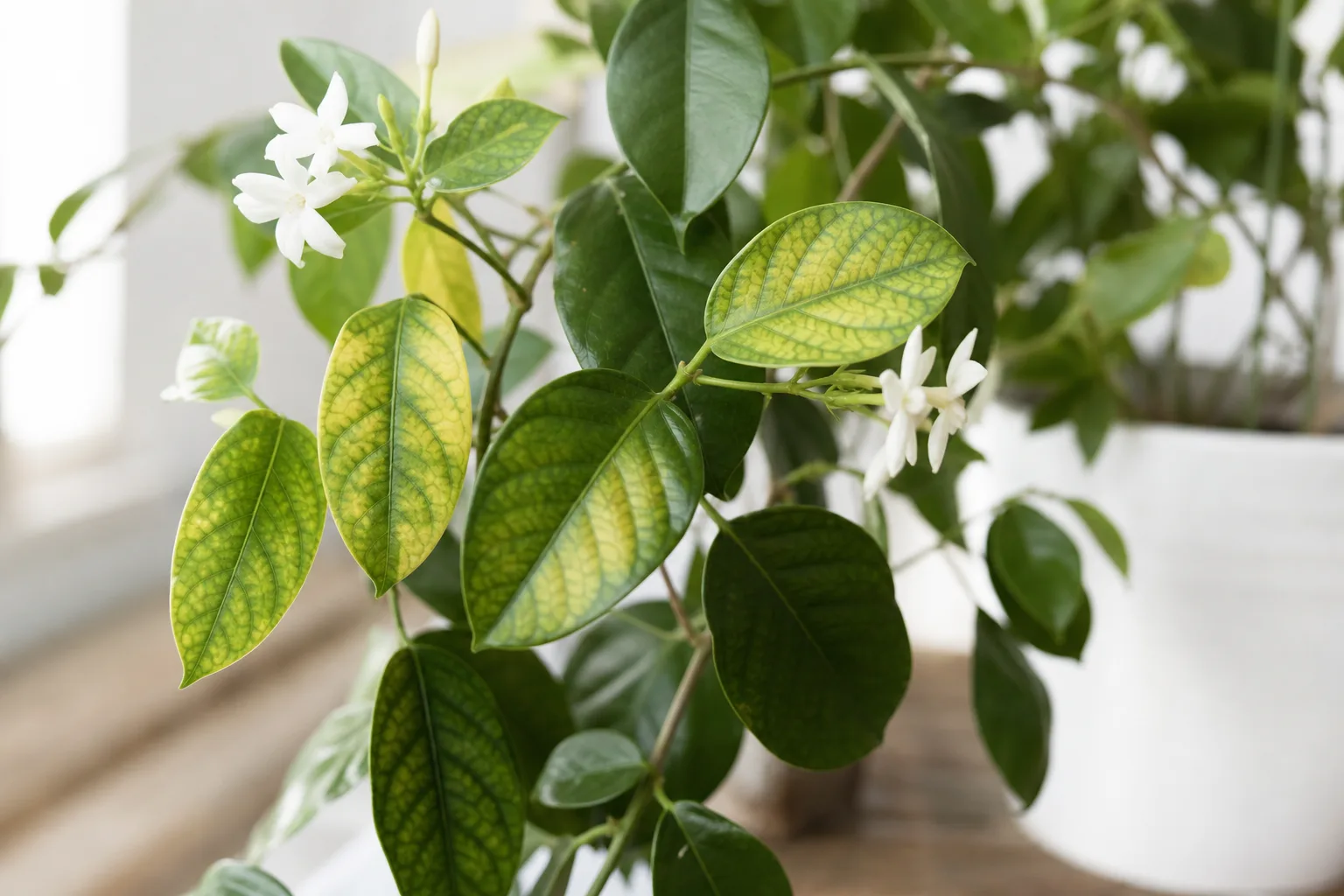
Soil Too Acidic on Jasmine: Causes, Checks & Fixes
This guide covers soil too acidic on Jasmine. See also the general Soil Too Acidic guide, watering, and light pages for this plant.
Soil Too Acidic on Jasmine: Causes, Checks & Fixes
Quick answer
Common jasmine (Jasminum officinale) grows best in fertile, well-drained soil with pH roughly 6.0–7.5-slightly acidic to neutral. It is not an ericaceous plant. When container mix drops well below that range, soil nutrients are also affected by pH and roots absorb them poorly; manganese can become overly available at very low pH.
First step: test mix pH at root depth with a reliable meter or soil test kit-record the number before Jasmine repotting guide, liming, or feeding harder.
Problems usually appear when acidity pushes below about 6.0, especially in old peat-heavy pots that have sat unchanged for two or more seasons. Mild readings near 6.0 are typically fine for jasmine.
Why Jasmine suffers in overly acidic soil
Jasmine is a vigorous climbing vine that prefers moist, well-drained, light soil enriched with organic matter-not bog-garden acidity. While it tolerates mild acidity, extreme acidity in a closed container changes which nutrients dissolve and reach root hairs.
At very low pH, phosphorus and molybdenum become less available to roots. Manganese availability increases as soil pH decreases, and levels that suit blueberries can overshoot what jasmine roots handle comfortably. The result is a lockout-and-toxicity mix: fertilizer dissolves in the mix, uptake stalls, and leaf margins or tips can show burn from micronutrient imbalance.
Several situations push jasmine pots too acid:
Aged peat-heavy potting mix. Peat and some pine bark blends acidify as organic matter breaks down. Jasmine often stays in the same container for two years between repots. By the third season, chemistry can drift while light and watering look unchanged.
Ericaceous or acid-loving products used by mistake. Compost labeled for azaleas, rhododendrons, or blueberries, or fertilizers formulated to lower pH, can drop a small root zone faster than in open ground. Jasmine shares a windowsill with acid-loving plants more often than people realize.
Elemental sulfur or acidifying amendments. Sulfur applied to neighboring beds, leftover acidifier from another project, or repeated ammonium-heavy feeding can nudge pH down in containers.
Rain leaching through acidic components. Outdoor jasmine in pots with high peat content or pine-needle mulch piled against the crown can sit below comfort zone over wet seasons unless you test.
Confusion with salt buildup. White crust on the pot rim and pale growth mimic chemistry problems. Both reduce uptake-but salt issues need flushing or repotting, not lime. Testing pH separates the two.
Jasmine’s seasonal feeding rhythm makes lockout worse. You supply balanced or high-potassium feed before bloom, growth does not respond, and salts can accumulate on top of the pH problem.
What acidic soil stress looks like on Jasmine
Jasmine communicates stress through shoot vigor, leaf color, and bud set-not through a single dramatic wilt. Acid-related stress usually appears as a whole-vine pattern in an otherwise lit, watered setup.
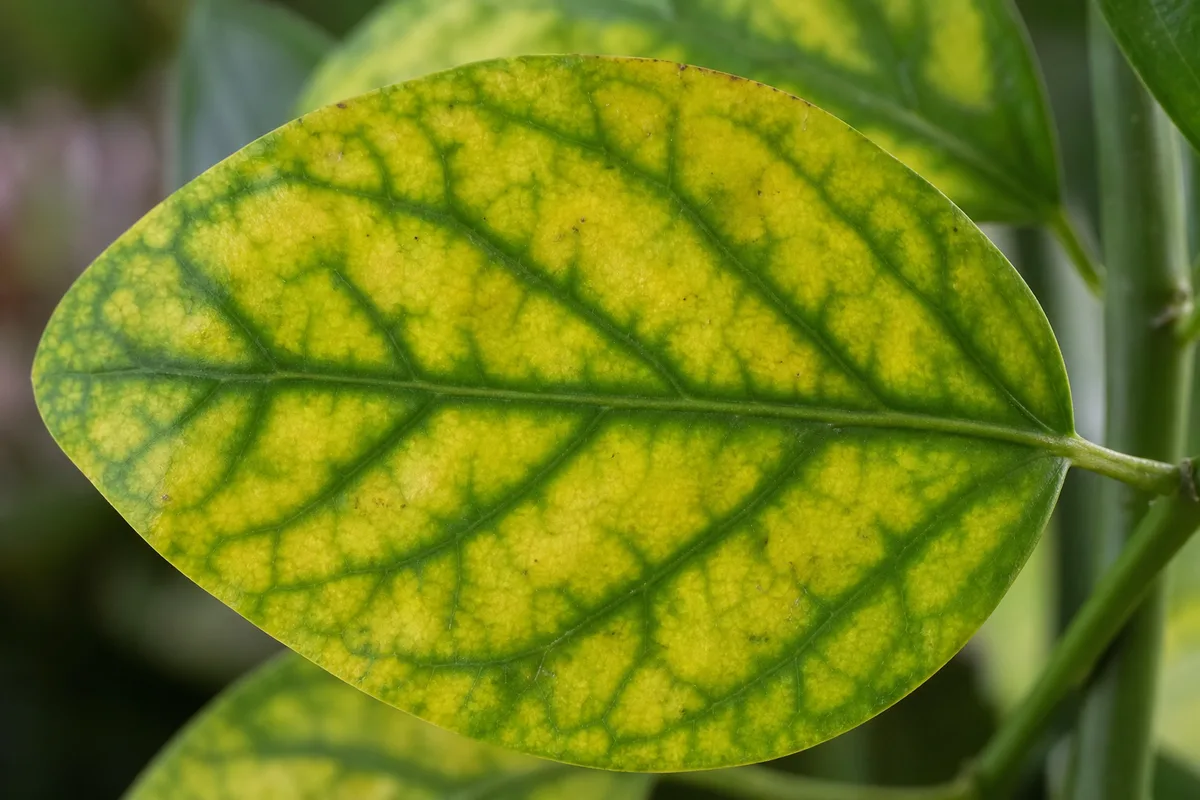
Soil Too Acidic symptoms on Jasmine - compare with healthy tissue on the same plant.
Common signs:
- Stunted new shoots despite regular watering and feeding
- Pale or dull green new leaves rather than deep glossy foliage
- Dark speckling, bronzing, or tip burn on leaf margins-sometimes linked to manganese excess at low pH
- Slow or sparse bud formation when light and winter chill were otherwise adequate
- Fertilizer seeming to “do nothing”-no surge of green after balanced feed
- Firm roots visually, but overall vigor lagging compared with a vine in fresh mix
What it usually is not:
- Bright interveinal yellowing on new leaves with green veins-that pattern more often points to alkaline iron chlorosis, the opposite pH problem
- Mushy brown roots and sour-smelling mix-overwatering or root rot, not pH alone
- Bud drop after a cold draft or dry spell-water or temperature stress, not soil acidity
- Uniform winter slowdown in dim indoor light-seasonal rest, not chemistry
Because jasmine is grown for fragrance and summer flowers, owners often notice the problem when new stems stay short through spring or when a previously floriferous container vine produces leaves but few buds. A corrected vine pushes firm new growth within weeks when light and winter chill requirements are also met.
How to confirm the cause
Work through these checks in order. You want evidence of low pH-not just pale color-before changing mix chemistry.
-
pH test at root depth - Slide the plant partly out or take a core sample from the middle of the pot, not just the dry surface. Compare a slurry reading or probe inserted into moist mix. Below 5.5 strongly supports excess acidity; 6.0–7.5 is typically fine for jasmine.
-
Mix age and recipe - Note whether the pot has gone two or more seasons without refresh, whether the blend was mostly peat or ericaceous compost, and whether your standard mix includes compost and perlite for buffering. Old peat containers are the most common indoor culprit.
-
Salt crust check - White mineral rim on the pot or crust on the surface suggests fertilizer salts. Scrape a little surface mix and test pH separately from deeper layers. Salt stress and acid stress can overlap; both need correction, but lime alone will not fix salt burn.
-
Root inspection - Tip the vine out gently. Firm white or tan roots in moist, airy mix support a chemistry diagnosis. Black mushy roots with a sour smell mean rescue rot care first-liming soggy rotting mix helps neither problem.
-
Light and winter-chill cross-check - Confirm Jasmine light guide to partial shade with several hours of direct light and that the plant received its cool winter period if you expect outdoor-type flowering. Pale jasmine in weak light looks similar but will not improve after pH correction unless light improves too.
-
Feeding history - List recent fertilizer type and frequency. Heavy feeding on acid-locked roots increases salts without greening shoots. Pause feeding until pH is confirmed and corrected.
If pH reads 6.0–7.5, roots are firm, and light is strong, look elsewhere-iron chlorosis from alkaline mix, rootbound stress, spider mites, or underwatering are more likely.
First fix for Jasmine
Test mix pH at root depth with a reliable meter or soil test kit-then record the number before changing anything.
This single step prevents the two most common errors: dumping lime or baking soda into a pot that does not need it, or repotting blindly when the real issue is rot, salt, or shade. Jasmine tolerates mild acidity; you are checking whether pH has fallen below the useful range, not chasing a perfect neutral number.
Once you have a reading:
- Below 5.5 in an old container: plan to repot into fresh, balanced well-draining mix rather than guessing lime doses in a small pot.
- Below 5.5 in ground beds: use extension soil-test lime recommendations for your region-rates depend on soil texture and current pH.
- 5.5–7.5 with stunted growth: pH is unlikely the main issue; return to root health, light, winter chill, and watering checks.
Do not fertilize heavily while pH is suspect. Extra nutrients on locked-out roots add salt without greening new shoots.
Step-by-step recovery
After testing confirms excess acidity and roots are sound:
-
Repot container vines into fresh mix - Use a well-draining standard blend with compost and perlite or coarse sand for aeration. Terracotta helps dry the root zone evenly. Move up one pot size only if roots filled the old container. Trim away only clearly dead mushy roots.
-
Adjust in-ground beds with lime only per soil test - Agricultural lime raises pH gradually. Follow label or extension sheet rates for your square footage and target pH near 6.0–7.5. Avoid double applications within the same season without retesting.
-
Water through once after repotting - Settle mix around roots with plain water. Skip fertilizer for the first two weeks while the vine re-establishes.
-
Resume balanced feeding in active growth - Once new leaves show brighter green, feed with a balanced liquid fertilizer at half strength, then return to your normal spring-through-summer schedule including high-potassium feed before flowering-only when roots can absorb nutrients.
-
Prune only dead or heavily damaged tips after stability - Old speckled or burned leaf tissue will not fully re-green. Light pruning of weak tips can redirect energy once new growth is firm.
-
Retest pH in six to eight weeks if growth stays flat - Large outdoor beds change slowly; containers should show improvement sooner when repotted into fresh mix.
If roots were partly rotted, let the mix dry slightly closer to the surface between waterings after repot until new white root tips appear-jasmine wants moisture during growth, not constant saturation during recovery.
Recovery timeline
In warm weather with adequate direct light, expect visible improvement in new shoots within two to four weeks after repot or successful lime correction. Jasmine can flush growth quickly when conditions align; slow recovery in cool indoor light may take six to eight weeks.
Judge success by fresh stems and bud formation, not old damaged foliage. A corrected vine produces firm new leaves with normal green color. Flower bud set may lag one season if the vine missed its cool winter rest or if damage was severe-pH correction alone does not replace chill requirements.
Signs the fix is working:
- New shoots lengthen with normal leaf size
- Leaf tip burn stops spreading on fresh growth
- Fertilizer produces a noticeable green-up within one to two feed cycles
- Buds form when light and winter chill were also adequate
Signs the problem persists or worsens:
- Continued stunting after six weeks in warm sun with confirmed pH correction
- Spreading base rot or sour smell despite drier watering
- Interveinal yellowing on new leaves-may indicate alkaline iron chlorosis instead; retest pH
Lookalike symptoms to rule out
Iron chlorosis from alkaline soil. Bright yellow between green veins on new leaves fits high pH iron lockout-not excess acidity. If pH reads above 7.5, correction moves toward sulfur or chelated iron per extension guidance, not toward more acid mix.
Nutrient deficiency on normal pH. Nitrogen shortage also causes pale leaves. If pH reads 6.0–7.5 and roots are healthy, a modest balanced feed trial in warm weather is reasonable-acid correction is not needed.
Salt and fertilizer burn. White crust, leaf tip browning, and stalled growth after heavy feeding fit salt buildup. Flush with clear water running freely from drainage holes, or repot if crust is thick. Do not add lime for salt alone.
Overwatering and root rot. Yellowing, soft stems, mushy roots, and sour mix smell indicate excess moisture-common when jasmine sits in cool dim conditions with compacted mix. Fix drainage and watering before adjusting pH.
Missing cool winter period. Jasmine may produce leaves but few flowers without adequate chill-unrelated to soil pH. Confirm winter temperatures before blaming chemistry for no blooms.
Spider mites and sap feeders. Stippling, webbing, and sticky residue point to pests-not pH. Inspect undersides before repotting for acidity alone.
Rootbound vine. When roots circle densely and water runs straight through, growth stalls even with good pH. Repot into a slightly larger container with fresh mix in early spring.
Mistakes to avoid
Do not add garden lime, wood ash, or baking soda to containers without a pH test and a clear target-over-correction is harder to reverse in a small pot than repotting into appropriate mix.
Do not keep increasing fertilizer on acid-locked plants. You risk salt injury without fixing uptake.
Do not confuse surface crust with acidity. Test deeper mix.
Do not repot into pure peat or ericaceous compost to “help” a vine that already sits in acid conditions-add compost buffer and drainage components.
Do not expect old burned leaf tips to turn perfect green again. Recovery shows in new growth.
Do not adjust water, pot size, lime, and fertilizer all on the same day. Correct pH first, stabilize watering for two weeks, then resume feeding.
Do not assume every yellow jasmine leaf means acidic soil-alkaline chlorosis, overwatering, and pests are common lookalikes.
Jasmine care cross-check
Acidic soil rarely appears in isolation on a well-placed vine. Confirm these basics align while you correct pH:
- Light: Full sun to partial shade with four to six hours of direct sun daily. Weak shade-grown vines will not respond fully to pH fixes alone.
- Water: Allow the top few centimeters to dry between waterings; reduce frequency in cool winter rest but avoid bone-dry root zones during active summer growth.
- Winter chill: Outdoor-type flowering needs a cool period-indoor warmth alone through winter can suppress buds regardless of soil pH.
- Repot rhythm: Refresh mix every two years in early spring because organic components break down and acidify in closed pots.
If all four are sound and pH is corrected, yet the vine stays weak, inspect for scale, mealybugs, or rootbound stress before repeated lime or repot cycles.
How to prevent acidic soil next time
Use a balanced container blend with potting soil, compost, and perlite or coarse sand-not straight peat or leftover ericaceous mix. Organic matter buffers pH better than peat alone over time.
Repot on a two-year rhythm in early spring when roots circle or growth slows despite good care. Waiting until the vine collapses often means chemistry has already drifted.
Test pH when growth stalls in a long-used pot before reaching for more fertilizer. A probe or kit saves wasted feed and plant stress.
Flush salts periodically if you feed regularly through bloom season-water until excess runs clear from drainage holes every few weeks in containers.
In-ground plantings: send a soil sample to your extension lab every three to five years if beds stay in continuous use. Lime applications should follow lab rates, not generic bag guesses.
Store acidifying products away from jasmine pots. A sulfur drench meant for blueberries in a neighboring container can lower shared tray water pH over time.
When to worry
Act promptly when pH tests below 5.0, when new tip burn spreads despite sane watering, or when growth has stalled for months through a warm season with adequate light. Extremely acid mix plus chronic overwatering can damage roots-salvage firm side shoots if the center is mush.
Correct before spring bloom if you rely on a container vine for fragrance and pH reads below 5.5 with weak shoots-bud formation may already be compromised for the season even after repotting.
You can usually wait and observe when pH is 5.5–6.0 with mild stunting, roots are firm, and new shoots still appear-jasmine tolerates slight acidity. Retest in four weeks before aggressive liming.
Replace rather than endlessly correct if repeated repots, confirmed pH in range, good light, proper winter chill, and sane watering still produce only pale stunted growth across a full season-verify you are growing true Jasminum and not a lookalike sold as jasmine with different soil needs.
Related jasmine problems
This page covers excess acidity-pH below about 6.0 with stunted growth or manganese speckling. If your symptoms point elsewhere, use these guides:
| Symptom pattern | Likely page |
|---|---|
| New leaves yellow between green veins at high pH | Soil too alkaline |
| Pale growth despite feeding and normal pH | Nutrient lockout |
| Wrong compost or drainage from the start | Wrong soil mix |
| Sour wet mix with mushy roots | Root rot |
| General soil and pH setup | Jasmine soil guide |
Scope note: Use this page when a pH test at root depth reads below 6.0. Mild readings near 6.0 are usually fine for jasmine-not every pale leaf means a pH crisis.
When to use this page vs other Jasmine guides
- Jasmine watering guide - Use for routine moisture checks before assuming soil too acidic is the main issue.
- Jasmine problems hub - Browse all 53 common issues on this species.