Poor Root Growth on Janet Craig Dracaena: Causes, Checks &
Quick answer
Poor root growth on Janet Craig Dracaena means few new white root tips, stunted cane growth, or cuttings that never root-not the same as root rot. First step: unpot and look for white firm root tips; if roots are brown and mushy, see root rot instead.
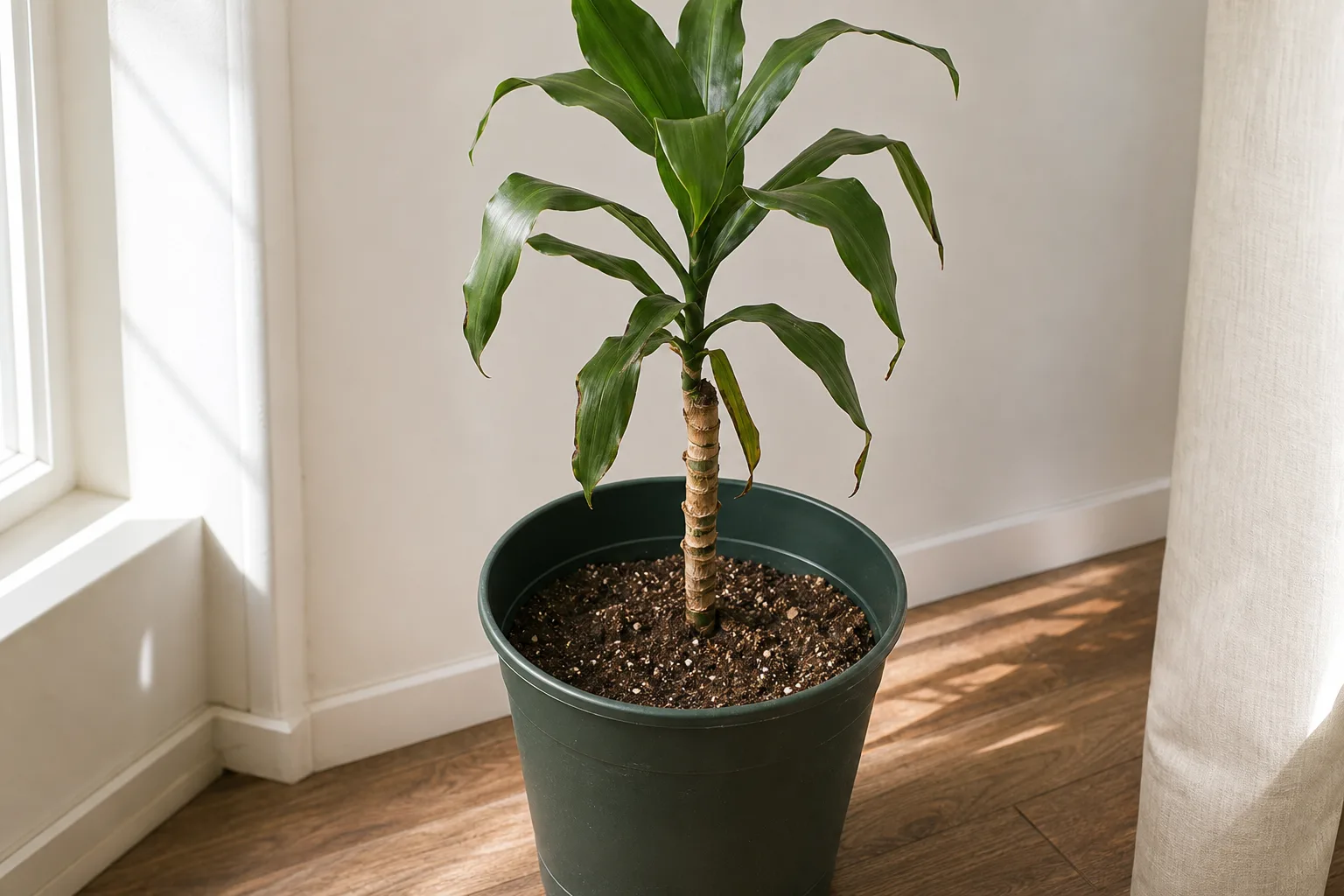
Poor Root Growth on Janet Craig Dracaena: Causes, Checks & Fixes
This guide covers poor root growth on Janet Craig Dracaena. See also the general Poor Root Growth guide, watering, and light pages for this plant.
Poor Root Growth on Janet Craig Dracaena: Causes, Checks & Fixes
Quick answer
Poor root growth on Janet Craig Dracaena (Dracaena fragrans ‘Janet Craig’) means the root system fails to expand-stunted new white tips, propagation cuttings that never anchor, or a tiny root ball supporting a tall cane-not the same as active root rot (mushy brown roots with sour wet mix). Janet Craig is marketed as low-light tolerant, but roots still need oxygen between waterings; chronic soggy mix in dim offices stops root elongation before visible rot.
First step: unpot and inspect root tips. Firm white or tan branching tips mean roots are alive but constrained-address mix, pot size, water rhythm, or fluoride. Brown mushy roots mean rot-switch to the root rot guide.
What poor root growth looks on Janet Craig
- Stalled cane growth - no new leaves for months despite green existing foliage
- Sparse root mass when unpotting-few branches, no fresh white tips
- Propagation failure - cane cuttings sit weeks without callus or roots
- Circling roots in old compacted peat with no new tip development
- Oversized pot - large volume of wet mix around small root ball
- Fluoride/chlorine damage - brown leaf tips on new growth while roots struggle in stale mix
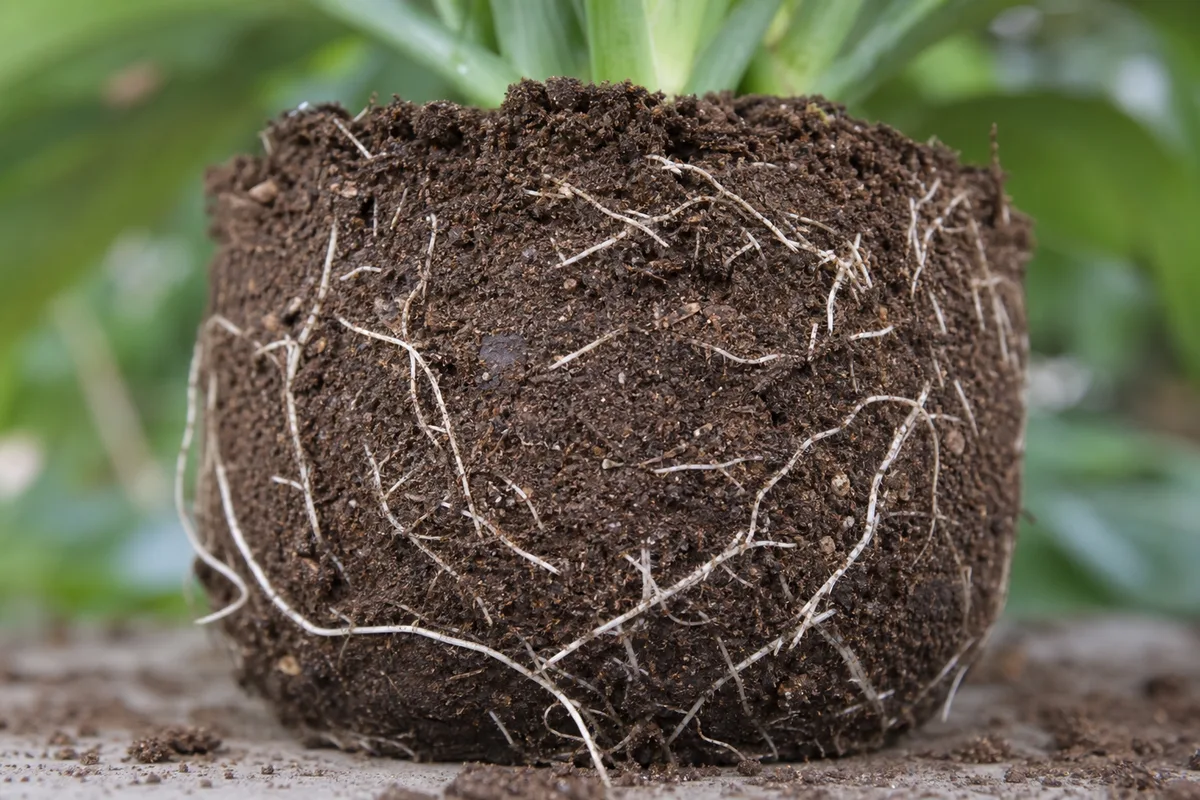
Poor Root Growth symptoms on Janet Craig Dracaena - compare with healthy tissue on the same plant.
Unlike root rot: mix may not smell sour initially; roots are firm but sparse, not slime.
Why Janet Craig roots fail to grow
Compacted, exhausted mix
Old peat breaks down; roots cannot penetrate airless zones. Allow soil to dry between waterings in fresh airy mix.
Oversized pot + low light
Large wet reservoirs in dim offices-roots never explore; growth stalls. Janet Craig tolerates low light but uses minimal water there.
Watering frequency mismatch
Bright-room schedule in a dark corner keeps mix chronically moist-oxygen exclusion stops root tips.
Propagation conditions
Cuttings need warm Janet Craig Dracaena light guide, correct callus, and moist-not-soggy medium. Cold dim propagation stalls rooting-see propagation guide.
Fluoride sensitivity
Dracaena is sensitive to fluoride in tap water-tip burn stresses the plant while root function declines in poor mix.
How to confirm the cause
- Unpot and rinse roots - look for white active tips vs mush
- Mix smell and structure - sour = rot; compacted dry brick = poor growth
- Pot-to-root ratio - cane tall, roots tiny, pot large?
- Watering log vs light level
- Water source - fluoride/chlorine?
- Differentiate from root rot - firm sparse roots vs brown slime
First fix for Janet Craig
If roots are firm but sparse: repot into fresh well-draining mix with perlite in a pot only slightly larger than the root mass-same cane depth. Use fluoride-free water. Match watering to light: every 3–4 weeks minimum in deep shade, top-half dry in brighter rooms.
If propagation won’t root: recut base, callus 24 hours, replant in warm bright indirect spot with moist airy mix-not wet bog.
If mushy roots: follow root rot protocol instead.
Recovery timeline
New white root tips in 2–4 weeks after repot and corrected watering. Cane leaf flush follows 4–8 weeks. Propagation roots in 3–6 weeks under ideal conditions.
Office and low-light environments
Janet Craig is marketed for dim offices, but roots still need oxygen between waterings. A common pattern: the plant sits three meters from a north window, gets watered every Tuesday like a bright-room ficus, and develops a tiny stagnant root ball in a 30 cm pot while the cane stays green for months. No visible rot—just no growth.
Fix the rhythm before upsizing. In deep shade, water every three to four weeks minimum and only when the top half of mix is dry. A smaller pot with fresh perlite-heavy mix often produces new white root tips faster than moving a stalled plant into an even larger container.
Reading root tips during inspection
When you unpot, healthy Janet Craig roots show firm white or tan tips actively branching—like fine hairs at the end of thicker roots. Poor growth shows smooth cut ends from old repots with no new branching, or roots that circle the pot wall without penetrating the center of a compacted peat brick.
Photograph the root ball before repotting if you are unsure. Compare again in four weeks: new white tips at cut surfaces confirm recovery. No change after corrected watering and fresh mix may mean fluoride damage or a pot still too large for the root mass.
Propagation stalls and cane cuttings
Top-heavy Janet Craig canes sometimes get air-layered or stem-cut for propagation. Cuttings that sit in cold, dim corners without callus form no roots for weeks—the cane looks fine above soil while the base rots slightly in wet propagation mix. Warmth (21–24°C / 70–75°F) and bright indirect light per the propagation guide are non-negotiable for rooting.
Recut the base if the cut end looks dark or waterlogged, let it callus 24 hours, and replant in moist—not soggy—airy mix. A rooting hormone is optional; correct moisture and warmth matter more for dracaena cane segments.
What not to do
Do not upsize pot dramatically hoping roots grow into it. Do not water on calendar in dim offices. Do not confuse poor growth with rot and trim healthy firm roots. Do not use straight tap water if tip burn recurs-dracaena fluoride sensitivity.
How to prevent poor root growth next time
Refresh mix every two to three years per repotting guide. Right-size pots. Match water to light per watering guide. Fluoride-free water. Distinguish from root-bound when circling is the only issue.
When to use this page vs other Janet Craig Dracaena guides
- Janet Craig Dracaena watering guide - Use for routine moisture checks before assuming poor root growth is the main issue.
- Janet Craig Dracaena problems hub - Browse all 50 common issues on this species.