How to Propagate Begonia Rex: Complete Guide
How to Propagate Begonia Rex: Complete Guide
How to Propagate Begonia Rex: Complete Guide
What Begonia Rex Propagation Means for Home Growers
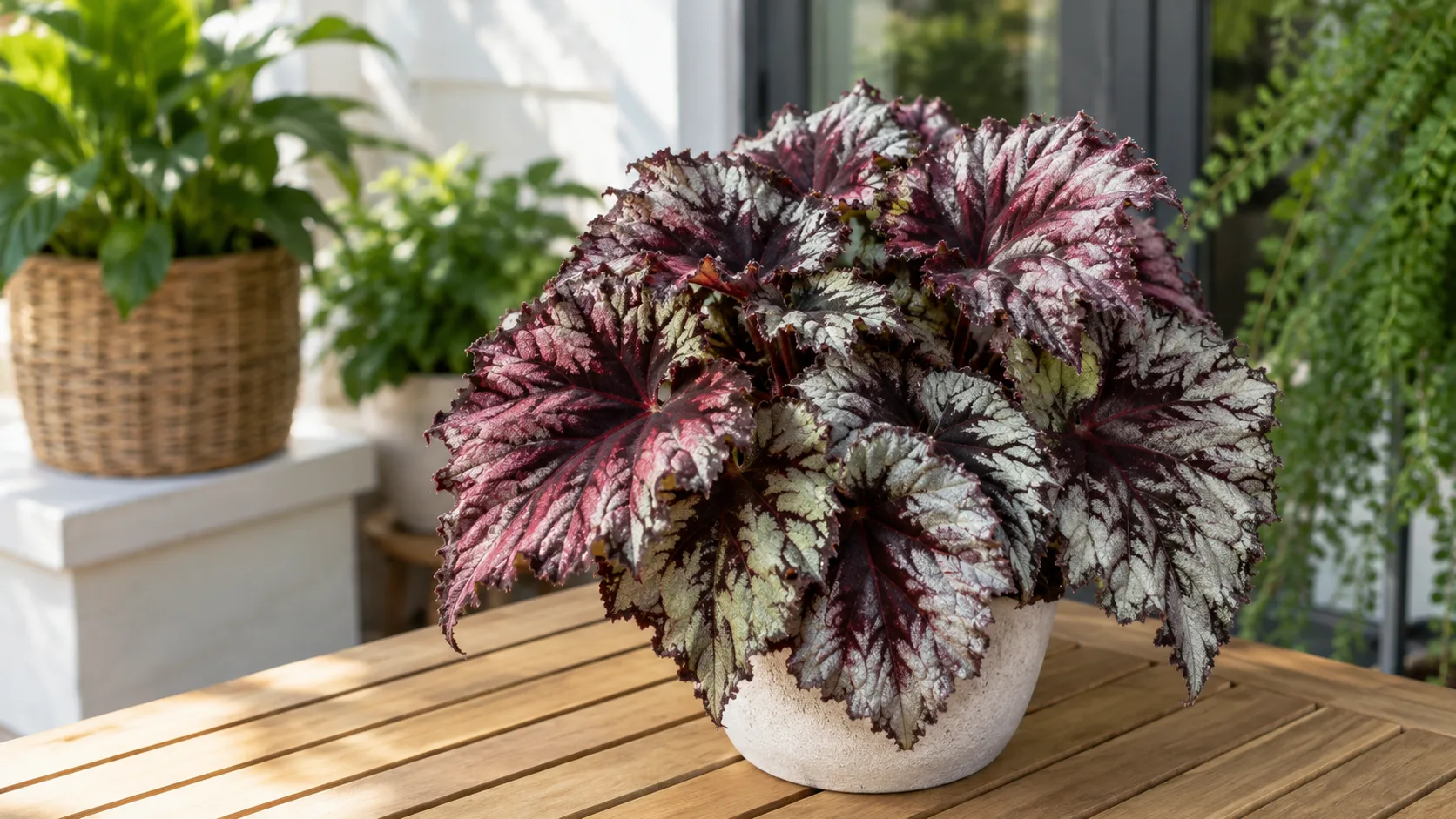
Begonia rex propagation means creating new rex begonia plants from existing plant material rather than buying another pot or starting from seed. For most indoor growers, that means leaf cuttings, leaf wedge cuttings, or rhizome division from a healthy parent plant. Rex begonias belong to the rhizomatous begonia group within the Begonia rex-cultorum hybrid complex, and they are grown almost entirely for their painted, metallic, or stained-glass foliage. The flowers are small and secondary. Propagation is how you multiply a cultivar you love, rescue a favorite before the parent declines, or share a plant with a friend without spending money on a duplicate at the nursery.
Most rex begonias sold today are hybrids and selected cultivars, not a single uniform wild species. That matters because seeds from a rex begonia rarely produce offspring that look like the parent. Missouri Botanical Garden notes that rex begonias are mainly grown indoors in many climates and can be propagated easily by rhizome division during Begonia Rex repotting guide. (Missouri Botanical Garden) For named cultivars, vegetative propagation - cuttings or division - is the reliable way to clone the foliage you already have. The American Begonia Society explains that begonia hybrids are reproduced through propagation because seedlings will not match the parent plant. (American Begonia Society)
The key phrase is “new plants,” not “instant plants.” A rex begonia leaf can stay green for weeks before you see roots or plantlets. A rhizome division may push new growth in two to three weeks under good conditions, but leaf methods often take longer. That timeline is normal. Propagation fails most often when growers treat rex begonias like fast-rooting pothos cuttings, skip humidity control, or start with weak parent material. Once you understand the rhizome and the leaf-vein biology, the process becomes predictable.
Understanding Rhizomatous Growth Before You Cut
Before you cut anything, you need to know what you are cutting. Rex begonias grow from a shallow rhizome - a thickened horizontal stem that sits at or just above the soil surface and sends up leaves on petioles. North Carolina Extension describes rex types as rhizomatous, herbaceous perennials with dense, colorful, variegated foliage. (NC State Extension) The rhizome stores energy, produces adventitious roots along its length, and carries growth points - small raised pinkish nubs where new shoots emerge. That structure explains why rex begonias propagate well from rhizome pieces and why water on the crown is dangerous during rooting and aftercare.
Leaf propagation works because rex begonia leaves contain main veins radiating from the petiole attachment point. When those veins are cut or pressed into moist medium, the plant can form adventitious buds and roots along the damaged vein tissue. Gardening.org describes leaf cuttings for rex and other rhizomatous begonias using the entire flat leaf, a wedge with one major vein per piece, or a cone method where the center of the leaf is removed and the remaining ring is rolled and planted vein-side down. (Gardening.org) The New York Botanical Garden likewise documents leaf and rhizome cuttings for rex begonias propagated in spring. You are not rooting a generic leaf blade. You are triggering regrowth from vascular tissue that still carries the parent’s genetic material.
Why rex begonias root differently than cane or tuberous types
Cane begonias such as Begonia maculata propagate most reliably from stem cuttings with nodes submerged in water or moist mix. Tuberous begonias propagate from tubers or sometimes leaf cuttings with different timing rules. Rex begonias are rhizomatous, so stem-tip cuttings work only when the plant has obvious upright stems with nodes. Many compact rex cultivars are low and rhizome-driven, making leaf and rhizome methods the default choices. Trying to force every rex begonia into a water jar like a tradescantia often produces a rotting petiole and no plantlet because the setup lacks humidity control and the wrong tissue is submerged.
The practical takeaway is simple: match the method to the plant’s architecture. A bushy rex with a visible spreading rhizome is a candidate for division during repot. A healthy mature leaf with a firm petiole is a candidate for petiole or wedge propagation. An upright stem with nodes is a secondary option, not the main rex begonia story. Understanding that distinction saves you from copying cane begonia tutorials that do not translate to painted-leaf rhizomatous plants.
Choosing the Best Propagation Method for Your Plant
The three main home methods for begonia rex propagation are leaf petiole cuttings, leaf wedge or whole-leaf cuttings, and rhizome division. Each has a different speed profile, skill demand, and equipment need. Rhizome division is usually the fastest and most reliable method when the parent plant is large enough to split. You get a rooted section with an established growth point rather than waiting for a leaf to invent a new plant from scratch. Missouri Botanical Garden specifically recommends rhizome division during repotting as an easy propagation route. (Missouri Botanical Garden)
Leaf petiole cuttings are the classic rex begonia method taught by growers and specialty nurseries. You remove a leaf with several inches of petiole attached, insert the petiole into moist medium, and wait for plantlets to emerge near the buried base. The New York Botanical Garden documents leaf petiole cuttings for rex begonias propagated in spring under warm, humid, bright conditions. It is ideal when you want more plants without disturbing the parent’s rhizome or when the plant is still too small to divide.
Leaf wedge and whole-leaf methods multiply output from a single leaf. By severing main veins and pressing leaf sections vein-side into medium, you can coax multiple plantlets from one leaf. Gardening.org outlines wedge propagation by cutting the leaf into pieces with one major vein each and planting them severed-vein down. (Gardening.org) This method suits experienced growers who want several babies from one sacrifice leaf, but it demands stricter humidity control and more patience than a single petiole cutting.
| Method | Best when | Speed | Difficulty | Output per attempt |
|---|---|---|---|---|
| Rhizome division | Parent is crowded, repotting anyway | Fastest (2–4 weeks to visible growth) | Low to moderate | 2–4+ plants from one parent |
| Leaf petiole cutting | Parent too small to divide; minimal disturbance wanted | Moderate (4–12+ weeks) | Low | Usually 1–3 plantlets |
| Leaf wedge / whole leaf | You want maximum plants from one leaf | Slowest (6–14+ weeks) | Moderate to high | Potentially many plantlets |
If you are a beginner with one healthy rex begonia, start with rhizome division at the next spring repot if the plant is big enough, or a single petiole cutting if it is not. Save wedge propagation for when you are comfortable managing humidity domes and waiting without disturbing the setup.
When to Propagate Begonia Rex for the Highest Success Rate
The best time to propagate rex begonias is during active growth in spring and early summer, when light levels, temperatures, and the parent’s metabolism support rooting. North Carolina Extension and Missouri Botanical Garden both tie strongest rex begonia performance to warm-season growth rather than winter slowdown. (NC State Extension, Missouri Botanical Garden) In practical home terms, March through June in the Northern Hemisphere is the sweet spot for most growers. The plant is pushing new leaves, the rhizome is firm, and ambient humidity in many homes is less punishing than mid-winter heating season.
Timing is not only about the calendar. It is about parent condition. Propagate when the plant shows firm new growth, stable color, and no active pest infestation. Avoid taking cuttings immediately after shipping, repotting shock, a bout of crown rot, or a severe dehydration event. A rex begonia that just dropped half its leaves in a cold draft is sending a stress signal, not an invitation to propagate. Wait until new growth resumes and the rhizome feels firm at the soil surface.
Late summer can work if your home stays warm and humid, but rooting slows as day length drops. Winter propagation is possible under grow lights and a humidifier, but success rates fall because rex begonias often enter a partial dormancy in dim, cool conditions. Missouri Botanical Garden notes that many cultivars stop growing in fall or winter unless grown under lights, and some may drop leaves seasonally. (Missouri Botanical Garden) If you propagate in winter, treat it as an advanced project with supplemental light and stable warmth near 65–75°F (18–24°C), not as the default beginner path.
What You Need Before Starting Propagation
You do not need a greenhouse to propagate rex begonias, but you do need a clean workflow and a humidity-stable setup. At minimum, gather a healthy parent plant, sharp clean snips or a razor blade, small pots or trays with drainage, a suitable rooting medium, room-temperature water, labels, and a clear humidity cover. Optional but useful items include rooting hormone powder, a spray bottle for misting the medium surface only, and a small heat mat if your propagation area runs cool.
The parent plant is the most important supply. Choose a rex begonia with firm leaves, clean undersides, and no mushy rhizome. Inspect for mealybugs, spider mites, and fungus gnats before you cut. Pests and pathogens travel with propagation material into a humid enclosure where they thrive. If you see white cottony clusters, stippling, or fine webbing, treat the parent first or take material only from a clearly clean section after isolation.
Containers, medium, humidity covers, and clean tools
Use small containers for leaf cuttings - 3- to 4-inch pots, seedling cells, or shallow propagation trays with drainage holes. Oversized pots hold too much wet medium around a single petiole and invite rot. For rhizome divisions, choose a pot only slightly wider than the section you are planting, favoring shallow pots because rex rhizomes spread horizontally.
The best rooting medium for rex begonias is light, airy, evenly moist, and fast-draining. Good options include straight perlite, a 50/50 perlite and peat-free potting mix, vermiculite, fine orchid bark blends, or moist sphagnum moss layered over perlite. The medium should feel like a wrung-out sponge when you squeeze it - damp, not dripping, not dusty dry. Heavy garden soil and dense peat blocks are poor choices because they compact, stay waterlogged, and suffocate developing roots.
Humidity control is non-negotiable for leaf methods. A clear plastic bag, propagation dome, or lidded bin with ventilation holes keeps leaf tissue from desiccating while roots form. The cover should not press the leaf flat against wet medium. Prop it with stakes or chopsticks if needed. Open the cover briefly every few days for air exchange and inspect for mold. Heavy daily condensation on the inside of the dome means the setup may be too wet.
Tools must be sharp and sterile. A crushed petiole is more likely to rot than a clean angled cut. Wash snips with soap and water, wipe with rubbing alcohol, or flame-sterilize a razor for wedge work. Label each pot with the date and cultivar name if you know it. Rex leaves look identical for months during propagation, and collections become confusing fast.
How to Propagate Begonia Rex from Leaf Petiole Cuttings
Leaf petiole cuttings are the most approachable rex begonia propagation method for beginners. You are rooting the leaf stem - the petiole - while keeping most of the leaf blade above the medium to photosynthesize and feed the developing plantlets. The new plants usually emerge from tissue near the buried cut end of the petiole, not from the leaf tip.
Start by selecting a healthy mature leaf from the middle of the plant. Avoid the tiny newest center leaf and the oldest declining leaf at the bottom. The best leaf is fully expanded, richly colored for the cultivar, and attached to a firm petiole at least 2 to 4 inches (5 to 10 centimeters) long. New York Botanical Garden propagation guidance recommends choosing a healthy leaf and keeping enough petiole intact for rooting in moist medium.
Remove the leaf cleanly with sharp snips, leaving the petiole attached. Trim the petiole base to a fresh angled cut if the initial break was ragged. Optional rooting hormone can help but is not required for most rex begonias. If you use powder, dip the cut end briefly and tap off excess. A heavy hormone coating holds moisture against the stem and can work against you.
Fill a small pot with pre-moistened medium and make a narrow hole with a pencil or chopstick. Insert the petiole so the cut end is buried roughly 1 to 2 inches (2.5 to 5 centimeters) deep, while the leaf blade sits mostly above the surface. The leaf should not rest flat on wet soil - contact between the upper leaf surface and soggy medium encourages disease. Firm the medium gently around the petiole without crushing it.
Place the pot in Begonia Rex light guide at roughly 70–75°F (21–24°C) if possible. Cover loosely with a clear bag or dome to raise humidity, leaving some airflow. Keep the medium evenly moist but never soaking. Water lightly when the top layer approaches dry. Do not flood the pot daily out of impatience.
Over the next several weeks, the leaf may remain green and unchanged while roots and tiny plantlets form underground. Resist pulling the petiole to check progress. Disturbing a forming root system is one of the fastest ways to reset the clock. Success looks like new tiny leaves emerging near the soil surface at the petiole base, or firm resistance when you give the petiole the gentlest tug after eight or more weeks. Once individual plantlets have at least two small leaves, you can separate them carefully into their own small pots or leave them clustered if you prefer a fuller starter plant.
Leaf Wedge and Whole-Leaf Propagation Methods
Leaf wedge propagation lets you produce multiple rex begonia plantlets from a single leaf. It is more labor-intensive than a petiole cutting but rewarding when you want several offspring without dividing the parent rhizome. Gardening.org describes the process: select a healthy leaf, identify the main veins radiating from the attachment point, and either break or cut those veins partway between the leaf edge and center so new plants can form along the damaged tissue. (Gardening.org)
For wedge cuttings, remove the central portion of the leaf, severing the main veins in the process. Cut or tear the remaining leaf into triangular sections, each containing one major vein. Plant each wedge with the severed vein pressed into moist medium, using a small stone, toothpick, or bent paper clip to hold the vein in contact with the soil surface. The upper leaf surface should face up, not buried.
For whole-leaf flat propagation, flip the leaf upside down, partially break or snip the main veins midway from edge to center, then place the leaf right-side up on moist medium and press it gently so the broken veins touch the surface. Weight the leaf lightly so it does not curl away from the medium as it dries.
For the cone method, cut around the leaf halfway between the petiole and the outer edge, removing the center and breaking central veins. Roll the remaining ring into a loose cone with the original upper surface on the inside, plant it cut-side down, and firm medium around the base so severed veins are covered. This method is fiddly indoors but can produce plantlets around the cone base.
All leaf-surface methods need higher humidity discipline than petiole cuttings because more leaf tissue is exposed. Use a clear cover, bright indirect light, and a medium that stays moist but not swampy. Mold on the leaf surface is a sign to open the cover, reduce watering slightly, and improve airflow. Plantlets may appear as small bumps along veins over six to fourteen weeks, depending on warmth, light, and cultivar vigor. Do not discard the trimmed leaf centers with short petiole stubs - Gardening.org notes these can also be stuck into medium like mini petiole cuttings and sometimes root. (Gardening.org)
How to Propagate Begonia Rex by Rhizome Division
Rhizome division is the fastest, most dependable way to propagate a mature rex begonia. You are not waiting for a leaf to regenerate a plant. You are splitting an existing stem-and-root system that already knows how to grow. Missouri Botanical Garden lists rhizome division during repotting as an easy propagation method for rex begonias, and you can root the rhizome cutting to grow another plant.
Water the parent plant a day before dividing so the root ball stays intact. Tip the pot gently and brush away old mix from the rhizome without tearing healthy roots. You should see a horizontal rhizome with leaves emerging upward and roots descending below. Look for natural seams where the rhizome branches or where two crown clusters have formed. Each division needs at least one growth point - a pinkish raised nub or active shoot - and preferably some attached roots.
Dividing during repot without killing the rhizome
Cut between natural sections using a clean, sharp knife or snips. Pieces can be as short as 1 to 2 inches (2.5 to 5 centimeters) of rhizome if they carry a viable growth point, though slightly larger sections recover faster. If a section has an attached leaf, that is fine. Do not bury the rhizome deep. Plant it with the top of the rhizome at or just below the soil surface, matching how the parent grew. Burying the crown is a common post-division failure that leads to rot within days.
Fill shallow pots with fresh, well-draining mix - for example, two parts houseplant potting mix, one part perlite, and one part orchid bark. Set each division in its pot, firm the mix lightly, and water to settle. Keep the plants in bright indirect light with 50 percent or higher relative humidity for the first two weeks. Hold fertilizer until new growth is obvious. Divisions often show new leaves within two to four weeks in spring, faster than leaf cuttings because the growth point is already present.
If a division wilts slightly after potting but the rhizome remains firm, reduce direct handling, keep humidity stable, and avoid overwatering on Begonia Rex. A division with a soft, sour-smelling rhizome needs trimming back to firm tissue and repotting into fresh dry-ish mix before re-watering.
Water vs Soil: Where Each Method Works Best
Soil or soilless mix is the standard recommendation for rex begonia propagation because roots form in the medium where the plant will live, and plantlets emerge directly at the soil surface. Petiole cuttings, wedges, and rhizome divisions all root more predictably in moist perlite, perlite-mix blends, or sphagnum over perlite than in arbitrary heavy potting soil.
Water propagation works for some begonia types with submerged nodes, but it is a secondary option for rex begonias. You can root a petiole in water by suspending the leaf above a small glass so only the cut stem touches water and the blade stays dry, similar to African violet water rooting. Roots may appear in a few weeks, but water roots are fragile and the transition to potting mix can shock the young plant. Water propagation also provides no advantage for rhizome divisions and is inappropriate for wedge leaves that need vein contact with solid medium.
A practical rule: use soilless mix propagation when you want stronger plantlets and fewer transplant setbacks. Use water rooting for petioles only when you are experimenting, teaching a beginner who needs visible roots, or salvaging a petiole after a failed soil attempt. Never submerge rex begonia leaf blades in water. Never leave rhizome sections floating. If your tap water is heavily chlorinated and water rooting stalls, try filtered water or switch to perlite.
Rooting Setup: Light, Humidity, and Temperature
Rex begonia cuttings and divisions need bright indirect light, warm stable temperatures, and elevated humidity while they establish. Think of the setup as a short-term nursery, not a dark closet or a full-sun windowsill. Bright indirect light powers photosynthesis in the remaining leaf tissue without scorching it. A shelf near an east-facing window, a few feet back from a south-facing window, or a position under a full-spectrum grow light for 12 to 14 hours daily all work. Direct sun through glass can cook a covered propagation container in hours.
Temperatures around 65–75°F (18–24°C) support the fastest rooting. Bottom heat near 70–75°F (21–24°C) from a propagation mat can help in cool homes, but overheating a sealed dome above 80°F (27°C) encourages mold and collapse. Keep propagations away from air-conditioning vents, drafty winter windows, and radiator blasts.
Humidity is the variable beginners underestimate most. Rex begonia leaves lose water quickly in heated indoor air. Aim for 50 to 70 percent relative humidity around the propagation container during leaf methods. A loose clear cover, propagation box, or small humidifier nearby is more reliable than misting the leaf daily. Misting leaves directly can encourage botrytis and bacterial spotting, especially when droplets sit on foliage overnight. If you mist at all, mist the medium surface lightly when it dries, not the leaf face.
Air exchange matters as much as humidity. A completely sealed wet container without ventilation breeds mold. Open the cover every two to three days for a few minutes, wipe excess condensation if needed, and confirm the medium smells earthy rather than sour. Good airflow plus moist - not saturated - medium is the balance rex propagation demands.
Aftercare for New Begonia Rex Plants
Aftercare begins the moment you see firm new growth or a rooted division pushing leaves, not the moment you first pot the cutting. Young rex begonias are more fragile than mature plants. They have smaller root systems, thinner leaves, and less tolerance for crown wetness, drought swings, and fertilizer salts. Treat the first four to eight weeks after separation or obvious rooting as a stabilization phase.
Pot young plantlets into small shallow containers with the same well-draining mix you use for adult rex begonias. A 3-inch pot is enough for a single baby with two or three leaves. Bury the rhizome or petiole base at the correct depth - growth point near the surface, not buried. Water thoroughly once, let excess drain, and empty any saucer. After that, water when the top centimeter of mix dries, using room-temperature water aimed at the soil surface or bottom watering with the pot lifted out of standing water once the mix has absorbed moisture.
Hold fertilizer for at least four weeks after potting young propagations. Missouri Botanical Garden recommends quarter-strength feeding only during active growth on established plants, not on stressed starters. (Missouri Botanical Garden) New roots do not need salt pressure while they are expanding. When you do feed, use a balanced houseplant fertilizer at one-quarter label strength every two to four weeks during spring and summer only.
Keep humidity at or above 50 percent for juveniles, especially if your home air is dry. A pebble tray or small humidifier nearby helps more than relocating the baby to a bathroom with fluctuating steam. Light should remain bright and indirect. As the plant fills its small pot and roots reach the drainage holes, step up one pot size in width - not a huge jump - and resume normal rex begonia care for watering, humidity, and grooming. Remove any yellow or moldy leftover propagation leaves promptly so they do not decay on the soil surface.
How Long Propagation Takes and What Success Looks Like
Begonia rex propagation timelines vary by method, season, and home conditions more than by gardener enthusiasm. Rhizome divisions are the fastest route. Under warm spring conditions with good humidity and bright indirect light, you may see new leaves in two to four weeks. New York Botanical Garden notes that rhizome and leaf cuttings can take weeks under warm, humid propagation conditions.
Leaf petiole cuttings usually need several weeks to a few months before you see obvious plantlets at the soil surface, and longer before those plantlets are large enough to separate. New York Botanical Garden notes that rhizome and leaf cuttings can take weeks under warm, humid propagation conditions. Some cultivars root faster; others sit unchanged for weeks and then surprise you with a cluster of babies.
Leaf wedge and whole-leaf methods are the slowest. Expect six to fourteen weeks or more before vein-linked plantlets are large enough to pot individually. Cool temperatures, low light, and dry air push timelines toward the long end. Warmth without overheating, consistent humidity, and patience shorten them.
Success is not merely a green leaf. Success is firm white or tan roots, new leaves with the parent’s general color pattern, and a firm rhizome or petiole base without mush. A cutting that stays green for months with no roots or plantlets is stalled, not successful. A division that wilts once then firms up and pushes centered growth is on track. Label pots with the start date so you judge progress against realistic clocks instead of checking daily.
Common Propagation Mistakes and How to Avoid Them
The most common rex begonia propagation mistake is starting with weak parent material. A plant recovering from crown rot, severe underwatering on Begonia Rex, or pest damage does not have the reserves to fuel successful cuttings. Stabilize the parent or take material only from a clearly healthy section after treatment.
The second mistake is overwatering the propagation medium. Wet, airless mix rotting a petiole looks like bad luck; it is physics. Rex tissue needs moisture and oxygen simultaneously. Use airy medium, drainage holes, and water only when the upper layer approaches dry. If the medium smells sour, restart with fresh mix and cleaner material.
The third mistake is low humidity during leaf methods. A petiole in dry household air may callus without rooting, or the leaf may crisp at the edges and abort. Use a humidity cover, humidifier, or propagation box. Do not rely on occasional misting as a humidity strategy.
The fourth mistake is burying rhizomes or crowns too deep after division or potting plantlets. Rex begonias evolved with shallow rhizomes. Deep planting suffocates growth points and invites rot within days.
The fifth mistake is frequent disturbance. Pulling cuttings to inspect roots, removing covers daily out of anxiety, or repotting too early breaks fragile new roots. Trust labeled dates and visible new growth more than daily poking.
The sixth mistake is propagating during active pest or disease outbreaks. Mealybugs, mites, botrytis, and bacterial leaf spot all spread enthusiastically in humid propagation enclosures. Clean parents, sterile tools, and quarantine of new propagations for two to three weeks protect your wider collection.
Troubleshooting Failed or Slow Cuttings
If a petiole turns mushy at the base, the medium was too wet, the cut was crushed, or the parent leaf was already declining. Remove the failed cutting, discard sour medium, sterilize the pot, and restart with a fresher leaf and drier airy perlite. If only the tip is soft, sometimes trimming back to firm tissue and rerooting in fresh medium works, but rex petioles are short - often better to start over.
If a leaf stays green but nothing happens for many weeks, check temperature, light, and humidity first. Move the propagation to brighter indirect light, add a humidity cover, and confirm night temperatures are not dropping below 60°F (15°C). If all conditions are good, waiting longer is normal for some cultivars. If the leaf begins yellowing or wilting despite moist medium, the petiole may be rotting underground - gently uncover the base and inspect.
If mold appears on the medium or leaf, open the cover, improve airflow, reduce watering slightly, and wipe visible mold with a dry paper towel. Persistent mold means the setup is too wet or too sealed. Adjust before the mold invades vein tissue.
If a rhizome division collapses, check planting depth and crown moisture. A firm rhizome planted too deep may rot. An underwatered division in very dry air may wilt leaves without root failure. Match watering to the reduced leaf mass - evenly moist mix, not a swamp, not bone dry for weeks.
If plantlets are tiny but numerous, leave them clustered until each has enough leaf area to survive separation, or pot the largest two or three and discard weaklings if you lack space. Separating microscopic plantlets too early is a common reason young rex begonias die in the first month.
When Not to Propagate Your Rex Begonia
Propagation is a backup and multiplication tool, not a rescue cure. Do not propagate as your first response to every rex begonia problem. If the plant has active crown rot, stabilize by trimming mushy rhizome tissue, repotting into fresh airy mix, and correcting watering before you take cuttings. If pests are widespread, treat the parent and environment first. If the plant just arrived from shipping, let it acclimate two to three weeks before you remove leaves or divide rhizomes.
Do not propagate purely because a rex begonia dropped leaves in winter dormancy. Missouri Botanical Garden notes that leaf loss in cool, dim seasons can be a normal slowdown if the rhizome remains firm. (Missouri Botanical Garden) Wait for spring growth rather than hacking apart a resting plant.
Do not divide a rhizome that is smaller than your thumb unless you are down to a last-rescue scenario. Tiny plants recover faster from one petiole cutting than from being split into sections without reserves. Do not take so many leaves that the parent cannot photosynthesize. One or two propagation leaves from a medium-sized plant is enough. Divisions are kinder to the parent’s appearance than stripping multiple foliage leaves at once.
Conclusion
Propagating Begonia Rex is one of the most rewarding projects in indoor foliage gardening because a single healthy leaf or a modest rhizome section can become a new painted-leaf plant with the same cultivar character you already admire. The process is not instant, and it is not identical to propagating cane begonias or generic stem cuttings in water. Rex begonias are rhizomatous plants that root from petioles, leaf veins, and rhizome growth points under warm, humid, bright conditions.
Choose rhizome division when the parent is large enough and you want the fastest rooted result. Choose leaf petiole cuttings when you want minimal disturbance and a straightforward beginner path. Choose wedge methods when you are ready to manage humidity carefully and wait for multiple plantlets from one leaf. Start in spring or early summer with clean tools, airy moist medium, and a healthy parent. Keep the crown dry, the humidity steady, and your hands mostly off the pot while roots form. When new growth is firm, transition juveniles into small shallow pots and normal rex aftercare - light Begonia Rex watering guide, 50 percent or higher humidity, bright indirect light, and delayed fertilizer. If you match the method to the plant’s structure and respect the timeline, rex begonia propagation stops feeling like guesswork and starts feeling like a reliable way to expand a collection worth keeping.
When to use this page vs other Begonia Rex guides
- Begonia Rex overview - Start here for whole-plant context before deep-diving this topic.
- Begonia Rex problems hub - Jump to symptom-specific fix guides when this care topic does not resolve the issue.
Related Begonia Rex guides
- Begonia Rex overview
- Begonia Rex watering
- Begonia Rex light
- Begonia Rex soil
- Begonia Rex fertilizer
- Begonia Rex repotting
- Begonia Rex problems
Related tool
Try the Propagation Success Calculator with begonia-rex pre-selected to estimate needs for your setup.