Begonia Maculata Pruning: When, Where & What to Cut
Begonia Maculata Pruning: When, Where & What to Cut
Begonia Maculata Pruning: When, Where & What to Cut
Quick Answer
First, remove only dead, damaged, or clearly diseased leaves and stems with clean sharp scissors, cutting one-quarter to one-half inch above the nearest healthy node. Once the plant is clean, decide whether it needs light tip pinching (for prevention) or a hard cutback on bare canes (for correction). Time structural pruning for late winter through early summer when Begonia maculata is actively growing, and limit live-tissue removal to one-third of the plant per session.
How Cane Begonias Grow - and Why Pruning Matters
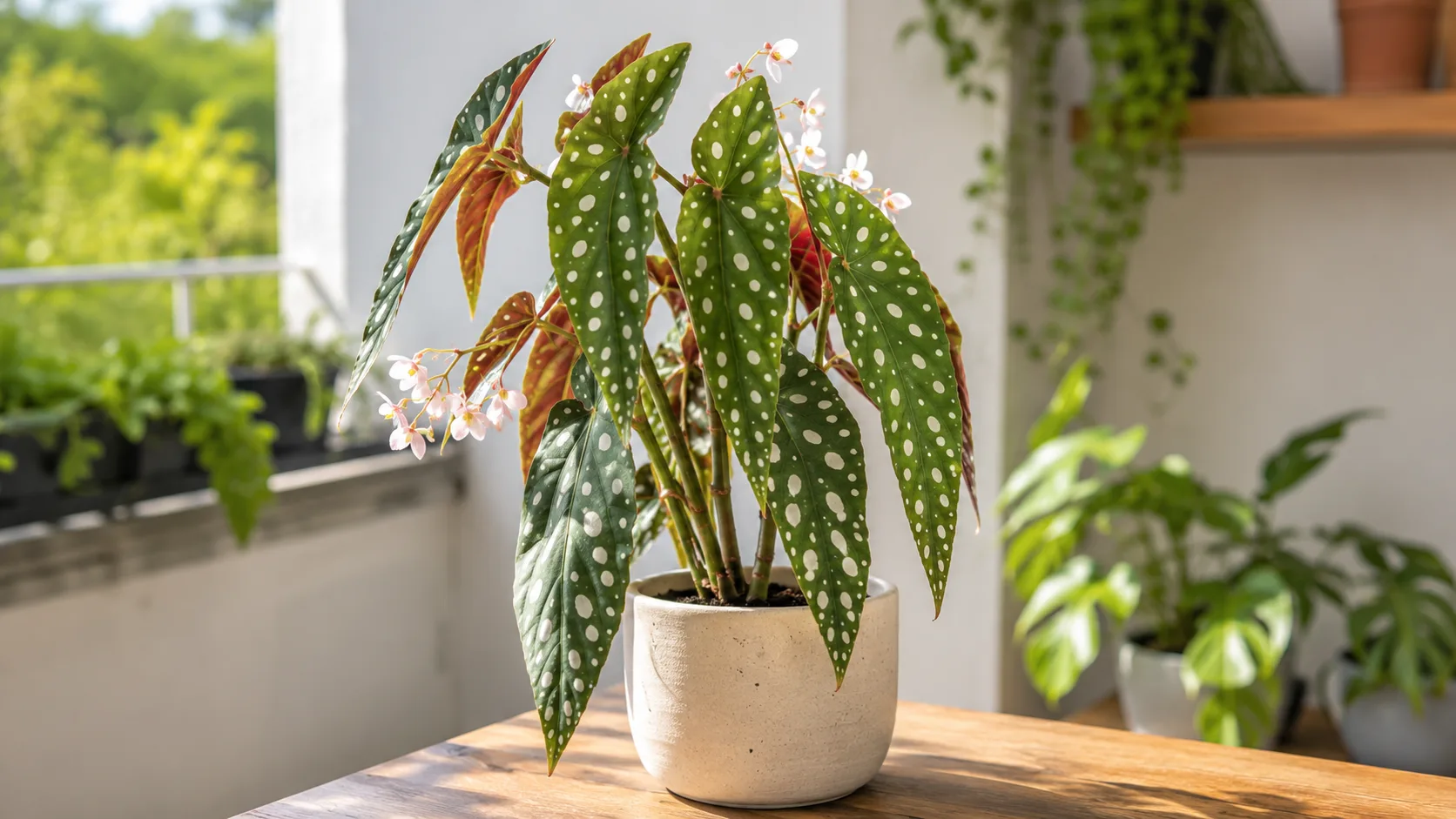
Polka dot begonia grows as an upright cane begonia - segmented stems with swollen nodes that resemble bamboo, wing-shaped spotted leaves, and clusters of white to pink flowers in summer. NC State Extension describes cane types as usually unbranched upright stems that reach 1 to 3 feet indoors, noting that Begonia maculata typically grows 2 to 3 feet tall with elongated spotted leaves. Left alone, each cane extends from a terminal bud at the tip while side buds stay quiet - the classic “stick with a leaf tuft on top” look.
Pruning interrupts that upward stretch. Removing the growing tip above a node breaks apical dominance and redirects energy to dormant buds beside lower leaf scars, often producing two or more new shoots where one stem existed. NC State Extension recommends pinching the tips to promote new growth and keep the plant contained. For indoor growers, that translates to a fuller silhouette with leaves distributed along more of the stem, easier pest inspection, and healthy tip material for propagation.
Pruning does not replace good care. A leggy plant in dim light will stretch again after you cut. Soggy roots from overwatering on Begonia Maculata will not heal because you removed yellow leaves. Treat scissors as one tool alongside Begonia Maculata light guide, even moisture, and adequate humidity - the conditions this Brazilian forest understory plant expects.
Why Polka Dot Begonias Get Leggy
Legginess is part biology, part placement. While the terminal bud keeps extending, internodes - the smooth sections between nodes - elongate. In strong filtered light, internodes stay relatively short and spotting stays vivid. In low light, the plant reaches toward the window, internodes stretch, new leaves shrink, and the lower cane goes bare. Staking prevents tipping but does not create branches; only node-based cuts plus brighter light fix bare lower stems.
The American Begonia Society notes that cane-type begonias benefit from judicious tip pinching during the growing season to keep vigorous canes in bounds and encourage new basal growth. That is why waiting until the plant hits the ceiling makes recovery slower than starting tip pinches while it is still young and bushy.
What to Inspect Before You Cut
Walk the plant before touching tools. Note which canes are tallest, where internodes are bare, whether any stems feel soft at the base, and if leaf undersides show mealybugs, spider mites, or powdery white mildew patches. Check whether the pot dries at a normal pace - soil that stays wet for weeks suggests root stress, and heavy pruning on a struggling root system removes leaves the plant needs to recover.
Rotate the pot and look from all sides. Most pruning mistakes happen when you cut from one angle without seeing the node on the far side of the cane. If multiple problems stack up - pests plus rot plus extreme legginess - handle sanitation first (remove clearly infected or mushy tissue), treat what remains, stabilize watering and light, then plan cosmetic shaping once new growth looks firm.
When to Prune Begonia Maculata
Think in two categories. Maintenance grooming - yellow leaves that detach easily, spent flower clusters, light tip pinches - can happen in small amounts whenever you see the need during warm months. Structural pruning - shortening bare canes, reducing overall height, rebalancing a lopsided plant - should align with active growth so wounds heal quickly and buds break within days rather than weeks.
Dead or diseased tissue is the exception: remove it immediately, regardless of season. That is sanitation, not shaping, and leaving mushy or pest-coated stems in place causes more harm than an out-of-season trim.
Best Season for Structural Cuts
The main window for begonia maculata pruning is late winter through early summer - roughly February through June in the Northern Hemisphere, adjusted to your plant’s behavior. The American Begonia Society advises pruning cane begonias in early spring as growth resumes, and recommends pruning and pinching before flowering in late spring through summer so you do not remove developing bloom clusters.
Signs the plant is ready: new leaves opening regularly, soil drying steadily, internodes staying short. During this phase, tip pinching every two to four weeks prevents the need for dramatic rescue cuts later. Light grooming can continue into early fall in warm bright homes, but avoid heavy reshaping after growth slows.
When Not to Prune
Skip major live-tissue removal when the plant is recently repotted, wilting from underwatering on Begonia Maculata, showing mushy stem bases, or sitting in a dim winter corner. A hard winter cut on a cold, wet, low-light plant is a common reason cut ends blacken and no new shoots appear until spring. If you already pruned aggressively out of season, stop cutting - stabilize light and moisture and wait.
Do not prune as a substitute for moving the plant to brighter partial shade light. NC State Extension lists partial shade and high humidity as optimal for cane types; without enough light, regrowth simply re-stretches.
The First Cut to Make
Remove dead, damaged, or diseased tissue first - and only that - before any shaping decision. Trace brown or black stems downward until you reach firm green cane, then cut one-quarter inch above the next healthy node below the damage. Pull yellow leaves that release with almost no tug; leave partially green leaves that still photosynthesize until they finish yellowing.
This single sanitation pass tells you what is actually alive. Sometimes a plant looks hopeless because of a few bad leaves, and a light cleanup is enough. Other times you uncover rot traveling toward the soil line - a signal to inspect roots before shortening healthy tips.
Where to Cut on Cane Stems
Every meaningful cut targets a node - the slightly swollen joint where a leaf attaches and where roots form on cuttings. The smooth section between nodes is the internode. Small dormant buds sit in the angle beside each leaf scar; cut above the node correctly and those buds usually break into new branches.
Place the blade one-quarter to one-half inch (6–12 mm) above a healthy node, not through the node and not mid-internode. A mid-internode slice leaves a stub that dies back slowly and may never branch. Cutting flush through the node damages the bud cluster you need.
Run your finger along the cane: nodes feel thicker and may show a ring scar from an old leaf. On vigorous stems, tiny green bumps sometimes swell before shoots appear - ideal reference points. Avoid nodes where the leaf is yellowing or the stem feels pinched; cut above the last clearly healthy node instead.
How to Prune Begonia Maculata Step by Step
Once sanitation is done and the season is right, follow this sequence for maintenance or corrective work:
- Inspect and plan - identify which canes get a light pinch versus a lower cutback; step back to check balance from all sides.
- Sterilize blades with rubbing alcohol and let them dry briefly.
- Cut one cane at a time, slicing one-quarter to one-half inch above the chosen node.
- Pause after major cuts to reassess symmetry; stop when you reach the one-third live-tissue limit.
- Return the plant to bright indirect light, water when the top inch of soil is dry, and set aside healthy tips for propagation if desired.
Tip Pinching for Routine Fullness
Tip pinching is the highest-leverage habit for keeping polka dot begonia full without surgery. Every two to four weeks during spring and summer, remove the top 1 to 2 inches (2.5–5 cm) of each dominant cane, just above a leaf node. Use fingernails on soft young tips or snips on firmer stems. You remove the terminal bud while leaving side buds intact below.
Start when the plant is young - not after it becomes a ceiling-high wand. If several canes need attention, rotate which tips you pinch each session rather than scalping every cane the same day. Skip stems that already show fresh side shoots emerging; those are the branches you waited for.
Hard Cutbacks for Bare Canes
When a cane carries 30 cm (12 inches) or more of bare internode with leaves only at the tip, pinching is not enough. Hard cutback shortens the cane to a lower node that still has at least one healthy leaf or visible bud - or, in extreme cases, near the soil line if the upper cane is woody and leafless.
The American Begonia Society emphasizes that stem sections need intact nodes to root and branch; the same node logic governs parent-plant cuts. Stage aggressive reshaping over two or three sessions spaced two to three weeks apart if you need more than one-third total reduction. Cut the worst cane first, wait for new shoots, then trim the next.
How Much You Can Safely Remove
The practical safety limit: no more than one-third of live foliage and stem length combined in one session. Leaves are the plant’s energy factory; stripping too much at once - especially outside active growth - leads to leaf drop, stalled shoots, or dieback traveling down the cane.
Dead tissue does not count toward the limit. You can remove all clearly dead or diseased material in one pass. When in doubt, cut less, wait ten days, and look for bud swell before continuing. A struggling plant with yellowing lower leaves, Begonia Maculata repotting guide shock, or suspected root rot on Begonia Maculata should receive minimal pruning until vigor returns.
Removing Dead, Yellow, and Diseased Growth
Remove failing tissue whenever you see it. A crisp brown leaf, a snapped stem, or a cane blackening from rot should go promptly. For powdery mildew in stagnant humid air, strip the worst-coated leaves first, sterilize tools between cuts, improve airflow, and treat remaining foliage before cosmetic shaping. For mealybugs clustered at leaf axils, dab pests with alcohol on a cotton swab, then prune only stems that stay heavily infested after treatment.
Spent flower clusters can be snipped once blooms fade - cut to the first healthy node below the flower stalk unless side shoots are already emerging from that section. Single lower leaves yellowing slowly are often normal aging on an upward-growing cane; remove them when mostly yellow and easy to detach. Multiple leaves yellowing at once with wet soil and a soft base point to overwatering or root rot - diagnose roots before stripping half the plant.
Tools and Handling Safety
Use sharp bypass pruners, garden snips, or clean kitchen scissors on thin canes. Dull or anvil-style blades crush fleshy begonia tissue and leave ragged wounds that brown slowly. Wipe blades with rubbing alcohol before starting and between plants if any collection member recently had fungus, rot, or pests. No wound sealants - open clean cuts heal best in bright airy conditions.
Begonia maculata is toxic to cats and dogs. The ASPCA lists Begonia spp. with soluble calcium oxalates as the toxic principle; ingestion can cause vomiting and salivation in pets. NC State Extension notes low poison severity for humans but lists contact dermatitis from sap as possible. Wash hands after pruning, keep trimmings out of reach, and use gloves if you have sensitive skin.
Aftercare and Recovery
After pruning, return the plant to bright indirect light - not a dark recovery corner that invites stretchy weak regrowth. Water when the top inch of soil feels slightly dry; wet soil plus reduced leaf mass can still stress roots if you water on autopilot. Hold fertilizer for two to three weeks after a substantial prune, then resume dilute balanced feed every two to four weeks once new leaves open and look firm.
Watch cut ends: healthy wounds dry to a tan or greenish scar within days. Blackening or mush suggests dirty tools, poor cut placement, or pruning during cold wet low-light stress.
Signs Pruning Worked
Within two to four weeks during active growth, look for new shoots swelling beside nodes below your cuts. Over six to eight weeks, with regular tip pinching and adequate light, the plant should look noticeably fuller with shorter internodes on new growth. Rotate the pot weekly so fresh branches develop evenly rather than leaning back toward the window.
Signs You Cut Too Much or Too Soon
Warning signs include widespread leaf drop, cut ends that blacken and travel downward, no bud activity after four weeks in warm bright conditions, or new growth that is pale and floppy. If this happens, stop cutting, improve light, keep moisture even but not soggy, and wait. Cane begonias sometimes surprise you with a late bud from a lower node - repeated frustrated trimming usually makes things worse.
Using Pruning Trims as Cuttings
Healthy tips removed during pruning root easily. Choose cuttings 10–15 cm (4–6 inches) long with two to three leaves and at least one node below the water or soil line. Remove the lowest leaf to expose that node. The American Begonia Society recommends tip cuttings with two to four nodes, rooted in perlite or sand; water propagation in a clear jar works well for beginners - transplant when roots reach 2.5–5 cm (1–2 inches), usually in two to four weeks during spring or early summer.
Discard cuttings with mushy stems or blackened nodes. Avoid propagating heavily mildew-coated or pest-infested tissue unless you accept lower success rates.
Common Pruning Mistakes
Cutting mid-internode or leaving long dead stubs produces dieback and no branching - always aim one-quarter to one-half inch above the node. Removing more than one-third of live tissue in one session shocks the plant, especially in autumn or winter. Pruning without improving light fixes shape temporarily while legginess returns. Using dull tools crushes canes. Heavy reshaping right after repotting stacks two stresses - wait one to two weeks unless removing clearly dead tissue. Shearing into a tight ball fights the natural open cane habit and strips too much inner foliage at once.
If you already made a bad cut, stabilize conditions and observe. Begonia maculata often pushes a late bud from a lower node once light and moisture support it.
Conclusion
Begonia maculata pruning keeps a fast cane begonia compact and spotted instead of bare-stemmed with a leaf crown. Sanitize first, then cut just above nodes, limit live tissue to one-third per session, and time structural work for late winter through early summer. Use tip pinching every two to four weeks during active growth as prevention, and reserve hard cutbacks for canes with long bare internodes. Pair corrective cuts with bright indirect light, hold fertilizer briefly after heavy trims, and propagate healthy tips rather than discarding them. Match the scissors to the plant’s growth rhythm and the light it needs, and new branches will follow.
When to use this page vs other Begonia Maculata guides
- Begonia Maculata overview - Start here for whole-plant context before deep-diving this topic.
- Begonia Maculata problems hub - Jump to symptom-specific fix guides when this care topic does not resolve the issue.
- Leggy Growth on Begonia Maculata - Escalate here when pruning adjustments are not enough.
- Slow Growth on Begonia Maculata - Escalate here when pruning adjustments are not enough.
- Brown Tips on Begonia Maculata - Escalate here when pruning adjustments are not enough.