Best Soil for Begonia Maculata: Mix, Drainage & Repotting
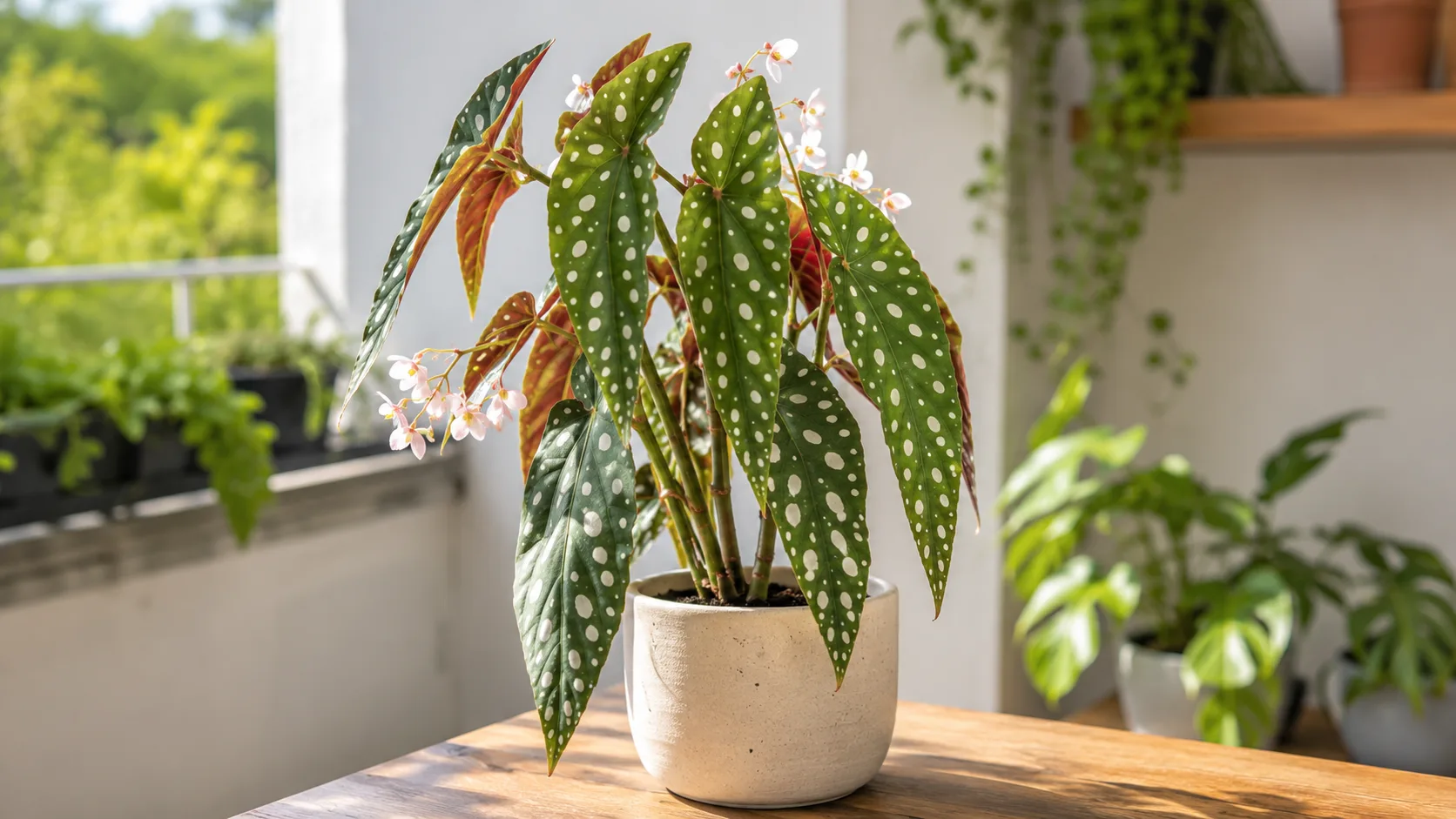
Best Soil for Begonia Maculata: Mix, Drainage & Repotting
Best Soil for Begonia Maculata: Mix, Drainage & Repotting
What Begonia Maculata Roots Actually Need
The best soil for Begonia Maculata is light, well-aerated, and fast-draining, yet it holds enough moisture that cane roots never swing between flood and drought. Begonia maculata, the polka dot or angel wing begonia, is a cane-forming species from the Atlantic Forest region of Southeast Brazil, where it grows in warm, humid understory conditions on loose, organic forest debris. BBC Gardeners’ World Magazine recommends planting into peat-free houseplant or multi-purpose compost with perlite added for aeration and drainage, then Begonia Maculata repotting guide in spring into a slightly larger pot. (BBC Gardeners’ World Magazine) That advice captures the core idea: this is not a plant that wants heavy, waterlogged compost sitting around its roots for days.
Indoors, your potting mix replaces that forest floor. Cane begonias develop fibrous roots along upright stems rather than a single thick taproot, and those fine roots need oxygen as much as they need water. The Spruce lists Begonia maculata’s preferred soil as moist, rich, well-drained, and sandy-loam in character, with an acidic pH and perlite added to improve drainage. (The Spruce) “Moist” does not mean wet. It means the mix reaches a lightly damp state after watering and then dries partially before the next drink. When the substrate stays saturated, roots lose gas exchange, soft rot sets in, and the plant may wilt even though the soil feels damp. Soil texture is what determines whether your watering habits help or hurt.
Most Begonia Maculata failures trace back to the root zone long before fertilizer or humidity get blamed. Yellow lower leaves, mushy stems at the base, and a sour smell from the pot are soil-and-drainage signals. A proper mix makes those problems less likely because it gives you a wider margin between “too dry” and “too wet.” That is what the rest of this guide builds: a DIY recipe you can mix in ten minutes, store-bought options worth using, pot rules that protect drainage, and repotting steps that do not shock a plant already struggling with stale mix.
Why Standard Potting Soil Often Fails Polka Dot Begonias
Regular all-purpose potting soil is the most common slow-motion mistake for Begonia Maculata. It is designed for a broad range of houseplants and often leans fine-textured, peat-heavy, and slow to dry in a typical indoor pot. Out of the bag it may look acceptable, and the plant may grow well for several months. Then the peat particles settle, air pockets collapse, and the same volume of mix that drained in a week now takes two or three. The surface looks dry while the center stays damp. You water on schedule because the calendar says so, and the roots sit in low-oxygen conditions you cannot see.
Begonia maculata is especially unforgiving of that pattern because overwatering on Begonia Maculata is its primary indoor killer. The Spruce explicitly warns that waterlogging leads to root rot on Begonia Maculata and notes that growers should let the top half inch of soil dry before watering again. (The Spruce) Dense mix makes that dry-down check misleading. The top half inch may feel dry while deeper soil remains wet, which encourages another watering cycle that pushes the root zone further into decline. Fixing the mix often matters more than watering less alone, because a heavy substrate cannot dry at a healthy rate even when you skip a week.
Moisture-control potting mixes with water-retention polymers make the problem worse. They are engineered to hold water longer, which is the opposite of what a polka dot begonia needs in a closed indoor pot. Garden soil and in-ground topsoil are equally unsuitable. They compact within weeks in a container, eliminate air pockets, and may introduce pathogens, pests, and mineral imbalances. Pure peat moss or pure coco coir without structural amendments is also too water-retentive on its own. Both are excellent as partial ingredients and poor choices as the entire substrate.
If your Begonia Maculata is already healthy in whatever mix it arrived in from the nursery, do not repot immediately just because the label is not perfect. Watch the plant and the pot. Firm new growth, stable leaf color, and a mix that dries at a reasonable pace are good signs. Repot when drainage slows, roots circle the surface, or symptoms repeat despite consistent light and careful watering. The goal is a mix that supports the roots your home actually provides, not a theoretical ideal on day one.
The Four Jobs Your Begonia Maculata Soil Must Do
Every successful Begonia Maculata mix performs four jobs at once. Score any bagged product or DIY blend against these four jobs and you will immediately see where it will fail in your conditions.
Drain fast after every watering
Excess water should exit through drainage holes within seconds of a thorough watering, not pool at the bottom of the pot for hours. Gravity pulls water through large pores in bark and perlite while finer organic material holds moisture in its fibers. A good blend drains quickly yet leaves the mix lightly damp, which is the feel cane begonias prefer during active growth. If water sits on the surface, runs down the sides without wetting the root ball, or the saucer still holds runoff an hour later in a pot with a drainage hole, the soil system needs correction. Add perlite and bark, reduce pot size, or both.
Hold moisture without going soggy
Begonia Maculata likes consistent moisture from spring through autumn, but consistent does not mean constantly wet. BBC Gardeners’ World advises keeping compost moist but not soggy during the growing season and watering more sparingly in winter. (BBC Gardeners’ World Magazine) The mix should reach a lightly moist state after watering and then dry partially before the next drink. Most indoor growers check the top 2 to 3 cm with a finger; when that zone feels dry, water thoroughly until excess runs out the bottom. A mix with zero moisture-holding capacity forces constant attention and increases stress during busy weeks. A modest fraction of peat or coco coir, typically 20 to 30 percent of total volume, provides that buffer without turning the pot into mud.
Stay open and airy around cane roots
Air-filled porosity is the fraction of the pot occupied by air rather than water or solid particles after drainage. Cane begonia roots need meaningful aeration between waterings, even though they are not true epiphytes like some aroids. Chunky orchid bark creates structural channels that resist compaction. Perlite or pumice adds permanent air space that does not decompose. Fine potting mix alone often falls below the aeration threshold Begonia Maculata tolerates, which is why “add a handful of perlite” rarely fixes a bad pot. You want visible bark pieces and perlite throughout the blend, not a few white flecks in dark, uniform compost.
Stay in the right pH range
Begonia Maculata prefers a slightly acidic to neutral root zone, commonly cited between pH 5.8 and 7.0, with 6.0 to 7.0 as a practical indoor target. The Spruce lists acidic soil pH among its core care requirements. (The Spruce) NC State Extension lists soil pH for cane begonias as acid (<6.0) to neutral (6.0–8.0). Most peat-based and coco-based components naturally sit in or near that range. pH matters because it controls nutrient availability; a plant can show deficiency symptoms even when fertilizer is present if the mix is far outside the preferred band. Most home growers using a balanced peat-or-coir-based blend never need to chase pH numbers, but white crust on the soil surface, burned leaf tips, or stalled growth despite good care may warrant a test strip, especially if you use hard tap water or fertilize heavily.
Core Ingredients for a Great Begonia Mix
You can build an excellent Begonia Maculata mix from four widely available ingredient categories. None are exotic. The skill is in the ratios and in adjusting for your home’s humidity, light, pot material, and watering habits.
Peat moss or coconut coir
Sphagnum peat moss is the traditional moisture-holding base in many begonia blends. It absorbs water readily, holds it in fibers, and contributes natural acidity. Coconut coir, made from coconut husks, is the peat-free alternative with a more neutral pH and easier rewetting when dry. Both work well as partial ingredients when paired with generous perlite and bark. Neither should dominate the mix alone because both can hold too much water without structural amendments. Choose peat when you want a proven traditional base or are using a quality peat-based potting mix as your starting point. Choose coir when you prefer a peat-free mix, when dry peat has been hard to rehydrate in your environment, or when you want a slightly more neutral starting material.
Coir holds moisture well and rewets more easily than aged dry peat, but some coir products carry excess salts if poorly processed. Rinse coir before mixing if the supplier recommends it, or buy pre-buffered coir labeled for horticultural use. In dry winter apartments with forced-air heat, coir’s moisture retention can be an advantage. In humid bathrooms where pots dry slowly, reduce coir and increase bark so the mix does not stay wet for ten days after a normal watering.
Perlite and pumice
Perlite is expanded volcanic glass: lightweight, white, porous, and pH-neutral. It creates air pockets and improves drainage without decomposing. Pumice is a heavier volcanic rock with slightly higher nutrient-holding capacity and better staying power in the mix over time. Perlite floats upward when you water heavily from the top and can break into dust after years; pumice stays put and lasts longer in larger pots. For standard indoor Begonia Maculata in plastic or glazed ceramic pots, perlite is perfectly adequate and widely available. For growers who want a longer-lived substrate or who keep plants in terra-cotta, swapping some perlite for pumice is a meaningful upgrade. Aim for roughly 20 to 30 percent of total mix volume from perlite, pumice, or a blend of both.
Do not treat perlite as optional decoration. If the finished mix looks dark and dense with only a few white flecks, it probably lacks enough aeration for a polka dot begonia. The Spruce specifically recommends adding perlite to improve drainage in Begonia maculata pots. (The Spruce) Cane begonias grow well in peat-free multipurpose compost with good drainage. That single amendment step is the minimum upgrade path when you only have bagged potting soil on hand.
Orchid bark and worm castings
Orchid bark, usually graded fir or pine in medium pieces roughly 6 to 12 mm, is the structural backbone of most successful Begonia Maculata mixes. It creates large air channels, resists compaction far longer than peat alone, and gives fibrous roots something coarse to grip. Fine bark fines mat down too quickly; medium-grade orchid bark is the sweet spot for typical 15 to 20 cm indoor pots. Worm castings at about 5 to 10 percent of total volume add gentle slow-release nutrition and beneficial microbes without the burn risk of heavy synthetic fertilizer prills in fresh mix. Castings are optional but useful, especially if you prefer not to fertilize heavily in the first month after repotting.
Horticultural charcoal at 5 percent is another optional upgrade. Its porous structure can help fresh mix smell cleaner between repots and lightly buffers organic buildup in closed containers. Neither charcoal nor castings are strictly required; your begonia will grow without them. If you keep plants in the same pot for two or more years between full repots, both are small additions worth considering.
The Best DIY Begonia Maculata Soil Mix Recipe
The most reliable home recipe balances structure, aeration, moisture retention, and light nutrition. By volume:
- 40 percent quality peat-based potting mix or pre-soaked coconut coir
- 30 percent medium-grade orchid bark (fir or pine, ¼–½ inch chunks)
- 20 percent perlite or pumice, or a 50/50 blend
- 10 percent worm castings (sifted if very chunky)
This produces a mix that is visibly light, slightly damp after you run water through it, and chunky enough that you can see bark and perlite throughout. For a simpler three-ingredient version that is easy to remember and performs well in most homes, use 2 parts potting soil or coir, 1 part perlite, and 1 part orchid bark. That 2:1:1 ratio is the classic beginner shortcut recommended across polka dot begonia guides and matches what many experienced growers use as a daily driver.
Run the wet squeeze test on your finished batch. Grab a fistful after saturating the mix. Squeeze firmly. A good Begonia Maculata blend holds its shape loosely, then crumbles when you poke it. Water should not stream out like gravel, and the ball should not stay tight and muddy. If it collapses instantly and feels dusty, add a little coir or peat. If it stays wet and dense, add bark and perlite.
Adjust for your home. In a dry winter apartment with forced-air heat, keep coir or peat at 40 percent and ensure bark stays at 30 percent. In a humid bathroom or kitchen where pots dry slowly, push bark to 40 percent, perlite to 25 percent, and drop coir to 20 percent. If you tend to overwater, increase perlite and bark before changing your calendar. The mix should make the right Begonia Maculata watering guide obvious: top 2 to 3 cm dry, then water until runoff, then empty the saucer within 15 to 30 minutes.
For a peat-free version, replace the peat-based potting mix with equal parts coco coir and fine orchid bark fines, then add the perlite and worm castings from the main recipe. Peat-free houseplant compost with added perlite, as BBC Gardeners’ World suggests, is also a valid starting base if you amend it with extra bark until roughly one-third of the final volume is chunky material. (BBC Gardeners’ World Magazine)
Store-Bought Mixes and How to Upgrade Them
Not everyone wants to source four separate components. Several store-bought options work for Begonia Maculata with light amending, and a few specialty blends are ready to use out of the bag.
Quality peat-based indoor potting mix amended 1:1 with perlite and with orchid bark added to 30 percent of the final volume is the most accessible path. Squeeze the bag before buying. If it feels heavy and uniform, plan to amend aggressively. If it already contains visible perlite and bark, you may only need a modest bark top-up.
FoxFarm Ocean Forest or Happy Frog, blended 2 parts bagged mix to 1 part perlite and 1 part orchid bark, produces a rich, well-aerated substrate suitable for cane begonias. Out of the bag these mixes are slightly dense for fibrous roots in small pots; the perlite and bark upgrade fixes that without eliminating the nutrition built into the product.
Miracle-Gro Indoor Potting Mix is inexpensive and easy to find but often too fine for Begonia Maculata used straight. Amend it 1:1 with perlite and add orchid bark until at least 30 percent of the final blend is chunky material. Watch for slow-release fertilizer prills in the first month after repotting; hold off on additional feeding until you see stable new growth.
Espoma Organic Cactus Mix drains well but dries fast. Blend it 1:1 with coco coir to raise moisture retention to begonia levels, then add bark if the texture still looks too fine. Cactus mix alone can work for growers who water frequently and keep humidity moderate, but most indoor polka dot begonia owners need more organic buffer.
Specialty aroid or begonia mixes from reputable plant shops are often ready to pot. Read the ingredient list. Good ones contain visible bark, perlite or pumice, and coir or peat with little actual mineral garden soil. If the bag feels light and chunky when squeezed, you can often pot directly and adjust watering based on how fast the mix dries in your room.
The upgrade rule for any pre-made mix: if the bag feels heavy and the contents look like dark, uniform compost, add at least 30 percent chunky material by volume before potting Begonia Maculata. If the bag already feels light with visible bark, you may only need a small coir addition in dry homes.
Pot Choice, Drainage, and the Perched Water Myth
Soil and pot work as one system. The best mix in a pot with no drainage hole will still fail indoors. A drainage hole is non-negotiable for long-term Begonia Maculata care. After every thorough watering, excess water must leave the pot. Empty the saucer or cachepot within 15 to 30 minutes so the roots are not sitting in runoff.
Choose a pot only slightly larger than the root ball. The Spruce recommends moving to a pot just 1 to 2 inches greater in diameter when repotting a root-bound plant, and warns that oversized containers lead to overwatering and underconsumption problems. (The Spruce) BBC Gardeners’ World Magazine likewise recommends repotting in spring into a slightly larger pot. Unused soil in an oversized pot stays wet because roots cannot pull moisture from it quickly. That wet zone becomes an anaerobic pocket while the surface looks dry. Match pot size to root mass, not to leaf spread or aesthetic ambition.
Plastic pots dry more slowly than unglazed terra-cotta, which wicks moisture through its walls. Terra-cotta can be an excellent choice for overwaterers in moderate humidity, but it may dry too fast in very dry winter air unless you compensate with slightly more coir in the mix. Glazed ceramic behaves similarly to plastic regarding drying speed. Nursery pots with drainage holes inside decorative cachepots work well as long as you never let runoff accumulate at the bottom of the outer pot.
Do not rely on a layer of gravel or stones at the bottom to fix poor drainage. Water does not “skip” the gravel and magically leave the soil dry. Physics creates a perched water table at the soil-gravel boundary that can keep the root zone wetter than you expect. Fix drainage with better mix and a proper hole, not with a false bottom layer.
Self-watering pots and sealed ceramic containers without exit paths are poor long-term choices for Begonia Maculata unless you are an experienced grower deliberately managing moisture at a very controlled level. For most indoor growers, a simple pot with a hole and a well-aerated mix removes the biggest root-rot risk before it starts.
pH, Minerals, and Fertilizer in Fresh Mix
Most growers never need a pH meter for Begonia Maculata if they use a balanced peat-or-coir-based blend with bark and perlite. The practical target is pH 6.0 to 7.0, within the broader acceptable range of 5.8 to 7.0 cited across care references. If leaf tips burn, white crust forms on the soil surface, or new growth stalls despite good light and watering, soluble salts may have accumulated. Flush the mix by running water through the pot until it flows clearly from the drainage hole, or refresh the substrate at the next repot instead of adding more fertilizer.
Fresh worm castings and quality bagged mixes supply gentle nutrition for the first four to six weeks after repotting. Hold off on heavy feeding until you see firm new leaves and stable growth. Begonia Maculata is sensitive to buildup in stale, compacted mix, which is one more reason to refresh substrate every one to two years rather than endlessly stacking fertilizer on old peat.
Hard tap water can raise pH and leave mineral deposits over time. If your water is very hard, using filtered or distilled water occasionally for flushing can help. This is an edge case, not a requirement for every grower. Watch the plant: burned margins and crusty pots tell you more than a single pH reading in most homes.
How to Repot Begonia Maculata the Right Way
Repot in early to mid-spring, just before or as new growth accelerates. BBC Gardeners’ World recommends repotting in spring into a slightly larger pot, and The Spruce advises refreshing soil when it no longer feels loose in the container, gently shaking old soil from the roots. (BBC Gardeners’ World Magazine) (The Spruce) That timing gives roots warm temperatures and increasing light to recover quickly.
Step 1: Prepare the new mix and pot. Pre-moisten your DIY or upgraded blend so it is evenly damp, not dripping. Choose a clean pot one size up, with a drainage hole. Cover the hole with a small piece of mesh or a coffee filter if you worry about mix escaping; do not block drainage.
Step 2: Remove the plant carefully. Tip the pot and support the stems. Cane begonias snap easily at the base if handled roughly. Loosen the root ball with gentle pressure; do not yank the plant by its leaves.
Step 3: Inspect and trim roots. Healthy roots are firm and white or tan. Trim black, mushy, or foul-smelling roots with clean scissors. Remove only what is clearly dead; aggressive root pruning on a stressed plant can set recovery back.
Step 4: Position at the correct depth. Set the plant so the crown sits at the same level it occupied before, not buried deeper. Burying cane nodes too deep encourages stem rot. Spread roots lightly over a mound of mix in the bottom of the new pot.
Step 5: Fill and firm gently. Add mix around the sides, tapping the pot to settle it without compacting. Leave a small gap below the rim for watering. Do not press the mix down hard.
Step 6: Water and rest. Water thoroughly until runoff appears, then empty the saucer. Keep the plant in Begonia Maculata light guide and avoid fertilizing for four to six weeks. Some leaf drop after repotting is normal; persistent wilting with wet soil is not.
Do not repot on day one after bringing a new plant home unless the nursery mix is clearly failing or pests are present. Quarantine, learn how fast the pot dries in your room, and repot when you have a clear reason.
When to Refresh or Replace the Mix
Begonia Maculata typically needs fresh soil every one to two years, or every 18 to 24 months, depending on growth speed and mix quality. Repot when roots circle the surface or escape drainage holes, when water runs straight through without wetting the root ball, when the mix stays wet for more than ten days after a normal watering, or when the plant wilts within hours of being watered despite moist soil. A sour or swampy smell from the root zone means oxygen has been low too long and the substrate needs replacement, not another top watering.
Even if the pot size stays the same, replace the mix entirely on that schedule because bark and coir decompose and lose structure. Top-dressing with fresh bark helps briefly but cannot fix a compacted core. Refresh sooner if you see fungus gnats breeding in constantly damp surface soil, if white mold appears on the mix in low light, or if the plant pushes little new growth despite good light and feeding during the growing season.
If you suspect active root rot, repot immediately regardless of season. Remove the plant, shake or rinse old mix from affected roots, trim damaged tissue, and repot into fresh, barely moist mix. Wait a day before watering lightly so cut surfaces callus. Withhold fertilizer until new growth confirms recovery.
Common Soil Mistakes That Cause Root Rot
Several patterns repeat in failed Begonia Maculata pots, and soil is usually involved.
The “quality potting mix, used straight from the bag” mistake tops the list. Standard houseplant mix compacts, holds water too long, and starves fibrous roots of oxygen. The plant looks fine for months, then lower leaves yellow, stems soften at the base, and recovery requires repotting into a proper blend.
Overpotting into a large decorative container is second. Unused soil stays wet while the grower waters on schedule because the surface looks dry. Match pot size to root mass.
Watering on a calendar instead of by soil feel defeats even a perfect mix. The top 2 to 3 cm should guide you: dry, then water thoroughly until runoff. Pair that with a mix that drains predictably.
Planting directly into a cachepot with no drainage traps water at the bottom. Always remove runoff from outer pots.
Adding gravel at the bottom creates a false sense of security without improving root-zone aeration. Fix the mix instead.
Never refreshing old mix lets a once-good blend turn dense and hydrophobic. If water beads on the surface and runs down the sides while the root ball stays dry, replace the whole substrate.
Repotting a severely stressed plant without fixing the root cause stacks shock on top of decline. If the mix is sour and roots are mushy, repot into fresh mix. If the plant is merely drooping from underwatering on Begonia Maculata, rehydrate in place first.
Chasing leaf symptoms while the root zone stays wrong prolongs decline. Yellow leaves, brown edges, and wilting with damp soil often trace back to substrate texture and pot size before they trace back to humidity or fertilizer. Fix the soil system first, then evaluate the rest of care.
Conclusion
The best soil for Begonia Maculata is a light, well-draining, slightly acidic blend built around orchid bark and perlite, with a modest fraction of peat or coco coir for moisture and worm castings for gentle nutrition. The home recipe of 40 percent potting mix or coir, 30 percent orchid bark, 20 percent perlite, and 10 percent worm castings turns rainforest logic into a mix that behaves well in ordinary indoor pots; the simpler 2:1:1 potting-perlite-bark shortcut works equally well for most growers. If you would rather not blend from scratch, upgrade a quality bagged mix with bark and perlite until it feels visibly chunky in your hand, or start with a specialty houseplant blend and adjust based on drying speed. Use a pot with a drainage hole, size up only 2 to 5 cm at a time, refresh the mix every one to two years in spring, and water when the top 2 to 3 cm dries. Get the soil right and watering, humidity management, and recovery from stress all become much easier for your polka dot begonia.
When to use this page vs other Begonia Maculata guides
- Begonia Maculata overview - Start here for whole-plant context before deep-diving this topic.
- Begonia Maculata problems hub - Jump to symptom-specific fix guides when this care topic does not resolve the issue.
- Root Rot on Begonia Maculata - Escalate here when soil adjustments are not enough.
- Mold on Soil on Begonia Maculata - Escalate here when soil adjustments are not enough.
Related Begonia Maculata guides
- Begonia Maculata overview
- Begonia Maculata watering
- Begonia Maculata light
- Begonia Maculata propagation
- Begonia Maculata fertilizer
- Begonia Maculata repotting
- Root Rot on Begonia Maculata
- Mold on Soil on Begonia Maculata
- Begonia Maculata problems
Related tool
Try the Soil Mix Calculator with begonia-maculata pre-selected to estimate needs for your setup.