Areca Palm Repotting: When, How, and Mistakes to Avoid
Areca Palm Repotting: When, How, and Mistakes to Avoid
Areca Palm Repotting: When, How, and Mistakes to Avoid
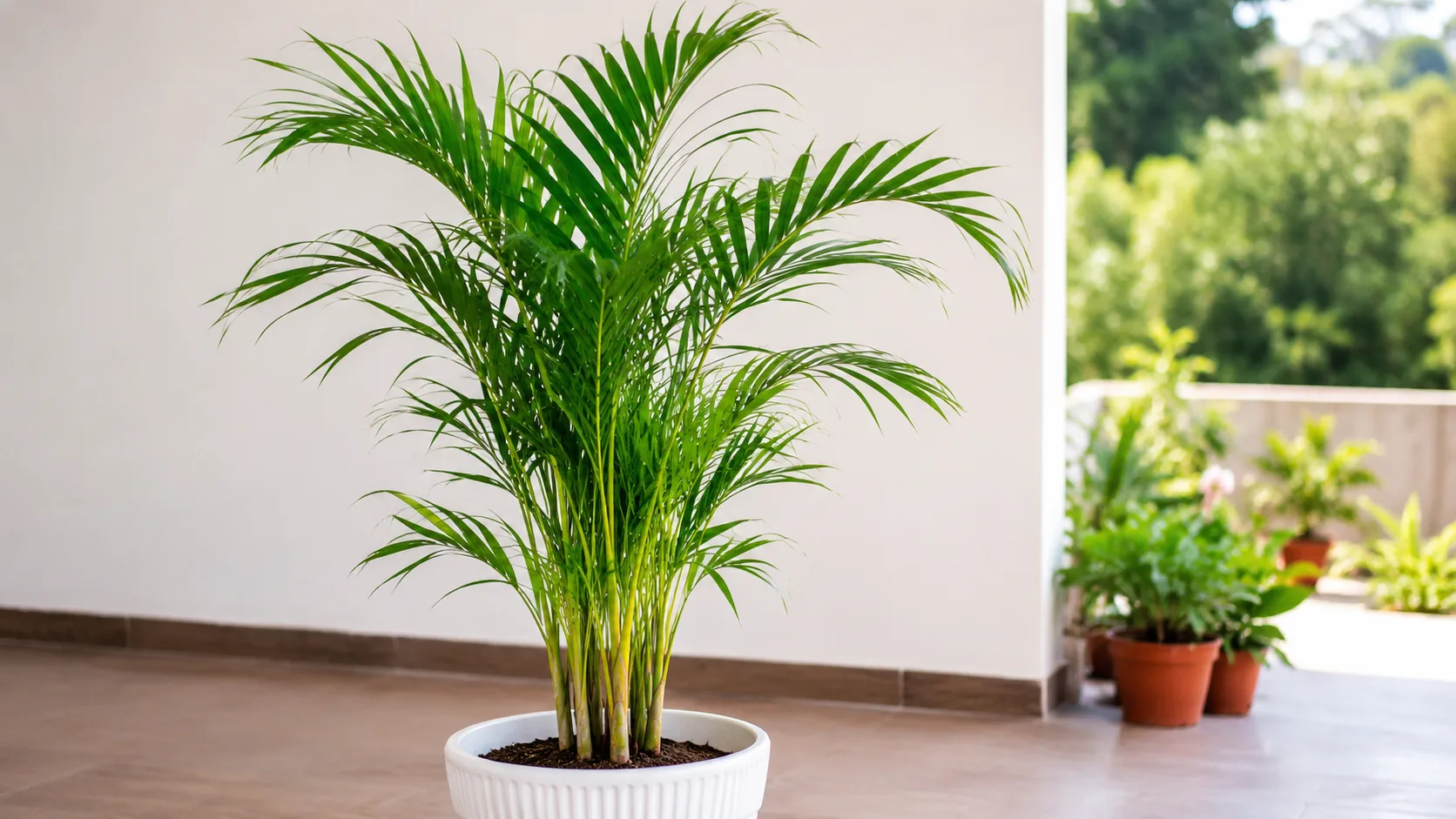
Areca palm repotting is one of those jobs that sounds dramatic but is usually straightforward once you understand how Dypsis lutescens actually grows indoors. This clumping Madagascar palm does not want a mansion every year. It wants fresh, airy soil, a pot that drains fast, and just enough root room to keep pushing out those arching yellow-green fronds. Get the timing, pot size, and soil right, and the plant settles in within a few weeks. Rush it, oversize the container, or repot in the wrong season, and you can spend a month watching lower fronds yellow while the roots sit in wet mix they cannot use.
The sections below walk through when repotting is truly necessary, how to do it without unnecessary root damage, what pot and soil combination works in real living rooms, and the mistakes that turn a simple refresh into a long recovery. Whether your plant is a young cluster in a 6-inch pot or a floor specimen pushing 6 feet tall, the principles are the same: repot on the plant’s schedule, not the calendar on your phone.
What Repotting Does for an Areca Palm (Dypsis lutescens)
Repotting an areca palm is not only about giving roots more space. For Areca Palm overview, the more common reason is soil exhaustion. Peat-based indoor mixes break down over time. They compact, lose air pockets, hold water unevenly, and accumulate fertilizer salts from repeated feeding. Fresh mix restores drainage, oxygen around fine roots, and a more predictable Areca Palm watering guide. That matters because areca palms prefer evenly moist but never soggy soil - a balance that old, collapsed mix makes almost impossible to hit.
Upsizing the pot is sometimes part of the job, but not always. NC State Extension recommends repotting areca palm every two or three years in well-drained potting soil kept moist but not soggy - a refresh cycle that restores drainage and oxygen even when the same pot still fits. You are maintaining the root environment, not automatically chasing a bigger container every time.
Repotting is also your best chance to inspect roots, trim decay, loosen circling growth, and - if you want more plants - divide a clump at the edge of the root ball. Missouri Botanical Garden lists division and seed as recommended propagation strategies for areca palm.
Why this palm’s root system matters
Areca palms produce a dense network of fine feeder roots rather than one thick taproot. Those fine roots absorb water and nutrients quickly, but they are also easily damaged by rough handling, bare-rooting, or prolonged saturation. The plant tolerates being slightly root-bound - tighter conditions can even help keep indoor size in check - yet it will suffer if roots circle endlessly in stale, compacted soil with no air.
North Carolina Extension describes Dypsis lutescens as a clustering palm that grows in well-drained potting soil kept moist but not waterlogged, with repotting recommended every two or three years under normal houseplant conditions. That frequency assumes active growth, reasonable light, and a pot with drainage. A palm in dim light, pushed with heavy fertilizer, or sitting in a saucer of standing water may need intervention sooner - not because it outgrew the pot, but because the root zone became unhealthy.
Understanding this root biology shapes every good repot decision. You are not trying to “free” the roots aggressively. You are trying to refresh the environment so those fine roots can keep doing their job without drowning or starving.
When to Repot an Areca Palm
Timing is the first decision, and it is more flexible than many gardeners assume - within limits. A healthy areca palm that is growing steadily, drinking on a normal schedule, and showing no salt crust or root congestion does not need an annual pot upgrade. Waiting until you see real signals, or until two or three years have passed, is usually smarter than repotting “just because.”
Routine timing every 2–3 years
For most indoor areca palms, a full repot or soil refresh every 2–3 years is the standard maintenance interval cited by university and nursery sources. Young plants in small pots may reach that point faster because their root systems expand quickly relative to pot volume. A mature floor palm in a 10- or 12-inch container might go three years or slightly longer if you top-dress with fresh mix in between and growth remains vigorous.
Routine repotting in this context means one of two things. Either you move the plant to a slightly larger pot because the root ball has genuinely filled the current one, or you return it to the same clean pot with entirely fresh mix because the old soil has degraded or accumulated salts. Both count as repotting. Both improve long-term health. Neither requires jumping two pot sizes.
If you are unsure whether the two-year mark has arrived, lift the plant and look. Calendar dates are a starting point, not a rule. A palm that has been over-fertilized, underwatering on Areca Palm repeatedly, or kept in very bright light may need soil refresh sooner. One in moderate light with conservative feeding may coast longer.
Signs your palm needs a bigger pot or fresh soil
Several visible and tactile signs tell you repotting is due. The strongest is roots emerging from drainage holes or circling densely when you slide the plant out. That is the classic root-bound signal for clustering palms like Dypsis lutescens. You may also notice the pot deforming or lifting as roots push against the sides, or the plant becoming top-heavy and wobbly despite a full soil volume.
Water behavior changes are equally telling. When mix breaks down, water may run straight through the pot without soaking in - a sign of hydrophobic, exhausted peat. Conversely, soil that stays wet for days after a modest watering suggests compaction and poor aeration. Either pattern means the root zone is no longer functioning well.
Growth signals matter too. If fronds are smaller than earlier growth, new shoots are sparse despite good light and feeding, or lower fronds yellow in a steady march while the center still pushes growth, root congestion or salt buildup may be limiting uptake. A white crust on the soil surface or pot rim is another clue: dissolved fertilizers and minerals from tap water have accumulated.
You do not need every sign at once. Two or more together - fast drying plus circling roots, or slow growth plus drainage holes full of roots - is enough to plan a repot in the next active growth window.
Best season to repot indoors
Spring and early summer are the safest seasons for areca palm repotting. As daylight lengthens and temperatures rise, the palm enters active growth and can repair root damage, produce new feeder roots, and push fronds again. Repotting just before or during this window gives the plant months of favorable conditions to settle.
Indoor growers should also consider room temperature. Aim for stable warmth above 65°F (18°C) and avoid repotting during cold snaps, when heat is off at night, or when the plant sits near a drafty window. Cold soil slows root activity and extends transplant stress.
Late summer repotting can work if the plant is healthy and your home stays warm and bright into fall. Fall and winter repotting is best avoided unless the situation is urgent - severe root rot on Areca Palm, a pot cracked by roots, or soil that smells sour and stays sodden. In those cases, fixing the root environment outweighs seasonal idealism, but you should expect slower recovery and adjust watering downward to match reduced growth.
When Not to Repot
Not every struggling areca palm needs a new pot. Repotting a plant that is already stressed from severe underwatering, spider mite infestation, cold damage, or recent relocation can compound the problem. Stabilize those issues first - correct watering, treat pests, move away from drafts - then repot when the plant looks reasonably hydrated and the room is warm.
You also should not repot simply because a few lower fronds have browned tips. Tip browning on areca palms often traces to dry air, fluoride in tap water, or inconsistent watering, not necessarily root crowding. Fixing water quality and humidity may do more than a new pot.
Skip repotting when the plant is not root-bound and the mix still drains well. If you slide the plant out and see plenty of soil relative to roots, white firm roots, and no sour smell, a full repot may be unnecessary. A top-dress - scraping out the top inch or two of old mix and replacing it with fresh soil - can bridge you to the next full repot without disturbing the root ball.
Finally, do not repot as a reflex response to mild wilting after a single missed watering. Rehydrate first. If the palm perks up within a day, the roots are likely fine. Reserve full repotting for confirmed root or soil problems, scheduled refresh cycles, or clear crowding.
Choosing the Right Pot and Soil Mix
The pot and soil you choose matter as much as the repot technique itself. Areca palms are not forgiving of heavy, water-retentive conditions in an oversized container. The right setup drains quickly, keeps the root ball stable, and matches the palm’s relatively modest appetite for extra space.
Pot size rules that prevent root rot
The most important pot rule for areca palm repotting is deceptively simple: go up only one pot size - roughly 1 to 3 inches (2.5 to 7.5 cm) wider in diameter than the current container. If your palm is in an 8-inch pot, an 10-inch pot is appropriate. A 12-inch jump is not.
Oversized pots hold a large volume of soil that stays wet long after the small root system has taken what it needs. Roots in the center of a too-large pot can rot before the plant fills the space. This is the single most common cause of post-repot decline in indoor palms, and it is entirely preventable.
Drainage holes are non-negotiable. Use a pot with one or more holes and never rely on gravel layers as a substitute for holes. Terracotta dries faster than plastic and can help heavy-handed waterers; plastic retains moisture longer and suits growers who tend to underwater. Either works if drainage is good and you adjust watering to the material.
The palm should sit stable in the new pot without wobbling. A very tall specimen may need a heavier ceramic or a wider base for balance. Depth matters less than width for this species, but avoid extremely shallow bowls that cannot anchor a tall clump.
Soil ingredients and drainage ratios
Areca palms grow best in well-drained, high-organic potting mix that still holds some moisture. NC State Extension lists high organic matter, loam, sand, and good drainage as core cultural requirements. A practical indoor blend starts with a quality peat- or coco-based houseplant mix and amends it for porosity.
A reliable starting recipe:
- 60–70% peat- or coco-based potting mix
- 20–30% perlite, pumice, or coarse horticultural sand
- 10–20% orchid bark or fine pine bark for long-term structure
Some growers use a palm-specific commercial mix straight from the bag; others amend standard indoor mix with extra perlite. Either approach works if water exits the drainage holes within seconds of a thorough soak and the top inch dries slightly between waterings during active growth.
Avoid garden soil, dense all-purpose compost used alone, or mixes heavy in water-retentive vermiculite without balancing amendments. Those recipes suffocate fine palm roots indoors. If you are repotting because of root rot, use entirely fresh mix and a clean pot; never reuse material from a contaminated root ball.
Tools and Setup Before You Start
Good preparation keeps the root ball intact and the mess manageable. Gather everything before you remove the plant from its pot so roots are not sitting bare while you hunt for a trowel.
You will need:
- A new pot (or the same pot scrubbed clean) one size larger, with drainage holes
- Enough fresh mix to fill the pot with room to spare
- A hand trowel or scoop
- Clean, sharp scissors or pruners for dead roots
- A chopstick or thin dowel for settling soil
- A watering can with a narrow spout
- Newspaper or a tarp for the work surface
- Optional: gloves, a bucket for old soil, hydrogen peroxide diluted 1:4 with water if rot is suspected
Water the palm lightly the day before repotting, not the hour before. Slightly moist soil holds the root ball together and makes sliding the plant out easier. Waterlogged soil falls apart and tears roots; dust-dry soil crumbles and shocks the plant.
Choose a workspace where you can lay the palm on its side without crushing fronds. Clear a table or work outdoors in mild weather. If fronds are in the way, loosely tie them with soft twine - never pull the plant out by the stems.
Sanitize reused pots with hot soapy water and a brief rinse of dilute bleach if there was previous disease. Let the pot dry before adding mix.
Step-by-Step: How to Repot an Areca Palm
Follow these steps in order. The goal is minimal root disturbance with maximum soil refresh.
- Prepare the new pot. Add enough fresh mix at the bottom so that when the root ball sits on top, the base of the stems will be at the same depth as before - typically about 1 inch (2.5 cm) below the pot rim.
- Remove the plant. Tip the old pot on its side. Support the trunk base with one hand and slide the pot off with the other. Tap the pot sides if needed. Never yank the palm out by its fronds.
- Inspect and loosen roots. Look for white, firm healthy roots versus brown, mushy, or foul-smelling decay. Gently tease circling roots on the outer surface with your fingers. You do not need to untangle every root.
- Trim only what is necessary. Cut away dead, soft, or clearly rotted roots with clean scissors. Healthy roots can stay, even if somewhat long.
- Position the plant. Center the clump in the new pot at the same planting depth as before. Burying palm stems deeper than they were originally can cause stem rot.
- Backfill. Add fresh mix around the sides, firming lightly with your fingers or a chopstick to remove large air pockets without compressing the mix into concrete.
- Water thoroughly. Soak until water runs freely from drainage holes. This settles the soil and establishes contact between roots and new mix.
- Place in recovery conditions. Move the palm to Areca Palm light guide - not direct sun - and maintain normal room warmth and humidity for the species.
Removing the plant and inspecting roots
Extraction is where many beginners cause damage. If the palm is severely root-bound, you may need to run a knife around the inside of the pot or cut a plastic nursery pot away. That is preferable to breaking roots by forcing the plant.
Once out, study the root ball color and smell. Healthy areca palm roots are generally pale tan to white and firm. Dark, squishy roots with a sour odor indicate rot - often from overwatering on Areca Palm or old compacted mix. Trim affected sections back to solid tissue. For moderate rot, a brief dip of remaining roots in diluted 3% hydrogen peroxide (one part peroxide to four parts water) can help disinfect before replanting, though good drainage and corrected watering are the real fix.
Loosen the outer circling roots so they grow outward into fresh mix rather than continuing the spiral. Think of scoring the surface of a root-bound ball, not demolishing it. Keeping some original soil attached protects fine feeder roots and reduces shock.
If you are dividing the palm, look for a natural separation at the edge of the clump - a smaller offset with its own stems and roots. Missouri Botanical Garden recommends division as a propagation strategy for areca palm. Cut or gently pull it away with a sharp knife, pot it separately in its own small container, and repot the mother plant as planned.
Planting depth, backfill, and first watering
Planting depth errors cause problems that show up weeks later. The junction where stems meet soil should sit at the same level it did in the old pot. Fresh mix piled against the stems invites rot. If anything, err slightly high rather than burying stems to stabilize a wobbly plant - use a stake temporarily instead.
As you backfill, add mix in layers and tap the pot gently on the bench to settle it. Use a chopstick to guide mix into gaps along the sides. The soil surface should be level and about an inch below the rim to leave room for watering without overflow.
The first watering after repotting should be thorough. Water until it drains, empty the saucer after 15 minutes, and do not let the plant sit in standing water. Some guides suggest holding water for a few days; for areca palms in well-drained mix, a full initial soak is standard because it eliminates dry pockets around disturbed roots. After that, return to your normal evenly moist approach - let the top inch dry slightly before the next soak during active growth, and stretch intervals in winter.
Do not fertilize at repotting time. Fresh mix usually contains some starter nutrients, and feeding too soon stresses roots trying to establish. Wait four to six weeks before resuming fertilizer at half strength, then return to your normal palm feeding schedule.
Aftercare and Recovery Timeline
Transplant shock on an areca palm usually looks worse than it is. For a few days to two weeks, you may see slight droop, paused growth, or one or two older fronds yellowing. That is normal as the plant redirects energy to root repair. Keep conditions stable: bright indirect light, no cold drafts, and consistent moisture without sogginess.
Week 1: Avoid direct sun, which accelerates water loss from stressed roots. Maintain humidity if your home is dry - a pebble tray or humidifier helps, though misting alone is a weak substitute. Do not prune green fronds in panic; they may still recover.
Weeks 2–4: New growth is the best sign of success. A fresh spear or unfolding frond means roots are working. If yellowing spreads rapidly up the plant or the soil stays wet and smells, inspect for rot and adjust watering immediately.
Weeks 4–6: Root establishment is largely complete under good conditions. You can resume light fertilizer if new growth is appearing. Gradually move the plant back to its normal display location if you shifted it for recovery.
Damaged brown fronds will not turn green again. Trim brown tips or whole dead fronds for appearance once you are sure they are not recovering. New fronds should emerge full-sized and the correct yellow-green color when the repot was successful.
Link repotting aftercare to your wider care routine. Fresh mix dries on a slightly different schedule than old compacted soil. Check moisture with your finger rather than sticking to an old calendar. An areca palm in a correctly sized pot with airy mix often needs less frequent but deeper watering than the same plant in exhausted soil that looked wet on top and dry at the roots.
Common Repotting Mistakes to Avoid
Most repot failures are not mysterious. They come from a handful of repeatable errors that are easy to skip once you know what to watch for.
Jumping two pot sizes is the headliner. More soil means more retained water around a root system that has not grown into it yet. The palm looks fine for two weeks, then lower fronds yellow as roots suffocate. One size up, every time.
Repotting in winter without urgency adds weeks of stall time. Roots barely grow in cool, low-light conditions, so the plant sits in disturbed soil without rebuilding. Wait for spring unless rot or structural pot failure forces your hand.
Fertilizing immediately burns tender new root tips and pairs badly with already stressed tissue. Mark your calendar for four to six weeks out.
Pulling the plant by its stems tears the delicate growing points at the crown. Always support the root ball and trunk base.
Using dense, moisture-holding mix in a low-light room is a slow-motion root rot setup. Match soil porosity to your light and watering habits.
Ignoring division wounds when you split a clump - pot divisions promptly, keep them warm and humid, and expect a longer recovery than an undivided repot.
The oversized-pot trap
The oversized-pot trap deserves its own warning because it is so tempting. A beautiful large ceramic pot on sale feels like a gift to your palm. Botanically, it is often a threat. The extra soil volume acts like a sponge that stays wet in the center while the surface looks dry. You water again, and the cycle worsens.
If you have already made this mistake, do not assume the plant is doomed. Scrape away saturated mix from the outer zone if possible, improve light and airflow, and water only when the top two inches are dry until you see new growth. In severe cases, repot again into an appropriately sized container - yes, a second repot - with fresh mix and trimmed rotten roots. That is stressful but sometimes the only rescue.
Bare-rooting and over-trimming
Bare-rooting - washing every particle of old soil from the roots - is rarely appropriate for areca palms. It strips fine feeder roots and extends shock. Keep an intact core of old soil around the center of the root ball when possible, refreshing the outer zone and what you add around the sides.
Over-trimming healthy roots is the companion mistake. Palms can tolerate moderate root pruning, but removing a large percentage of white roots to “make it fit” a pot that is too small creates the same stall as overpotting in reverse. Choose the right pot size so you trim only dead or circling tissue.
If you inherited a palm in terrible mix or suspect disease, a more aggressive wash may be justified. Work quickly, keep roots shaded and moist, and plant immediately into fresh mix. Treat that as an emergency procedure, not standard practice.
Conclusion
Areca palm repotting succeeds when you treat it as root-zone maintenance, not a dramatic upgrade. Repot every two to three years in spring or early summer, choose a pot one size larger with reliable drainage, and use a peat-based, well-aerated mix that stays moist without going soggy. Water the day before, loosen only outer circling roots, keep the same planting depth, soak thoroughly once replanted, and hold fertilizer for at least a month.
Watch for real signals - roots at drainage holes, exhausted mix, stalled growth - rather than repotting on autopilot. Avoid the oversized pot, winter timing without cause, and bare-rooting that tears fine feeder roots. If you need division, spring repotting is the natural moment to separate a clump with its own stems and roots. Give the plant stable bright indirect light and even moisture, and new fronds within a few weeks will tell you the roots have found home again.
When to use this page vs other Areca Palm guides
- Areca Palm overview - Start here for whole-plant context before deep-diving this topic.
- Areca Palm problems hub - Jump to symptom-specific fix guides when this care topic does not resolve the issue.
- Root Rot on Areca Palm - Escalate here when repotting adjustments are not enough.
Related Areca Palm guides
- Areca Palm overview
- Areca Palm watering
- Areca Palm light
- Areca Palm soil
- Areca Palm propagation
- Areca Palm fertilizer
- Root Rot on Areca Palm
- Areca Palm problems
Related tool
Try the Pot Size Calculator with areca-palm pre-selected to estimate needs for your setup.