Aglaonema Silver Bay Watering: How Often, How Much, and How
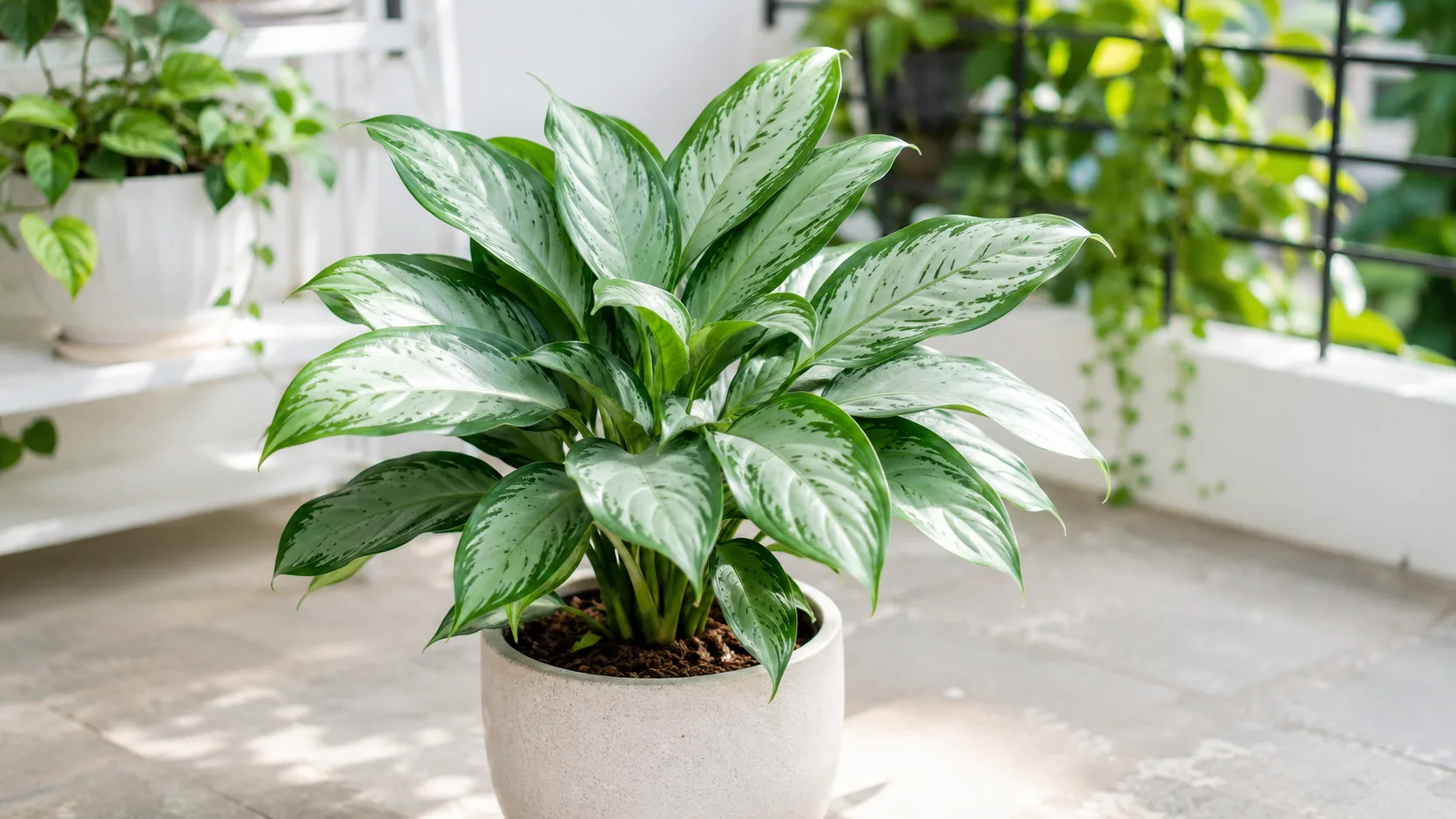
Aglaonema Silver Bay Watering: How Often, How Much, and How to Recover
Aglaonema Silver Bay Watering: How Often, How Much, and How to Recover
What Makes Silver Bay Different From Other Chinese Evergreens
Aglaonema ‘Silver Bay’ is one of the most forgiving cultivars in the Chinese evergreen family, but that does not mean it wants the same routine as a ‘Silver Queen’ or a ‘Red Anjamani’. Its broad, silver-splashed leaves have a slightly thicker cuticle and a denser root system than thinner-leafed cultivars, so it tolerates a missed watering better than most. It also sits in slightly more moisture for slightly longer before complaining, which is exactly why so many Silver Bays end up overwatered by owners who assumed “tolerant” meant “indestructible.”
The watering rules that follow work for the species as a whole, but the cadence - how often you pick up the watering can - is the part that varies most between homes, seasons, and cultivars. Treat every number in this article as a starting point, not a deadline. The goal is to build a check-in routine, then let the plant tell you when it needs water.
The Watering Frequency That Actually Works
Water your Aglaonema Silver Bay when the top 1 to 2 inches of soil feel dry to the touch. In most homes that lands at roughly every 7 to 10 days during the active growing season (spring and summer) and every 2 to 3 weeks during the cooler, lower-light months. That range is consistent across the major university extension sources, including Clemson University’s Home & Garden Information Center, which recommends letting the top 1 to 2 inches dry before rewatering, and the University of Florida IFAS Gardening Solutions, which uses a “top inch dry” rule for Aglaonema in general. North Carolina State Extension takes a slightly more conservative position and advises keeping the potting mix “moist from spring to fall” without specifying a depth.
These three numbers - 1 inch, 2 inches, top 50% - sound different but point to the same idea. Silver Bay wants soil that is evenly moist below the surface and dry on top. If you check 1 inch down and the soil still feels cool and damp, the plant is not ready. If you check 2 inches down and it feels like a wrung-out sponge, it is ready. If you check halfway down the root ball and it still feels wet, you are about to overwater.
The real frequency depends on five variables that change in every home: light, temperature, pot size, pot material, and humidity. A Silver Bay in a bright east-facing window in a dry, heated apartment in January will dry out faster than the same plant in a north-facing room in a humid coastal climate in October. The fastest path to a healthy plant is to stop watering on a calendar and start watering on evidence.
A practical rhythm: check the soil every 5 to 7 days, water only when the test says yes, and log the date. After three checks you will know whether your home trends toward 7 days, 10 days, or longer. After six weeks you will not need the log anymore.
How to Test Moisture: Four Methods Ranked
There is no single “right” way to test whether a Silver Bay needs water. The best method is the one you will actually do consistently. These four are ranked from least to most precise, and you can mix them.
The Finger Test (Free, Fast, Slightly Messy)
Push your index finger into the soil up to the second knuckle - roughly 1.5 to 2 inches deep. If the soil feels dry and warm at that depth, water. If it feels cool and damp, wait two or three days and check again. The Clemson HGIC guide uses a similar two-finger test on the top 2 inches. This method is the cheapest and works well in a 4- to 6-inch pot. Its weakness is that it only tells you about the top 2 inches; in a tall, deep pot the lower half can stay wet for weeks while the surface dries out, and your finger will not reach the truth.
The Moisture Meter (Most Accurate for Beginners)
A $10 to $20 probe-style moisture meter gives you a numeric reading on a 1-to-10 scale. Insert it to the midpoint of the root ball, not just the surface. Most tropical houseplants, including Aglaonema, want a reading in the 3 to 5 range before you water - moist but not wet. The meter removes guesswork for new plant owners and works in deep pots where a finger cannot reach. Its weakness is that cheap analog meters can drift, so calibrate yours once by reading a cup of dry soil (should read 1) and a cup of soaked soil (should read 10).
The Pot Weight Test (Builds Long-Term Intuition)
Lift the pot immediately after a thorough watering and remember that weight. Lift it again a few days later. As the soil dries, the pot gets noticeably lighter. When it feels roughly half as heavy as the wet baseline, it is time to water. This method is fast, clean, and works in any pot size, and after a few cycles you can judge a Silver Bay’s needs in under a second. Its weakness is that very large pots are awkward to lift, and decorative outer pots add confusing weight.
The Wooden Skewer Trick (A Reliable Backup)
Push a clean wooden skewer or chopstick to the bottom of the pot, leave it for 60 seconds, then pull it out. If it comes out clean and dry, the soil is dry all the way through and you can water. If it comes out darkened or with soil clinging to it, the soil is still wet at depth - wait. This is the most accurate “is the bottom wet?” check you can do without unpotting the plant, and it is especially useful if you suspect a compacted soil layer or a hidden drainage problem.
Bottom vs. Top Watering: When to Use Each
Both methods work for Silver Bay, and most experienced growers use both at different times.
Top watering is the default for routine care. Pour room-temperature water slowly and evenly over the soil surface until it flows freely from the drainage holes. This hydrates the entire root zone in one pass and, importantly, flushes accumulated fertilizer salts out of the potting mix - a maintenance step bottom watering cannot perform. The trade-off is that wet topsoil can encourage fungus gnats and can leave water on the leaves or crown if you pour too fast.
Bottom watering is the better rescue method for severely dry soil. Set the pot in a tray or sink with 1 to 2 inches of room-temperature water and let the soil wick moisture upward through the drainage holes for 20 to 30 minutes. This rehydrates a rootball that has shrunk away from the pot sides and would otherwise let water run straight down the gap and out the bottom. It also keeps the soil surface drier, which discourages fungus gnats. The trade-off is that it does not flush salts, so if you bottom-water exclusively, salts accumulate in the top 2 inches and burn leaf tips.
The practical rule: top water most of the time, bottom water when the soil is bone-dry and pulling away from the pot edges, and do an occasional thorough top-water flush (run two to three pot-volumes of water through) every 4 to 6 weeks to clear mineral buildup.
Water Type: Why Tap Water Can Cause Brown Tips
Aglaonema is one of the more water-sensitive tropical houseplants because of its reaction to fluoride and chlorine. Both are common in municipal tap water. Chlorine mostly evaporates if you let a watering can sit out uncovered for 24 hours. Fluoride does not - it stays in solution and accumulates in leaf tissue over months. The classic symptom is brown, crispy leaf tips with a sharp margin, distinct from the soft yellowing of overwatering on Aglaonema Silver Bay and the dry, whole-leaf browning of underwatering on Aglaonema Silver Bay.
The simplest fix is to switch to a water source without those chemicals. Filtered water (pitcher or under-sink with an activated-carbon filter), distilled water, reverse-osmosis water, and collected rainwater are all safe choices. Rainwater is essentially free if you have a clean outdoor collection setup, and many indoor growers find it produces the cleanest, most consistent new growth on their Silver Bays.
If you must use tap water, let it sit uncovered for 24 hours to off-gas chlorine, but understand that this does not address fluoride. If brown tips keep appearing on new growth after months of “rested” tap water, the cause is almost certainly fluoride and the long-term fix is a filter.
Water temperature matters too. Cold water shocks the roots, especially in a room below 65°F, and can trigger leaf drop. Always use room-temperature water. If your tap runs cold, fill the watering can the night before and leave it near the plant so it equilibrates.
Seasonal Changes: Less Water in Winter, More in Summer
Silver Bay does not have a true dormancy the way a temperate plant does, but growth slows dramatically in the shorter, cooler days of fall and winter, and so does water use. Most growers find they cut watering frequency roughly in half between summer and winter. The plant is still alive, still photosynthesizing, and still losing moisture through its leaves - it is just not pushing out new leaves and not pulling water from the soil as fast.
The two seasonal variables that matter most are light and indoor heat. A Silver Bay near a south-facing window in summer may need water every 5 to 6 days because of high transpiration. The same plant in a darker corner in winter, with the heater running and the air drier, may only need water every 14 to 21 days - and the dry indoor air will pull moisture from the leaves faster than the roots can replace it, so humidity support (covered below) becomes more important, not less.
Do not stop watering entirely in winter. The most common winter mistake is letting the soil go fully dry for weeks. The plant survives, but the lower leaves yellow and the next spring’s growth is delayed. A monthly check-in during winter - finger test, water if dry, otherwise leave it - is enough.
Reading the Leaves: What the Plant Is Telling You
Silver Bay communicates its watering state clearly, but the same symptom can mean two opposite things depending on the soil. Always read leaves in the context of what is happening in the pot.
Yellowing lower leaves, soft stem at the soil line, soil that stays wet for days. This is the classic overwatering signature. The roots are suffocating, the lowest leaves are sacrificed first, and the soft stem means rot has set in. Move to the rescue plan below.
Curling inward at the leaf edges, dry and crispy to the touch, soil pulling away from the pot walls. This is underwatering. The plant is shedding its outer leaf margins to protect the core. Water thoroughly, and consider a bottom soak if the soil is too dry to absorb a top watering.
Yellow leaves with green veins, especially on new growth. This is usually not a watering problem at all - it points to a micronutrient issue, often magnesium or iron, or to soil that has become too alkaline from hard tap water. A flush with rainwater or filtered water plus a half-strength dose of balanced fertilizer usually clears it.
Brown, sharp-margined leaf tips, plant otherwise healthy. Fluoride or salt buildup, not watering frequency. Switch water source and flush the soil.
Brown, soft, spreading leaf margins, often with a yellow halo. Bacterial or fungal leaf spot, almost always from water sitting on the leaves or in the crown. Improve airflow, water at the soil level only, and remove affected leaves with sterilized scissors.
Overwatering vs. Underwatering: A Side-by-Side Comparison
| Symptom | Overwatering | Underwatering |
|---|---|---|
| Soil moisture | Wet for more than 5–7 days; may smell sour or swampy | Bone dry; often pulled away from the pot walls |
| Lower leaves | Yellow, soft, drop easily | Yellow, dry, crispy, may curl inward |
| Stem at soil line | Soft, mushy, sometimes blackened | Firm, possibly wrinkled |
| Roots (if inspected) | Brown, black, mushy, foul-smelling | Pale, dry, brittle |
| New growth | Stalled or distorted | Stalled, smaller than normal |
| Pot weight | Heavy for its size even days after watering | Unusually light |
| Plant’s overall posture | Drooping despite wet soil | Drooping with dry, limp leaves |
| Recovery time | 8–12 weeks, often partial | 3–7 days once properly hydrated |
The single most important diagnostic: check the soil before you react. The same droop can mean opposite things, and treating a thirsty plant with “less water” or a drowning plant with “more water” accelerates decline.
Emergency Recovery: A Step-by-Step Rescue Plan
When Silver Bay is already in trouble, the goal is to stop the damage, give the roots a fresh start, and prevent the problem from recurring. The two recovery paths below cover the two failure modes - too much water and too little - and the diagnostic at the top of the section is the same for both: confirm the soil state before you act.
Saving an Overwatered Silver Bay
A chronically overwatered plant needs surgery, not patience. Work through these steps in order.
1. Stop watering and unpot the plant. Tip the pot on its side, support the stem base, and slide the rootball out. Do not yank by the stems.
2. Wash the roots gently. Use room-temperature water to rinse away the old soil so you can see the roots clearly. Healthy roots are white, cream, or pale tan and feel firm. Rotted roots are brown or black, mushy, and may smell sour.
3. Trim away every soft or discolored root. Use sterilized scissors (wiped with 70% isopropyl alcohol) and cut back to firm, white tissue. If more than two-thirds of the root system is rotted, the plant is in serious trouble and survival is not guaranteed, but a clean cut is still the only path forward.
4. Treat the cuts. Optional but recommended for severe rot: dust the trimmed roots with a fungicide labeled for houseplants, or soak them in a dilute hydrogen-peroxide solution (1 part 3% peroxide to 3 parts water) for a minute or two. This reduces the fungal load (Pythium and Phytophthora species are the most common culprits, per the University of Wisconsin Extension Root Rots on Houseplants article) without harming the plant.
5. Repot into fresh, fast-draining mix. A good Aglaonema mix is roughly 50% peat- or coco-based potting soil, 25% perlite, 15% coco coir or peat, and 10% orchid bark or pumice. Use a clean pot with drainage holes - terra cotta breathes and helps the root zone recover faster, but any pot with a drainage hole is fine. Do not reuse the old soil; it harbors pathogens.
6. Hold off on watering for 3 to 5 days. Let the cut roots callus over before they sit in moisture. Mist the leaves lightly once a day during this window to reduce transpiration stress.
7. Resume a careful watering routine. When you do resume, water thoroughly until it drains, then let the top 1 to 2 inches dry before the next watering. Keep the plant in bright, indirect light and out of direct sun while it recovers.
8. Resist the urge to fertilize. Fertilizer on a stressed root system burns tissue. Wait at least 6 to 8 weeks, then resume half-strength feeding only when you see active new growth.
For a severely underwatered plant (bone-dry, shrunk soil, drooping leaves), the rescue is faster and gentler. The plant has not lost root tissue - it has lost moisture - and the path back is rehydration, not surgery.
Saving a Severely Underwatered Silver Bay
When the soil has shrunk away from the pot edges and water runs straight through without absorbing, a top watering will not solve the problem. Use the bottom-soak method instead. Set the pot in a sink or basin with 2 to 4 inches of room-temperature water and let the rootball draw moisture up through the drainage holes for 30 to 45 minutes. Check the top of the soil; if it is still dry at the surface after 30 minutes, top-water lightly to help bridge the dry zone. Drain the basin, lift the pot out, let it finish draining, and return it to its saucer.
Expect some leaf drop in the first week as the plant rebalances. The stems should firm up within 24 to 48 hours. Trim any leaves that are more than 50% brown with sterilized scissors - they will not green up again, and removing them lets the plant focus energy on recovery. Going forward, run the weekly check-in routine below and water the moment the finger test confirms the top 1 to 2 inches are dry, not on a fixed day.
Humidity vs. Watering: Two Different Things People Confuse
Silver Bay is a tropical plant from Southeast Asia and New Guinea, and in its native range it lives in humidity consistently above 60%. Indoor homes, especially in winter with forced-air heating, often sit at 25 to 35% relative humidity. The plant tolerates that lower range but grows more slowly, and its leaf tips are more likely to crisp.
The common confusion is treating humidity and watering as the same lever. They are not. Cranking up watering in a dry room does not fix low humidity - it just drowns the roots. The right moves for low humidity are humidifier, pebble tray, or grouping the plant with other tropicals. The right move for thirsty soil is water.
A useful rule: aim for 50 to 60% relative humidity around the plant. A $15 hygrometer will tell you exactly where you stand. Below 40%, expect slower growth and a few crispy tips. Above 70%, watch for fungal leaf spot and consider a small fan to keep air moving.
Misting is the most over-recommended “humidity fix.” It raises the local humidity for about 15 minutes, then it is gone, and the water droplets left on Silver Bay’s broad leaves can invite fungal spotting. A humidifier is a far better investment for the same goal.
Common Watering Mistakes and How to Avoid Them
Watering on a calendar. The single most common error. “Every 7 days” works for one plant in one home and fails for the same plant after you move the couch, change the season, or replace the grow light. Always check the soil first.
Watering a little bit, often. Shallow, frequent watering trains the roots to stay near the surface, where they dry out faster and become more vulnerable. Always water deeply until it drains, then wait.
Letting the pot sit in standing water. A saucer full of water wicks back into the soil and keeps the lowest roots saturated. Empty the saucer 10 to 15 minutes after every watering.
Using a pot without drainage. Decorative pots without holes are a Silver Bay death sentence. Either drill holes, keep the plant in its nursery pot inside the decorative one, or use the decorative pot only as a cachepot and remove the inner pot for watering.
Cold water straight from the tap. Root shock, especially in winter. Always temper the water to room temperature.
Treating yellow leaves as “needs more water.” Sometimes yellow leaves mean the opposite. Always check the soil before you add water.
Forgetting to flush. Even with filtered water, soluble salts from fertilizer and minerals accumulate. Run two to three pot-volumes of plain water through the soil every 4 to 6 weeks to keep the root zone balanced.
A Simple Weekly Routine That Keeps Silver Bay Out of Trouble
The whole routine takes under two minutes per plant per week.
- Day 1 of the week: Lift the pot, feel the soil with your finger, and note the result. If dry to 1.5 inches, water thoroughly. If not, do nothing.
- Day 5 of the week: Quick visual check - look for yellowing, curling, or new growth. Note anything unusual.
- Every 4 to 6 weeks: Do a deep flush - run two to three pot-volumes of plain filtered or rainwater through the pot and let it drain completely.
- Every 3 months: Refresh the top inch of soil with fresh mix and check that the drainage hole is still clear.
- Once a year: Test the soil pH if you have hard tap water. Aglaonema prefers a slightly acidic to neutral range (about 6.0 to 7.0). If pH has crept above 7.2, switch to rainwater or distilled water and flush the soil.
If you follow this routine, Silver Bay will rarely get into serious trouble, and when it does, you will catch it within a week.
Conclusion
Aglaonema Silver Bay is one of the easiest houseplants to keep alive, and the watering routine that keeps it thriving is simpler than most guides make it sound. Let the top 1 to 2 inches of soil dry, water deeply, let it drain, empty the saucer, and use filtered or rainwater if your tap is hard or fluoridated. Skip the calendar and check the soil. Cut watering in half in winter, support humidity without misting the leaves, and remember that the same droop can mean thirst or suffocation - always confirm with a finger or meter before you add water.
If the plant does get into trouble, act fast. Unpot, trim rotted roots, repot into fresh mix, and hold off on water for a few days. If it is dry and crispy, bottom-soak and resume the normal routine. Either way, the path back to health runs through a soil check, not a watering schedule. The plant is telling you what it needs; the skill you are building is learning to listen.
When to use this page vs other Aglaonema Silver Bay guides
- Aglaonema Silver Bay overview - Start here for whole-plant context before deep-diving this topic.
- Aglaonema Silver Bay problems hub - Jump to symptom-specific fix guides when this care topic does not resolve the issue.
- Overwatering on Aglaonema Silver Bay - Escalate here when watering adjustments are not enough.
- Underwatering on Aglaonema Silver Bay - Escalate here when watering adjustments are not enough.
- Root Rot on Aglaonema Silver Bay - Escalate here when watering adjustments are not enough.
Related Aglaonema Silver Bay guides
- Aglaonema Silver Bay overview
- Aglaonema Silver Bay light
- Aglaonema Silver Bay soil
- Aglaonema Silver Bay propagation
- Aglaonema Silver Bay fertilizer
- Aglaonema Silver Bay repotting
- Overwatering on Aglaonema Silver Bay
- Underwatering on Aglaonema Silver Bay
- Root Rot on Aglaonema Silver Bay
- Wilting on Aglaonema Silver Bay
- Drooping Leaves on Aglaonema Silver Bay
- Mold on Soil on Aglaonema Silver Bay
Related tool
Try the Plant Watering Calculator with aglaonema-silver-bay pre-selected to estimate needs for your setup.