Water Lettuce Watering Guide: Levels, Quality
Water Lettuce Watering Guide: Levels, Quality, and Temperature
Water Lettuce Watering Guide: Levels, Quality, and Temperature
If you are searching for how to water water lettuce, you are probably picturing a watering can, dry soil, and a finger test an inch into potting mix. Stop there. Pistia stratiotes - water lettuce, water cabbage, Nile cabbage - is a free-floating aquatic plant. It never touches soil in nature or in your setup. Every molecule of moisture and nearly every mineral the plant uses arrives through the water its rosette floats on and the feathery roots that hang beneath the surface. Your job is not irrigation. It is water level maintenance, evaporation top-ups, temperature control, and water quality management in a pond, patio tub, aquarium, or turtle tank. Get those four right and water lettuce spreads fast, shades the surface, and pulls nitrates from the column. Neglect the water itself - letting roots dry in a shrinking tub, topping up with cold chlorinated tap water, or assuming clear water means healthy water - and the same plant yellows, shrinks, and disappears within weeks.
If symptoms persist, see the Crispy Leaves on Water Lettuce guide.
Why Water Lettuce Never Gets a Watering Can
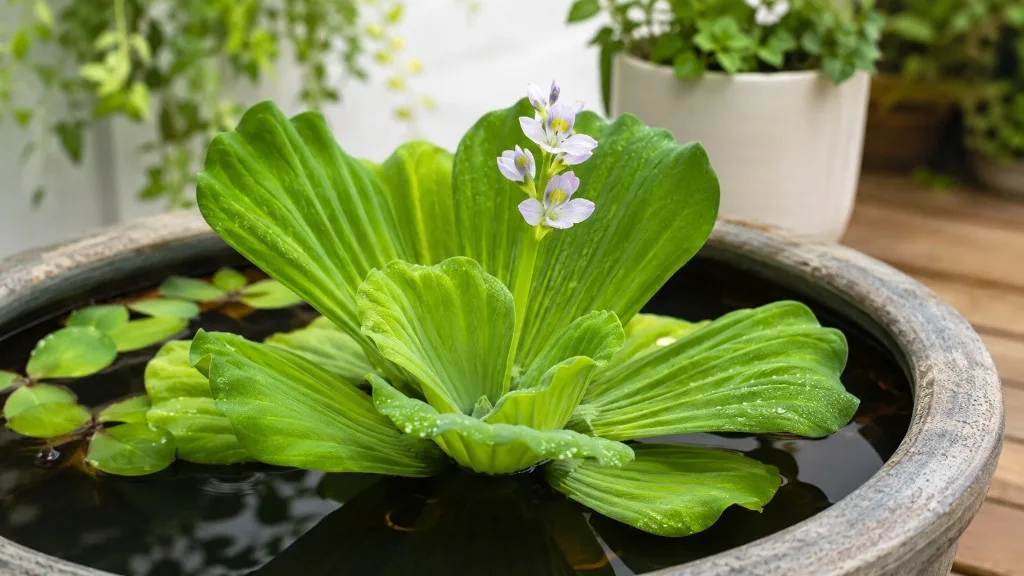
Houseplant watering advice fails here for a simple structural reason: water lettuce has no substrate root system doing the work. The rosette sits on the surface like a tiny floating head of lettuce, held up by air trapped in fine leaf hairs. Below it, pale roots dangle into the water column and absorb dissolved nutrients, oxygen, and water directly. There is nothing to soak, nothing to drain, and no saucer to empty. Extension guides from the University of Wisconsin Master Gardener program state plainly that water lettuce obtains all the moisture it needs from the surrounding water and that there is no need to water the plants directly - but there is a need to monitor water levels and replenish as evaporation pulls the surface down.
That distinction matters because half the “water lettuce care” pages online recycle houseplant templates: check if soil is dry, water thoroughly until runoff, empty the saucer. Follow that logic and you will either ignore a real problem (roots exposed when a patio tub drops two inches in August) or create a fake one (worrying about “overwatering” a plant that cannot be overwatered in the horticultural sense). For Pistia stratiotes, overwatering is not a category. Bad water - too cold, chlorinated, stagnant, nutrient-starved, or polluted - is.
How Floating Roots Absorb Everything the Plant Needs
Understanding how the plant drinks clarifies what you manage. Water lettuce is a column feeder. Nitrogen, phosphorus, potassium, and trace elements enter through the root surface and, to a lesser extent, through the underside of floating leaves in contact with the film of surface water. The roots also provide habitat - fry, shrimp, and small invertebrates hide in the mesh - but biologically they are the plant’s straws and forks at once.
In a well-stocked aquarium or nutrient-rich pond, the plant can grow aggressively without deliberate fertilizer because fish waste and decaying organics supply nitrogen. In a clean, lightly stocked display tank, the same plant may stall not because you “didn’t water it” but because the water column is too clean - low nitrate, low phosphate, nothing for the roots to pull. Phytoremediation research shows water lettuce efficiently removes nitrogen from eutrophic water - it thrives in nitrate-rich water and works as a living filter for high-bioload systems. That is an advantage in turtle tanks and goldfish tubs. It is a maintenance signal in sparse aquascapes where you may need liquid fertilizer dosed to the water, not granules pushed into gravel.
Roots should stay fully submerged at all times. Extension guidance recommends keeping roots covered with several inches of water below the floating rosette. If you can see dry root tips or the rosette sitting in a damp depression rather than true open water, level maintenance is already overdue.
Keeping Water Levels High Enough for Dangling Roots
Water level is the closest real-world equivalent to “watering” water lettuce. In a pond, preformed liner, whiskey barrel tub, or aquarium, the surface must stay high enough that trailing roots never air-dry. Summer sun, wind, and room heating accelerate evaporation; a container that held twelve inches of depth in May may hold nine in July without a leak - the water went into the air, not out a crack.
Mark a reference line on outdoor containers with tape or a permanent marker at the normal full level. Check it twice weekly in hot weather, weekly in mild seasons. Top up with water that matches the existing volume’s temperature and treatment (dechlorinated, not raw shock-cold hose water dumped on a 80°F pond). For large ponds, a float-valve auto-fill tied to a dechlorinated source saves daily hauling; for small tubs, a two-gallon watering can of matched water works fine - just remember you are replacing evaporated volume, not performing a full water change every time.
Daily and Weekly Evaporation Top-Up Routine
Evaporation rate depends on surface area, sun exposure, wind, and air temperature - not a fixed calendar. Use this practical rhythm:
- Small patio tubs and aquariums (under 50 gallons): glance at the reference line daily in summer; top up every two to four days as needed.
- Medium container ponds (50–300 gallons): check twice weekly in heat; weekly in spring and fall.
- Large in-ground ponds: weekly surface checks are usually enough unless drought and wind combine; auto-fill preferred.
When topping up, add water slowly along the edge to avoid dumping cold strata under the floating plants. If you must use a hose, let it run briefly until warm water flows, or fill a barrel and let it sit 24 hours to match ambient temperature and dissipate chlorine. The volume you add in a top-up is typically 5–15% of total volume - far less than a partial water change. That matters because frequent small top-ups concentrate dissolved minerals (calcium, nitrate, TDS) as pure water evaporates and salts stay behind. Top-ups handle level; they do not replace scheduled water changes that export waste.
After Rain: When to Drain Instead of Top Up
Rain complicates level management. A thunderstorm can overfill a container pond, dilute water chemistry, and push floating plants against overflow edges where rosettes pile up and tear. If rain raised the level above your mark, remove excess rather than letting the system stay swollen - diluted KH drops pH stability; overflow out the side can carry plants into storm drains connected to natural waterways, which is both an ecological and legal problem for an invasive species.
After heavy rain, skim debris, verify plants are free-floating with space between rosettes, test pH if you keep fish, and drain back to the reference line. If rain only slightly raised a tub that was low from prior evaporation, you may need no action - but inspect roots either way. Muddy runoff from lawn fertilizer is worse for water lettuce than clear tap water; a partial drain and replace with clean dechlorinated water may be necessary if the surface turned cloudy or foamy.
Water Temperature Targets for Active Growth
Water lettuce is tropical. Growth is temperature-gated in a way houseplants rarely are. The University of Wisconsin Extension bulletin cites 72–86°F (22–30°C) as the active growth band, with growth essentially stopping when water falls below 60°F (15°C). Below 65°F, rosettes stay small, yellow, and nearly static even if water quality is perfect.
Temperature is not a background detail - it is a switch. Warm water increases metabolic rate, root elongation, and daughter-plant production. Cold water does not always kill immediately, but it puts the plant in suspended animation. A keeper who blames “bad water quality” for a stalled plant in an unheated spring tub may simply be fighting 52°F water after a cold snap.
Use a submersible or floating thermometer in every setup. Air temperature lies. A greenhouse bench can read 70°F while the water tub against concrete holds 58°F. In aquariums, trust the heater display only after verifying with a second thermometer - heater failures show up in floating plants before fish stress in some cases.
Frost Line, Cold Ponds, and Indoor Winter Tubs
Water lettuce is extremely frost-sensitive. Freezing surface ice destroys tissue; repeated nights in the low 40s°F without recovery heat finish the plant even if midday sun feels mild. In USDA zones 9–11, outdoor ponds may carry plants year-round if water stays above ~60°F. Everywhere else, treat outdoor water lettuce as seasonal unless you move it indoors.
The UW Extension overwinter method that actually works for hobbyists: transfer plants to a clear container of rainwater or dechlorinated tap indoors before nights hit the low 40s°F, place in very bright light (south window or grow light), and keep water at least 50°F - warmer is better. Plants languish through short winter days but revive when spring lengthens photoperiod and water warms. Do not attempt to “water” them with mist or soil moisture; keep the water volume and temperature stable. Some guides mention damp sand storage - that is emersed holdover, not normal culture, and failure rates are high for beginners. Stay floating in water.
For outdoor ponds approaching frost, harvest plants to indoor tubs or accept annual replacement. Never rely on ice covering roots; water lettuce is not a submerged winter hardy species like some pond lilies whose growing tips sit deep below ice.
pH and Hardness for Water Lettuce
pH 6.0–7.5 is a practical hobby range, with BMP guidance favoring pH 6.5–7.2 in mesotrophic to eutrophic water. The U.S. Fish and Wildlife Service Ecological Risk Screening Summary notes research showing particularly vigorous growth near pH 7 in field conditions, despite lab cultures tolerating more acidic water. For you, that means neutral freshwater - not brackish, not lime-heavy hardscape leaching, not peat-driven pH crashes.
General hardness (GH) is flexible. Soft to moderately hard tap water works. Problems appear at extremes: very soft RO water without remineralization can starve calcium-dependent processes; heavy lime or salty water stresses the plant - keep salinity near zero in standard freshwater setups.
Stability beats chasing perfect numbers. A pond at pH 7.2 with steady KH buffers outperforms a tank swinging from 6.5 to 7.8 daily under CO₂ injection. Water lettuce is forgiving; rapid chemistry swings after huge water changes are not.
Tap Water, Dechlorination, and RO Remineralization
Tap water is fine for water lettuce after dechlorination and temperature matching. Municipal water contains chlorine or chloramine that damages aquatic tissue and biofilter bacteria; dose dechlorinator per label for the volume you add, whether topping up a tub or changing an aquarium. Chloramine requires a product that neutralizes both chlorine and ammonia bonds - standard dechlorinators handle this when dosed correctly.
Never blast floating plants with undehlorinated cold tap during a top-up. The chlorine hit stresses roots; the temperature shock stalls growth. Fill a container, treat it, let it sit to match ambient temp, then add.
RO or distilled water alone is too stripped for long-term culture unless you remineralize. If your tap is unusable (high copper, extreme TDS), rebuild GH and KH with a planted-tank remineralizer before any add or change. Water lettuce will float in bare RO briefly, but yellowing and dwarfing follow over weeks as the column lacks calcium, magnesium, and buffer.
Rainwater collection works if pollution and roof contaminants are controlled - many overwinter keepers use stored rainwater successfully per UW Extension notes. Screen debris, avoid asphalt shingle runoff if water smells or oils surface, and treat if wildlife contamination is likely.
How Often to Change Water vs. Simply Adding More
Beginners conflate topping up and changing water. They are different tools.
Top-up: replaces evaporated pure water; restores level; does not remove nitrate, phosphate, or dissolved organics; concentrates salts over time.
Partial water change: removes 25–30% of volume and replaces with clean treated water; exports waste, resets TDS creep, stabilizes nitrate in stocked tanks.
For aquariums with water lettuce and fish, a 25–30% partial change every one to two weeks is a solid baseline, with top-ups between changes as evaporation demands. Align change frequency with your bioload; turtle tanks may need weekly changes despite heavy planting.
For outdoor container ponds, change 20–40% monthly in summer if fish are present, or drain and refresh seasonally if only plants inhabit a small tub. Large balanced ponds with filtration may need only top-ups and occasional skimming - but watch TDS or nitrate if growth explodes then crashes.
If water smells earthy, turns tea-colored from tannins, or develops persistent surface scum, a partial change beats repeated top-ups. Clear water with zero nitrate in a planted tank can also signal underfeeding of the system - the plant has nothing left to absorb - which is a water-quality problem disguised as success.
Aquarium-Specific Water Maintenance
Indoor aquariums add wrinkles ponds do not share. Surface area is small, evaporation is slow but steady, and heaters define the temperature band tightly - usually ideal for water lettuce if set 74–78°F for tropical community fish. Goldfish-unheated tanks in the high 60s°F grow water lettuce slowly but often more compactly, which some aquascapers prefer.
Filtration circulation matters indirectly. Strong surface agitation increases gas exchange - good for fish - but can push floating rosettes into filter intakes. Use a floating corral or divert flow so plants stay in quiet water while the tank processes waste. The plant cleans nitrate, but it cannot replace a cycled filter; ammonia and nitrite spikes still kill roots before you notice yellow leaves.
Humidity Lids and Low Surface Conditions
Aquarium keepers rarely see this advice on generic pond pages: in open-top tanks, low humidity and intense lighting curl leaf edges and brown tips even when water chemistry tests fine. Extension guidance identifies dry air and light burn as primary indoor failure modes - not “underwatering.” Lowering water slightly to increase humid air space below a partial glass lid, or reducing glare from metal halide proximity, fixes symptoms no amount of water changing solves.
If you run a tight lid for humidity, watch condensation drip - it can rot rosette centers if water pools in leaf cups. Vent the lid slightly and wipe pooled water during weekly maintenance. The water you manage is still the tank volume; humidity is about air interface, not soil moisture.
Pond and Container Garden Water Schedules
Outdoor ponds and container water gardens follow seasonal rhythm more than clock rhythm. In spring, after last frost, place water lettuce on the surface when water holds above 65°F consistently. Early cold water produces purchased plants that sulk until June - buyers blame seller quality when temperature was the blocker.
Summer: evaporation top-ups peak; thin overcrowded mats so no more than 60–70% of surface is covered - full coverage blocks gas exchange and can crash oxygen at night. Fall: harvest for indoor tubs before nights drop to the 40s°F. Winter: outdoor plants die or go dormant in cold zones; do not attempt hose top-ups onto ice.
Windy exposed decks increase evaporation and physical damage - torn leaves leak sap and invite rot. A partial windbreak improves both water retention and plant integrity. Water Lettuce light guide ponds may need afternoon shade in hot climates to prevent leaf scorch; scorched tissue does not recover by adding water - you adjust exposure or provide shade cloth.
Turtle Tank Water Quality and Safe Sourcing
Turtle keepers use water lettuce for shade, nitrate uptake, and occasional grazing. The water management bar is higher because turtles produce heavy bioload and often crush roots when surfacing. Strong filtration and frequent partial changes (30–40% weekly in many setups) matter more than plant count alone.
Sourcing determines whether “clean water” is safe: nursery plants may carry pesticides, copper-based treatments, or snails. Quarantine in a separate tub of dechlorinated water one to two weeks, rinse roots gently, inspect for hitchhikers, and never introduce plants from uncertain outdoor ponds into a closed turtle system. The Tortoise Table and reptile keepers note Pistia is generally acceptable in filtered turtle habitats in moderation - but polluted source water on the plant is the risk, not the species chemistry.
Turtles may eat roots and rosettes. That is normal; maintain enough plants to replace grazed material and keep water quality the priority - a dead filter with living plants still crashes ammonia. Water lettuce helps the nitrogen cycle; it does not replace it.
Nutrients Dissolved in Water: Nitrate, Phosphate, and Balance
Water lettuce pulls nutrients from the water column, which is why it clarifies green-water tubs - until it hits starvation. In ultra-clean RO tanks with no fertilizer, yellowing begins at older leaf edges while roots stay white and long. Dose a balanced liquid aquarium fertilizer at low label rates to the water, not substrate tabs.
Excess swings the other way: overfed fish, lawn runoff, or heavy phosphate fuels algae blooms that coat roots and block light. The fix is export - partial changes, reduced feeding, shade - not rinsing leaves with a watering can. Algae on roots feels like a watering problem; it is a nutrient and light balance problem in the water body.
Ideal nitrate for active growth often sits in the 10–40 ppm range in stocked freshwater systems - broad, but useful. Test monthly in turtle and goldfish tubs where feeding is heavy. Zero nitrate with yellowing floating plants means add controlled fertilizer; sky-high nitrate with algae means change water and reduce inputs.
Quarantining New Water Lettuce in Separate Water
Any new floating plant carries water from the seller’s system - different pH, hardness, pathogens, snails, or pesticides. Float new water lettuce in a quarantine tub of your treated water for 7–14 days before merging with pond, display tank, or turtle habitat. Match quarantine tub temperature to destination within 2–3°F before transfer.
During quarantine, perform two partial changes of the small tub volume to dilute seller water. Observe for snail eggs, melted leaf tips, or odd root discoloration. Discard plants that arrive brown or chlorine-bleached - they rarely recover. This step is water management at the system boundary, the aquatic equivalent of isolating a new houseplant before Water Lettuce repotting guide into your mix - except the “pot” is the entire water volume.
Troubleshooting Water Problems Before the Rosettes Decline
Symptoms map to water failures more reliably than light failures for beginners:
Yellowing rosettes, slow pup production: check temperature first (below 65°F?), then nitrate (near zero?), then light as secondary. Cold water plus clear water is the common double hit in spring tubs.
Brown, crispy leaf tips in aquarium: humidity and glare before fertilizer; partial lid or light adjustment.
Roots exposed, white and brittle above water line: evaporation top-up overdue; refill to reference mark with treated matched-temp water.
Sudden melt after maintenance: large cold water change or forgotten dechlorinator; scale back change volume, always treat and match temp.
Plants vanish overnight after frost: not a disease - frozen tissue; replace or overwinter indoors next season.
Tiny rosettes, long roots, pale color: often nutrient-poor water in clean tank; fertilize column or increase bioload modestly.
Run temperature, nitrate, and pH tests before buying replacement plants - swapping stock without fixing water repeats the cycle.
Responsible Disposal and Invasive Species Overflow Rules
Water management includes where water and plants go when they leave your system. Pistia stratiotes is invasive across much of the United States - prohibited or restricted in states including Florida, Texas, Wisconsin, Connecticut, and others per FWS and state noxious weed lists. Never dump plants or pond water into streams, lakes, storm drains, or natural wetlands. New introductions often trace to aquarium and pond disposal and overflow during floods.
Remove excess growth weekly in summer. Seal plants in a plastic bag and trash them, or compost far from open water. Educate household members - one “helpful” dump into a local canal creates legal and ecological damage. When draining a tub, pour onto lawn or sanitary sewer per local rules, not into roadside ditches that connect to watersheds.
Your watering practice ends at the system edge. What you add matters; what you release matters more.
Conclusion
Water lettuce watering is a misnomer that sends keepers hunting for soil moisture advice that does not apply. Pistia stratiotes lives entirely in water - floating, not planted - and depends on you to maintain level against evaporation, hold temperature in the 70–86°F growth band (or accept slow growth cooler and death by frost), and manage quality through dechlorinated source water, partial changes that export waste, and column nutrients that feed dangling roots. Top up small tubs every few hot days; change 25–30% in stocked aquariums every one to two weeks; move plants indoors on water before frost; quarantine new arrivals in separate treated water; never release excess to wild waterways. Master the water body itself and the rosettes spread; chase a watering can and the plant never had a chance.
When to use this page vs other Water Lettuce guides
- Water Lettuce overview - Start here for whole-plant context before deep-diving this topic.
- Water Lettuce problems hub - Jump to symptom-specific fix guides when this care topic does not resolve the issue.
Related Water Lettuce guides
- Water Lettuce overview
- Water Lettuce light
- Water Lettuce soil
- Water Lettuce propagation
- Water Lettuce fertilizer
- Water Lettuce repotting
- Water Lettuce problems
Related tool
Try the Plant Watering Calculator with water-lettuce pre-selected to estimate needs for your setup.