Water Lettuce Soil Guide: No Substrate, Floating Setup
Water Lettuce Soil Guide: No Substrate, Floating Setup, and Pond Context
Water Lettuce Soil Guide: No Substrate, Floating Setup, and Pond Context
If you searched for water lettuce soil and expected a peat-perlite recipe or a bag of aquarium gravel, you are in the right place - but the answer is not what most houseplant guides would suggest. Water lettuce does not grow in potting soil. It is a free-floating aquatic plant that lives on the water surface and draws nearly everything it needs from the water around it through a curtain of dangling roots. On plant-care sites like this one, the “soil” topic slot for aquatics covers growing medium context: the water itself, optional pond sediment nutrients below, and whatever substrate happens to sit at the bottom of a tank - even though water lettuce never roots into any of it by design.
This guide explains what growing medium water lettuce actually uses, why aquatic “soil” pages exist, and how to set up aquariums, ponds, and turtle tanks so your rosettes stay green, spread at a manageable pace, and do not turn into a nutrient or invasive problem.
If symptoms persist, see the Crispy Leaves on Water Lettuce guide.
Why water lettuce “soil” means water, not potting mix
Terrestrial plant hubs organize care by light, watering, soil, fertilizer, and Water Lettuce repotting guide. That structure works for pothos and peace lilies because soil is the primary growing medium - roots live in it, water moves through it, and nutrients are stored and released within it. Water lettuce breaks that model completely. It has no meaningful connection to terrestrial soil, and treating it like a potted plant is one of the fastest ways to kill it.
How aquatic plant care guides use the soil topic slot
For aquatics, the soil topic slot is a catch-all for substrate and growing-medium decisions that affect the plant’s environment, even when the plant does not root into substrate. Anacharis guides talk about gravel grain size because stems get buried for anchoring. Cryptocoryne guides discuss aquasoil because those plants are root feeders. Water lettuce guides use the same slot differently: the “growing medium” is the water column and, in outdoor ponds, sometimes the nutrient exchange between water and bottom sediment. The bottom of the tank or pond may have gravel, sand, clay, or organic muck, but water lettuce interacts with that zone indirectly - through dissolved nutrients that leach or cycle upward - not through roots planted in it.
If you are browsing a water lettuce hub and land on the soil page, read it as “what physical and chemical environment does Water Lettuce overview grow in?” rather than “what bag of mix do I buy?” That reframing saves money, prevents tank disasters, and matches how the plant actually lives in nature.
What water lettuce actually needs to survive
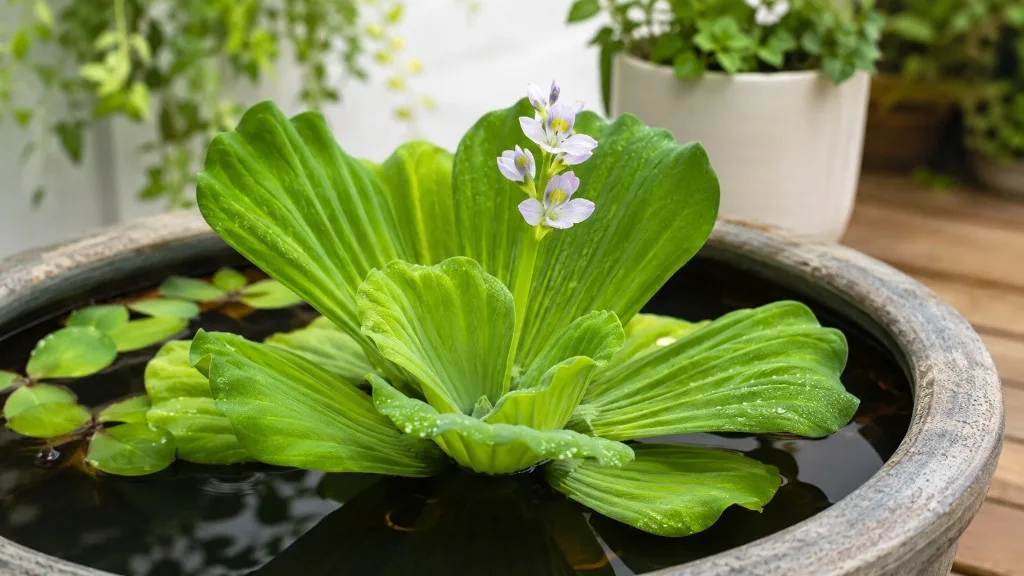
Water lettuce - Pistia stratiotes, also called water cabbage or Nile cabbage - is a member of the Araceae family and one of the most recognizable floating plants in the aquarium and pond hobby. Each plant forms a velvety rosette of gray-green leaves that sit on the water surface like tiny floating heads of lettuce, with dense white hairs that help buoyancy. Beneath the rosette, a mass of fine, feather-like roots hangs unbranched into the water, sometimes reaching 50 cm (about 20 inches) below the surface in mature colonies. Those roots are not anchors into sediment; they are nutrient harvesters suspended in the water column.
What water lettuce needs is clean freshwater, warm temperatures, adequate light, calm or slow-moving surface water, and access to dissolved macronutrients (nitrogen, phosphorus, potassium) plus trace elements. It does not need pots, drainage holes, coco coir, perlite, or aquarium gravel for its own growth. Give it those aquatic conditions and it will multiply through daughter rosettes on horizontal stolons; deny it water or bury it in dry soil and it will die within hours.
Water lettuce is a free-floating plant - no substrate required
Water lettuce does not require substrate to grow. Full stop. You can start a healthy colony by placing individual rosettes on the surface of a bare-bottom aquarium, a plastic tub, a patio water bowl, or a farm pond. Within weeks, daughter plants bud from stolons and the mat expands across any open water you give it. Aquarium and pond care references consistently list substrate for water lettuce as unnecessary because the plant never establishes the kind of root system that gravel or aquasoil is designed to support.
That does not mean substrate is forbidden in a water lettuce tank. Many aquariums have gravel, sand, or soil under the water. Water lettuce simply ignores that layer for its own growth. The substrate may matter enormously for other plants, beneficial bacteria, or ease of cleaning, but for water lettuce it is background infrastructure. If your only goal is a floating plant for shade, nutrient uptake, turtle grazing, or natural filtration, a bare-bottom container with a gentle filter and a light source is a perfectly valid - and often easier to maintain - setup.
The practical planting method reflects this biology: add water lettuce to the water surface and spread rosettes with space between them so each plant receives light. Do not attempt to “plant” water lettuce in the bottom substrate. Do not press rosettes under gravel. Do not mix water lettuce into potting soil and expect it to grow like a terrestrial seedling. Those approaches fail because water lettuce leaves must contact air at the surface while its roots contact water below. The USDA PLANTS Database classifies Pistia stratiotes as a free-floating forb/herb, and the USGS Nonindigenous Aquatic Species program describes it as a floating macrophyte that forms dense mats on still or slow-moving freshwater - never as a rooted bottom plant.
The water column is water lettuce’s real growing medium
When horticulturists ask “what growing medium does this plant use?” they mean the material that supplies water, oxygen, and minerals. For water lettuce, that material is water itself - specifically the surface layer where rosettes float and roots hang. Think of the aquarium or pond as a living nutrient solution. Water lettuce is adapted to harvest ions dissolved in that solution through its submerged root mass, much the way hydroponic crops harvest nutrients from recirculating water.
This is why water quality parameters matter more than anything you put on the bottom. pH, hardness, ammonia, nitrate, phosphate, temperature, and light penetration through the surface mat all shape growth rate and leaf color. A tank with pristine gravel but nutrient-starved water will grow small, pale rosettes. A pond with rich bottom muck and still, sun-warmed water may explode with green cover in summer. The medium is the water; everything else is context.
Nutrients water lettuce absorbs through its dangling roots
Water lettuce takes up nutrients primarily from the water column through its submerged roots. Research on Pistia stratiotes in phytoremediation and stormwater treatment consistently identifies nitrogen and phosphorus as the main drivers of biomass production, with the plant’s dense root system acting as a biological filter that traps particulates and absorbs dissolved nutrients. A peer-reviewed study published in Environmental Pollution on water lettuce used in eutrophic stormwater detention ponds found that the species effectively removed nitrogen and phosphorus from the water column, improving water quality metrics over multi-week growing periods - evidence that the plant’s “soil” is genuinely the water it floats in.
In aquariums with fish, fish food and waste often supply enough nitrogen and phosphorus that water lettuce grows without deliberate fertilization. In sterile culture containers or nutrient-poor ponds, growth stalls until you add fertility - through liquid aquarium fertilizers, controlled inputs in outdoor ponds, or fish stocking. The lever you adjust is always the water’s nutrient profile, not the gravel color at the bottom.
Water lettuce also provides ecological services beyond nutrient uptake. Its roots offer shelter for small fish and invertebrates, shade submerged plants from excessive light, and reduce algae pressure by competing for nutrients and blocking sunlight at the surface. Those benefits flow from healthy floating growth in clean water - not from any substrate recipe.
Phytoremediation and what fast growth tells you
Because water lettuce grows rapidly under warm, nutrient-rich conditions, it is widely studied for phytoremediation - using living plants to strip excess nitrogen, phosphorus, and some heavy metals from wastewater and stormwater. Aquatic plant management guidance notes that under optimum conditions, water lettuce populations can reach densities of around 100 plants per square foot, with vegetative reproduction through stolons driving most of the seasonal spread. That growth potential is limited primarily by temperature and nutrient availability, not by substrate depth.
For home hobbyists, fast summer growth in a pond is a signal that the water column is fertile - often from fish waste, runoff, or rich bottom sediment releasing nutrients. In aquariums, pale or stunted rosettes usually mean the water column is lean, even if rooted plants below look fine drawing from substrate zones water lettuce cannot access. When diagnosing weak water lettuce, test nitrate and phosphate, review feeding levels, and adjust water-column fertility before you buy substrate products.
Pond sediment and bottom muck - optional, not essential
Outdoor ponds complicate the picture in a useful way. Water lettuce still floats on the surface and feeds from the water column, but pond sediment - decaying leaves, clay, organic muck - acts as a slow-release nutrient reservoir. In eutrophic ponds with agricultural or residential runoff, nutrient-rich bottom sediments and incoming water can fuel astonishing water lettuce colonization. That is one reason the species is managed as a serious aquatic weed in warm climates: it efficiently exploits dissolved nutrients when temperature and fertility align.
Bottom sediment is optional enrichment, not a requirement. Water lettuce grows in lined tubs with no mud, in concrete reflecting pools, and in aquariums with inert sand. In natural ponds, sediment helps sustain the nutrient cycle, especially across seasons when fish waste, leaf drop, and microbial activity recharge the system. University of Florida BMP guidance notes that water lettuce plants will sometimes root in soft, saturated sediments when stranded by drought or wave action, but that is an exceptional survival response - not normal growth mode. You are not “planting” water lettuce into that soil layer under typical conditions.
The distinction matters for management. In a pond with rich sediment and warm sun, water lettuce can become invasive-thick - shading submerged plants, reducing gas exchange, and frustrating pond owners who skim buckets weekly. Harvesting surface mats is pond maintenance, not harvesting soil. Sediment nutrients explain the speed of growth; they do not change the fact that water lettuce’s physical medium is still water.
Aquarium setups: bare bottom, gravel, and planted tanks
Aquarium keepers routinely run water lettuce in three substrate configurations. All can work because water lettuce interfaces with water, not the bottom.
Bare-bottom tanks and floating rosettes
Bare-bottom aquariums are ideal for dedicated floating plant cultures, turtle feeding tanks, and breeding setups where easy waste removal matters. Add water lettuce directly to the surface after dechlorinating tap water. Use a gentle sponge filter to avoid sucking rosettes into intake slots, and provide medium to strong light for compact green growth. Without fish, you will likely need light water-column fertilization to prevent nutrient starvation.
Bare bottoms also make overcrowding visible. When the surface is mostly covered, growth rate per rosette drops because light competition intensifies and lower roots may decay in self-shaded water. Skim excess plants weekly and compost or discard them responsibly - never release water lettuce into natural waterways where it is regulated or ecologically disruptive.
When roots touch substrate - and why it does not matter
Occasionally, long water lettuce roots drift down and contact aquarium gravel, sand, or aquasoil without rooting into it the way a crypt or sword plant would. Some hobby guides mention roots “growing into” substrate, but this is incidental contact, not dependency. The roots remain suspended feeders; burying the rosette to force rooting is unnecessary and harmful.
If you run a planted tank with rich substrate and rooted species, water lettuce still depends on what dissolves into the water column. A beautiful aquasoil carpet below does not replace the need for available nitrogen and phosphorus in the water above it. Float a small starter portion on the surface and monitor spread so it does not block light to submerged plants. If water lettuce looks pale despite rich substrate, the limiting factor is likely water-column availability, not substrate depth - a common point of confusion for hobbyists who assume all plants pull from the dirt they see at the bottom.
Why ordinary potting soil fails with water lettuce
Ordinary potting soil cannot serve as a growing medium for water lettuce. Potting mixes are engineered for terrestrial roots in drained containers - high organic matter, perlite for aeration, and moisture retention that assumes air fills pore spaces between waterings. Submerge that mix and you get muddy water, anaerobic zones, ammonia spikes, and cloudy tannins. Water lettuce rosettes pressed into wet potting soil lose surface contact with air and rot.
Some online articles blur lines by describing natural habitats where water lettuce grows in “shallow water with muddy substrate.” In those wild settings, the plant still floats on the surface; the mud below enriches the water, not the rosette’s physical attachment. The plant is not growing inside a drained pot of houseplant mix. If you are setting up an indoor aquarium or turtle tub, do not use bagged houseplant soil as a substitute for aquarium substrate unless you are following a vetted capped-soil method for other plants - and even then, water lettuce still floats above the cap; it never grows inside the mix.
The failure mode is predictable: a beginner reads “soil” on a plant page, dumps potting mix into a tank, and wonders why water lettuce turned brown while the water smells. The fix is to remove the terrestrial soil, reset the tank with appropriate aquarium substrate if you need one at all, and restart water lettuce on the water surface only.
Adding water lettuce to ponds and aquariums
The planting process for a floating plant is almost embarrassingly simple, which is why the “soil” question causes so much confusion - there is nothing to bury.
For ponds, add water lettuce in spring after water temperatures stay consistently warm. Spread individual rosettes on calm, current-free surface areas. The ideal spot has no strong inflow or waterfall, because moving water pushes rosettes underwater and stresses the colony. If your pond has circulation, create a calm pocket using a floating ring made from airline tubing and suction cups, a hula hoop, fishing line anchors, or rocks placed to break current. Start with a modest number of plants; summer growth can cover a large surface area from a small starter batch.
For aquariums, rinse purchased plants gently, quarantine if collected from unknown sources, and float rosettes on the surface away from filter outflow. Spread them thinly so each rosette receives light. Within days, stolons will produce daughter plants. No substrate preparation step exists because none is needed.
For indoor overwintering in cold climates, move plants to a warm container of pond or aquarium water under bright artificial light before the first frost. Some guides mention a thin layer of sand or soil at the bottom of the overwintering tub - that sediment is for stabilizing the container ecosystem or supporting incidental rooting during storage, not because water lettuce requires soil to live. The rosettes still float on the surface throughout normal active growth.
Water temperature, pH, and hardness
Water lettuce is a tropical floating perennial sensitive to cold. Growth thrives between roughly 70°F and 86°F (21°C to 30°C). Below about 50°F (10°C), plants decline sharply, and freezing temperatures kill them outright in temperate climates. That cold sensitivity is a biological constraint independent of substrate - you cannot compensate for winter die-off by planting water lettuce in pond mud.
Water chemistry matters because the water column is the growing medium. BMP guidance recommends pH 6.5 to 7.2 in mesotrophic to eutrophic waters with sufficient calcium, within a broader hobby range of pH 6.0 to 7.5. Water lettuce tolerates soft to moderately hard freshwater but is sensitive to salinity and lime-heavy water - keep salinity near zero in standard freshwater setups. These parameters shape nutrient availability in the water - the actual “soil” water lettuce feeds from.
Test ammonia, nitrite, and nitrate in aquariums, especially turtle tanks where waste loads fluctuate. High ammonia burns roots and rosettes alike. Stable, dechlorinated water with moderate fertility supports the velvety leaf texture that signals health.
Current, surface area, and floating containment
Water lettuce prefers still or slow-moving water. Strong filter outflow, powerhead currents, and waterfall splashing push rosettes underwater, where they lose buoyancy advantage and may yellow or decay. In aquariums, deflect flow with sponge filters, baffles, or floating rings that create calm surface pockets. USGS species data notes the plant inhabits still or slow-moving freshwater - gentle flow and surface skimmer guards help in aquariums.
Surface area matters more than total depth. A wide shallow tub colonizes faster per volume than a tall narrow vase because water lettuce spreads horizontally across the air-water interface. In ponds, wind piles mats into leeward corners - harvest those corners before they shade the entire surface and trap heat.
Light interacts with the growing medium too. Dense mats self-shade lower rosettes and reduce gas exchange at the surface. Regular thinning is part of medium management as much as water changes are. A healthy mat covers enough surface to provide shade and nutrient uptake without forming a solid green blanket that suffocates everything below.
Turtle tanks, ponds, and outdoor water gardens
Turtle tanks are a common water lettuce use case, and the growing-medium rules are the same: float on clean dechlorinated water, no potting soil, no burying. Turtles graze water lettuce readily, and the long roots provide enrichment and partial nutrient uptake from tank water. Use plants from clean nursery or aquarium sources, rinse well, and avoid specimens from water bodies treated with pesticides, copper, or herbicides. Substrate in turtle tanks is often large gravel or bare glass for easy cleaning - both are compatible because water lettuce does not root into them.
Sourcing matters as much as medium. The Tortoise Table notes water lettuce is not toxic in small quantities but should be fed sparingly to tortoises due to oxalates and pollution risk. Confirm current guidance for your specific pet before relying on foraged plants. Clean water is the growing medium; polluted water makes even the right plant unsafe.
Garden ponds offer natural surface area and sunlight. Bottom sediment provides long-term nutrient cycling, but invasive spread and legal restrictions are the main risks. USDA and state noxious weed listings flag water lettuce as prohibited or regulated in several jurisdictions - Wisconsin lists it as prohibited, and multiple southeastern states classify it as a serious aquatic weed. Skim excess weekly in hot months, and never introduce water lettuce to natural waterways where it can escape and colonize. In water gardens with lilies and submerged plants, maintain open water patches so water lettuce does not starve everything else of light.
Outdoor container water gardens - half barrels, stock tanks, patio bowls - work well if you treat the water as the medium. A thin layer of aquatic pond soil at the bottom can support potted lilies while water lettuce floats above. That soil is for the lily’s roots, not for water lettuce.
Common growing-medium mistakes
Most water lettuce failures trace back to misunderstanding the growing medium rather than neglecting a mythical soil recipe.
Using potting soil in water is the biggest mistake. It clouds water, spikes ammonia, and does not help water lettuce grow.
Burying rosettes in gravel is the second. Some hobbyists try to “anchor” water lettuce like a stem plant. Leaves need the surface; submerged burial rots them.
Assuming rich substrate feeds floaters leads to pale water lettuce in beautifully planted tanks. Without water-column nutrients, floaters starve while rooted plants thrive.
Ignoring current pushes rosettes under water daily. Calm the surface or contain plants in a floating corral.
Letting mats cover 100% of the surface crashes growth rate, blocks light to submerged plants, and reduces gas exchange. Harvest is maintenance, not optional.
Adding water lettuce to cold ponds too early wastes plants regardless of bottom sediment quality. Wait for stable warm water.
Releasing excess plants into natural waterways spreads an invasive species and may violate local law. Dispose of surplus on land away from drainage ditches and streams.
Troubleshooting yellowing, melting, and overcrowded mats
Yellow or pale rosettes usually mean insufficient nitrogen, excessive direct sun burning leaves, or cold water stress. Increase fertility modestly in fishless setups, provide afternoon shade in hot outdoor ponds, and verify temperatures stay in the tropical range. Nutrient starvation shows first in floating plants because they cannot mine substrate the way rooted species sometimes can.
Small rosettes with stunted roots can indicate nutrient limitation, self-shading in a too-thick mat, or low light indoors. Thin the surface cover, increase lighting intensity within safe bounds for tank inhabitants, and test nitrates.
Explosive summer growth clogging the pond means nutrient-rich water and adequate warmth - success, with housekeeping attached. Skim regularly, reduce runoff inputs if nutrients are excessive, and maintain open water for gas exchange.
Rosettes dissolving or sinking often follow strong current, copper-based medications, or burial under foam and decor. Check filter placement, recent treatments, and whether outflow is submerging plants.
Winter die-off in outdoor ponds is expected in temperate zones. Overwinter a few rosettes indoors in warm, lit water rather than attempting to “plant” them in pond mud for protection.
Conclusion
Water lettuce’s growing medium is water, not potting soil. On aquatic plant-care hubs, the soil topic explains environment context - the water column, optional pond sediment nutrients, and whatever aquarium substrate sits below - even though water lettuce never roots into it under normal conditions. Set up clean, dechlorinated water with calm surface conditions, warm temperatures, adequate light, and balanced dissolved nutrients; float a small starter colony on top; and harvest before the mat smothers itself or escapes your control. Substrate beneath the water is optional infrastructure for other organisms, not a requirement for water lettuce itself. Understand that distinction and you avoid the most expensive, messy mistakes while growing one of the most effective floating filters and shade plants available to aquarium keepers, pond owners, and turtle enthusiasts.
When to use this page vs other Water Lettuce guides
- Water Lettuce overview - Start here for whole-plant context before deep-diving this topic.
- Water Lettuce problems hub - Jump to symptom-specific fix guides when this care topic does not resolve the issue.
Related Water Lettuce guides
- Water Lettuce overview
- Water Lettuce watering
- Water Lettuce light
- Water Lettuce propagation
- Water Lettuce fertilizer
- Water Lettuce repotting
- Water Lettuce problems
Related tool
Try the Soil Mix Calculator with water-lettuce pre-selected to estimate needs for your setup.