Water Lettuce Fertilizer Guide: Liquid, Pond, and Copper
Water Lettuce Fertilizer Guide: Liquid, Pond, and Copper
Water Lettuce Fertilizer Guide: Liquid, Pond, and Copper
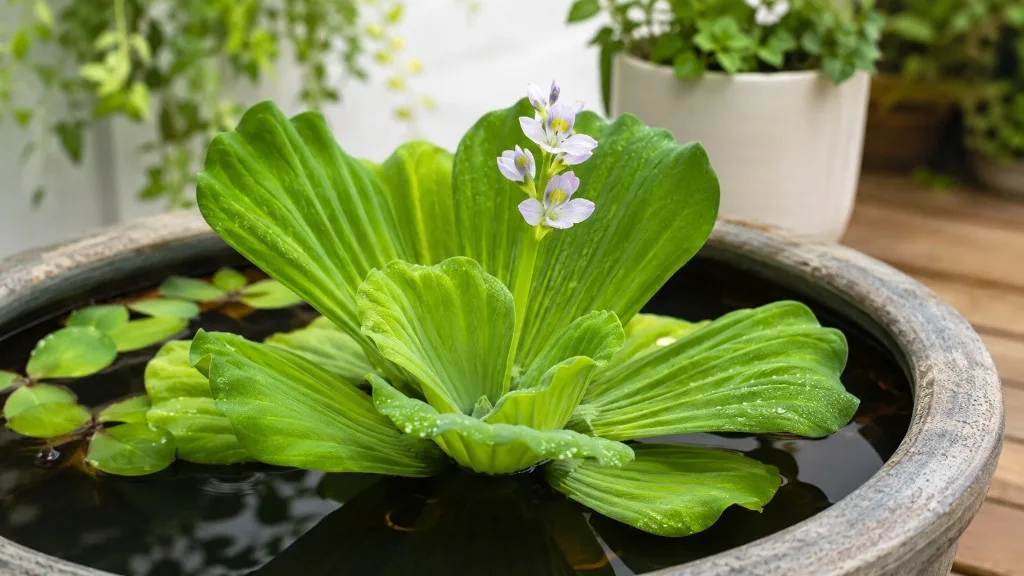
Water lettuce looks effortless - toss a few rosettes on the surface and they spread. That simplicity hides a specific feeding biology. Pistia stratiotes is a floating macrophyte that pulls nearly all of its nutrition from the water column through long, feathery roots, not from soil, gravel, or root tabs buried in a substrate. In a well-stocked pond or community tank, fish waste often supplies enough nitrogen and phosphorus to keep the plant lush. In a lightly stocked shrimp tank or a new setup with bare water, the same plant yellows, stalls, or develops pinholes until you add a low-dose liquid aquarium fertilizer - always copper-free or copper-minimal if invertebrates share the water.
This guide covers exactly how to fertilize water lettuce in aquariums and ponds: how the plant absorbs nutrients, when fish waste is sufficient, which liquid products work at half strength, why copper is a serious risk, and how to read the leaves when something is off. It draws on phytoremediation research on Pistia stratiotes, manufacturer guidance from Seachem and Tropica, and practical experience across indoor floating-plant tanks and outdoor fish ponds.
If symptoms persist, see the Crispy Leaves on Water Lettuce guide.
Why Water Lettuce Feeding Works Differently Than Soil Plants
A pothos in a pot drinks through a dense root mass sitting in moist soil. Water lettuce never touches soil at all. Its rosette floats on the surface, and a curtain of roots - sometimes 12 inches long in outdoor ponds - hangs freely in the water. Every dissolved nutrient the plant uses must be available in that water, because there is no substrate to buffer or store fertilizer the way aquasoil does for rooted aquarium plants.
That anatomy is why houseplant fertilizer logic fails here. Granular 10-10-10 sprinkled on dirt never reaches a floating plant. Root tabs pushed into gravel are equally irrelevant unless you also keep heavy root-feeders like Amazon swords in the same tank - and even then, the tabs feed the sword, not the lettuce floating above. For water lettuce, the only feeding routes that matter are what dissolves in the water (liquid fertilizer, fish waste, decomposing organics) and what those dangling roots can intercept as water flows past them.
Water lettuce is also a heavy feeder relative to its size. Research published in stormwater phytoremediation studies found that established mats can remove more than 50% of inorganic nitrogen and meaningful fractions of phosphate from eutrophic water within weeks. A plant that strips nutrients that aggressively will eventually exhaust a low-bioload tank unless you replace what it removes - either by adding fish, feeding more, or dosing a liquid fertilizer at conservative levels.
How Water Lettuce Absorbs Nutrients from the Water Column
Floating plants are sometimes described as “passive” filters, but the mechanism is active and efficient. Water lettuce absorbs nitrogen, phosphorus, potassium, iron, and trace elements directly from the surrounding water through its root system and, to a lesser extent, through leaf surfaces in contact with the film of water on the rosette. Understanding that pathway is the foundation of every good fertilizing decision.
What the Feathery Roots Do for Nutrition
The roots of Pistia stratiotes are the plant’s primary feeding apparatus. In pond phytoremediation trials, researchers attributed much of the plant’s nutrient removal to rhizofiltration - the roots intercept dissolved ions, support biofilm that processes waste, and provide enormous surface area for uptake. In a home aquarium, those same roots dangle into zones where fish waste accumulates, where detritus settles, and where you pour liquid fertilizer during a water change.
Practically, this means a comprehensive liquid aquarium fertilizer dosed into the tank water reaches the roots within minutes. You do not need to target the roots directly. You do not need root tabs. You do need to keep enough open water around the roots that nutrients can circulate. A mat of water lettuce so thick that roots are packed root-to-root in stagnant water will show deficiency symptoms even in a fertilized tank, because the outer rosettes shade the inner ones and nutrient exchange slows.
Nitrogen uptake deserves special mention. Water lettuce prefers nitrate as a nitrogen source in most hobby conditions, though it can also use ammonium when present. Phytoremediation studies show the species efficiently strips nitrogen from eutrophic water - it benefits from moderate nitrate levels in stocked systems, where levels that make rooted plants nervous are often ideal for a fast-growing floating canopy. That is why a stocked community tank or koi pond frequently runs water lettuce with zero supplemental fertilizer while the plant doubles every two to three weeks in summer.
Nutrient Export and Why Periodic Harvesting Matters
Feeding water lettuce is not only about what goes in - it is also about what leaves when you harvest plant mass. Every gram of tissue locks up nitrogen and phosphorus pulled from the water. When you scoop out overcrowded rosettes and discard them, you permanently export nutrients from the system. If you never thin the mat, rotting leaves eventually release stored nutrients back into the water. Remove yellowing rosettes regularly and keep roughly 30–50% of the surface open so new growth stays green and roots stay in circulating water.
When Water Lettuce Needs Fertilizer (and When Fish Waste Is Enough)
The honest answer to “does water lettuce need fertilizer?” is usually not in a stocked system, often yes in a lean one. The decision hinges on bioload, plant density, and whether you see deficiency symptoms on new growth.
In a community aquarium with a normal fish load - roughly three to five inches of fish per ten gallons of water - fish waste and fish food breakdown typically supply enough nitrogen and phosphorus to support a modest floating cluster. Water lettuce in these tanks often grows vigorously with no added fertilizer, especially if you perform weekly water changes that keep nitrate from climbing so high it stresses fish. The plant’s job in that scenario is nutrient export, not supplementation.
You should consider low-dose liquid fertilizer when:
- The tank is lightly stocked - shrimp-only, a single betta, a small school of nano fish, or a quarantine tank with no livestock.
- New growth emerges pale yellow or white while older rosettes stay green, the classic iron-chlorosis pattern.
- Leaves develop pinholes or translucent patches, often linked to potassium shortage in fast-growing floating plants.
- Growth stalls despite warm water (70–86°F / 21–30°C) and moderate to bright light.
- You run aggressive nutrient export - large weekly harvests of water lettuce without corresponding fish waste input.
You should skip or reduce fertilizer when:
- Nitrates consistently read above 40 ppm and you are fighting algae.
- The water lettuce mat already covers more than half the surface and growth is explosive.
- You are medicating the tank with copper-based treatments for ich or other parasites.
- Winter temperatures have slowed growth in an outdoor pond below 60°F (15°C).
The half-strength rule is the safest starting point for any supplemental dosing. Comprehensive liquid fertilizers are labeled for tanks with substantial rooted plant mass. A floating cluster of six to twelve rosettes in a 20-gallon tank does not have the same nutrient demand as a full aquascape of stem plants and carpeting species. Start at 50% of the manufacturer’s weekly dose, watch new rosette color for two weeks, and increase only if pale growth persists.
Liquid Aquarium Fertilizer at Low Dose
Liquid fertilizer is the correct tool for water lettuce. The product category matters less than the dose, the copper content, and whether the formula matches your stocking level. Pour the dose into the tank water during or just after a water change, when circulation is highest and the roots can access the full volume.
A practical weekly cadence for indoor tanks:
- Stocked community aquarium with water lettuce: dose a trace-element supplement at half label strength once a week, or skip entirely if growth is green and fast. Fish waste is doing the heavy lifting for nitrogen and phosphorus; the liquid fills micronutrient gaps - iron, manganese, potassium.
- Shrimp or lightly stocked tank: dose a comprehensive all-in-one or a trace supplement plus separate nitrogen if nitrates read near zero. Half strength weekly, titrate up only if new growth stays pale after ten days.
- Outdoor pond with koi or goldfish: supplemental liquid fertilizer is rarely needed in summer. If growth is pale in a new pond with few fish, use a pond-safe liquid plant supplement at the lowest recommended rate, or increase fish feeding slightly before reaching for fertilizer.
Never pour undiluted concentrate directly onto the rosettes. Always mix into the water column and let circulation carry it to the roots.
Seachem Flourish and Comprehensive All-in-One Options
Seachem Flourish is the most widely used trace-element baseline in freshwater planted tanks. According to Seachem’s official dosing instructions, Flourish supplies iron, manganese, potassium, calcium, magnesium, and other micronutrients but does not contain significant nitrogen or phosphorus. The standard dose is 5 mL per 250 L (about 60 US gallons) once or twice weekly. For water lettuce in a stocked tank, that full dose is often more than necessary - half strength after a water change is a sensible starting point.
In a lightly stocked tank where nitrates stay near zero, pair Flourish with a nitrogen source (Seachem Flourish Nitrogen) or switch to a comprehensive all-in-one:
- Tropica Specialised Nutrition contains nitrogen (1.3%), phosphorus (0.1%), potassium (1.0%), and the full trace package. Tropica markets it for tanks with many fast-growing plants and low fish bioload. Dose at half the label rate (3 mL per 50 L instead of 6 mL) for a modest water lettuce cluster before increasing.
- Tropica Premium Nutrition contains no nitrogen or phosphorus - only potassium, magnesium, sulfur, and traces. It is the better pick for well-stocked community tanks where fish waste already supplies N and P.
- NilocG Thrive and Aquarium Co-Op Easy Green are popular all-in-one macronutrient-plus-micronutrient liquids. Convenient for shrimp tanks and new setups. Start at half dose for floating plants.
For a 10-gallon tank with a small water lettuce grouping, the math on Flourish works out to roughly 0.1 mL per half-strength weekly dose - a clean 1 mL syringe makes small-tank dosing painless.
Copper-Free Products for Shrimp and Invertebrate Tanks
If your tank houses shrimp, snails, crayfish, or sensitive fry, copper content in fertilizer is not a minor detail. Standard comprehensive fertilizers include chelated copper at trace levels that are generally safe when dosed correctly, but water lettuce itself is sensitive to copper elevation, and invertebrates are far more sensitive still. Aquarium Breeder and multiple shrimp-focused sources recommend choosing fertilizers with the lowest copper concentration or none at all.
Products explicitly marketed as shrimp-safe or copper-free include:
- NilocG ThriveS - formulated without copper for shrimp tanks.
- Green Leaf Aquariums Micromix II (Copper-Free) - trace mix with no copper in the formula.
- Tropica Specialised and Premium - contain chelated copper at trace levels; safe at label dose but not copper-free.
Read the label before you buy. “Shrimp safe” on the front of a bottle does not guarantee zero copper inside. For a tank where both water lettuce and cherry shrimp are priorities, a copper-free trace mix at half strength is the most conservative choice. If you already dose a standard comprehensive fertilizer and shrimp are thriving at half label dose, you do not need to change products - you need to avoid doubling doses or combining fertilizer with copper medications.
Pond Fish Waste as a Natural Nutrient Source
Outdoor ponds and heavily stocked aquariums offer water lettuce something no bottle can replicate as elegantly: a continuous stream of nitrogen and phosphorus from fish metabolism. Koi, goldfish, guppies, mollies, and turtles all excrete ammonia through their gills; the biological filter converts that ammonia to nitrite and then to nitrate. Water lettuce roots intercept that nitrate and lock it into plant tissue before algae can use it.
Phytoremediation studies on Pistia stratiotes show the plant removes large fractions of nitrogen and phosphorus from pond water when maintained at productive density. In a backyard pond with a modest fish load, that translates to visibly fast summer growth without bottled supplement.
Stocking Level and the Nitrate Balance
The relationship between fish waste and water lettuce health is a balance, not a free pass to overstock. A useful framework:
- Moderate fish load with visible water lettuce growth: nitrates often read 10–30 ppm. The plant is exporting nutrients; no fertilizer needed. Thin the mat monthly so it does not block all light to submerged plants or pond depths.
- Heavy fish load, nitrates above 40 ppm: water lettuce helps but cannot outpace unlimited waste input. Increase water changes, reduce feeding, and thin the floating mat aggressively. Adding more fertilizer in a high-nitrate pond feeds algae, not the lettuce.
- Light fish load, nitrates below 5 ppm, pale new growth: fish waste is insufficient. Add a half-strength weekly liquid dose in aquariums, or increase feeding slightly in ponds before resorting to bottled nutrients.
Turtles add a wrinkle. Turtle ponds often run water lettuce for shade and filtration, and turtle waste is nutrient-rich. In a filtered turtle setup with regular water changes, water lettuce typically thrives on waste alone. If the system is new or lightly stocked with turtles, treat it like a low-bioload aquarium and dose conservatively. Always confirm that any fertilizer used is safe for the turtle species and any tankmates - and never dose copper-containing products in turtle or invertebrate systems.
Seasonal Fertilizing for Outdoor Ponds and Indoor Aquariums
Water lettuce is a tropical plant. Growth rate tracks water temperature and day length more closely than it tracks a calendar on your phone. Research on aquatic macrophytes in pond effluent found that water lettuce achieved its largest biomass accumulation in spring and autumn, with reduced performance in winter when water temperatures drop. That seasonal rhythm should shape your fertilizing schedule.
From late spring through early fall, when water sits at 70–86°F (21–30°C), water lettuce often doubles every two to three weeks in stocked ponds - fertilizer is rarely needed unless the pond is new or sparsely stocked. Below 60°F (15°C), pause liquid fertilizer outdoors and remove dying rosettes. Indoor heated tanks may need a half-strength monthly dose in winter, but skipping fertilizer until spring usually produces less algae. Heat above 90°F (32°C) yellows leaves through thermal stress, not deficiency - shade and circulation beat extra fertilizer in heat waves.
Reading Deficiency Symptoms on Water Lettuce
Water lettuce communicates nutrient problems clearly if you know what to look for. The key diagnostic skill is separating new-growth symptoms (usually micronutrient shortages, especially iron) from old-leaf symptoms (usually macronutrient shortages, especially nitrogen or potassium) and from environmental stress (cold water, extreme light, transition shock after shipping).
Iron Deficiency: Chlorosis on New Rosettes
When the newest rosettes emerge pale yellow, lime green, or almost white while older leaves retain a deeper green, the plant is short on iron. Iron is immobile inside plant tissue - the plant cannot pull iron from old leaves to supply new growth - so the youngest tissue shows damage first. Aquaterra Obsession and multiple floating-plant guides list this as the most common deficiency in indoor water lettuce grown under bright light in low-nutrient water.
The fix is a targeted iron source at low dose:
- API Leaf Zone (5 mL per 10 gallons, once weekly) - iron and potassium only, minimal algae risk.
- Seachem Flourish Iron - iron-only supplement, safe for invertebrates at label dose.
- Half-strength comprehensive liquid (Flourish, Tropica Specialised, Thrive) - fixes iron while topping up other traces.
Within seven to fourteen days of consistent low-dose feeding, new rosettes should emerge fully green. If they do not, check light intensity - iron is unusable without enough photosynthetically active light reaching the rosettes - and confirm that a dense mat is not shading new growth at the center of the cluster.
Nitrogen, Phosphorus, and Potassium Shortfalls
Nitrogen deficiency shows on older leaves first. Outer rosette leaves yellow starting at the tips and edges, sometimes turning translucent before they melt. The plant cannibalizes nitrogen from old tissue to fund new growth. In a stocked tank, this is uncommon unless you harvest heavily without replenishing. In a shrimp tank with near-zero nitrates, it is expected. Fix it with a comprehensive fertilizer that includes nitrogen (Tropica Specialised, Easy Green, Thrive) at half strength, or add a small nitrogen supplement.
Phosphorus deficiency is rarer in tanks with fish, because fish food contains phosphate. When it appears, older leaves show dark green or purple tones with soggy brown patches. If you run phosphate-removing filter media in a planted tank, consider removing it while the water lettuce establishes.
Potassium deficiency in fast-growing floating plants often appears as small pinholes or yellow-edged holes in otherwise green leaves, sometimes with yellow margins. Exotastic Earth and other floating-plant specialists note pinholes as a classic potassium shortfall signal on water lettuce. A comprehensive liquid with potassium in the mix, or a half-strength dose increase on an existing regimen, usually clears it within two weeks.
One important caveat: if you just received water lettuce in the mail or from a shop, yellowing and root shedding in the first week are often acclimation stress, not deficiency. The plant is adjusting to your water chemistry, light, and temperature. Hold fertilizer for five to seven days, keep water warm and circulation gentle, and let new rosettes form before you diagnose a nutrient problem.
Why You Must Avoid Copper with Water Lettuce
Copper is not a hypothetical risk for water lettuce - it is a documented phytotoxin. Research published in Comptes Rendus Biologies on Pistia stratiotes exposed to increasing copper sulfate concentrations found that copper inhibited root and leaf biomass, triggered oxidative stress, reduced photosynthetic pigments, and damaged antioxidant systems in the plant. Even at concentrations relevant to aquarium trace dosing, the plant is more sensitive than many rooted species, and invertebrates are far more vulnerable.
In practical terms, this means:
- Do not dose copper-based fish medications in a tank with water lettuce you want to keep. If treatment is necessary, move the plant to a separate container during treatment.
- Choose copper-free or copper-minimal fertilizers when shrimp, snails, or crayfish are present. ThriveS and Micromix II Copper-Free are purpose-built for this scenario.
- Never double-dose comprehensive fertilizers to “fix” yellow leaves quickly. Micronutrient toxicity - especially copper - causes twisted growth, root die-back, and invertebrate stress before the plant recovers.
- Watch for hidden copper sources: some tap water in older plumbing areas carries copper; algicides and some snail treatments add copper; mixed products labeled “plant and algae control” may contain it.
If you suspect copper damage - shrimp deaths, pale stunted water lettuce, and twisted new growth after a recent dose - stop fertilizing, remove activated carbon if you are running copper-removal resin, and perform a partial water change. Then resume at half the previous dose with a copper-free product only after livestock and plants stabilize for at least a week.
Turtle Ponds and Filtered Aquariums: Special Fertilizer Rules
Turtle ponds often run water lettuce for shade and nitrate control. Turtles produce nutrient-rich waste, but strong filtration can strip organics and keep nitrates low. In a mature filtered turtle pond with regular water changes, supplemental fertilizer is usually unnecessary in warm months. Dose at half strength only when the pond is new, lightly stocked, or nitrates stay below 5 ppm with pale new growth. Avoid copper entirely, and in small indoor turtle tanks treat half-strength weekly dosing as a ceiling - not a default.
Common Fertilizing Mistakes With Water Lettuce
Most bad outcomes trace back to a short list of recurring errors. Avoiding them gets you most of the way to a healthy floating canopy.
Dosing at full label strength in a lightly planted tank. Comprehensive fertilizers are calibrated for dense aquascapes. Six water lettuce rosettes in a 20-gallon tank need half strength or less. Full strength feeds algae first.
Using root tabs for a floating plant. Root tabs dissolve in substrate. Water lettuce roots never contact that substrate. Save your money for a liquid product.
Adding fertilizer to a heat-stressed or newly shipped plant. Yellow rosettes after shipping need acclimation, not a nutrient blast. Wait a week, then assess.
Ignoring copper in a shrimp tank. Standard fertilizers are usually safe at correct dose, but water lettuce and shrimp both suffer when aquarists double-dose after seeing pale leaves. Use copper-free products if you have any doubt.
Letting the mat grow too thick. Dense coverage shades inner rosettes, traps humidity, and slows nutrient exchange at the roots. Thin weekly in fast growth periods.
Fertilizing a high-nitrate pond. If nitrates are already above 40 ppm, more nitrogen grows algae and stresses fish. Harvest water lettuce aggressively instead of adding bottle nutrients.
Pausing harvest while continuing to feed. Nutrient export only works when you remove plant mass. A mat that never gets thinned eventually rots back into the water column.
Treating every yellow leaf as deficiency. Cold water below 65°F (18°C), direct midday sun on outdoor ponds, and low humidity in open-top tanks all yellow leaves without any fertilizer change fixing the problem. Check temperature and light before you reach for the bottle.
Recovering From Over-Fertilization and Algae Blooms
Over-fertilizing water lettuce does not usually burn the plant the way over-fertilizing a terrestrial houseplant burns roots in dry soil. The damage path is different: excess nitrogen and phosphorus fuel algae blooms - green water, hair algae on roots, film algae on rosette edges - while micronutrient overdoses stress invertebrates and can cause twisted, stunted new growth. Recovery means removing the excess nutrients from the water and resetting the dose.
Remove 40–60% of the water lettuce mass, then do a 30–50% water change if algae or nitrates spiked. Pause all fertilizer for two to three weeks. When new growth returns green, restart at half your previous dose - or switch to a trace-only product like Seachem Flourish or Tropica Premium in stocked tanks so fish waste covers macronutrients. For green water, trim light by an hour or two daily until the bloom clears.
Conclusion
Water lettuce is one of the few aquarium and pond plants that often thrives on fish waste alone, because its feathery roots are built to strip nitrogen, phosphorus, and other dissolved nutrients directly from the water column. When a tank or pond is lightly stocked, or when fast growth outpaces natural input, a low-dose liquid aquarium fertilizer at half label strength fills the gap - with copper-free formulas whenever shrimp, snails, or turtles share the water.
If you remember three things from this guide, make them these. First, water lettuce feeds through its roots in open water, so liquid fertilizer in the water column is the right tool - not root tabs, not soil, not foliar sprays. Second, start at half strength and let new rosette color guide you; a stocked community tank or summer pond frequently needs no bottle at all. Third, avoid copper in fertilizers and medications - Pistia stratiotes is demonstrably sensitive, and the risk to invertebrates is not worth the shortcut.
Thin the mat regularly, harvest to export nutrients, read the leaves for iron and potassium signals, and adjust seasonally as water temperature rises and falls. Get those habits right and water lettuce will shade your fish, pull nitrates from the water, and spread across the surface faster than most rooted plants ever could - without turning your tank into an algae farm.
When to use this page vs other Water Lettuce guides
- Water Lettuce overview - Start here for whole-plant context before deep-diving this topic.
- Water Lettuce problems hub - Jump to symptom-specific fix guides when this care topic does not resolve the issue.
Related Water Lettuce guides
- Water Lettuce overview
- Water Lettuce watering
- Water Lettuce light
- Water Lettuce soil
- Water Lettuce propagation
- Water Lettuce repotting
- Water Lettuce problems
Related tool
Try the Fertilizer Dilution Calculator with water-lettuce pre-selected to estimate needs for your setup.