Water Lettuce Repotting: Transfer, Thin, and Dispose
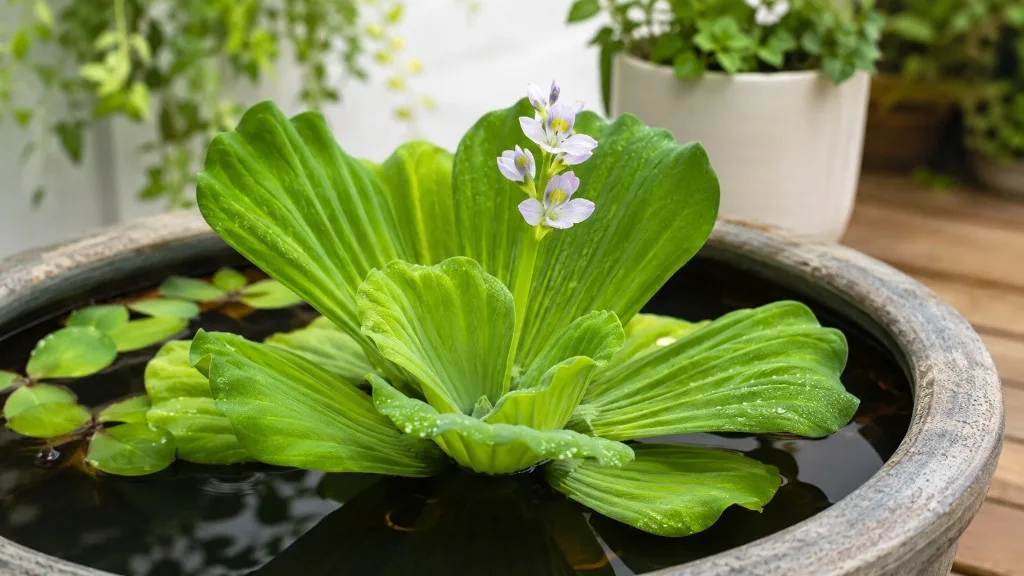
Water Lettuce Repotting: Transfer, Thin, and Dispose of Extras Safely
Water Lettuce Repotting: Transfer, Thin, and Dispose of Extras Safely
Water lettuce repotting is really a translation problem. A floating plant does not outgrow a clay pot the way a houseplant does. What it outgrows is surface area, water quality, and the maintenance capacity of the tank or pond.
That distinction matters because the wrong mental model leads to bad handling. LSU AgCenter describes water lettuce as a plant that spreads by daughter rosettes on stolons. Pennsylvania Sea Grant adds that it also spreads by fragmentation and can quickly blanket a water surface. So the useful questions are not “what pot size next?” but when should I move it, when should I thin it, and how do I dispose of extras without spreading an invasive species?
What repotting means for water lettuce
For water lettuce, “repotting” usually means one of three jobs:
- moving floating plants into a larger pond, tank, or tub
- thinning linked daughter rosettes when the surface gets too crowded
- refreshing a setup where debris, heat, or poor circulation is now hurting the plants
If you are growing water lettuce in a submerged basket or aquatic planting container, you may occasionally divide that container too. But most growers are managing floating mats, not soil rootballs.
When the plant needs more room
The warning signs are system-level, not rootball-level.
Pennsylvania Sea Grant notes that dense mats can block light, reduce oxygen, and interfere with water movement. In practical hobby terms, that shows up as:
- most of the surface covered by linked rosettes
- roots tangling into heavy dark mats that trap debris
- filter intakes clogging quickly
- weaker submerged plants from lost light
- old rosettes yellowing under piles of new growth
If you still have open water, healthy new growth, and easy circulation, you probably do not need a full transfer yet. You may only need to thin.
Warm weather is the safe window for major moves
Pennsylvania Sea Grant says water lettuce requires temperatures above about 15°C (59°F) to grow. That single fact explains why some moves are easy and others end in melt.
When the water is warm and the plant is actively spreading, it can replace damaged roots and expand into new space quickly. In cool water, the same plant is more likely to stall after handling. So if you are planning a large transfer, a major thinning, or a move between indoor and outdoor systems, do it during active growth whenever possible.
Emergency thinning is still better than leaving a filter blocked or a tank fully covered. But if you have a choice, schedule the big work for warm conditions.
Move the whole mat only when the current system is too small
Transferring water lettuce makes sense when the current container is the real bottleneck. That may be because the pond is too shallow and overheats, the aquarium surface is too crowded for gas exchange, or the plant mass is now producing more maintenance than the setup can support.
Before the move:
- prepare the destination water first
- match temperature as closely as you can
- make sure circulation is already running
- remove the worst yellow or mushy rosettes instead of moving everything blindly
The roots should stay wet the entire time. A brief handling period is fine, but leaving rosettes exposed on a dry deck or countertop is one of the fastest ways to trigger collapse after the move.
How to thin water lettuce without turning it into fragments
This is the skill most growers need more often than a full transfer. LSU AgCenter describes daughter plants forming on stolons, and Pennsylvania Sea Grant warns that fragments can spread the plant. That means rough tearing creates both husbandry problems and disposal problems.
Thin by following the stolon from the mother rosette to the daughter, then separating the plant cleanly once the daughter has its own roots. Lift groups gently instead of raking across the whole mat. The cleaner the separation, the less melt and mess you create.
Your goal is not a perfect number of rosettes. Your goal is restored open water, better light penetration, and roots that can hang freely instead of forming a dense composting blanket.
How much to remove
There is no single universal percentage that works for every tank, but there is a useful decision rule: remove enough plant mass that the surface can breathe again.
In small aquariums, if the floating cover has become a solid sheet, that is already too much. In outdoor tubs and ponds, you have more buffer, but one dense layer can still trap debris and heat. After thinning, you should be able to see deliberate open-water gaps, not just tiny cracks between touching plants.
If you remove a large amount, follow the work with a water-quality check. A heavy mat may have been doing meaningful nutrient uptake even while it caused crowding, so the system can behave differently after thinning.
When a submerged basket does need dividing
Some growers use water lettuce in weighted baskets or aquatic planters. That setup is less common, but if you use it, divide only when the basket itself is crowded or compacted. The signs look more like normal aquatic-root congestion: roots packing through the planting medium, poor water movement through the basket, and declining vigor despite adequate warmth and nutrients.
Even then, the same rule applies: keep roots wet, disturb them as little as possible, and remember that the plant’s real growth engine is still the floating rosette, not a terrestrial-style rootball.
What good aftercare looks like
After a move or heavy thinning, success looks boring. The plants stay buoyant, the centers remain firm, and new daughter rosettes appear over the next week or two if water is warm enough. A short pause in growth is normal. Progressive softening, collapsing crowns, or a widening ring of yellow leaves is not.
If you moved the plants into brighter or hotter conditions, give them a little protection at first. A transfer into harsh sun right after handling can stress plants that would otherwise have settled in. Stable temperature, clean water, and open surface space do more good than fertilizer immediately after a move.
The highest-risk mistake is disposal, not pruning technique
This is where helpful-content quality matters most, because the consequences extend beyond one hobby setup.
Pennsylvania Sea Grant warns that water lettuce spreads when fragments or whole plants are discarded into waterways or carried by flooding and equipment. The U.S. Fish and Wildlife Service treats Pistia stratiotes as a high-risk invasive species. The University of Connecticut Invasive Plant Working Group recommends drying removed aquatic plant material, sealing it in bags, and disposing of it in the trash rather than releasing or casually composting it near water.
That means every thinning session ends with a real responsibility:
- do not dump extras into ponds, creeks, storm drains, or ditches
- do not assume “just a few rosettes” is harmless
- do not gift or transport plants across jurisdictions without checking local rules
For this plant, disposal is part of care.
Common mistakes that make the page worth reading
The repeat problems are consistent:
- treating a floating plant like a potted one
- moving it in cold water
- letting roots dry during transfer
- tearing mats aggressively into many fragments
- removing too little and calling it done
- removing extras but disposing of them irresponsibly
The first few hurt your own plants. The last one can hurt somebody else’s waterway.
Conclusion
The helpful way to think about water lettuce repotting is not “bigger pot, fresh soil.” It is transfer when the water body is too small, thin when the surface is too crowded, and dispose of extras like an invasive-risk plant, because that is what it is in many places.
Warm water, gentle handling, and disciplined thinning keep hobby setups manageable. Just as important, safe disposal keeps one maintenance task from becoming an ecological problem. If you remember only one thing from this page, make it this: with water lettuce, the real repotting decision is usually about space and spread, not pot diameter.
When to use this page vs other Water Lettuce guides
- Water Lettuce overview - Start here for the full growth habit and care context.
- Water Lettuce light - Use this if the real issue is stretch, burn, or seasonal slowdown rather than crowding.
- Crispy Leaves on Water Lettuce - Use this if decline started after a move and you need symptom-first troubleshooting.
Related Water Lettuce guides
- Water Lettuce overview
- Water Lettuce watering
- Water Lettuce light
- Water Lettuce propagation
- Water Lettuce fertilizer
- Water Lettuce problems
Related tool
Try the Pot Size Calculator with water-lettuce pre-selected to estimate needs for your setup.