Water Lettuce Light: Sun, Shade & Aquarium LEDs
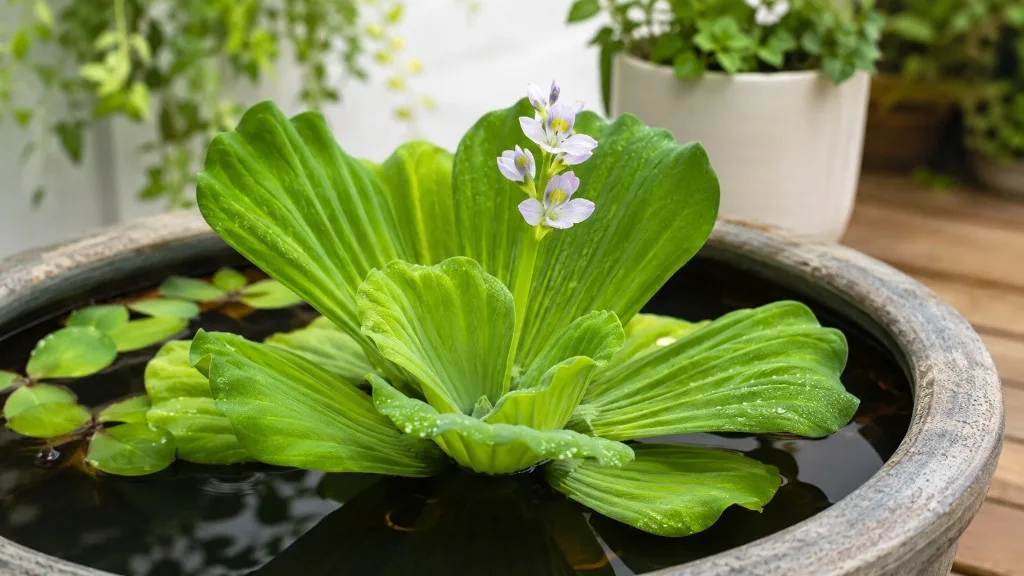
Water Lettuce Light: Sun, Shade & Aquarium LEDs
Water Lettuce Light: Sun, Shade & Aquarium LEDs
Water lettuce light requirements sit in a practical middle band that confuses growers because the plant tolerates a wide range - yet only rewards you with full, velvety rosettes when intensity is genuinely strong. Pistia stratiotes, the floating rosette known as water lettuce, water cabbage, or Nile cabbage, is a tropical freshwater species in the Araceae family that lives at the air-water interface. Its leaves photosynthesize in full sun outdoors and under bright aquarium or pond-tub lighting indoors, but weak light produces a telltale failure mode: small, flat, leggy rosettes that look nothing like the dense cushions you see in summer ponds. If your plants are surviving without thriving, light is the first variable worth fixing before you chase fertilizers, CO₂, or exotic pond additives.
The split between outdoor and indoor culture matters because the same species behaves like two different plants depending on photon flux at the surface. In a garden pond across a warm season, water lettuce commonly reaches 4–6 inches (10–15 cm) rosettes with thick, quilted leaves and feathery roots trailing deep into the water column. In a 10- to 40-gallon open-top aquarium under moderate shop lighting, rosettes often hold at 2–4 inches (5–10 cm) - still healthy, still filtering nutrients, but visibly smaller. That size gap is normal. What is not normal is paper-thin rosettes that spread flat, pale, and slow, which almost always trace back to insufficient light at the exact plane where the leaves float. This guide maps outdoor full sun to partial shade decisions, indoor bright full-spectrum LED setup, photoperiod targets, acclimation after purchase, and a symptom-based path from leggy disappointment to compact growth.
If symptoms persist, see the Crispy Leaves on Water Lettuce guide.
Why Light Dictates Rosette Size and Pond Health
Light is not a cosmetic preference for water lettuce; it is the throttle on growth rate, daughter-plant production, root length, and nutrient uptake. Floating plants cannot retreat to a shadier depth the way a Cryptocoryne might. Every rosette competes for the same surface photons, and the winner expands until something limits it - usually light penetration to submerged plants below, nutrient drawdown, or your thinning scissors. Understanding that surface-bound ecology explains why small tanks with weak hood lights produce runty cover while a half-barrel pond in full sun can need weekly thinning by August.
Water lettuce also pulls double duty in most setups: ornamental canopy and biological filter. Photosynthesis drives the nitrogen and phosphate uptake that clarifies water and suppresses algae. Drop light intensity too far and you still have a living plant, but the filtration horsepower falls off sharply. Rosettes linger small, yellow slowly, and reproduce lazily. Raise light to appropriate levels and the same plant can double its coverage every two to three weeks in peak summer warmth - a growth pace the Missouri Botanical Garden notes under optimum outdoor conditions. Light therefore belongs at the center of your management plan, not in the footnotes after temperature and pH.
How Pistia stratiotes Uses Light at the Water Surface
Pistia stratiotes leaves are engineered for floating life: spongy mesophyll, prominent parallel veins, and a velvety surface of fine hairs that repel water and hold a thin air layer for gas exchange. The rosette sits flat or slightly cupped on still or slow-moving water, presenting a broad photosynthetic panel to the sky or your fixture. Roots dangle freely and absorb dissolved nutrients, but the leaves supply the energy that funds root growth and vegetative offsets on short stolons. In bright light, leaves thicken and the rosette stays tight and dome-shaped. In dim light, the plant stretches horizontally - an aquatic version of etiolation - maximizing leaf area per photon received.
Because the leaves touch open air, humidity around the leaf margin matters as much as raw intensity indoors. Aquarist references including University of Wisconsin Extension have long noted that dry leaf tips and curling in tanks often pair with strong lighting on an open-top aquarium where air is dry, not with “too little” light. Outdoors, ambient humidity is usually high enough that full sun builds large rosettes without that edge desiccation. Indoors, bright LEDs plus low humidity can mimic scorch even when PAR is only moderate. Treat light, airflow, and humidity as a single indoor system rather than a wattage question alone.
The Difference Between Survival Light and Growth Light
Many floating plants exist under marginal light but do not perform. Water lettuce falls squarely in that category. Under survival-level illumination - a distant ceiling fixture, a neglected north window on a closed tank, or a pond deeply shaded by overhanging trees all day - rosettes may stay green for weeks while barely enlarging. Daughter plants appear, but sparsely. Roots shorten. The plant is waiting for better conditions it may never receive in that placement.
Growth light means enough intensity across a realistic photoperiod for visible weekly change: new inner leaves filling the crown, thicker texture, and measurable spread. Outdoors, that standard is met easily from full sun through bright partial shade. Indoors, it typically requires a full-spectrum LED sized for your tank footprint, mounted close enough that the water surface - not the substrate - receives medium-to-high photosynthetically active radiation. Hobby measurements often land around 40–80 PAR at the surface, with many growers reporting best compact form near 50–60 PAR. Numbers are guides, not commandments; your eyes and rosette shape are the final instruments. If weeks pass without a clear size increase and leaves look flat, you are still in survival mode.
Outdoor Light: Full Sun to Partial Shade
Outdoor ponds are where Pistia stratiotes shows its native temperament. The species is widely naturalized in warm freshwater worldwide and is listed on the Federal Noxious Weed List because dense mats can spread aggressively in frost-free climates. That invasive potential is partly a light story: unrestricted sun on still, nutrient-rich water produces explosive vegetative growth. Responsible pond keepers treat light as a management dial - enough for beauty and algae competition, not so much unchecked cover that every neighbor downstream inherits your experiment.
For ornamental use in temperate gardens, the Missouri Botanical Garden recommends growing water lettuce on still water in full sun to part shade, scattering small bunches after the last frost and lifting plants for overwintering before temperatures drop. Best expansion tends to occur in the cooler shoulders of spring and autumn, when water holds oxygen well and midday heat is not brutal. Summer peak growth still demands strong light, but the quality of that light can include deliberate shade in hot regions.
When Full Sun Produces the Largest Rosettes
Full sun - unfiltered sky for most of the day - yields the largest, thickest rosettes and the fastest daughter-plant network. If your goal is a lush floating carpet that shades fish, outcompetes algae, and processes fish waste in a lightly stocked goldfish or koi pond, full sun is the default prescription. Plants respond with upright, cupped leaves that feel firm and velvety, not limp. Root masses can extend 12 inches (30 cm) or more, anchoring the rosette against wind and nibbling fish while pulling nutrients from the water column.
Full sun also means you must plan thinning. A handful of spring starters can blanket a modest pond by midsummer. Skim excess weekly and compost it responsibly; never release plants into natural waterways. In USDA zones 9–11, water lettuce may persist year-round outdoors and behave as a serious weed if left unchecked. In cooler zones, treat it as a seasonal annual and enjoy the sun-powered surge while frost-free months allow. Pair full sun with still or nearly still water; heavy splashing from fountains can submerge rosettes and compound light stress by damaging surface leaves.
Adding Afternoon Shade in Hot Climates
Full sun is not free of trade-offs. In desert Southwest ponds, tropical lowland yards, or any site where summer water temperatures push toward the upper 80s°F (around 30°C), relentless midday sun can yellow leaves, bleach margins, or crisp tips even on a water-cooled plant. UF/IFAS notes that water lettuce wants full to partial sunlight depending on heat and exposure, with afternoon shade helpful where sun is harsh. Dappled shade from a pergola, tall marginal plants like papyrus, or a 30–40% shade cloth reduces peak photon flux while preserving morning light for growth.
Partial shade also slows spread if you are balancing water lettuce against submerged plants that need photons below the canopy. A 50% surface cover in bright partial shade can clarify water without casting the tank-like darkness that full mats create. Watch for the compromise sign: rosettes that stay healthy-sized but lean horizontally toward the brightest corner. That lean tells you shade is acceptable but not ideal; add an hour or two of direct morning sun before you rethink the whole pond placement. Rotating clusters weekly prevents one edge from monopolizing growth.
Indoor Aquarium and Pond Tub Lighting
Indoors, you are the weather. Water lettuce does not receive sky radiation unless you place tubs in a solar greenhouse; most aquarium growers rely on LED fixtures and must think about distance, spectrum, heat, and photoperiod explicitly. The good news is that modern full-spectrum LEDs easily exceed the intensity water lettuce needs when mounted appropriately. The common failure is a generic low-profile hood designed for low-light fish display, leaving floating plants at the brightest plane in the tank with the dimmest effective photons.
Open-top tanks outperform fully enclosed hoods for Water Lettuce overview because they reduce heat buildup and allow humidity to rise naturally above the water line. If you must use a covered hood, prioritize cool-running LEDs and ventilated covers. Metal halides and old incandescent bulbs can scorch floating leaves at close range; fluorescents and LEDs are safer at the 4–10 inch (10–25 cm) mounting heights many floating-plant guides recommend above the water line.
Choosing Full-Spectrum LEDs Near the Surface
For aquarium culture, choose a full-spectrum planted-tank LED rated for your tank length, not just its volume. Water lettuce floats directly under the fixture, so surface PAR often exceeds substrate PAR - the opposite problem from carpeting plants. That proximity is an advantage if you dim or raise the light to control spread. Aim for even coverage so rosettes do not migrate into a single bright hotspot along the glass.
Practical starting points most growers can implement without exotic gear:
- Fixture type: Full-spectrum LED with adjustable intensity or hanging height.
- Distance: Roughly 4–10 inches (10–25 cm) above the water surface; increase distance if leaf tips redden or yellow under peak output.
- Intensity target: Approximately 40–80 PAR at the surface for active growth; the upper half of that range pushes faster multiplication.
- Tank fit: On 10-gallon and smaller open tanks, one small rosette can cover the surface quickly - plan thinning early so submerged plants are not starved.
If you lack a PAR meter, use form as feedback. Within two weeks of corrected lighting, new center leaves should look smaller relative to the outer ring, cupping upward rather than lying flush like lily pads on a windless day. Persistent flat growth means raise intensity or lower the fixture one notch, then reassess before chasing nutrients.
Photoperiod and Daily Light Hours
Duration matters after intensity is adequate. 10–12 hours of light daily is the standard band cited across pond and aquarium sources, including hobbyist culture notes summarized by Missouri Botanical Garden and home-garden profiles like UF/IFAS plant management guidance, which recommends 11–12 hours for vigorous culture. A simple timer prevents accidental 24-hour blazing that stresses fish and skews algae balance without further helping the lettuce.
Shorter 8-hour days can slow proliferation if your mat is smothering the tank - a legitimate management tactic - but do not expect compact rosette form if you combine short days with already-low intensity. Longer 14-hour days are rarely necessary indoors and can favor algae on glass and hardscape unless nutrient loading is low. Match photoperiod to your goal: 12 hours for maximum floating cover in a dedicated plant tub, 8–10 hours when water lettuce shares a display tank with light-demanding stem plants below.
Gradual ramp-up and ramp-down on programmable fixtures mimics dawn and dusk and reduces shock when lights snap on at full blast over sleeping fish and cold rosettes.
Reading Low-Light Stress: Small and Leggy Rosettes
When growers say their water lettuce “does nothing,” the plant is usually answering a light deficit with a recognizable morphology. Low-light stress is not subtle once you know the silhouette: small overall diameter, leaves oriented horizontally, elongated petioles, pale yellow-green color, and sparse daughter plants. Roots may look thin and stunted compared with outdoor specimens. The rosette appears to hug the water as if trying to maximize each leaf’s capture area - because it is.
This is the core symptom bundle behind the user-facing shorthand leggy, small rosettes. It is not a mysterious cultivar failure and rarely a root disease. Before you dose iron or rip plants out, compare your surface illumination to the outdoor baseline you would accept for a vegetable garden seedling. If you would not expect a tomato to fruit there, do not expect Pistia to build a banquet rosette.
Low light also weakens the plant’s competitive edge. Algae on glass, film algae on slow zones, and even duckweed can outpace a dim lettuce cluster. Fixing light often clarifies water faster than algaecides because the plant resumes aggressive nutrient uptake. Give corrected conditions two to three weeks before judging failure; floating plants adjust leaf angle slowly, but new center growth should look visibly tighter within the first fortnight.
Flat, Elongated Leaves vs Compact Rosettes
Learning to read leaf posture saves guesswork. Compact rosettes show short internodes, leaves rising slightly toward the center, and a visible “bowl” profile from the side. Texture feels spongy and firm. Color is a clean light green without lime-yellow wash. Low-light rosettes lay flatter than a dinner plate, with outer leaves sliding outward rather than curling up. Each leaf may look wider and thinner, and the plant’s footprint grows in diameter without gaining height - horizontal legginess rather than vertical stretch, but legginess nonetheless.
Another clue is daughter-plant spacing. Healthy bright-light mats produce tight clusters of offsets near the parent. Under dim light, stolons stretch before setting a new rosette, leaving awkward gaps. If you see long bare floating stems between small plantlets, intensity is likely insufficient even if the parent rosette looks merely “modest” rather than obviously sick.
Why “Dwarf” Water Lettuce May Just Be Underlit
Aquarium shops often sell dwarf water lettuce as a distinct product. In many cases it is the same Pistia stratiotes kept small by limited light, limited nutrients, and indoor culture rather than a separate botanical taxon. Move those plants to a sun-heavy patio tub for a summer and you may watch rosettes jump from 2 inches to 5 inches (5–13 cm) - not because you unlocked a hidden giant gene, but because photon flux and warmth finally match the species’ potential.
That does not make dwarf labels fraudulent; it clarifies expectations. Indoor hobbyists who want manageable cover without weekly thinning may deliberately run moderate light and accept smaller form. Problems arise when a buyer expects nursery-dense “dwarf” cushions to persist after transfer into a dim living-room tank. The plant is not declining; it is expressing the new light budget honestly. Either increase lighting to hold compact shape or embrace smaller rosettes as the indoor norm and thin less often.
Too Much Light: Scorch, Yellowing, and Humidity Loss
Water lettuce failure is not only a low-light story. Excess intensity, especially paired with low humidity, heat, and no acclimation, produces yellowing, reddish-brown tinting, and crisp marginal burn that beginners often misread as nutrient deficiency. Mississippi State University Extension emphasizes that over-lighted Pistia commonly shifts reddish to yellow to brown, particularly under hot lamps close to the surface. Outdoor summer scorch overlaps this symptom set when water temperatures spike and afternoon sun is unrelieved.
Diagnose over-lighting by context: the tank or tub is bright - sometimes blindingly so - yet rosettes decline despite adequate nutrients and gentle flow. Leaf tips dry first. Inner young leaves may look washed out. If you recently cranked a new LED to 100% at close range, you have your culprit. Reduce intensity, raise the fixture, or add a midday dimming period before testing fertilizer.
Remember toxicity and handling context peripheral to light but relevant in pet setups: chewing water lettuce leaves releases calcium oxalate crystals (raphides) that irritate mouth and throat tissue in people and pets if ingested. Turtle keepers often use it as floating cover with clean sourcing, but light management still governs whether the plant is robust enough to serve that role or dissolves into yellow scraps that foul water.
Acclimating Nursery Plants to Brighter Conditions
Retail water lettuce frequently comes from lower-light greenhouse benches to prevent scorch during shipping. Dropping those pale, soft rosettes into direct outdoor sun or a high-PAR LED shelf without transition invites next-day melt. Acclimation is boring and effective: start in bright indirect indoor light or morning sun only for three to five days, then expand exposure.
A simple outdoor ladder looks like this: float plants in a shallow tray with 2–4 hours of early sun, dappled shade the rest of the day; increase to 6 hours the second week; move to open pond position the third week if leaves stay firm. Indoors, begin at 50–60% LED power or greater fixture height, then step up every four days while watching new center leaves. Discard individual rosettes that turn mushy - they will not recover - but hold steady on the schedule for the majority that harden off. Patience here is cheaper than replacing entire batches.
Seasonal Light Adjustments for Ponds and Tanks
Light is not static through the year even if your timer stays fixed. Spring sun is weaker but lengthening; water lettuce may grow steadily without shade cloth. Summer brings intensity and heat; afternoon shade and thinning dominate management in hot regions. Autumn often produces some of the prettiest rosettes - cool water, strong angle of sun, slower algae - mirroring the Missouri Botanical Garden note that optimum spread frequently tracks spring and autumn shoulders. Winter removes outdoor sun entirely in temperate zones; plants go dormant, compost, or move indoors.
Overwintering indoors means recreating summer brightness artificially. Store rosettes in shallow containers of clean water at 50–70°F (10–21°C), never below about 50°F (10°C), and supply at least 12 hours of bright light - a greenhouse bay, a plant shelf with quality LEDs, or a very bright sunroom. Occasional direct sun through glass helps, but watch leaf tip burn on south windows where magnification heats leaves. Fertilize lightly if growth stalls, yet check light first; cool winter rooms plus short cloudy windows are the usual stall reason.
Aquarium growers who run the same photoperiod year-round should still notice seasonal plant shifts when room daylight changes. A tank that thrived under a combo of window spill and LEDs in July may look leggy by February. Add a month of +2 hours timer extension or a modest intensity bump rather than assuming nutrient exhaustion.
Overwintering and Low-Sun Indoor Months
Overwintering is where light requirements spike even as growth slows. Rosettes held in small containers indoors cannot coast on ambient room brightness the way a shaded pond might in July. They need a deliberate bright station: 12 or more hours under quality LEDs or greenhouse glass, water kept above 50°F (10°C), and temperatures ideally near 70°F (21°C) for active leaf renewal. Windowsill culture alone in northern winters often produces the same flat, mini rosettes as an underlit aquarium - not because the plant is dormant, but because photon flux and day length collapsed at once.
Treat overwintered plants as a lighting project separate from your display tank. A single shop light on a timer over a storage tub costs less than replacing melted batches every February. When spring returns, acclimate back to outdoor sun gradually; plants softened by winter indoors will burn if hurled into June noon glare without transition.
Light Interaction With Turtle Tanks and Fish Cover
Turtle tanks and warm fish displays add constraints on top of raw horticulture. Water lettuce is prized for shade, nitrate uptake, and fry refuge, but turtles and large herbivorous fish can prune roots and leaves faster than photosynthesis replaces them - a problem that looks like light failure but is mechanical grazing. Separate the issues: if leaves are bitten but remaining tissue is compact and green, light is probably adequate; if unbitten leaves are flat and tiny, fix lighting first.
Where turtles are involved, strong light grows more biomass, which can mean more nibbling fodder - helpful if you treat the plant as occasional forage from clean, pesticide-free water, but messy if shredded debris clouds the tank. Moderate light with partial surface cover sometimes balances water quality and animal behavior better than a scorching lamp that forces weekly complete replacements. Float corrals or rings to keep a core mat undisturbed while animals patrol the open water.
For submerged companions, water lettuce is a shade engine. Bright light above helps the floating layer thrive but can starve Anubias, Java fern, or crypts below unless you thin surface cover to let beams through. Think of surface percentage as a light valve: 30–50% cover is a common sweet spot in mixed planted tanks, higher in dedicated floating-plant tubs, lower when carpeting species need photons. Adjust cover before you buy a second fixture; thinning is cheaper than watts.
Troubleshooting a Light Problem Step by Step
When rosettes disappoint, follow a fixed sequence so you do not change five variables at once.
Step 1 - Describe leaf posture. Flat, pale, and small points to insufficient intensity or photoperiod. Cupped but yellow at tips with dry margins points to excess intensity, heat, or low humidity on open tanks. Cupped and green means light is likely fine; look to nutrients, flow, or grazing next.
Step 2 - Measure your setup honestly. Outdoors, note hours of direct sun versus deep shade. Indoors, identify fixture type, height above water, timer length, and whether a lid traps heat. Compare against 10–12 hour days and bright full-spectrum output at the surface.
Step 3 - Apply one correction. Raise LED output or lower fixture or add two hours photoperiod or move outdoor plants from full afternoon blast to morning sun plus afternoon shade. Never do all three simultaneously.
Step 4 - Wait fourteen days. Floating plants rebuild center leaves slowly. Early success looks like tighter new growth, not instant doubling.
Step 5 - Reassess spread versus neighbors. If rosettes improved but submerged plants etiolate, thin surface cover by 20–30% rather than dimming below the lettuce’s needs.
Step 6 - Acclimate if you upgraded sharply. Skipping this after a big jump causes false negatives where plants burn and you retreat to previous dim settings that caused legginess in the first place.
This ladder keeps water lettuce light requirements grounded in observable morphology instead of forum mythology about whether the species “likes” strong light. It likes enough photons to build a rosette; outdoors that often means full sun to partial shade, indoors bright aquarium or pond-tub LEDs, and everywhere enough hours to matter.
Conclusion
Water lettuce rewards straightforward light logic once you separate outdoor sky from indoor fixtures. Outside, full sun builds the biggest rosettes and fastest spread; in hot climates, partial shade - especially afternoon protection - prevents yellow scorch without sacrificing the morning growth pulse. Inside, the same species depends on bright full-spectrum LEDs close enough to energize the surface plane, typically with 10–12 hours on a timer and attention to humidity on open tanks. When light falls short, the plant does not die quietly; it shows you with small, flat, leggy rosettes that many sellers label “dwarf” but are often just underfed for photons. When light overshoots without acclimation, yellowing and tip burn arrive just as clearly.
Use leaf cupping, center-leaf texture, and daughter-plant spacing as your primary instruments. Adjust one variable, wait two weeks, and let the rosette tell you whether you are in survival mode or growth mode. Get that right and Pistia stratiotes becomes what it is meant to be on still water: a dense floating canopy that clarifies the pond, shades livestock, and turns light into living cover faster than almost any other beginner-friendly floating plant you can buy.
When to use this page vs other Water Lettuce guides
- Water Lettuce overview - Start here for whole-plant context before deep-diving this topic.
- Water Lettuce problems hub - Jump to symptom-specific fix guides when this care topic does not resolve the issue.
Related Water Lettuce guides
- Water Lettuce overview
- Water Lettuce watering
- Water Lettuce soil
- Water Lettuce propagation
- Water Lettuce fertilizer
- Water Lettuce repotting
- Water Lettuce problems
Related tool
Try the Plant Problem Diagnosis Tool with water-lettuce pre-selected to estimate needs for your setup.