Faded Flowers on Raindrop Peperomia: Causes, Checks & Fixes
Quick answer
Faded flowers on Raindrop Peperomia usually mean greenish-white rat-tail spikes are finishing a short bloom cycle-not a foliage crisis. First step: confirm the structure is a spent inflorescence, then snip the spike at its base with clean shears before decaying tissue invites rot near the crown.
Faded Flowers on Raindrop Peperomia: Causes, Checks & Fixes
This guide covers faded flowers on Raindrop Peperomia. See also the general Faded Flowers guide, watering, and light pages for this plant.
Faded Flowers on Raindrop Peperomia: Causes, Checks & Fixes
Quick answer
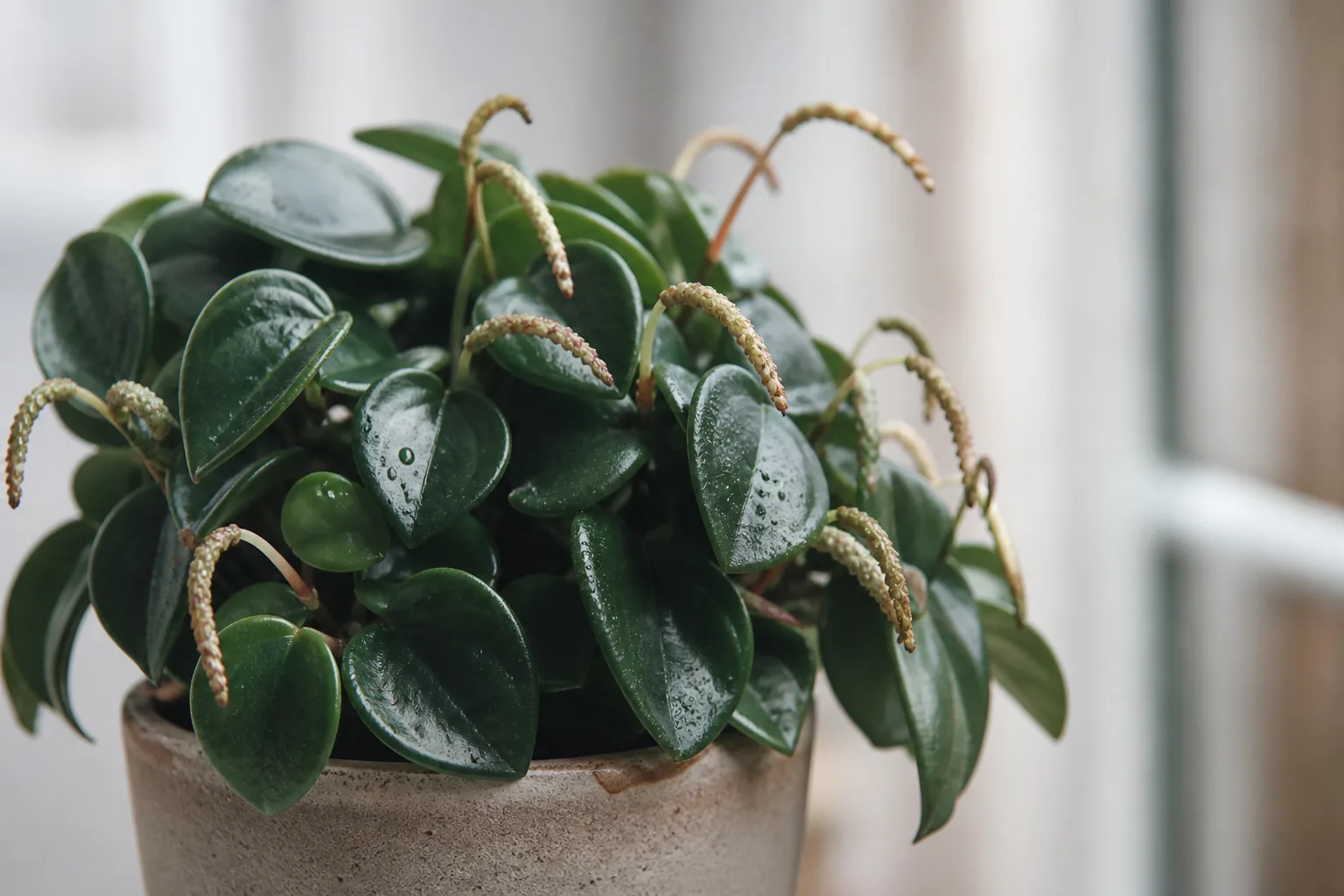
Faded flowers on Raindrop Peperomia (Peperomia polybotrya) almost always mean a short-lived inflorescence is finishing-not that your teardrop leaves are failing. Raindrop Peperomia overview produces greenish-white, long, slender, spike-like flowers that rise above the glossy foliage on upright stems. As a houseplant, it rarely flowers, so seeing any spike at all usually signals a happy, mature plant in adequate light.
First fix: snip spent flower spikes at the base with clean, sharp shears once they have fully faded. Left on the plant, decaying inflorescences can trap moisture against the stem and invite fungal trouble near a crown that already dislikes wet soil.
What faded flowers look like on Raindrop Peperomia
On this plant, “flowers” are not colorful petals. You will see a narrow greenish-white spike-often called a rat tail or mouse tail-standing above the teardrop leaves. Tiny true flowers line the spike; most growers notice the whole inflorescence, not individual blooms.
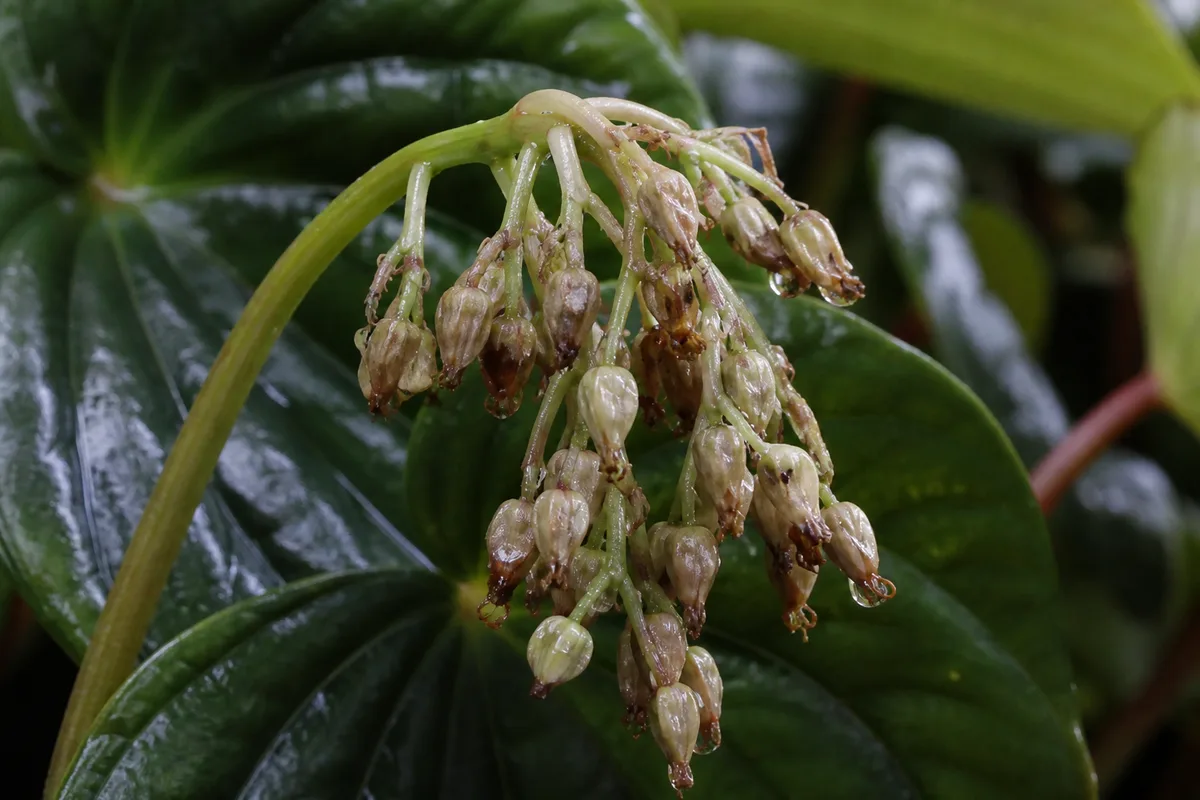
Faded Flowers symptoms on Raindrop Peperomia - compare with healthy tissue on the same plant.
Fading typically shows as:
- Spike color dulling from fresh green-white to tan, brown, or papery
- Tip wilting or bending while leaves stay firm and glossy
- Sweet fragrance fading if scent was present during peak bloom
- Spike drying completely and feeling brittle to the touch
Distinguish from new growth: leaf buds unfurl into peltate, teardrop-shaped blades with the petiole attached near the center underside. Flower spikes stay narrow and rod-like-they never develop the coin-leaf silhouette Raindrop Peperomia is grown for.
Why Raindrop Peperomia gets faded flowers
Normal bloom aging. Peperomia inflorescences are brief displays. Flower spikes appear when plants are actively growing in spring and summer. Once the cycle completes, the spike naturally browns and dries. This is expected biology, not disease.
Housekeeping delay. The main practical issue is leaving spent spikes attached. Decaying flower tissue holds moisture against upright stems on a plant whose root rot can result from overwatering. Prompt removal keeps energy directed toward the foliage this species is valued for.
Environmental stress during bloom. Drafts, Raindrop Peperomia repotting guide, or a sudden move while a spike is open can abort or prematurely fade the inflorescence. Raindrop Peperomia prefers bright, indirect sunlight and temperatures between 65 and 75°F-instability during bloom accelerates wilt.
Low light or immaturity. Juvenile plants and dim-corner specimens rarely flower. Even mature plants bloom infrequently indoors because foliage survival needs less light than reliable repeat flowering. A spike that fades quickly after weak bud development often followed weeks in marginal light.
Misidentified symptom. Searchers sometimes mean pale or dull leaves-not blooms. Too much direct sun scorches teardrop foliage; chronic wet soil yellows lower leaves. Check whether the issue is leaf gloss on the main stem instead of a spike above the canopy.
How to confirm the cause
Work through these checks in order:
- Identify the structure - Narrow rod-like spike above leaves confirms inflorescence. Central dimple with unfolding blade means leaf, not flower problem.
- Timeline - Open spike for one to three weeks then gradual browning suggests normal end of cycle. Collapse within days of a move or repot suggests stress.
- Stem firmness - Squeeze the main stem at the soil line. Firm green tissue with a dry brown spike is cosmetic. Soft collapsing petioles plus wet mix point to root trouble.
- Moisture pattern - Raindrop Peperomia wants moist, well-drained soil in a breathable pot-not constant saturation. Soggy mix alongside rotting spikes needs watering correction.
- Light history - Spikes forming in Raindrop Peperomia light guide that later fade evenly are normal. Spikes that never fully open in a dim hallway fit low-light stress.
First fix for Raindrop Peperomia
Snip fully faded inflorescences at the base of the spike with sterile shears. Removing flower spikes enables the plant to focus energy on leaf production-the right priority for a foliage-first houseplant. Cut cleanly where the flower stalk meets the main stem; avoid tearing tissue or leaving a wet stub.
If the spike is only starting to dull but still green, you may wait until fully spent unless fragrance or size bothers you in a small room. Once tan and dry, removal is overdue.
Step-by-step recovery
- Sterilize shears, then cut each spent spike flush with the stem-no torn fibers.
- Keep the plant in bright, indirect sunlight without moving pots again for two weeks.
- Water only after the mix dries completely-this species stores water in thick leaves but rots easily when roots sit wet.
- Skip fertilizer until new firm teardrop leaves appear; stressed peperomias do not need bloom booster.
- Watch for fungus gnats or sour soil if spikes were left to rot-dry the root zone before the next soak.
Recovery timeline
Normal post-bloom fade completes in one to two weeks as the spike dries. Snipping spent inflorescences shows tidier growth within days. A new spike may appear next active season if light and maturity align-rebloom is never guaranteed indoors. Judge success by glossy upright leaves and compact spacing between nodes, not by immediate repeat flowering.
Lookalike symptoms
| What you see | Likely cause | Not faded flowers |
|---|---|---|
| Pale, bleached teardrop leaf | Too much direct sun | Leaf scorch, not bloom fade |
| Yellow lower leaves with wet soil | Overwatering | Root stress, not inflorescence |
| Narrow rod above leaves turning brown | Spent flower spike | Normal-snip it |
| Central dimple opening to glossy coin leaf | New leaf unfurling | Normal growth, not a flower |
| Mushy stem base with sour soil | Crown or root rot | Emergency-not bloom housekeeping |
Mistakes to avoid
- Leaving spent spikes attached until they rot against the stem
- Mistaking a leaf bud for a flower and changing care unnecessarily
- Fertilizing heavily after bloom fade hoping to force another spike
- Repotting when a spike appears to “boost” flowering energy
- Expecting showy, long-lasting petals-Peperomia blooms are insignificant rat-tail spikes, not orchid-style displays
How to prevent problems after flowers fade
Remove spent spikes promptly each cycle. Keep bright indirect light year-round, let soil dry between waterings, and avoid relocating while new spikes form. Avoid wetting leaves when watering to reduce leaf spot risk after pruning near the crown. Treat flowering as a bonus-stable foliage care keeps Raindrop Peperomia looking best.
When to worry
Dry brown spikes on an otherwise firm plant are not an emergency. Worry when fading coincides with soft stem bases, sour-smelling mix, pest-coated new growth, or rapid yellowing of lower teardrop leaves-those patterns need root, pest, or rot diagnosis, not bloom-focused fixes.
Conclusion
Faded flowers on Raindrop Peperomia most often mean a rare indoor rat-tail spike is finishing its natural life-not that your plant is failing. Confirm spike structure, distinguish leaf unfurling, snip spent inflorescences before they rot, and measure health by firm glossy leaves. Rebloom may come seasons later, if at all-and that is normal for this foliage-first species.
When to use this page vs other Raindrop Peperomia guides
- Raindrop Peperomia watering guide - Use for routine moisture checks before assuming faded flowers is the main issue.
- Raindrop Peperomia problems hub - Browse all 20 common issues on this species.