How to Propagate Prayer Plant: Rhizome Division Guide
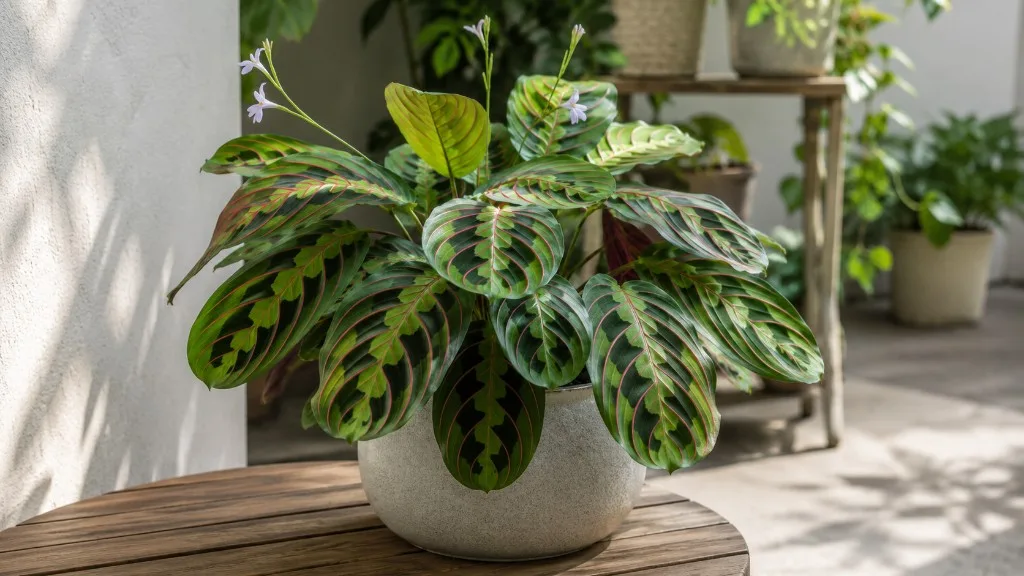
How to Propagate Prayer Plant: Rhizome Division Guide
How to Propagate Prayer Plant: Rhizome Division Guide
You unpot a healthy prayer plant at repotting time and find a shallow mat of rhizomes threading through the mix - not a deep taproot, not a single stem you can drop in a water jar and forget. Prayer plant (Maranta leuconeura) is an evergreen, rhizomatous, low-growing clump native to Brazil, typically reaching 12–15 inches tall and wide indoors. That growth habit makes rhizome division at repotting the most reliable home propagation method: each section already carries stems, roots, and the rhizome tissue it needs to restart. Stem cuttings in water work for trailing stems but rot more easily and root slower - useful as a backup when you do not want to disturb the parent clump.
This guide walks through division step by step, covers water and perlite stem cuttings for leggy growth, and explains humidity, light, crown depth, and the 4–8 week new-growth window most growers see after a clean spring division.
Quick Answer: Rhizome Division at Repotting
The easiest way to propagate prayer plant is division of root clumps when you repot. Water the parent the day before, unpot, cut the rhizome mass with a clean knife so every piece has at least two or three healthy stems, attached roots, and rhizome tissue, and pot each division at the same crown depth as before - never bury stems deeper than they grew originally. Keep bright indirect light, 50–70% humidity, and soil evenly moist but not soggy. Expect firm new rolled leaves in four to eight weeks during active growth. Stem cuttings below a node can root in water or moist perlite but are less reliable than division for most indoor growers.
Why Rhizome Division Beats Water Cuttings for Maranta
Marantas spread by shallow rhizomes - horizontal stems that sit just below the soil surface and send up leafy shoots. The Missouri Botanical Garden lists propagation by cuttings or division; in practice, division wins indoors because you are not asking a severed stem to invent a new root system from scratch while sitting in water that can sour. UF/IFAS Extension describes propagation as division of the root system and notes the shallow root system suits shallow pots - a detail that matters when you pot divisions: a deep bury invites the crown-rot failure Illinois Extension warns about.
Water cuttings fail more often on Maranta for three predictable reasons. First, the cut end submerged in a jar is prone to bacterial rot when water is not changed frequently. Second, a stem without enough stored rhizome energy may root but produce weak, slow foliage. Third, prayer plants are humidity-sensitive; a division with roots intact tolerates the post-potting dry-air shock of most homes better than a naked cutting transitioning from jar to mix. Reserve stem cuttings for leggy trailing stems you want to shorten without splitting the whole clump - not as the default method when a crowded rhizome mass is ready at repotting.
Division also preserves cultivar patterning. A red-veined erythroneura division is a true copy of the parent; a mis-rooted cutting from a variegated sport may not match. If you are unsure whether your plant is a true Maranta versus a Calathea or Stromanthe sold as “prayer plant,” confirm ID in our overview guide before propagating - propagation method overlaps in Marantaceae, but division timing and crown depth guidance here targets M. leuconeura specifically.
When to Propagate (Season and Plant Health)
Timing is less about a calendar date than about whether the plant is actively growing with firm new leaves and moist - not waterlogged - soil. Still, season matters indoors because warmth and day length drive root regeneration.
Spring and Early Summer Window
Early spring through early summer is the best window: repotting and division coincide naturally, temperatures sit in the 65–80°F (18–27°C) range prayer plants prefer, and the parent has a full warm season to recover. UF/IFAS Extension notes repotting when the plant outgrows its container, often in February or March in Florida indoor culture - translate that to whenever you see roots at drainage holes and new rolled leaves opening weekly in your home. Late-summer division can work in bright, humid rooms; avoid mid-winter division in cool, dim conditions unless you supply grow lights and stable warmth.
Pair propagation with the repotting rhythm in our repotting guide: if the parent is not root-bound and the mix is still airy, you can divide without upsizing every pot - but fresh, well-draining mix reduces rot risk for new sections.
When Not to Propagate
Do not divide a prayer plant that is actively fighting root rot on Prayer Plant, crown rot, spider mites, or severe dehydration. Propagation multiplies problems - pests and fungi ride along on divisions, and a weak parent may not survive aggressive splitting. Stabilize first: correct watering, raise humidity, treat pests, and wait until new growth looks firm before unpotting.
Skip propagation as a rescue tactic for a plant that stopped folding leaves at night. Temporary loss of nyctinastic movement after repotting is normal stress; chronic loss on all new growth signals hydration, light, or root trouble - fix culture before cutting rhizomes. Do not propagate immediately after shipping; give the plant two to three weeks of boring care in quarantine.
Tools and Materials
Gather supplies before you unpot - exposed rhizomes dry out fast.
- Clean sharp knife or pruners (wipe with rubbing alcohol)
- Fresh potting mix matching our soil guide - moisture-retentive but airy; pre-moisten lightly
- Small pots with drainage holes - often 10–12 cm for single divisions; shallow is better than deep
- Labels if you split cultivars (erythroneura vs kerchoveana)
- Clear plastic bag or humidity dome optional for the first two weeks
- Room-temperature water - filtered or rainwater if tap causes brown tips
- For stem cuttings: small glass jar or cup of moist perlite
Work on newspaper or a tray. Have extra mix ready so you are not scrambling mid-cut.
Method 1: Dividing Rhizome Clumps at Repotting
This is the method to learn first. If you can repot, you can divide.
Prepare the Parent Plant
Water the parent thoroughly the day before - not the hour before. Hydrated tissue handles cutting stress better; soggy mud makes rhizomes hard to see. Choose a plant with multiple stem clusters emerging from the same rhizome mat and at least one growing point per section you plan to keep.
Slide the plant out gently. If it is stuck, squeeze the pot or run a knife around the rim - never yank stems. Shake or brush away old mix until you see the rhizome network and where stems meet the horizontal stems. Inspect roots: trim black, mushy sections with sterile tools; abort division if more than a third of the root mass is rotten.
Separate the Rhizome Sections
Identify natural divisions - clusters where stems share a rhizome segment with their own root tufts. Using your hands, tease apart what separates easily. For tough connections, cut through rhizome tissue between clusters with a clean knife, leaving each piece with:
- At least two or three healthy stems (one stem is possible but fragile)
- A visible growing point or active shoot
- A fist-sized mass of white or tan roots - not just rhizome alone
Avoid creating tiny fragments with one leaf and no roots; they rarely establish. Two modest divisions from one crowded clump often outperform four micro-pieces. If the plant is not large enough to split cleanly, wait another growth season or use stem cuttings instead.
Pot Each Division at Correct Crown Depth
This step prevents the most common post-division death: crown rot from planting too deep. Illinois Extension warns not to allow water to stand on the crowns because stems rot easily when buried or wet at the base. Pot each division so the rhizome sits at the same depth it grew before - stems emerging at soil level, not submerged. Use pre-moistened mix, firm gently around roots, and water lightly once to settle - not a flood.
Place divisions in bright indirect light per RHS guidance - an east window or filtered south/west light. Optionally tent with a clear bag propped on stakes so plastic does not touch leaves; remove daily for a few minutes of airflow. Keep soil evenly moist; empty saucers after watering. Hold fertilizer until new growth appears - University of Maryland Extension supports skipping feed on stressed or newly established plants.
Method 2: Stem Cuttings in Water or Perlite
Use this when the clump is still small but a trailing stem has several nodes - or when you want a backup plant without dividing the parent.
Taking a Cutting Below a Node
Choose a healthy stem with at least one obvious node (the slight swelling where a leaf attaches). Cut about 1 inch (2.5 cm) below a node with sterile shears. Remove leaves that would sit underwater or underground, keeping one or two upper leaves for photosynthesis. A cutting with only a leaf and no node will not produce a full plant.
Water Rooting and Potting Up
Water method: Place the cutting in a small clear jar of room-temperature water so the node is submerged but leaves stay above the line. Set in bright indirect light. Change the water every two to three days to limit rot - stale water is the main failure mode. Roots typically appear in two to four weeks; pot when roots are 1–2 inches (2.5–5 cm) long into the same mix as the parent. Bury the node just below the surface; do not deep-bury the stem.
Perlite method: Fill a small cup with moist perlite, insert the cutting so the node is surrounded, tent with plastic, and keep perlite lightly moist - not wet. This avoids sour-water rot and transitions to soil more gently for some growers. Rooting may take three to five weeks.
Stem cuttings are less reliable than division for Maranta; if water turns cloudy or the stem blacks at the cut, discard and try again with fresher material in perlite.
Humidity, Light, and Temperature After Propagation
New divisions and cuttings lack the root mass to tolerate dry air. Target 50–70% relative humidity for the first month - pebble tray, grouped plants, or a small humidifier near the pot, not occasional misting alone. Temperatures below 60°F (15°C) slow rooting dramatically; avoid cold window sills at night.
Light should be bright and indirect - enough for photosynthesis without bleaching patterned leaves. Direct sun on a bagged division cooks foliage quickly. If leaves lose night folding for a week or two after division but new rolled leaves still emerge firm, that is often transplant stress; if all new growth stops folding and stems soften, check crown moisture and root rot.
Match ongoing culture to our light and watering guides once plants are established.
Rooting Timeline: What to Expect Week by Week
Timelines vary with warmth, light, and division size; treat ranges as realistic, not guarantees.
| Phase | Division | Stem cutting (water) |
|---|---|---|
| Week 1–2 | Minor wilt possible; keep humid, do not fertilize | Callus and first root bumps if water is fresh |
| Week 3–4 | Roots anchor; first new rolled leaf may appear | Roots 1–2 cm; ready to pot |
| Week 4–8 | Steady new growth; nyctinasty returns on new leaves | Establish in mix; fragile until week 8 |
| Week 8+ | Treat as young adult plant; light feed if growing | Same |
Four to eight weeks to visible new growth on divisions is a fair expectation during spring propagation - aligned with the division protocol in our overview. Water cuttings often need eight to twelve weeks before they match division vigor.
Aftercare Through the First Month
Watering: Keep mix consistently moist for divisions - Illinois Extension advises moist soil in bright diffused light - but never let the pot sit in standing water. Water at the soil surface, not over the crown.
Fertilizer: None until new leaves unfurl and roots have been in fresh mix at least four weeks. Then resume at half strength per our fertilizer guide.
Pruning: Remove only fully dead leaves; do not strip healthy foliage to reduce transpiration - the plant needs leaves to rebuild roots. Trim leggy parent stems on the original pot separately per our pruning guide.
Pests: Inspect weekly. Fungus gnats love constantly wet propagation mix; let the top half-inch dry slightly between waterings once roots are active, and use sticky traps if adults appear.
Failure signs: Mushy stems at the crown, sour smell, blackened cut ends, or divisions that shrivel while soil stays wet mean rot or weak tissue. Remove affected parts, repot into fresher airy mix, reduce water, and increase airflow. Small divisions that yellow one leaf at a time may simply be adjusting - firm new growth is the signal that matters.
Is Prayer Plant Safe to Share With Pet Owners?
Yes - with normal houseplant caveats. The ASPCA lists prayer plant as non-toxic to cats and dogs, which makes divisions a thoughtful gift for pet-active homes compared with many tropicals. Non-toxic is not edible - chewed leaves still upset some stomachs, and pesticide residues on nursery plants are a real concern. Tell recipients to quarantine new divisions, rinse foliage if needed, and keep pots out of reach of destructive chewers.
If you also maintain a separate Maranta page under the scientific slug, treat this prayer-plant URL as the primary grower-facing guide; method hierarchy should match: division first, stem cuttings second.
Conclusion
Propagating prayer plant successfully means respecting rhizome biology instead of defaulting to a water jar. Divide at repotting when the clump is healthy and the season is warm; give each piece stems, roots, and shallow planting at the correct crown depth; keep humidity and bright indirect light steady through the first month. Use stem cuttings when division is premature or you are trimming leggy growth - change water often or use moist perlite, and expect a slower path to a full plant. Watch for crown rot, skip propagation on stressed parents, and share divisions confidently with pet owners citing ASPCA non-toxic status. When new leaves fold at night again, you will know the rhizome has forgiven the knife.
Related prayer plant guides
- Overview - genus ID, nyctinasty, cultivars
- Repotting - when to unpot for division
- Watering - moist-soil rhythm after propagation
- Soil - mix recipe for new divisions
- Light - placement for recovering plants
- Pruning - shaping parent after division
When to use this page vs other Prayer Plant guides
- Prayer Plant overview - Start here for whole-plant context before deep-diving this topic.
- Prayer Plant problems hub - Jump to symptom-specific fix guides when this care topic does not resolve the issue.