Prayer Plant Repotting: When, How, and Mistakes to Avoid
Prayer Plant Repotting: When, How, and Mistakes to Avoid
Prayer Plant Repotting: When, How, and Mistakes to Avoid
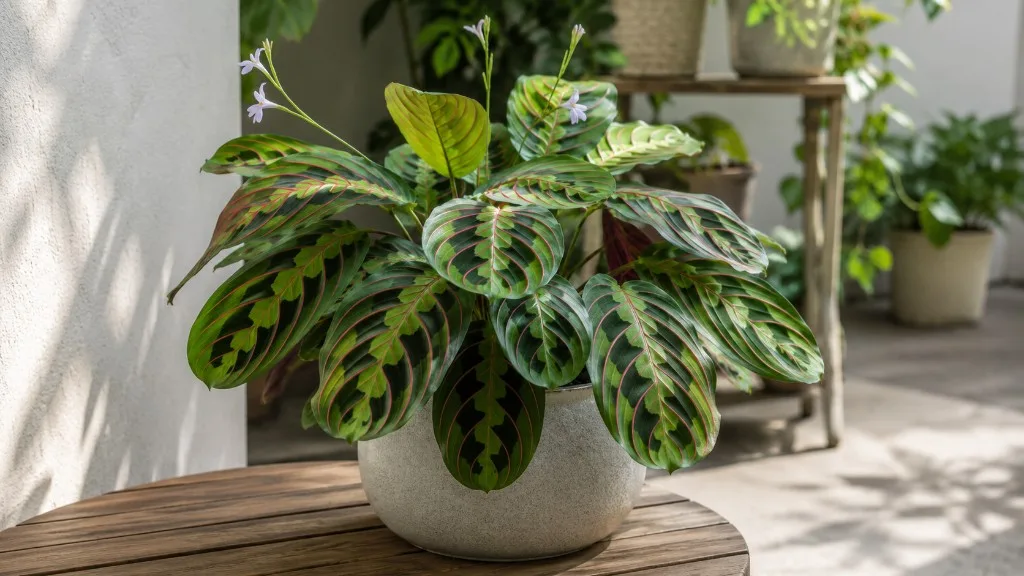
Prayer plant repotting is one of the few houseplant chores where getting the biology right matters more than following a calendar. Maranta leuconeura - the low-growing, clump-forming prayer plant sold in most garden centers - spreads by rhizomes just below the soil surface, not by a deep taproot or upright trunk. That growth habit changes everything about pot depth, how aggressively you tease roots, and how quickly the plant bounces back after a move. Repot when the rhizome network has filled the container and watering rhythm breaks down, refresh with a moisture-retentive but well-draining mix, go up only one pot size, and protect humidity while new roots establish. Do that in spring or early summer and most prayer plants recover within a few weeks without losing their signature night-time leaf folding.
Unlike upright foliage plants that send roots deep for anchorage, prayer plant builds a horizontal rhizome mat that prefers even moisture across a shallow zone. Oversized pots, bare-rooting, and winter repotting all punish that structure more than they would a drought-tolerant succulent. The goal is a modest container upgrade with minimal root disturbance - plus humidity support while nyctinastic folding returns as your recovery signal.
The sections below walk through timing, pot choice, soil, step-by-step procedure, rhizome division, post-repot humidity, and the mistakes that turn a routine refresh into weeks of curled, drooping leaves.
Quick Answer: Timing, Pot Size, and Soil
Repot prayer plant every one to two years, or sooner when roots circle the pot and water runs straight through dry mix. The best window is spring through early summer while the plant is actively growing. Choose a pot 2–5 cm (about one inch) wider than the current container - never jump two sizes. Use fresh peat-free, moisture-retentive potting mix with perlite or orchid bark for aeration, matching the blend in our soil guide. Water lightly after repotting, skip fertilizer for at least a month, and raise humidity toward 50–70% while roots settle.
Why Repotting Matters for Prayer Plant
Prayer plant is a low-growing, clump-forming species that typically reaches about 12–15 inches tall indoors - not an upright tree-like houseplant. It grows from creeping rhizomes that send up leafy shoots and absorb moisture from a relatively shallow root zone. Over time, that rhizome mat fills the pot, old potting mix compacts and loses structure, and water either races through unused channels or sits too long around crowded roots.
A timely repot gives rhizomes room to spread, replaces depleted organic matter, and lets you inspect for mushy roots before rot spreads. It is also the best moment to divide an overgrown clump into two or more plants - the propagation method Missouri Botanical Garden recommends for Maranta (propagate by division). Skip repotting on day one after purchase; prayer plants need a stable month to adjust before you disturb roots unless the mix is clearly failing or pests are present.
Signs Your Prayer Plant Needs Repotting
You do not need a calendar reminder if you watch the pot. Plan a repot when two or more of these signs appear together during the growing season.
Root-bound and drainage clues
Lift the plant gently and check the drain holes: white roots circling the bottom, a rhizome bump visible at the hole edge, or roots matted against the pot wall mean the container is too small. Water behavior shifts too - mix that dries within a day or two after every watering, or conversely water that pours straight through without wetting the center, often indicates a root-bound ball with poor soil contact. Stalled growth despite good light and feeding, plus leaf edges crisping from salt buildup in old mix, are slower signals that still point to the same fix.
Soil quality matters independently of crowding. Repot if the mix smells sour, stays waterlogged for more than a week, or has white crust on the surface from fertilizer salts. NC State notes prayer plant needs consistently moist but not soggy conditions (NC State Extension - Maranta leuconeura); compacted, exhausted mix makes that balance nearly impossible to maintain.
Best Time of Year to Repot Prayer Plant
Spring is the safest default, with early summer as a backup while temperatures and day length still support active growth. RHS lists spring as the standard repotting window for Prayer Plant overview (RHS growing guidance). Warm roots, brighter light, and faster evaporation help the plant re-establish before short winter days slow everything down.
Avoid routine winter repotting in most homes. Cooler rooms, shorter photoperiods, and drier heated air stack stress on a plant that is already humidity-sensitive. Exceptions: severe root-bound conditions, documented root rot requiring fresh mix and trimmed roots, or a pot so small the plant wilts between waterings despite correct care. Even then, stabilize humidity and light before you unpot. Do not repot during active spider mite treatment or when the plant is already wilting from underwatering on Prayer Plant - fix the immediate stressor first, then schedule the repot for the next growth window.
Fall sits in a gray zone. If the plant is only slightly tight and new growth is slowing naturally, top-dressing - scraping out the top 2–3 cm of old mix and replacing it with fresh compost - can buy time until spring without a full disturbance. If roots are already circling hard or the mix smells off, waiting six months risks salt buildup and rot; a careful early-fall repot with extra humidity support is sometimes the lesser evil. Judge by root inspection, not by the month alone.
Top-Dress vs Full Repot: Which Does Your Plant Need?
Not every tired prayer plant needs a full unpot. Top-dressing works when the root ball still fits the container comfortably, drainage is acceptable, and the main problem is depleted surface mix or minor salt crust. Scrape away the top layer without burying the rhizome deeper, replace with fresh peat-free mix, and water lightly. The plant stays stable and you avoid the two-to-four-week recovery window a full repot demands.
Choose a full repot when roots circle the pot wall, the plant wobbles because the root mass is too small for the container, water behavior has become unpredictable, or you plan to divide rhizomes. Full repotting is also mandatory after root rot surgery - you need to remove infected mix and inspect every section of the rhizome. A one-year-old prayer plant in a peat-heavy store mix that has not yet filled a 10 cm pot rarely needs anything beyond top-dress; a three-year-old bushy clump in the same pot almost certainly needs upsizing or division.
Choosing the Right Pot Size and Material
The one-size-up rule is non-negotiable for prayer plant: choose a container 2–5 cm wider in diameter than the current pot. An oversized pot holds excess moisture in empty soil that the small root system cannot use, which is a common path to rot in moisture-retentive mixes. Every new pot needs a drainage hole - UF/IFAS Nassau County extension stresses that drainage is essential for indoor prayer plant culture and that saucers should be emptied after watering so roots never sit in standing water.
Measure the inside rim diameter, not the decorative outer lip. A pot labeled “6 inch” may be 15 cm across - compare that to your current container before buying. If the root ball is only slightly tight, a 2 cm bump is enough; if roots are densely matted, the full 5 cm step is appropriate. Decorative cache pots without holes are display-only; always plant into a functional inner pot or drill drainage if you intend long-term growth.
Shallow vs deep pots for spreading rhizomes
Because Maranta rhizomes spread horizontally, a slightly wider, moderately shallow pot often suits the plant better than a tall narrow cylinder. Deep unused soil at the bottom stays wet longer than the rhizome zone can dry, especially in plastic containers. Terracotta breathes and dries the mix faster - helpful if you tend to overwater - while plastic holds moisture longer, which can support humidity-loving prayer plants if your watering discipline is consistent. Either material works when drainage is good and pot volume matches root mass.
If you only have deep pots available, fill the bottom third with coarse drainage material you will not confuse for rooting zone - large bark chips, not a thick gravel layer that creates a perched water table. Set the rhizome in the upper two-thirds where moisture stays even. Hanging baskets work for trailing prayer plant cultivars when you keep humidity high; the shallow profile matches rhizome habit, though they dry faster and need more frequent checks.
Soil Mix for Repotting Prayer Plant
Use fresh peat-free potting compost that retains moisture without staying swampy - the same profile RHS recommends for Maranta leuconeura (RHS soil guidance). A practical home blend is two parts quality peat-free houseplant mix, one part perlite, and one part orchid bark or coco chips, which keeps the rhizome zone airy while holding even moisture between waterings. Full ratios and pH notes live in our dedicated prayer plant soil guide; match that mix at repot so you are not guessing on repot day.
Never reuse old soil - it loses structure, may harbor fungus gnat larvae, and can carry root pathogens. If you top-dressed last year but the plant is still root-bound, a top layer refresh is not enough; the center of the root ball needs new mix.
Prayer plant tolerates normal houseplant pH ranges; the priority is texture and moisture retention, not exotic amendments. Avoid heavy garden soil, straight peat without aeration, or cactus-only mixes that dry too fast for Marantaceae roots. If tap water leaves mineral crust on leaves, repotting into fresh mix also resets salt load in the root zone - pair the refresh with filtered water for the first month per our watering guide.
Tools and Materials You’ll Need
Gather supplies before you unpot so the root ball is not sitting on the counter drying out. You will need: a new pot one size up with drainage holes, fresh mix (pre-moistened slightly), clean scissors or pruners, a hand trowel, newspaper or a tray for mess, and optionally a chopstick for settling soil. For division, keep extra small pots ready - one per section with at least two healthy shoots and attached rhizome. Have a humidity tray, pebble tray, or humidifier nearby for post-repot recovery.
Sterilize cutting tools with rubbing alcohol or a flame if you trimmed diseased tissue last session - prayer plant vascular tissue is soft and picks up pathogens easily through fresh cuts. Pre-moisten new mix until it holds together when squeezed but does not drip; dry dust repels water on first watering and leaves dry pockets around rhizomes. Label divisions if you are splitting cultivars with different leaf patterns so you do not mix up pots later.
Step-by-Step: How to Repot Prayer Plant Without Shock
Water the day before so the root ball holds together but is not soggy. Slide the plant out by tipping the pot and supporting the base - never yank from the stems. Loosen circling roots at the bottom and sides with your fingers; remove only dead, brown, or mushy roots with clean scissors. Keep most of the original soil attached - prayer plant fine root hairs are fragile and bare-rooting causes disproportionate shock on this species.
Add a shallow layer of fresh mix to the new pot, set the plant so the rhizome sits at the same depth as before (crowns and shoots at soil level, not buried), and backfill gently. Tap the pot and use a chopstick to fill air pockets without compacting. Water lightly until a little runs from the holes, then discard saucer water. Place the plant in bright indirect light - not direct sun - and hold off on fertilizer for at least four weeks per standard indoor houseplant guidance (UMD Extension - fertilizing indoor plants).
Do not press down hard on the surface - compaction suffocates fine roots in moisture-retentive blends. Do not move the plant to a darker corner “to rest”; it needs stable bright indirect light to fuel root repair. Do not mist heavily on the first day if airflow is poor; surface wetness without humidity in the air invites fungal spotting on stressed leaves. Check the root zone with a finger at depth every few days instead of watering on autopilot.
If the plant was severely root-bound, you may trim up to one-third of the circling outer roots - more than that on a humidity-sensitive Maranta risks shock disproportionate to the benefit. Dust cut surfaces with cinnamon or let them air-dry for ten minutes before backfilling if you had to remove rotted sections. For emergency rot repots, remove all mushy tissue until you reach firm white rhizome, then treat the recovery period as division aftercare with elevated humidity.
Worked example from a typical home repot
A prayer plant in a 12 cm plastic nursery pot showed roots circling the drain hole and a pale rhizome line at the rim by mid-April. The grower moved it into a 15 cm pot with peat-free mix, two parts base plus perlite and bark, divided nothing because only one strong clump remained, and set a pebble humidity tray underneath. Days 1–3 brought mild leaf curl and slower night folding - normal stress signals. By week two, leaves resumed folding at dusk. The first new folded leaf appeared around week three, which is the clearest recovery marker in home conditions. Timelines vary with room temperature and humidity; treat this as a reference pattern, not a guarantee.
Dividing Rhizomes During Repot
Division is optional but ideal when a prayer plant has multiple distinct clumps with their own shoots and roots. MOBG lists division as the standard propagation method for this genus (MOBG - Maranta leuconeura). After unpotting, identify natural seams between rhizome sections. Sterilize scissors, cut so each division keeps healthy roots and at least two leaves, and pot each piece separately in mix matched to the parent plant.
Smaller divisions take longer to establish and need higher humidity than a single upsize repot. If the plant is recovering from pests, wilting, or recent shipping stress, upsizing without division is safer. Detailed aftercare for new divisions is covered in our propagation guide.
Cut rhizomes between nodes, not through the middle of an active shoot base. Each piece should carry visible white root tips or the nubs that produce them - a leaf with no rhizome attached will not root reliably. Pot divisions at the same depth as the parent and resist the urge to bury stems for stability; use a stake or the pot rim for support instead. Two small divisions in 10 cm pots often outperform one oversized clump forced back into a single container.
Post-Repot Humidity and Recovery
Prayer plant is humidity-sensitive - NC State and MOBG both emphasize moist air alongside moist soil (NC State cultural notes). After repotting, target 50–70% relative humidity for the first two to four weeks: pebble tray under the pot (pot not touching water), grouping with other plants, or a small humidifier beats misting alone. Keep the plant away from heating vents and drafty winter windows where dry air accelerates leaf curl.
Water lightly when the top inch of fresh mix feels dry - not on the old weekly schedule. Roots in new mix use water differently until they explore the volume. Resume normal watering rhythm only after new growth appears.
Leaf-fold signals after transplant
Prayer plant leaves fold upward at night (nyctinasty) when the plant is healthy and unstressed. After repotting, persistent failure to fold, leaves staying flat or curled daytime, or dramatic droop beyond a few days often mean low humidity, oversized pot, or roots disturbed too aggressively. Mild curl for three to five days is common; if night folding has not returned by week two, inspect moisture at depth, confirm pot size, and increase humidity before assuming disease.
Recovery heuristics for typical indoor homes: mild transplant shock often eases within one to two weeks; fuller root re-establishment commonly takes four to six weeks before growth looks normal. Damaged leaves do not heal - watch new leaves for size, color, and folding behavior instead.
Common Repotting Mistakes and How to Fix Them
Jumping two pot sizes is the most damaging routine error. Excess wet soil around a small root mass invites rot in a plant that already prefers steady moisture. If you already repotted too large, water sparingly, maximize airflow and light within safe limits, and consider downsizing if wilting persists on barely moist mix.
Bare-rooting or washing every speck of old soil strips fine absorptive roots. If you over-cleaned, treat the plant like a fresh cutting: high humidity, no fertilizer, and patience. Repotting during pest treatment spreads chemicals and breaks stressed tissue - finish the mite or mealybug protocol first. Fertilizing immediately after repot burns tender new root tips; wait until active new growth resumes. Repotting purely for cosmetic leaf spots on old foliage wastes a stress budget - trim damaged leaves after stability returns instead.
Stacking stressors - repotting the same week you move the plant to a new window, crank the heat, or start a heavy fertilizer push - is another common failure mode. Change one variable at a time. If you must repot because of rot, fix the root environment first and delay placement experiments until night folding returns. Using cold tap water on the first post-repot soak shocks warm roots; room-temperature water is safer on Maranta.
If sustained wilting, yellowing, or sour smell continues past three weeks, unpot and inspect for rot using our root rot guide, or hold the plant in stable humidity until the next spring window if roots look healthy but growth is slow. Chronic fungus gnats after repot often mean the mix is staying wet too long - address pot size and watering before reaching for pesticides.
When to use this page vs other Prayer Plant guides
- Prayer Plant overview - Start here for whole-plant context before deep-diving this topic.
- Prayer Plant problems hub - Jump to symptom-specific fix guides when this care topic does not resolve the issue.
- Root Rot on Prayer Plant - Escalate here when repotting adjustments are not enough.
Related Prayer Plant guides
- Prayer Plant overview
- Prayer Plant watering
- Prayer Plant light
- Prayer Plant soil
- Prayer Plant propagation
- Prayer Plant fertilizer
- Root Rot on Prayer Plant
- Prayer Plant problems
Pet Safety During Repot
Prayer plant is non-toxic to cats and dogs per the ASPCA, which makes messy repotting less alarming if a pet investigates spilled mix or nibbles a fallen leaf. Chewing any plant can still cause mild stomach upset, and wet soil, fertilizer residues, or perlite are not food. Repot on a closed surface pets cannot reach, bag discarded soil promptly, and contact your veterinarian if vomiting or lethargy follows ingestion.
Wash hands after handling wet mix if you have sensitive skin - Maranta sap is not a major irritant for most people, but peat and bark fines can dry skin during long repot sessions. Keep children away from loose perlite and scissors; the plant itself is not a high-toxicity risk, but the workspace hazards are ordinary household ones.
Conclusion
Prayer plant repotting succeeds when you respect rhizome biology: shallow spreading roots, humidity sensitivity, and night leaf folding as a health barometer. Repot every one to two years in spring, go up one pot size with peat-free moisture-retentive mix, disturb roots only as much as needed, and protect humidity while new growth returns. Division at repot is a bonus propagation opportunity, not a requirement - upsize a single happy clump when the roots, not the calendar, demand it.
Keep a simple post-repot log: date, old and new pot diameters, whether you divided, humidity method used, and when night folding resumed. That record beats generic advice when your next prayer plant outgrows its container - you will know what worked in your room, not what worked in a template. When night folding resumes and new leaves open cleanly, your repot worked; when curl persists past two weeks, fix moisture and humidity before reaching for more interventions.
Reviewed by LeafyPixels Review Board (2026-06-15).