How to Propagate Pilea Peperomioides: Pups, Cuttings &
How to Propagate Pilea Peperomioides: Pups, Cuttings & Timeline
How to Propagate Pilea Peperomioides: Pups, Cuttings & Timeline
Pilea peperomioides propagation is one of the easiest sharing projects in houseplant care-because the Chinese money plant produces offsets or pups and roots from stem cuttings so readily that enthusiasts nicknamed it the friendship plant. Success means waiting until pups are big enough, clean cuts at the connection point, and bright indirect light through one pot-up-not forcing every offset into a water jar on day one.
Why Pilea Is Called the Friendship Plant
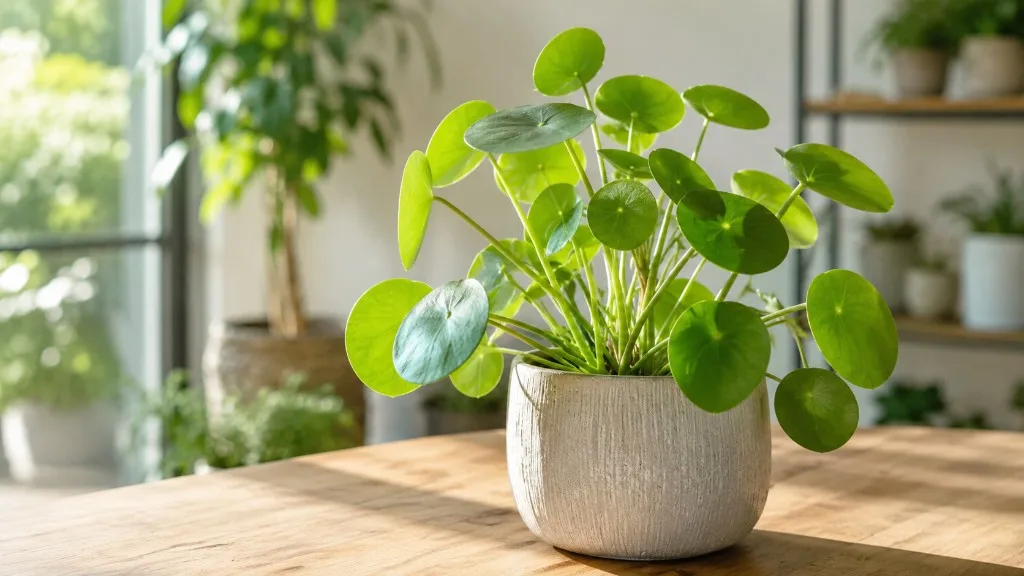
Mature Pilea peperomioides sends up a central stem with coin-shaped leaves and produces offsets (pups) from the base-and sometimes small plantlets along the stem. The RHS notes Chinese money plant readily produces offsets around its base that you detach when large enough. That generous pup habit, combined with decades of pass-it-along culture in European homes, is why a rooted pup in a tiny pot became the default housewarming gift long before pilea hit every garden centre.
Unlike trailing pileas propagated by softwood tip cuttings, P. peperomioides is an upright herbaceous perennial in Urticaceae. Pups arrive with their own small root systems more often than many other houseplants, which makes pup separation the fastest, most reliable method for most growers.
Best Method: Pup Separation
For a typical indoor pilea producing babies at the soil line, separating pups beats stem cutting on speed and success rate. Pups already have leaves, often have starter roots, and skip the weeks of water-jar waiting that a bare stem cutting needs.
When a Pup Is Ready
Wait until a pup has at least three to four leaves and stands roughly 2–3 inches (5–8 cm) tall, with visible roots at or below the soil surface when you brush away the top layer. Separating earlier works sometimes, but tiny pups wilt faster and root slower because they have less stored energy. If roots are not visible yet, either wait another week or plan to root the detached pup in water before potting.
Water the parent plant the day before separation so the root zone is hydrated and the connection point is easier to see.
Step-by-Step Pup Separation
- Gather tools: clean knife or scissors, small pot (3–4 inches / 8–10 cm), well-draining mix, optional jar of water if roots are minimal
- Expose the connection: gently scrape back soil around the pup until you see where it attaches to the mother stem or rhizome
- Cut cleanly: slice through the connection with a sterilized blade, keeping as much pup root as possible attached
- Choose the rooting path:
- Pups with roots: pot directly into moist airy mix
- Pups without roots: place stem base in room-temperature water; leaves stay above the rim
- Place in bright indirect light-same intensity as the parent, not harsh direct sun on tender cuts
- Maintain even moisture for the first two to three weeks without keeping the mix soggy
Do not tug pups free by hand unless the connection is already brittle; a clean cut heals faster than a torn rhizome.
Alternative: Stem Cuttings for Leggy Plants
When a pilea has stretched into a bare trunk with leaves only at the top, pup separation alone will not fix the silhouette. A top stem cutting rejuvenates the plant: the cutting roots in water while the remaining stump often pushes new side shoots.
Taking the Cutting
- Select a healthy top section with several leaves and at least 2–3 inches of bare stem below the lowest leaf
- Cut the trunk horizontally with a clean blade-this is intentionally dramatic but standard for leggy specimens
- Remove any leaves that would sit underwater if you choose water rooting
- Optional: leave one or two small pups on the mother stump if you want a bushier base while the top roots
Single-leaf propagation is possible only if you include a sliver of stem tissue at the petiole base; a leaf alone will not become a plant. The RHS notes individual leaves of P. peperomioides can root in water or moist compost when stem tissue is included-slower and less reliable than pup separation or trunk cuttings.
Water Rooting Stem Cuttings
- Submerge only the cut stem base in room-temperature water
- Bright indirect light; change water weekly to limit algae and bacteria
- Roots typically appear in 2–4 weeks during active growth; pot when roots reach 1–2 inches (2.5–5 cm)
- The original leaf may yellow after a pup forms at the stem base-focus on new growth, not the aging leaf
When to Propagate
Propagation is best done in spring or early summer when the plant is in active growth, warm room temperatures (roughly 18–27°C / 65–80°F), and bright days support faster rooting. Autumn works in warm homes; winter propagation is slow and fails more often on weak cuttings taken from low-light plants.
Propagate only from healthy parents-firm leaves, no active pest outbreaks, no recent repot shock. If the mother plant is recovering from root rot or leggy stretch, stabilize care first, then take clean material.
Tools and Setup
- Sharp clean knife or pruners (alcohol-wiped)
- Small pots with drainage holes
- Standard potting mix + 15–20% perlite or pre-moistened mix
- Clear water jar or moist propagation mix
- Bright indirect light location-east- or west-facing window is ideal
- Optional clear bag for humidity on soil-rooted pups 3–5 days only, then ventilate
Avoid propagating with dull tools that crush stems, or pots without drainage that stay waterlogged.
Water vs. Soil for Pups
| Situation | Best start | Why |
|---|---|---|
| Pup with visible roots | Direct pot in moist mix | Fastest establishment; roots already formed |
| Pup without roots | Water jar until 1–2 inch roots | Lets you monitor progress; weekly water changes |
| Stem cutting (leggy top) | Water jar | Bare stem needs visible root formation |
| Stem cutting in warm humid room | Moist airy mix possible | Faster for experienced growers; rot risk if too wet |
Water propagation is excellent for visibility; direct potting is excellent for speed when roots already exist. Long-term water culture produces smaller leaves and no pup production-transfer to soil once roots are 1–2 inches long.
Potting Up Rooted Material
When water roots reach 1–2 inches (2.5–5 cm):
- Plant in a small pot with well-draining mix-match the pup size, not an oversized container
- Water once thoroughly; let the top inch dry before the next soak
- Bright indirect light; avoid harsh afternoon sun on tender roots
- No fertilizer for 4–6 weeks after potting while roots acclimate to soil
- Expect the first new coin leaf within 1–3 weeks after pot-up in warm active growth
If the pup wilts the first day, check that the mix is moist but not saturated and that light is adequate-not that you buried the crown too deep.
Rooting Timeline and What to Expect
| Stage | Pup with roots (direct pot) | Pup or stem in water |
|---|---|---|
| Root visible / initiation | Already rooted | 1–3 weeks |
| Ready to pot (if water) | N/A | Roots 1–2 inches |
| Establishment after potting | 2–3 weeks | 2–4 weeks |
| First new leaf | 1–3 weeks post-pot | 1–3 weeks post-pot |
| Shareable small plant | 1–2 months warm season | 1–2 months warm season |
Cool rooms or dim shelves add 1–2 weeks to every stage. RHS propagation guidance for pilea aligns with spring–summer as the fastest window indoors.
Aftercare: Watering, Light, and First Fertilizer
New pileas need steadier conditions than established mothers:
- Watering: keep mix evenly moist the first 1–2 weeks after separation, then shift toward the parent rhythm-top inch dry before soaking (watering guide)
- Light: bright indirect all day; rotate a quarter turn weekly so the stem stays balanced (light guide)
- Humidity: average home levels (40–50%) are fine; pilea tolerates normal indoor humidity per NC State Extension
- Fertilizer: wait 4–6 weeks after potting, then follow light monthly feeding in spring–summer only if growth is active
- Repotting: no rush for 6–8 weeks unless roots circle heavily (repotting guide)
Inspect for pests before combining new plants with your main collection-mites and mealybugs transfer on cuttings.
Is Pilea Safe to Share With Pet Owners?
Yes for typical cat and dog homes. The ASPCA lists Pilea peperomioides as non-toxic to cats and dogs-one reason rooted pups became the default gift plant. Nibbling can still upset stomachs or damage leaves, so tell recipients to keep pots out of reach of chronic chewers. That non-toxic status does not apply to every pet species; verify separately for rabbits, birds, or reptiles if relevant.
Signs Propagation Is Failing
| Symptom | Likely cause | Next step |
|---|---|---|
| Mushy stem at cut | Too wet, submerged leaf, or sour water | Trim above rot; fresh water or drier mix |
| Pup collapses day one | Too small, no roots, or buried too deep | Take a larger pup next time; shallow pot |
| No roots after 4 weeks water | Too cold, too dim, or weak parent | Move warmer/brighter; recut base |
| Sour-smelling water | Infrequent changes | Replace water; clean jar |
| New leaf yellows after pot-up | overwatering on Pilea Peperomioides or low light | Brighten; let top inch dry |
Start again with cleaner material rather than nursing rotting tissue indefinitely.
When Not to Propagate
Do not propagate as a rescue for every problem. If the parent has active pests, root rot, or severe dehydration, fix the growing conditions first-or take only visibly clean pups. Propagation is a backup plan, not a substitute for [correct light and watering](/plants/pilea-peperomioides/Pilea Peperomioides overview/).
Skip separation during shipping recovery or immediately after a heavy repot; wait until new growth looks firm and green.
Common Propagation Mistakes
| Mistake | Result | Fix |
|---|---|---|
| Separating tiny one-leaf pups | Wilting, slow root | Wait for 3–4 leaves and 2–3 inches |
| Leaving pups in water months | Weak soil transition | Pot at 1–2 inch roots |
| Dark cold shelf | No roots for weeks | Warm bright indirect light |
| Oversized pot after pot-up | Stagnant wet soil | Small pot; scale up later |
| Propagating stressed parent | Rot on all offsets | Stabilize mother first |
When to use this page vs other Pilea Peperomioides guides
- Pilea Peperomioides overview - Start here for whole-plant context before deep-diving this topic.
- Pilea Peperomioides problems hub - Jump to symptom-specific fix guides when this care topic does not resolve the issue.
Related Pilea Peperomioides guides
- Pilea Peperomioides overview
- Pilea Peperomioides watering
- Pilea Peperomioides light
- Pilea Peperomioides soil
- Pilea Peperomioides fertilizer
- Pilea Peperomioides repotting
- Pilea Peperomioides problems
Conclusion
Propagating Pilea peperomioides is pup separation first: wait for 3–4 leaves and visible roots, cut cleanly at the connection, pot directly or water-root until 1–2 inch roots, then give bright indirect light and controlled moisture through the first month. For leggy plants, a top stem cutting in water rejuvenates the silhouette while the stump pushes new shoots. Match watering, light, and soil to the parent rhythm after establishment-and share rooted pups freely; the ASPCA lists pilea as non-toxic to cats and dogs, which is exactly why the friendship plant earned its name.