Best Soil for Philodendron Melanochrysum: Mix, Drainage &
Best Soil for Philodendron Melanochrysum: Mix, Drainage & Repotting
Best Soil for Philodendron Melanochrysum: Mix, Drainage & Repotting
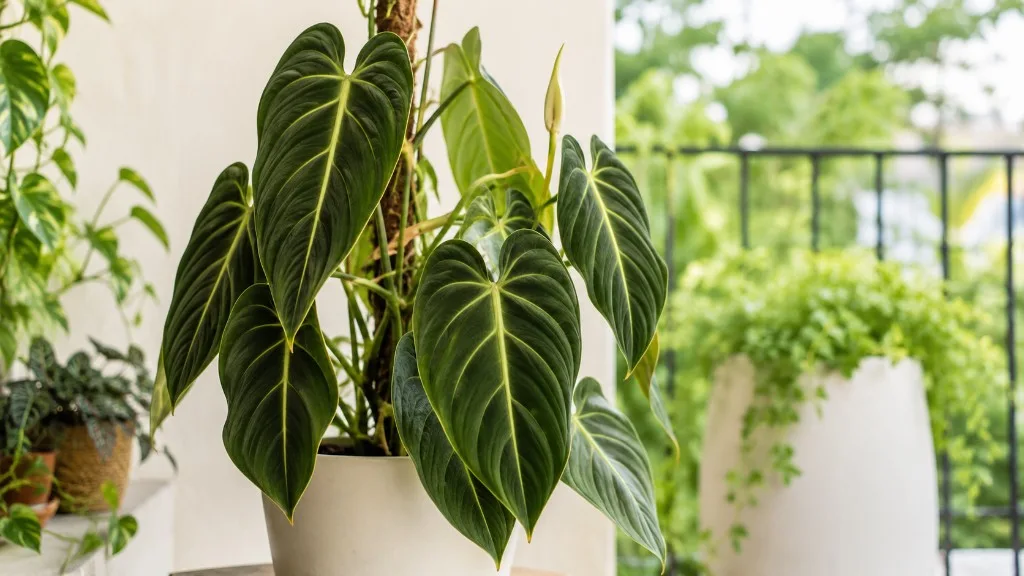
Philodendron melanochrysum soil is not a bag-label decision. Philodendron melanochrysum - the velvet-leaf Black Gold climber collectors chase for dark, elongated foliage - is a scandent hemiepiphytic aroid native to Colombia. In habitat it roots into loose bark and forest debris on tree trunks, not dense ground mud. Indoors, your potting mix replaces that bark layer: it must drain fast, hold enough moisture between waterings, and stay open so roots breathe after every soak. Clemson HGIC groups philodendrons with pothos and monsteras as aroids that need well-drained, organic-rich mix - advice that applies directly to melanochrysum when you translate “well-drained” into perlite, bark, and functional drainage holes.
This guide gives you an equal-parts starting recipe, ingredient rationale, drainage and squeeze tests, terracotta vs plastic tradeoffs, a full repot workflow with root inspection, pole-root moisture zones for moss-pole growers, and how melano substrate needs differ from crawler philodendrons like gloriosum. For watering rhythm once the mix is right, see the watering guide. For the full care picture, start with the overview.
Why Melanochrysum soil is different from bagged potting mix
Heavy peat-based indoor potting soil compacts within months. Water runs down the pot walls while the centre stays stale. Roots lose oxygen. For any philodendron that is risky; for a velvet climber where root rot shows up as yellowing and soft stems before you notice wet mix, it is expensive. Iowa State University Extension notes philodendrons prefer evenly moist but not wet soil and should not sit in soggy mix or saucers of standing water. Melanochrysum adds two wrinkles generic aroid advice often skips: it is a vertical climber whose aerial roots explore moss poles separately from the pot, and its large velvet leaves transpire heavily in good light - which changes how fast your container dries even when the recipe is correct.
Soil is the system that decides how much air, moisture, and recovery time roots get after every watering. A mix that works in a humid cabinet with a moss pole may stay too wet on an open shelf in a dry winter room. The recipe is a starting framework; dry-down tests in your home are the proof.
Hemiepiphytic roots and the bark-drying analogy
Think of melanochrysum roots the way they behave on a rainforest tree: they cling to bark that dries quickly between rain events but never sits in a stagnant puddle. Chunky orchid bark in your mix mimics that structure - large voids for air, irregular surfaces for root grip. Fine peat alone mimics mud; roots suffocate even if you water carefully. Clemson HGIC recommends light, well-drained potting media for philodendron-family houseplants; melanochrysum needs that recommendation taken literally, with visible bark pieces and perlite, not a token dusting on top of bagged soil.
Best soil mix for Philodendron Melanochrysum
Stop repeating “chunky aroid mix” without numbers. Here is a proven home starting point for an established melanochrysum in a four- to eight-inch pot with drainage holes:
| Component | Proportion | Role |
|---|---|---|
| Quality indoor potting mix | 1 part (33%) | Base organic matter and minor nutrients |
| Perlite | 1 part (33%) | Drainage and air pockets |
| Medium orchid bark | 1 part (33%) | Chunk structure; epiphytic root environment |
Blend dry in a tub until the texture looks like coarse granola - not mud, not dust. Pre-moisten slightly before potting so dry peat does not repel the first watering. Target pH 5.5–7.0, which most peat- or coir-based aroid blends already land near without lab testing.
Equal-parts recipe and optional tweaks
The equal-parts recipe above is the default for most homes. Optional additions:
- Small handful of horticultural charcoal per litre of mix - helps keep mix fresh in humid rooms; common in aroid blends though not required.
- 5–10% sphagnum moss or coco chips - add in very dry homes where pots dry in under three days despite correct watering; reduce perlite slightly if you add sphagnum.
- Shift toward 25% potting mix, 40% perlite, 35% bark if pots stay wet more than seven to ten days in normal light - common in humid grow tents or with oversized plastic pots.
The goal is a handful you can squeeze that loosens immediately afterward - not a brick that holds your fingerprint. That squeeze test matters more than chasing a brand name on a bark bag.
Mix ingredients explained
Potting mix supplies organic matter and baseline nutrients. Choose a quality indoor blend without water-retention crystals if you tend to overwater. Perlite creates non-negotiable air pockets; without it, bark alone may not prevent centre compaction in small pots. Orchid bark provides structure that breaks down over twelve to eighteen months - which is exactly why repot cadence matters. Charcoal absorbs odours and may reduce bacterial load in long-lived mixes. Sphagnum or coco chips increase water retention at the margins; use them as a tuning knob for dry air, not as the main volume of the mix.
Drainage speed and the one-minute check
Water should move through the pot freely. After watering melanochrysum, excess water should leave through the drainage hole rather than pooling around lower roots. A drainage hole is not optional for long-term indoor care - decorative cachepots without exit holes turn even perfect aroid blend into standing water within hours.
One-minute surface test: After a full watering, water should sink within seconds, not pool on top for minutes. Persistent pooling means hydrophobic peat or compaction - bottom-soak briefly, then plan a mix refresh.
Twenty-four-hour weight test: The pot should feel lighter the next day but not bone dry. If it stays heavy and cool at the bottom after forty-eight hours in bright indirect light, the mix retains too much water for your conditions - add perlite and bark, reduce pot size, or switch toward terracotta.
Skewer probe: A dry wooden skewer pushed to the bottom should come out slightly cool and faintly damp two days after watering in active growth - not wet, not dusty.
Pot choice: size, depth, terracotta vs plastic
Choose a pot only slightly larger than the root ball - typically one inch wider at repot. Melanochrysum does not need a mansion. Oversized pots hold wet mix around unused space while the surface looks dry; that is how careful waterers still trigger overwatering and centre rot. Match pot depth to root habit, not leaf size: a tall moss-pole setup still wants a modest base pot unless roots have genuinely filled the current container.
Iowa State Extension notes philodendrons often do well slightly pot-bound because soil dries faster between waterings - a useful anchor when you are tempted to jump two pot sizes “for growth.”
Terracotta vs plastic vs cachepots
| Factor | Terracotta | Plastic / glazed ceramic | Decorative cachepot (no hole) |
|---|---|---|---|
| Dry-down speed | Fast - wicks moisture through walls | Slower - retains moisture longer | N/A - traps runoff |
| Best for | Humid rooms, heavy-handed waterers | Dry homes, busy schedules | Display only - remove nursery pot to water |
| Mix adjustment | Default equal-parts recipe | Add 5–10% extra perlite if wet cycles exceed 10 days | Never plant directly inside |
Worked example: A pole-grown melano in a six-inch terracotta pot in a room holding 65% humidity may need water every seven to ten days with the equal-parts mix. The same plant in six-inch plastic on the same shelf may stretch to ten to fourteen days. Neither is wrong - but copying a plastic-pot watering thread while you use terracotta without adjusting invites drought stress. Confirm with pot weight, not someone else’s calendar.
Pebbles at the bottom do not create a drainage layer; they reduce soil volume and can raise the water table. Fix the mix and holes instead.
pH, minerals, and when to flush the mix
Melanochrysum usually does best when mix stays in a normal houseplant pH band around 5.5–7.0 without obsessive testing. Precise pH chasing is rarely necessary unless new growth shows persistent micronutrient issues despite correct watering and light.
Velvet leaves show salt and fertilizer stress sooner than smooth green philodendrons - crisped margins on new foliage while roots look healthy often means salt crust on the soil surface, not light failure. If white mineral crust appears or leaf tips burn despite careful feeding, flush the pot with plain water until runoff runs clear, or refresh mix at repot. UMD Extension recommends holding fertilizer after repotting until roots re-establish - typically four to six weeks - which pairs with salt flush logic after a heavy feeding season.
When to refresh or repot Philodendron Melanochrysum
Repot into fresh mix every one to two years because bark breaks down, perlite floats upward, and the root zone slowly suffocates even if you water perfectly. Refresh sooner when:
- Mix smells sour, musty, or stagnant
- Water pools on the surface or runs straight down the sides (hydrophobic peat)
- Roots emerge from drainage holes or circle densely at the bottom
- The plant dries out within a day of every watering (underpotted or mix too airy for current root mass)
- The plant stays wet more than seven to ten days after watering in normal light (mix too dense or pot too large)
Repot during active growth - spring through early summer for most temperate homes. Do not repot on day one after import unless mix is clearly failing or pests are obvious; quarantine, learn dry-down speed, and repot once the plant stabilizes - guidance that matches the overview first-month protocol. Avoid repotting a stressed plant unless roots or soil are clearly the problem.
Step-by-step repot workflow
- Water lightly two days before if mix is bone dry - easier removal without shattering roots. Skip if mix is already wet or sour.
- Choose a pot one inch larger with drainage. Prepare fresh equal-parts mix (or slightly airier blend if previous pot stayed wet).
- Unpot gently. Support the stem; never yank by velvet leaves - they tear and mark easily.
- Inspect roots (see below). Trim mushy black sections with clean shears. Healthy aroid roots are firm, white to tan, and flexible.
- Tease away old compacted bark from the outer third of the root ball. Leave the inner core if roots are fragile.
- Reinstall moss pole in the same orientation if repotting a climber - twisting the vine stresses nodes and aerial roots.
- Place at the same depth - do not bury nodes or aerial roots deeper hoping for stability. Burying nodes in wet mix invites rot on climbers.
- Backfill with pre-moistened mix, tapping the pot to settle without compressing.
- Water once to settle, drain fully, then follow watering guide dry-down before the next soak.
- Hold fertilizer four to six weeks until new growth confirms roots are functioning. Keep humidity steady the first month - see overview humidity guidance.
For dedicated timing and moss-pole reset angles, the repotting guide complements this soil-focused walkthrough.
Root inspection at repot
Lift the root ball into light and look for colour and texture, not just smell. Healthy roots: firm, white to tan, earthy smell. Rot: black, mushy, hollow, foul odour - trim back to clean tissue and consider a smaller pot with fresher, airier mix. Crowding alone without rot still warrants refresh if bark has broken down to fines. If more than thirty percent of root mass is lost, keep the plant slightly drier for a week before normal watering resumes and expect slower new leaf production until recovery.
Clemson HGIC links chronic wet soil to root decay and secondary disorders - the inspection step is prevention, not optional detail for collector aroids.
Soil mistakes to avoid
Using unamended bagged soil - compacts and suffocates hemiepiphytic roots within a season.
Oversized pots “so it can grow into it” - wet reservoir around a small root ball; surface dries while centre rots.
Cachepots with standing water - wicks back into drainage holes within hours.
Repotting immediately after shipping - stacked stress on velvet climbers that may drop leaves while rebuilding roots; fix only if mix is sour or waterlogged.
Burying aerial roots or nodes deeper at repot - especially deadly on recently rooted cuttings; see propagation pot-up depth.
Stones at the bottom for “drainage” - reduces effective root volume without improving oxygen.
Ignoring bark breakdown - watering perfectly in twelve-month-old fines still suffocates roots.
Refreshing soil with fertilizer instead of new mix - salts accumulate while structure collapses.
Melanochrysum vs crawler philodendrons
Melanochrysum is a vertical scandent climber; Philodendron gloriosum is a horizontal crawler with a rhizome that runs along the soil surface. Both want chunky aroid mix, but the geometry changes moisture behaviour:
| Factor | Melanochrysum (climber) | Gloriosum (crawler) |
|---|---|---|
| Root exploration | Pot mix + moss pole aerial roots | Mostly pot mix; rhizome on surface |
| Dry-down pattern | More predictable when climbing; trailing vines dry unevenly | Rhizome zone must stay open, not buried |
| Support interaction | Pole moisture is separate zone from pot | No pole; soil surface airflow critical |
| Typical buyer mistake | Wet pot + dry pole or reverse | Burying rhizome too deep in dense mix |
The equal-parts baseline suits both; melano growers more often manage two moisture zones (pole and pot). For gloriosum-specific substrate angles, see gloriosum soil - do not copy crawler repot depth logic onto a climbing melano vine.
RHS notes climbing philodendrons can be trained onto moss poles into which they root when kept moist - that rooting is what triggers larger leaf morphology in melanochrysum, which is why pole moisture matters alongside pot mix even though this page focuses on the container substrate.
Practical checks: drainage, smell, and squeeze test
Use these three checks before you repot, after you mix a new batch, or when leaves yellow despite “careful” watering:
Drainage check: Water until runoff exits the hole. If water sits on the surface past one minute, add bark and perlite or refresh mix.
Smell check: Lift the pot and sniff near the drainage hole. Earthy is good. Sour or swampy means anaerobic conditions - inspect roots before feeding or repotting on calendar autopilot.
Squeeze test: Grab a handful of moist mix. It should hold together briefly then crumble when you open your hand. A persistent clump means too much peat or broken-down bark - plan refresh.
Pole-root zone vs pot mix moisture
A melano on a moss pole often has aerial roots exploring damp moss while pot mix follows its own dry-down cycle. That is normal - two zones, one plant. Problems start when only the pole is wet but pot mix sours, or the pot stays soggy while the pole dries and aerial roots desiccate. If pot mix fails skewer and smell tests, fix the pot - not the pole first. If the pole is dry and aerial roots shrivel while pot mix is perfect, moisten the pole when you water. Pair this with the watering guide so both zones stay coherent.
Related Philodendron Melanochrysum care guides
- Overview - identification, humidity, climbing support
- Light - bright indirect placement
- Watering - dry-down rhythm paired with mix
- Fertilizer - feeding after repot recovery
- Repotting - timing and moss-pole reset
- Propagation - pot-up mix for rooted cuttings
- Root rot · Overwatering · Mold on soil
Conclusion
Philodendron melanochrysum soil succeeds when the mix is chunky, measurable, and matched to a climbing hemiepiphytic habit - not when it repeats a vague “aroid mix” label three times in one paragraph. Start with equal parts quality potting mix, perlite, and orchid bark; tune with charcoal or sphagnum for your humidity; test drainage with one-minute surface, weight, and squeeze checks; and repot every one to two years before bark fines suffocate roots. Terracotta vs plastic is a dry-down tool, not aesthetics - match it to how your pot actually behaves after watering.
Pair this mix with the watering guide rhythm, confirm light supports steady growth, and trace leaf problems to the root zone before changing three variables at once. Soil is the system that decides how much oxygen and moisture every root gets after each drink - get the ratios, the pot, and the repot workflow right, and melanochrysum becomes a predictable velvet climber instead of a rescue project.
Reviewed by the LeafyPixels Review Board against Kew POWO Philodendron melanochrysum data, Clemson HGIC and Iowa State philodendron guidance, UMD container and fertilizer references, and practical indoor pole-grown constraints (June 2026).