Philodendron Melanochrysum Fertilizer: When, How & Mistakes
Philodendron Melanochrysum Fertilizer: When, How & Mistakes
Philodendron Melanochrysum Fertilizer: When, How & Mistakes
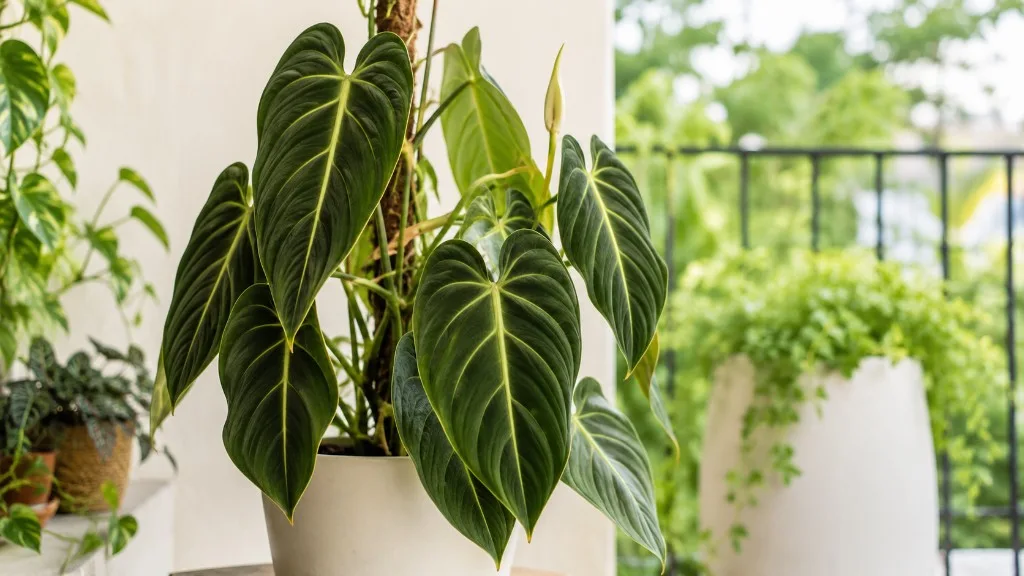
Philodendron melanochrysum fertilizer is not a calendar sticker on a generic philodendron routine. Philodendron melanochrysum - the velvet-leaf Black Gold climber whose mature foliage darkens to near-black with bold pale venation - is a scandent climber native to Colombia that sizes leaves to how it grows. A melano on a moist moss pole in bright indirect light pushes larger leaves, more aerial roots, and faster tissue turnover than the same genetics trailing in a dim corner. That difference changes how quickly the plant uses nitrogen and other nutrients, how often you should feed, and how aggressively salts accumulate on velvet margins. Fertilizer supports growth after light, humidity, roots, and chunky aroid mix are already working - it does not replace them.
By sai-ananth · Reviewed by LeafyPixels Review Board · Updated 2026-06-15
This guide covers pole- and light-driven feeding logic, half- versus quarter-strength dilution, grow-light winter exceptions, salt-flush protocol for hard water, velvet burn signs, recovery links, and how feeding coordinates with the rest of the melanochrysum care cluster.
Quick Answer - Half or Quarter Strength on Moist Soil
During active growth - roughly spring through early autumn for most temperate homes - feed Philodendron melanochrysum with a balanced liquid fertilizer diluted to half label strength once a month on already-moist soil, then flush the pot monthly with plain water to wash excess salts. Collectors with slow unfurling, hard tap water, or recently flushed burn damage often do better at quarter strength every four to six weeks. Pause feeding in late autumn and winter unless grow lights keep new cataphylls appearing reliably. Never feed dry, stressed, pest-infested, or newly repotted plants. Success looks like clean dark velvet leaves unfurling with bold venation on the pole - not generic “deep green variegation,” which does not apply to this solid velvet species.
Why Moss Pole and Light Level Change Nutrient Demand
Nutrient demand on houseplants tracks photosynthesis and new tissue production, not the date on a wall calendar. University of Maryland Extension advises fertilizing indoor plants from March through September when light and temperature support growth, and holding feed when reduced light slows the plant - because the goal is to replace nutrients lost to leaf turnover, not force oversized quick growth. Melanochrysum amplifies that principle: a supported climber in strong bright indirect light builds bigger leaf blades, longer petioles, and more active aerial roots on the pole. Each new velvet leaf is a substantial nitrogen and potassium draw. A trailing vine in lower light produces smaller leaves, shorter internodes may lengthen instead, and the plant simply uses less food.
The Royal Horticultural Society notes climbing philodendrons can be trained onto moss poles into which they root when kept moist - and that rooting on vertical support is what triggers mature leaf morphology in species like melanochrysum. More attached aerial roots and larger leaf surface area mean higher total nutrient throughput even if the pot volume stays modest. That is why copying a monthly half-strength schedule from a small trailing micans without adjusting for your pole-and-light setup can still end in salt crust and crispy velvet edges.
Pole-supported melano in bright light vs trailing vine in a dim corner
Use this practical split as a starting framework - then confirm with new growth in your room:
| Setup | Typical feed cadence | Dilution starting point |
|---|---|---|
| Moss pole, bright indirect or grow light, steady new cataphylls | Half strength monthly spring–summer | Standard collector default |
| Moss pole but slow unfurl, hard water, or prior burn | Quarter strength every 4–6 weeks | Leaner, with monthly flush |
| Trailing in dim corner, little new growth | Feed rarely or skip until light improves | Quarter strength at most |
| Winter, no grow lights, growth paused | No fertilizer | Resume at first reliable spring unfurl |
Feeding a dim trailing vine expecting pole-sized leaves is one of the most common melano disappointments - slow growth from low light is not hunger. Fix support and brightness first.
How Climbing Velvet Biology Affects Feeding
Melanochrysum belongs to the philodendron lineage of hemiepiphytic aroids that climb toward brighter light in Colombian wet forest and root along tree bark. Indoors, the pole substitutes for bark. Velvet texture - tiny surface hairs - helps hold a humid micro-layer against the leaf in dappled forest light, but it also makes foliage more visible when salts and hard-water minerals accumulate at margins than on smooth philodendron leaves. Salt burn often shows as crisped velvet edges and stalled new leaves before the classic brown-tip pattern people recognize from extension photos of other houseplants.
Because melanochrysum is a single species - not a genus of “melanochrysum types” - feeding advice should reference P. melanochrysum biology: scandent stem, aerial roots, large cordate-oblong blades with contrasting venation. Iowa State University Extension recommends light, regular feeding for philodendrons during active growth while keeping soil evenly moist but never soggy. For melano, read “light, regular” as dilute and spaced, not weak plant plus strong fertilizer. Internodes that stretch despite a pole still mean insufficient light - fertilizer will not compact a vine searching for photons, a point echoed throughout the overview and grower notes for this species.
When to Fertilize (Spring Through Summer, Grow-Light Exception)
Fertilize from March through September when indoor plants are actively growing, and avoid winter feeding when reduced light and temperature slow growth - winter fertilizer can harm some houseplants that are not using nutrients. For melanochrysum in a typical north-temperate home, that translates to start when you see reliable new cataphylls in spring, pause when autumn growth slows, and hold through winter dormancy.
Grow-light exception: If you run full-spectrum LEDs 10–12 hours daily through winter and the plant keeps unfurling new velvet leaves without stress, a lean quarter-strength feed every six to eight weeks is reasonable. If growth stalls despite lights, the problem is usually humidity, roots, or temperature - not missing fertilizer. Never feed immediately after import, repot, pest treatment, or a yellow-leaves crisis until the plant stabilizes.
Skip feeding when:
- Soil is dry - water first, feed later the same day or next
- White salt crust sits on the mix surface
- The plant was repotted within the last four to six weeks
- Active pest pressure (hold feed per integrated pest recovery - extra nitrogen can soften tissue pests exploit)
- Newest growth point is yellowing or collapsing
How Often - Monthly Half Strength or Leaner Quarter Strength
UMD Extension states monthly applications of diluted liquid fertilizer in summer keep most indoor plants healthy, while warning that excessive fertilizer causes salt buildup and leggy growth. For melanochrysum, half label strength monthly during active growth is the default for a healthy pole plant in bright light with clean unfurling. Move to quarter strength every four to six weeks when any of these apply: slow cataphyll progression, hard tap water leaving white spots on leaves, prior fertilizer burn you are recovering from, or a cautious first season with a new import.
Constant low-dose fertilizer at every watering - sometimes marketed as “weakly weekly” - builds salts faster in small pots with inert chunky mix because bark and perlite do not buffer nutrients the way peat-heavy soil does. Melanochrysum tolerates a missed month far better than a doubled dose after guilt. If you forget March, do not pour double strength in April.
Slow-release alternative: A light scattering of indoor-rated slow-release granules at the start of spring - incorporated into the top layer of mix per label rates for containers - can substitute for monthly liquids for growers who travel often. Use a low dose; velvet aroids punish overdose. Still flush monthly. Do not combine full-rate slow-release with aggressive liquid feeding on the same cycle.
What Fertilizer Type Works for Velvet Climbers
A balanced liquid such as 10-10-10 or 20-20-20, diluted, is the straightforward choice. Melanochrysum is grown for foliage, not flowers; extreme high-nitrogen formulas can push soft succulent shoots that attract pests in humid cabinets. Balanced ratios support leaf blade and root maintenance without skewing toward rank vine growth. Clemson HGIC groups philodendrons with other aroids needing well-drained media and regular but moderate care - the fertilizer should match that moderation.
Organic options like diluted fish emulsion work if odor is acceptable. Always strain or use smooth solutions; chunky residue on velvet is annoying to rinse. Avoid foliar feeding on melanochrysum - velvet texture holds droplets, magnifies burn risk, and these leaves are not the primary uptake surface for container culture. Avoid fertilizer-pesticide combo products unless you have a specific labeled need; velvet reacts poorly to unnecessary chemical load.
Micronutrients matter over years in inert mixes. UMD Extension notes micronutrients can become deficient indoors and recommends a commercial indoor formula with micronutrients or occasional compost supplementation. If new growth is pale with green veins despite correct light and watering, investigate roots and flush salts before assuming magnesium deficiency - but an annual diluted Epsom salts drench per extension guidance is reasonable for long-held plants in pure bark-heavy blends.
Step-by-Step: Feed on Moist Soil, Never on Dry or Stressed Roots
- Check the calendar and the plant. Active unfurling? Spring–summer window or grow-light winter growth? If no, stop.
- Probe moisture. Top 3–5 cm of mix should be lightly moist - follow the same dry-down logic as the watering guide. If dry, plain-water first.
- Mix fertilizer at half or quarter label strength in your watering can. Measure with a syringe or spoon - guessing concentrates causes burn.
- Pour slowly across the soil surface until a little runs from drainage holes. Avoid splashing concentrate on velvet blades.
- Empty the saucer within 30 minutes. Never let the pot sit in fertilizer runoff.
- Mark the date. Next feed is roughly four weeks (half monthly) or six weeks (quarter lean) - adjust if growth speed changes after a light move.
Never apply fertilizer to dry soil - roots absorb poorly and concentrated salts damage root tips on contact. This rule matters more on epiphytic-rooted aroids than on thirsty ferns.
Salt Buildup on Chunky Aroid Mix - Flush Protocol
Even careful feeding leaves residual salts in container media. Fertilizer toxicity from excessive or frequent application shows as brown leaf tips, margin dieback, reduced growth, white crust on the soil surface, and root dieback. Velvet melano margins often crisp before the whole tip browns - treat early margin tanning as a salt warning, not humidity alone.
Monthly flush: Irrigate with plain water - filtered or rain if your tap is hard - until volume equal to at least the pot size runs freely out the bottom. Repeat twice in one session if crust is visible. Resume feeding only after the plant shows normal turgor and no new margin burn on the next unfurl.
Hard-water minerals compound fertilizer salts on dark leaves as white speckles that cannot be wiped off velvet without damage. If speckles appear despite lean feeding, flush more aggressively and consider leaner dilution or better water source - details that overlap with brown-tips troubleshooting.
Signs Feeding Is Working (Dark Velvet Unfurling on the Pole)
Healthy feeding response on melanochrysum looks like:
- New leaves unfurl cleanly from cataphylls without tearing or stuck sheaths - humidity still matters, but steady color and size progression signal adequate nutrition
- Blades darken and enlarge on successive nodes up the pole while venation stays crisp and contrasting
- Stems stay firm; internodes shorten relative to leaf size as light and support improve
- Soil surface stays free of thick white crust between scheduled flushes
- No sudden leaf drop after feed days
Compare newest leaves to the prior two nodes - incremental size gain beats a single dramatic leaf followed by burn. Feeding does not fix etiolation; if leaves shrink while vines lengthen, return to the light guide before increasing fertilizer.
Signs of Over-Fertilizing and Salt Burn on Velvet Margins
Watch for these signals - several together mean pause feed and flush:
- Crispy velvet margins on new or mature leaves, sometimes with a yellow halo
- White crystalline crust on mix surface or pot rim
- Stalled cataphylls - new growth stops opening after a feed
- Sudden lower leaf yellowing and drop unrelated to normal senescence
- Wilting despite moist soil - damaged roots cannot take up water (fertilizer toxicity can mimic drought stress)
- Sour or sharp smell from media after feeding
Pale new growth with green veins can mean under-feeding or root issues, pH drift, or still-insufficient light. Rule out watering and light before chasing micronutrient supplements.
Common Melanochrysum Fertilizer Mistakes
Feeding every watering at low dose. Salts accumulate in inert bark mixes faster than the plant uses them, especially in 4–6 inch pots. Schedule clear feed days and plain-water weeks.
Full label strength “because it is indoor formula.” Manufacturers assume outdoor light and leaching rain. Indoors, half strength is standard conservative practice for container culture.
Feeding a trailing dim vine to force pole-sized leaves. Nutrients do not replace photons or aerial root attachment. Upgrade support and light, then feed.
Foliar spraying velvet leaves. Droplets magnify burn and leave permanent marks. Root-zone feeding only.
Doubling after a missed month. One skipped feed is safe; concentrated catch-up is not.
Feeding during repot recovery or pest outbreaks. Fresh mix often contains residual nutrients; stressed roots need rest. Hold four to six weeks post-repot per soil and repotting guidance.
Ignoring flush after fertilizing in hard-water regions. Minerals plus fertilizer salts destroy velvet edges on a plant you bought for foliage texture.
Recovery After Over-Fertilizing
Act fast when you recognize burn:
- Stop all fertilizer immediately.
- Flush the pot with plain water repeatedly until runoff is clear - for severe crust, leach with volume at least equal to pot size multiple times per UMD toxicity guidance.
- Trim only fully dead tissue if it bothers you; burned velvet margins do not re-green.
- Wait four to six weeks before the gentlest quarter-strength trial - watch the first new cataphyll closely.
- Read the full brown-tips guide if margins keep spreading after flush - humidity and water quality may overlap.
Recovery timeline is usually one to two new leaf cycles on a moss pole once salts drop and roots heal. Badly burned immature leaves will not recover cosmetically; judge success on the next unfurl, not the damaged one.
Seasonal Adjustments and Grow-Light Winter Exceptions
Late summer: Taper frequency as daylight shortens - last feeds around early autumn unless growth is still vigorous under lights.
Autumn–winter (natural light only): Pause fertilizer when cataphylls stop and soil dries more slowly. Cold, dim, and wet roots plus fertilizer is a rot and burn setup.
Winter under grow lights: Continue quarter-strength every six to eight weeks only while active leaves unfurl. No unfurl means no feed.
Early spring: Resume at quarter strength for the first feed after dormancy, return to half monthly once two clean leaves open in succession.
Pair seasonal shifts with watering reductions in winter - a plant drinking half as often needs half the nutrient input even if you are emotionally ready for spring growth.
How Fertilizer Fits With Light, Water, Soil, and Moss Pole Care
Think of feeding as the last dial on a four-knob panel:
- Light sets photosynthetic budget - brighter means more nutrient use
- Watering moves nutrients into root zone and washes salts - never decouple from moisture checks
- Soil structure determines oxygen and salt retention - chunky mix needs lean feeding plus flush
- Moss pole moisture keeps aerial roots active - dry poles slow upward growth even when pot fertilizer is perfect
Fertilizer cannot compensate for soggy anaerobic mix, a dry decorative stake with no root attachment, or 35% humidity on velvet. The overview places feeding after environment basics for that reason. When troubleshooting, change one variable per two-week observation window - not fertilizer, repot, and window move the same weekend.
Pet and Child Safety
Philodendron melanochrysum is toxic to cats, dogs, and other pets if chewed or ingested. Like other Araceae, it contains insoluble calcium oxalate crystals (raphides) that irritate mouth and throat tissues. The ASPCA lists philodendrons among houseplants that can cause trouble for pets, with signs including oral irritation, drooling, vomiting, and difficulty swallowing. Severity is usually moderate and dose-dependent, but airway swelling warrants emergency care. ASPCA Animal Poison Control: 888-426-4435 (US).
Fertilizer products add a separate risk - stored liquids and granules should stay locked away from children and pets. Never leave mixed fertilizer solution in open containers. Trailing melano vines bring toxic foliage into browsing range; keep climbers elevated or in pet-free rooms.
Sap may irritate skin and eyes during pruning or leaf handling. Wear gloves, wash after contact, and keep toddlers away from chewed leaves regardless of fertilizer schedule.
Conclusion
Philodendron melanochrysum eats on a schedule set by your moss pole, light level, and unfurl speed - not a generic monthly sticker. Start with half-strength balanced liquid on moist soil once a month in active growth, flush salts monthly, and drop to quarter strength every four to six weeks if velvet margins crisp or unfurling is slow. Pause in winter unless grow lights keep new leaves coming. Never feed dry, repotted, or stressed plants. Success is a dark velvet leaf with bold venation climbing the pole - if margins burn instead, flush, wait, and read the brown-tips guide before you reach for the bottle again. For the full care picture, return to the overview; for propagation after the parent is fed and stable, see propagation.
When to use this page vs other Philodendron Melanochrysum guides
- Philodendron Melanochrysum overview - Start here for whole-plant context before deep-diving this topic.
- Philodendron Melanochrysum problems hub - Jump to symptom-specific fix guides when this care topic does not resolve the issue.