Philodendron Melanochrysum Repotting: When, How & Mistakes
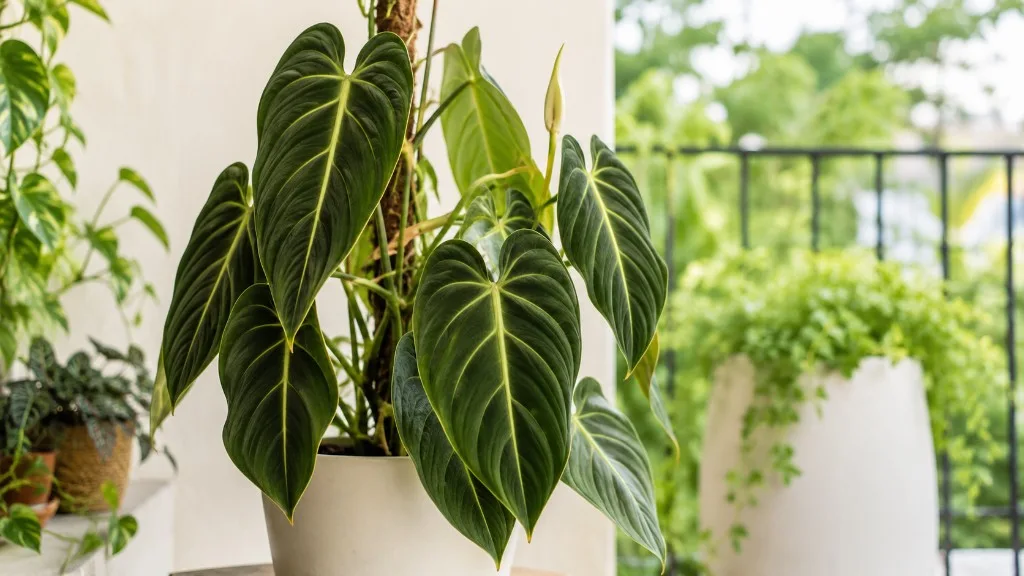
Philodendron Melanochrysum Repotting: When, How & Mistakes
Philodendron Melanochrysum Repotting: When, How & Mistakes
Philodendron melanochrysum repotting is less about finding a bigger pot and more about resetting a climbing system. The Black Gold philodendron is a Colombian hemiepiphytic vine whose mature velvet leaves size up only when aerial roots grip a moist vertical support - not when the pot alone gets wider. If you repot a pole-grown melano the way you would a trailing pothos, you risk twisting the vine, drying aerial roots, and leaving new cataphylls stuck in dry air while the root ball sits in fresh but unfamiliar mix. This guide walks through when to repot, how to choose pot and soil, a numbered procedure with moss-pole reinstall, root-trim decisions, humidity recovery, and the mistakes that turn a routine spring upgrade into weeks of dull leaves and stalled growth.
Guide by sai-ananth · Reviewed by LeafyPixels Review Board · Last reviewed 2026-06-15
How we reviewed this: Recommendations were checked against Royal Horticultural Society philodendron guidance, Clemson HGIC aroid culture, UMD Extension indoor watering and fertilizer resources, Iowa State University Extension philodendron home culture, and cross-checked against LeafyPixels overview, soil, and problem-page repot protocols.
Quick Answer - When Melanochrysum Actually Needs a New Pot
Repot Philodendron melanochrysum when two or more signs appear together: roots circling the drainage hole or pot bottom, water running straight through without wetting the centre, mix that dries out within a day of every watering, sour or stagnant smell from degraded bark, or visible salt crust despite careful feeding. A check-based interval of roughly one to two years fits many established plants because orchid bark breaks down and suffocates roots even when you water correctly - but calendar timing matters less than root and mix condition. Move up only one pot size (about 2–5 cm / one inch wider), use fresh equal-parts chunky aroid mix, reinstall the moss pole in the same orientation, and hold fertilizer for four to six weeks while keeping humidity at 60% or higher so velvet leaves unfurl cleanly. Spring through early summer is the safest window for temperate homes; winter repotting is an emergency-only move for severe root-bound stress or active root rot.
Why Repotting a Velvet Climber Is Not the Same as Repotting a Trailing Philodendron
Philodendron melanochrysum is a scandent climber native to Colombian rainforest, where it roots into bark and forest debris on tree trunks rather than sitting in dense ground soil. Indoors, that biology splits into two moisture zones: the pot mix around terrestrial roots and the moss pole (or plank) where aerial roots absorb humidity. Repotting disrupts both zones at once. Disturb the pole orientation and the vine may twist at nodes you tied last season. Bare-root a healthy climber and you strip fine root hairs that velvet philodendrons rebuild slowly. Skip humidity support after the move and the first new leaf may tear its cataphyll - the protective sheath around unfurling foliage - even when the root ball looks fine.
Trailing philodendrons like micans tolerate average humidity and smaller leaves after repot. Melanochrysum punishes the same shortcuts harder because large velvet leaves transpire heavily in good light and because collectors usually grow it upright on support. The repot goal is not merely “more root room.” It is fresh airy mix, stable pole geometry, and a humidity buffer while roots re-establish.
Moss Poles, Aerial Roots, and Leaf Size After the Move
Without vertical support, melanochrysum often stays smaller and tangles faster - the same pattern described in the overview. After repot, aerial roots that were gripping a moist pole may detach or dry if you forget to water the pole, not just the pot. Clemson HGIC groups philodendrons with pothos and monsteras as plants that need well-drained, organic-rich media; for melano that recommendation only works when the pole surface stays lightly moist, not sodden, and ambient humidity stays high enough that shriveled aerial roots rehydrate within days. New leaves sized to the support - long, dark, prominently veined - are the clearest sign the climbing system recovered, not just the pot roots.
When to Repot Philodendron Melanochrysum
Use a two-sign rule before committing to a full repot. One symptom alone can mislead: fast dry-down might mean underwatering or a heat wave, not root-bound conditions. Pair signals instead.
Roots circling or escaping. Lift the nursery pot or peek through the drainage hole. Dense white-to-tan roots spiraling the bottom, or roots protruding from holes, mean the plant has outgrown its container volume.
Water behaviour changes. If water channels down the sides and out the bottom without moistening the centre, the root ball may be hydrophobic or so crowded that mix no longer holds moisture evenly. Conversely, if the plant dries within a day after every soak in normal indoor conditions, it may be underpotted or sitting in bark that has degraded to fines.
Mix failure. Sour smell, persistent surface pooling, or mold on soil surface in humid rooms often means bark breakdown - refresh even if roots still look white.
Growth stall despite good care. Slow growth with adequate light, humidity, and feeding sometimes traces to a root zone that no longer breathes. Confirm with inspection before repotting; do not repot on guesswork alone.
Do not repot on day one after import unless mix is waterlogged or pests are obvious. Quarantine, learn dry-down speed, then repot once the plant stabilizes - the same first-month protocol on the overview.
Top-Dress vs Full Repot vs Emergency Rot Repot
| Situation | Action |
|---|---|
| Bark breaking down but roots healthy, pot size still appropriate | Top-dress: scrape top 3–5 cm, replace with fresh equal-parts mix; full repot next spring if needed |
| Two or more repot signs, healthy white-to-tan roots | Full repot: one size up, fresh mix, pole reinstall |
| Black mushy roots, sour smell, yellowing despite wet mix | Emergency repot: trim rot, smaller pot if root mass lost, drier rest week - see root rot guide |
Best Time of Year to Repot Melanochrysum
Spring through early summer is the practical window for most temperate homes. Active roots heal faster in warm bright conditions, and the plant has months of growth ahead to refill the new mix with fresh roots. Clemson HGIC spring houseplant guidance treats late winter through spring as the period to inspect root-bound houseplants and refresh soil before the main growing season - the same rhythm melanochrysum follows when it pushes new cataphylls reliably.
Fall suits top-dressing or mix refresh only if the plant is healthy and your home stays warm with supplemental humidity. Winter repotting adds stress when growth slows and wet mix lingers in cool rooms. Reserve winter moves for severe root-bound plants, failing mix, or active rot you cannot fix in place. If the plant is merely slightly tight but healthy, waiting until March or April is lower risk than December surgery.
Choosing the Right Pot - One Size Up, Drainage, and Pole Stability
The safe rule for epiphytic climbers: one pot size up only - typically 2–5 cm (about one inch) wider in diameter than the current container. Oversized pots hold excess moisture around a small root system; the surface dries while the centre stays wet, the classic route to overwatering and rot on velvet aroids. UMD Extension emphasizes that containers need drainage holes so excess water escapes; decorative cachepots without exit holes turn even perfect aroid blend into standing water within hours.
Match pot depth to root habit, not leaf size or pole height. A six-foot moss pole does not require a deep bathtub pot unless terrestrial roots have genuinely filled the current container. A heavy pole on a too-small base wobbles; a wide shallow pot on a tall pole may tip. When upsizing, choose a pot heavy enough to anchor the pole stake - terracotta or a weighted plastic base - and push the pole firmly to the bottom so it does not shift when you tie new growth.
Terracotta vs Plastic After Repot
Either material works if you match watering to dry-down speed. Terracotta wicks moisture through walls and suits humid rooms or growers who tend to overwater after repot excitement. Plastic or glazed ceramic retains moisture longer and suits dry homes - pair with the default equal-parts mix or slightly extra perlite if wet cycles stretch past seven to ten days in normal light. The soil guide compares dry-down between materials; after repot, re-learn your pot’s rhythm instead of copying someone else’s calendar from a different container type.
What You Need Before You Start
Gather everything before unpotting so velvet leaves are not left sitting on a counter while you hunt for mix. You need: a new pot one size up with drainage holes; fresh equal-parts aroid blend (see below); a moss pole or plank if upgrading support; soft plant ties; clean scissors or pruning shears sterilized with alcohol; a hand trowel or chopstick for backfilling; gloves if sap irritates your skin; a humidifier or clear bag for recovery if room humidity runs below 50%; and a narrow-spout watering can for the first light soak and pole moistening. Water the plant one to two days before if mix is bone dry - easier removal with intact root ball. Skip pre-watering if mix is already wet or sour.
Step-by-Step - How to Repot Philodendron Melanochrysum
Follow this sequence for a routine spring upsize on a healthy pole-grown plant. Adjust for emergency rot by trimming roots and downsizing pot per the inspection section.
-
Prepare the workspace. Lay down paper or a tarp. Run humidity nearby if air is dry. Have ties and pole ready.
-
Remove the plant gently. Tip the pot and support the stem base - never yank by velvet leaves, which tear and mark permanently. If stuck, squeeze the pot sides or run a knife around the rim.
-
Inspect the root ball (detailed below). Trim black mushy roots to clean tissue. Tease circling roots on the outer third; leave the inner core if roots are fragile.
-
Position the moss pole in the new pot centre before backfilling if installing fresh support. Anchor the stake to the pot bottom so it cannot shift.
-
Reinstall the vine in the same orientation as before repot - mark which side faced the window if needed. Twisting the stem stresses nodes and breaks aerial root attachments.
-
Tuck aerial roots toward the moist pole surface without burying them deep in wet mix. Use soft ties only at nodes, never across petioles.
-
Backfill with pre-moistened equal-parts mix, tapping the pot to settle without compressing. Keep the plant at the same depth - do not bury nodes hoping for stability.
-
Water once lightly to settle mix, drain fully, then moisten the moss pole surface lightly - not saturated.
-
Place in bright indirect light out of direct sun for one to two weeks. Keep humidity 60% or higher for clean cataphyll unfurling.
-
Hold fertilizer four to six weeks per UMD Extension fertilizer guidance until new growth confirms roots are functioning. Follow watering guide dry-down before the next full soak.
How to Reinstall the Moss Pole Without Twisting the Vine
Moss-pole reinstall is the step generic philodendron repot articles skip - and the step melano owners regret skipping most. Keep the same pole orientation relative to the stem unless you are deliberately retraining a young plant. If you must rotate the pot for light, rotate the whole assembly weekly after recovery instead of twisting the vine once during repot.
Insert a new pole before or during repot rather than forcing stakes through a root ball later. Push the stake to the pot bottom for stability on top-heavy specimens. Use sphagnum-filled or coco-fiber poles that aerial roots can grip; smooth bamboo gives lift but little root contact. The RHS notes that climbing philodendrons can be trained onto moss poles into which they will root if kept moist - that rooting triggers mature leaf morphology on melanochrysum.
Secure stems with biodegradable ties at nodes only, where aerial roots emerge. Leave the lowest 3–4 cm of stem above mix exposed to air - wrapping the base in wet moss invites basal rot. Water the pole with a narrow spout when the surface dries; misting alone does not substitute for ambient humidity if aerial roots shrivel.
How to Inspect and Trim Roots Before Repotting
Lift the root ball into good light and assess colour, texture, and smell - not just crowding.
Healthy aroid roots on melanochrysum: firm, white to tan, flexible, earthy smell. Circling on the outer edge without mush is normal and only needs teasing.
Rot: black, mushy, hollow, foul odour - trim back to firm tissue with sterile shears, dust cuts if you wish, and consider a smaller pot than a one-size-up if you removed substantial mass. Clemson HGIC houseplant disease guidance links chronic wet soil to root decay; repot into fresher, airier mix, not more water.
Decision shortcut: circling only → tease and refresh mix; mushy rot → trim, downsize if needed, drier rest week; degraded bark without rot → full refresh even if roots look white.
If more than thirty percent of root mass is lost, keep the plant slightly drier for seven days before normal watering resumes. Expect slower new leaf production until recovery.
Choosing the Right Soil Mix for Repot Day
Do not repot melanochrysum into straight bagged indoor soil. Use the equal-parts chunky aroid blend from the soil guide: one-third quality potting mix, one-third perlite, one-third medium orchid bark, blended dry until the texture looks like coarse granola. Target pH 5.5–7.0, which most peat- or coir-based aroid blends land near without lab testing. Iowa State Extension notes philodendrons prefer evenly moist but not wet soil and should not sit in soggy mix - melano needs that advice translated into visible bark chunks and perlite, not a token dusting on heavy peat.
Pre-moisten mix slightly before backfilling so dry peat does not repel the first watering. If your previous pot stayed wet more than seven to ten days in normal light, shift toward 25% potting mix, 40% perlite, 35% bark at repot instead of the default equal parts.
Humidity and Recovery After Repotting
Velvet philodendrons show repot stress differently from smooth-leaf types. Instead of dramatic wilt, watch for dull leaf surfaces, stuck or torn cataphylls, and shriveled aerial roots - often low humidity problems amplified by root disturbance. Aim for 60–70% relative humidity during the first two to four weeks after repot, matching the target on the overview. A small humidifier near the plant beats occasional misting, which does not change room humidity enough and can wet velvet overnight in cool corners.
If a cataphyll has been stuck for more than a week in dry air, raise humidity first. You may slit the sheath gently along the seam with a sterile blade only if the leaf is partially free and humidity is already corrected - forced surgery on dry velvet tears permanently. Keep the moss pole lightly moist and maintain steady temperature (18–30°C / 65–86°F); avoid stacking repot with a window move and feeding change the same week.
Signs Your Repot Worked
Within one to two weeks, the plant should look stable - no progressive yellowing, no soft stem base, no sour smell returning. Aerial roots should rehydrate and begin gripping the pole again. Within two to four weeks, watch for a new cataphyll pushing cleanly without tearing. By four to six weeks, new velvet leaves should approach the size and color of pre-repot foliage if light and humidity stayed consistent. The pot should dry on a predictable rhythm - neither bone dry every day nor heavy and cool at the bottom a week after one watering. Roots you glimpsed at repot should remain white to tan when you check the drainage hole lightly with a skewer.
Signs Something Went Wrong - and What to Do
Progressive yellowing with wet mix after two weeks → likely overwatering in too-large pot or compacted centre. Stop watering, inspect roots through drainage hole, repot into airier mix and smaller pot if mushy. See root rot.
Dull leaves and stuck cataphylls without wilt → humidity too low. Humidifier first; moisten pole; do not increase water by reflex.
Wobble and pole shift → stake not anchored; add a heavier base pot or external support without burying stem deeper.
Brown tips on new growth only → salt burn from fertilizing too soon or hard water - flush with plain water and confirm you held feed four to six weeks. Brown tips troubleshooting applies.
Leaf drop on lower sections only while top stays firm → often normal acclimation if roots are healthy; panic repot again only if smell or mush confirms rot.
Recovery Timeline After Repotting
Days 1–7: Mild stress is normal - slight leaf dullness, paused growth, one older leaf yellowing. Keep light bright but indirect, humidity high, watering lighter than before.
Weeks 2–3: Transplant shock symptoms should stabilize, not spread. New cataphyll may appear.
Weeks 4–6: Root re-establishment completes for most healthy repots. Resume normal watering rhythm tied to top 3–5 cm dry-down. Resume diluted fertilizer only after new growth runs reliably.
Months 2–3: Mature pole-grown plants should produce leaves sized to the support again if pole moisture and light stayed correct. Damaged old leaves will not revert; judge success by new foliage.
Common Philodendron Melanochrysum Repotting Mistakes
Collectors repeat the same errors on expensive velvet climbers: oversized pots, bare-rooting healthy plants, and treating repot as pot-only surgery while ignoring pole and humidity. Each mistake shares one outcome - weeks of stalled cataphylls and aerial root loss while the owner assumes transplant shock is inevitable.
Mistake - Pot Too Large
Jumping two sizes “so it can grow into the pot” leaves a wet reservoir around roots that cannot use it. Melano’s hemiepiphytic roots expect cyclic wet-dry, not constant saturation in unused soil volume. One size up with chunky mix is the conservative rule extension sources reinforce for root-bound houseplants generally.
Mistake - Bare-Rooting a Healthy Climber
Stripping all old mix from a healthy melano removes fine root hairs and breaks aerial attachments. Tease the outer third; keep the inner root ball intact unless correcting rot. Bare-rooting belongs in emergency rot surgery, not routine spring refresh.
Mistake - Skipping Moss-Pole Reinstall or Humidity Hold
Repotting without re-securing the pole lets the vine slump; skipping humidity leaves cataphylls stuck while roots still recover. Reinstall the pole in the same orientation, moisten it lightly, and run 60%+ humidity for the first month - non-negotiable for velvet climbers in dry homes.
After Repot - Watering, Light, and Fertilizer Adjustments
Fresh chunky mix dries differently from degraded bark. Expect lighter, less frequent watering for two to three weeks even if you upsized one inch - roots have not yet explored the new volume. Use the finger or skewer test from the watering guide; do not resume your old calendar on autopilot.
Keep bright indirect light steady; avoid direct sun on stressed velvet. Do not fertilize for four to six weeks after repot - UMD Extension recommends waiting until roots re-establish before feeding again. Salt on fresh wounds burns margins fast on dark leaves.
Resume monthly diluted feeding in spring only when new cataphylls appear reliably and the plant is not recovering from root rot surgery.
Can You Take a Propagation Cutting During the Same Repot?
Yes, but only from healthy tissue on a plant that is not already stressed. If you removed substantial rot or the plant dropped multiple leaves during unpotting, skip propagation until recovery - stacked stress delays both parent and cutting. If the plant is vigorous, take a node cutting with an aerial root while repotting, root it in moist sphagnum per the propagation guide, and keep humidity 70% or higher on the cutting while the parent gets its own recovery window. Do not defoliate the parent heavily to supply cuttings; one or two nodes is enough.
Pet and Sap Safety During Repotting
Philodendron melanochrysum contains insoluble calcium oxalate crystals like other philodendrons. ASPCA Animal Poison Control lists philodendron species as toxic to cats and dogs, causing oral irritation, drooling, and difficulty swallowing if chewed or ingested. Call (888) 426-4435 (US) if a pet ingests plant material. Keep cuttings and trimmed leaves out of reach during repot.
Sap can irritate skin on sensitive people - wear gloves when trimming roots or handling fresh cuts. Wash hands before touching face or food. Keep children away from trimmings on the work surface.
Related Philodendron Melanochrysum Guides
Repotting sits at the centre of the melanochrysum care cluster. For the full picture, start with the overview. Mix ratios and dry-down physics live on the soil guide; post-repot watering rhythm on the watering guide. If you take cuttings during repot, follow the propagation guide. For ongoing vine management, see pruning and light. When something goes wrong after the move, troubleshoot root rot, overwatering, low humidity, brown tips, and slow growth.
Conclusion
Repotting Philodendron melanochrysum succeeds when you treat it as a climbing velvet system, not a generic philodendron in a bigger pot. Repot on signs and mix condition, not a rigid calendar - typically every one to two years when bark breaks down or roots circle. Go one size up with equal-parts chunky aroid mix, reinstall the moss pole without twisting the vine, tuck aerial roots toward moist support, and hold 60%+ humidity while roots heal. Hold fertilizer four to six weeks, water lighter until dry-down stabilizes, and inspect roots honestly before cutting. For mix detail see the soil guide; for rot emergencies see root rot; for the full care picture start with the overview. Get those pieces right and the Black Gold philodendron rewards you with clean cataphyll unfurls and the large velvety leaves that define the species.